Newsletters


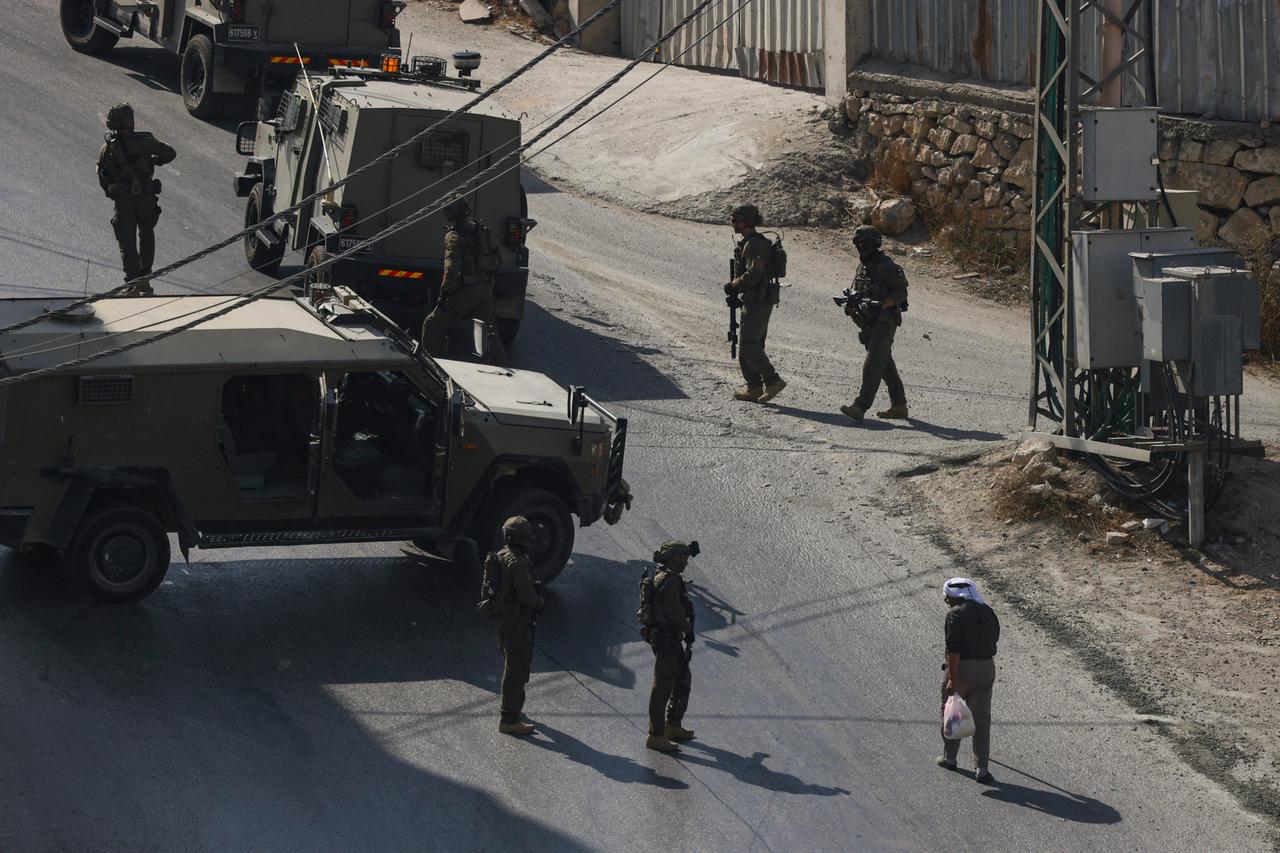


Israeli Prime Minister Benjamin Netanyahu announced plans Friday for a sweeping military offensive in the occupied West Bank after Palestinian gunmen killed two Israeli soldiers near Hebron, days ahead of elections in which security has become a central campaign issue.
Netanyahu, facing a tight race to remain in office in Tuesday's elections, visited the scene of the attack alongside his right-wing allies, pledging a military response on a scale unseen since Israel occupied the Palestinian territory in 1967.
The proposed operation would initially involve evacuating residents from parts of Hebron, searching homes and destroying what Netanyahu described as "terrorist infrastructure."
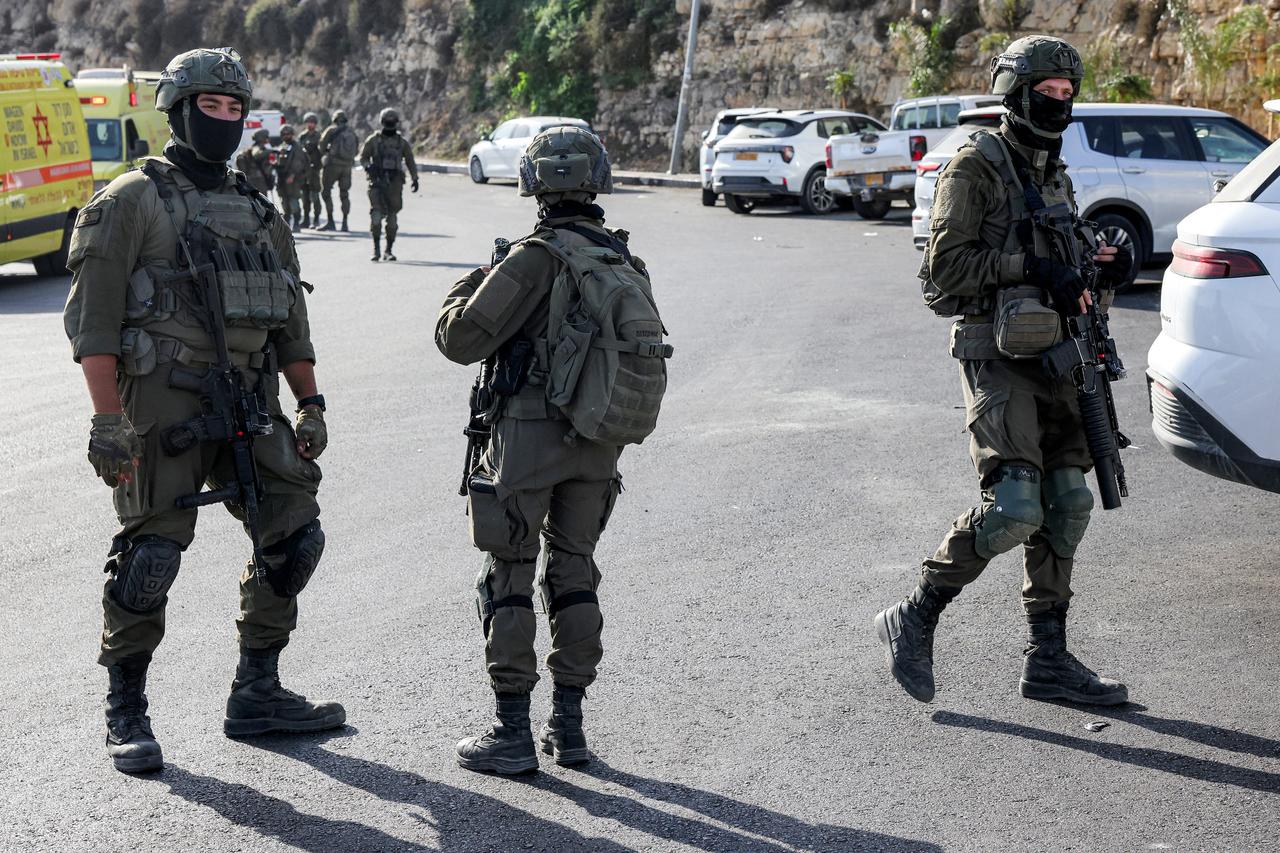
An AFP photographer who witnessed the confrontation at the Farsh al-Hawa checkpoint near Hebron reported seeing two Palestinian gunmen, armed with a handgun and an automatic rifle, exchanging fire with Israeli soldiers.
Israeli forces eventually shot and killed both attackers.
The Israeli military later confirmed that two soldiers had been killed in the Judea Junction area, while three others were wounded.
Netanyahu praised the soldiers for having "prevented what could have been a major attack" and ordered a lockdown in the occupied West Bank.
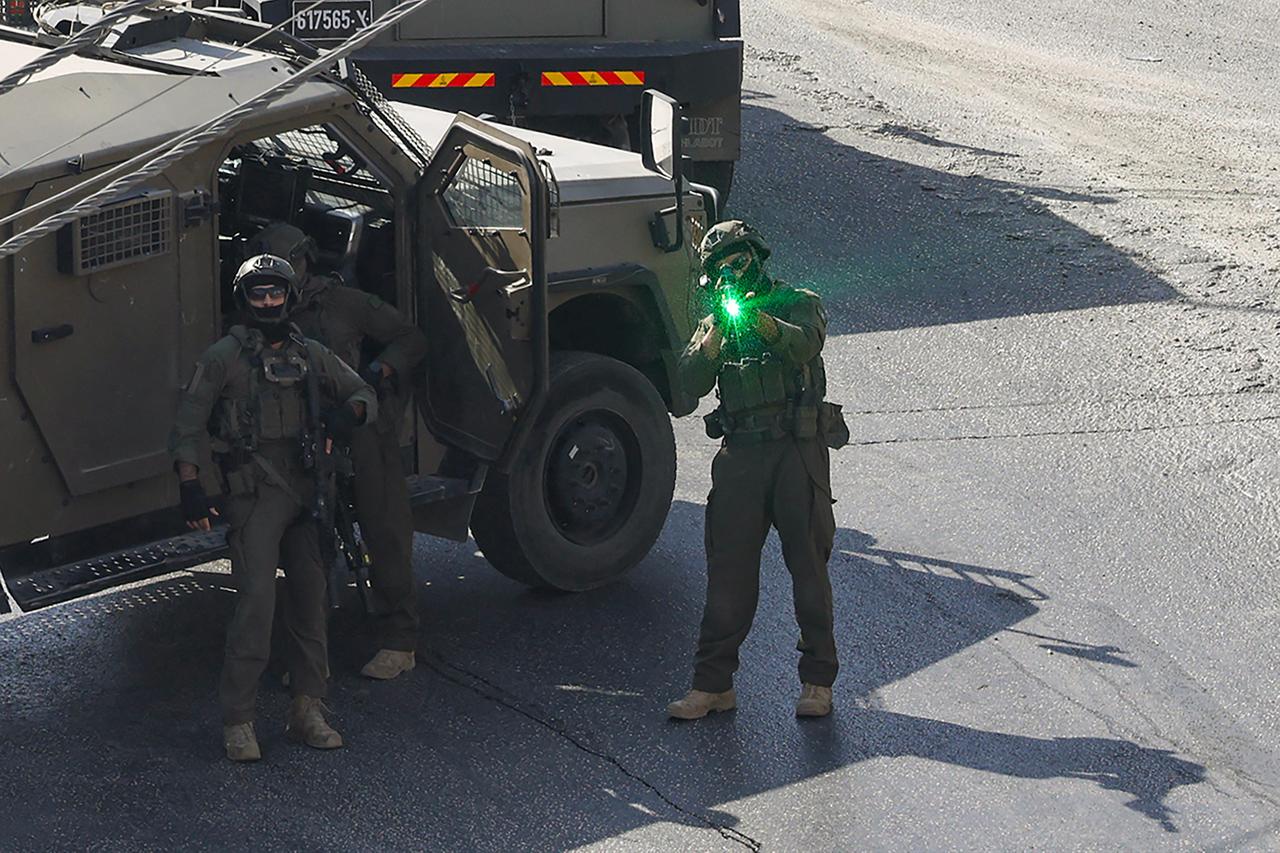

During his visit to Hebron, Netanyahu said he and Defense Minister Israel Katz were "considering a very extensive Israeli army operation in Judea and Samaria, such as has not been carried out since" the 1967 war, using the Israeli designation for the occupied West Bank.
"The IDF is ready to execute it and we will set the timing, but it is on the way," he added.
Netanyahu said the initial phase would see Israeli forces "enter the neighbourhood from which the terrorists came, evacuate the residents, go from house to house, and destroy the terrorist infrastructure."
He said the military would follow a model previously implemented in refugee camps in the northern West Bank, where a large-scale operation launched in January 2025 forcibly displaced thousands of Palestinians, according to the United Nations.
Israeli human rights group B'Tselem called for urgent international pressure to prevent what it described as "plans for collective punishment and acts that could constitute war crimes."
U.N. Secretary-General Antonio Guterres also expressed concern through his spokesperson over Israeli closures affecting Palestinian livelihoods and called for an end to violence on all sides.
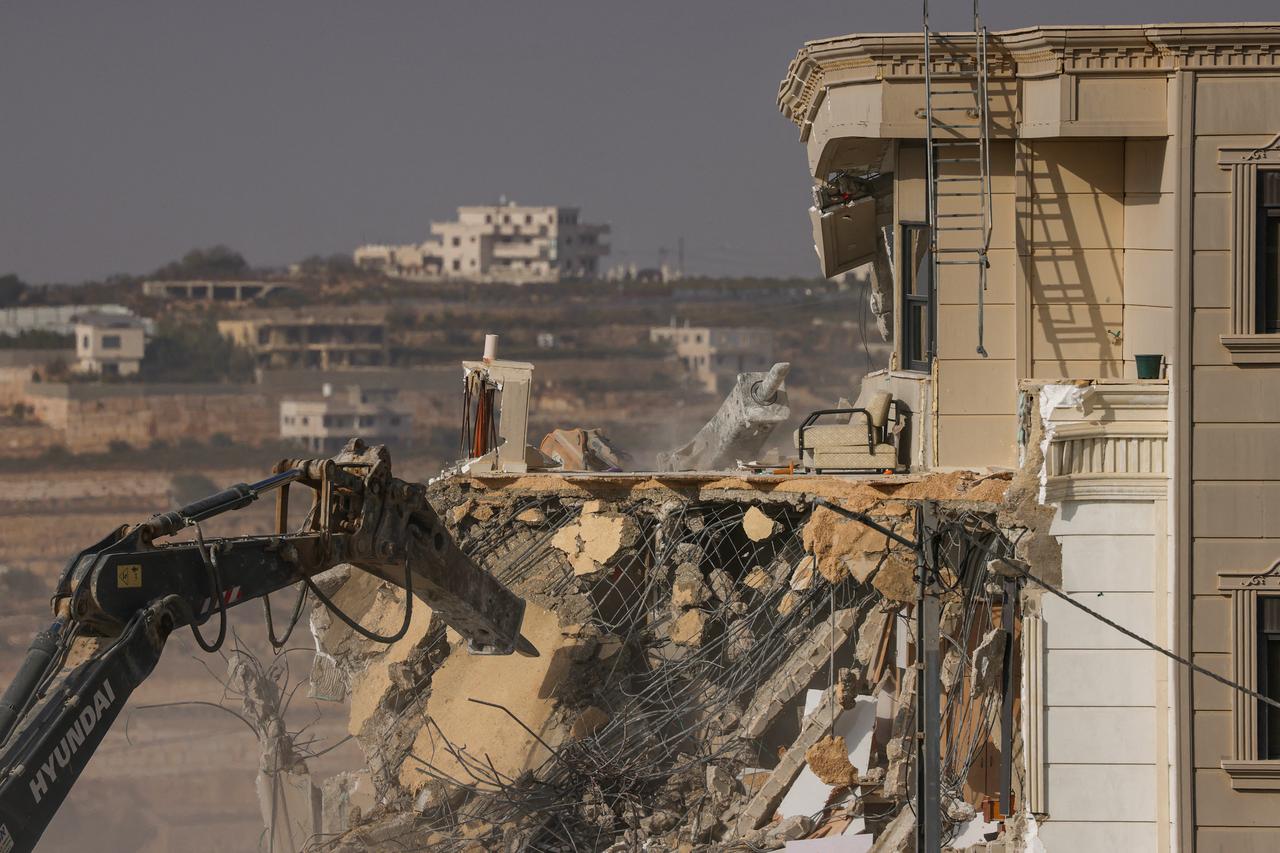
The Israeli military said it had "launched offensive counter-terrorism operations in the Hebron area," with troops conducting raids on the homes of the suspects and other residents.
Far-right Finance Minister Bezalel Smotrich, who also holds a position within the Defense Ministry, announced that building demolitions were underway.
Speaking in a video recorded at the scene, Smotrich said Israeli authorities were "sending an unequivocal message to our enemies: if you mess with the Jews, you will pay a very painful price."
Earlier Friday, he called for a large-scale military offensive in the West Bank "exactly like in Gaza."
"In the next government this will be one of the first measures that we must demand and apply," he said.
National Security Minister Itamar Ben-Gvir, another prominent far-right figure who visited the attack site, demanded that the Ramallah-based Palestinian Authority "must be dismantled."
"It is impossible for there to be an authority within Judea and Samaria that incites murder, calls for murder, and works for murder," Ben-Gvir told reporters.
However, no evidence has emerged linking the Palestinian Authority, which exercises limited self-rule in parts of the occupied West Bank, to Friday's attack.
Both Ben-Gvir and Smotrich have strongly supported Israeli settlement expansion in the West Bank, where settlements have proliferated under Netanyahu's government despite being considered illegal under international law.
Following the shooting, Israeli forces imposed a complete closure on Hebron and several surrounding towns as military operations intensified.
The occupied West Bank, including East Jerusalem, has witnessed escalating Israeli military operations and settler attacks since the outbreak of the Gaza war in October 2023.
The violence has included the killing and arrest of Palestinians, demolition of homes and other structures, attacks on mosques and vehicles, destruction of agricultural land and restrictions preventing Palestinian farmers from accessing their fields.
Palestinian communities have also faced displacement amid continued expansion of illegal Israeli settlements across the occupied territory.


 Set as preferred source
 Set as preferred source


 1 min read
 1 min read