Newsletters


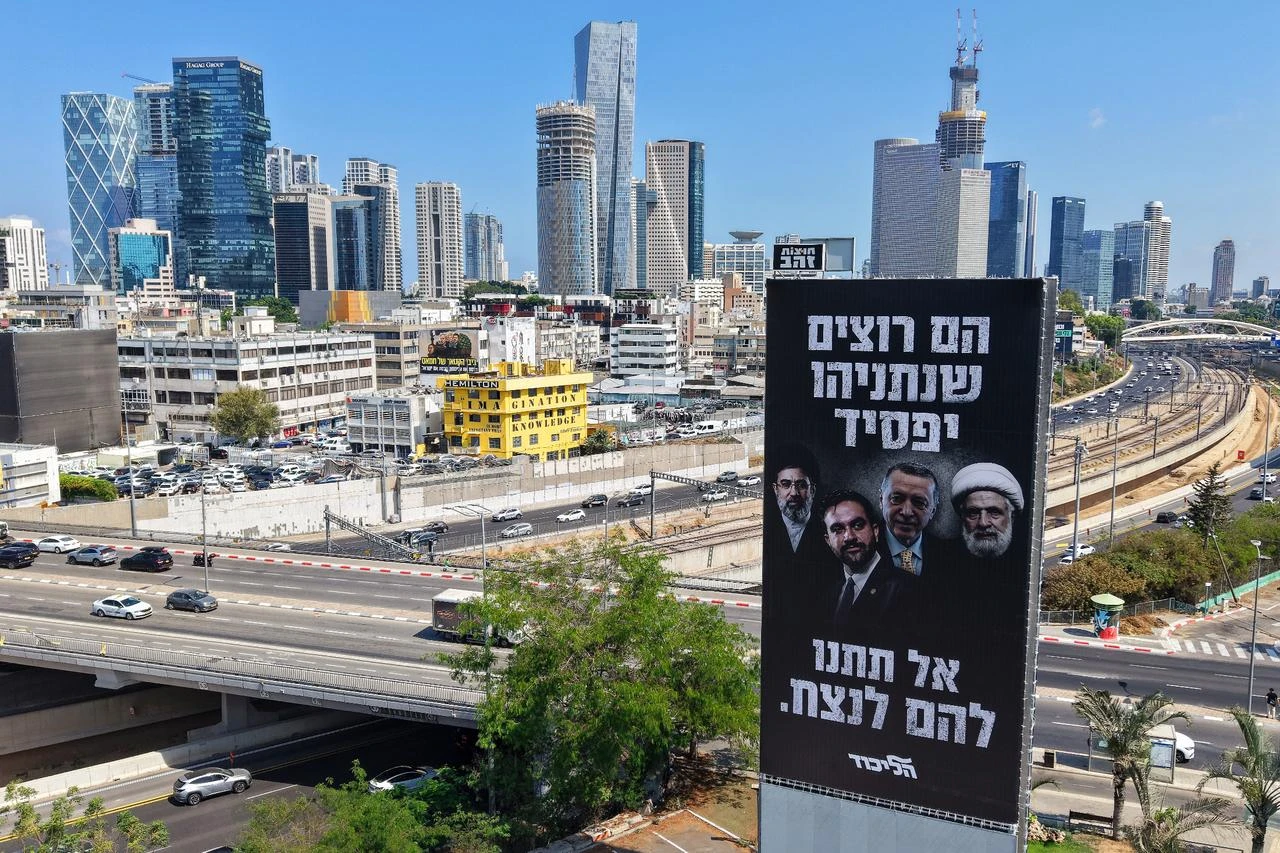


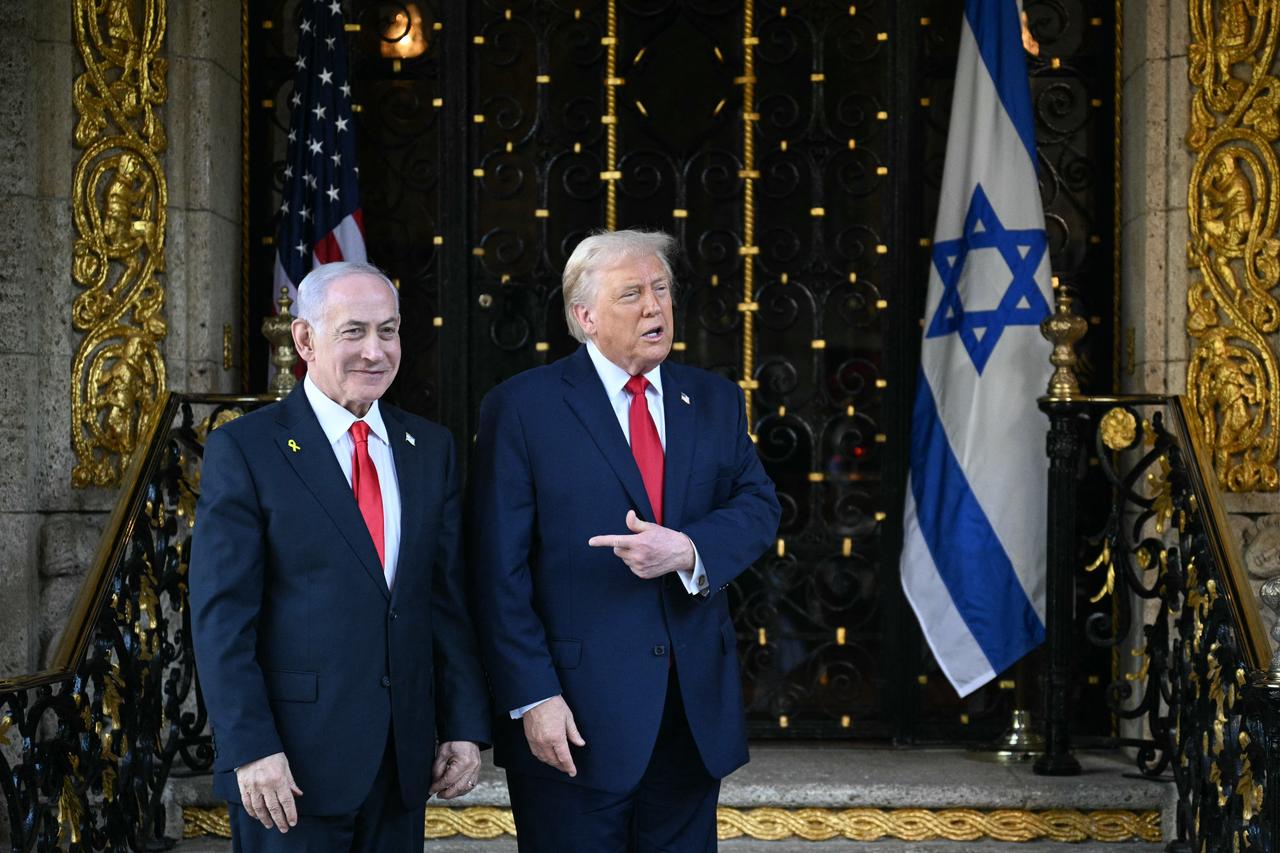
Israeli Prime Minister Benjamin Netanyahu is running his election campaign on anti-Türkiye rhetoric after being forced under U.S. pressure to halt attacks on Iran and Lebanon, according to criticism from Israeli opposition figures and analysts.
Netanyahu, whose name has been linked to corruption allegations and whose party has fallen in public opinion polls, has long sought to avoid prison.
He became the first sitting Israeli prime minister to stand corruption trial.
Netanyahu, the architect of Israel’s genocide in the Gaza Strip and responsible for the deaths of more than 73,000 Palestinians, most of them women and children, has been criticized even in Israel for “setting the region on fire to protect his seat.”
The International Criminal Court (ICC) issued an arrest warrant for Netanyahu on Nov. 21, 2024, over war crimes and crimes against humanity committed in Gaza.
Netanyahu has not stopped at Gaza, launching attacks on regional countries as well.
Under Netanyahu, Israel launched two separate attacks on Lebanon, one in 2024 and another in 2026.
He also opened two wars against Iran, one in 2025 and another in 2026.
Netanyahu was also behind attacks on Yemen and Qatar, which mediated cease-fire talks between Hamas and Israel.
After the fall of the Bashar Assad regime, Israel under Netanyahu carried out many attacks on Syria’s military infrastructure in 2024 and occupied areas in southern Syria.
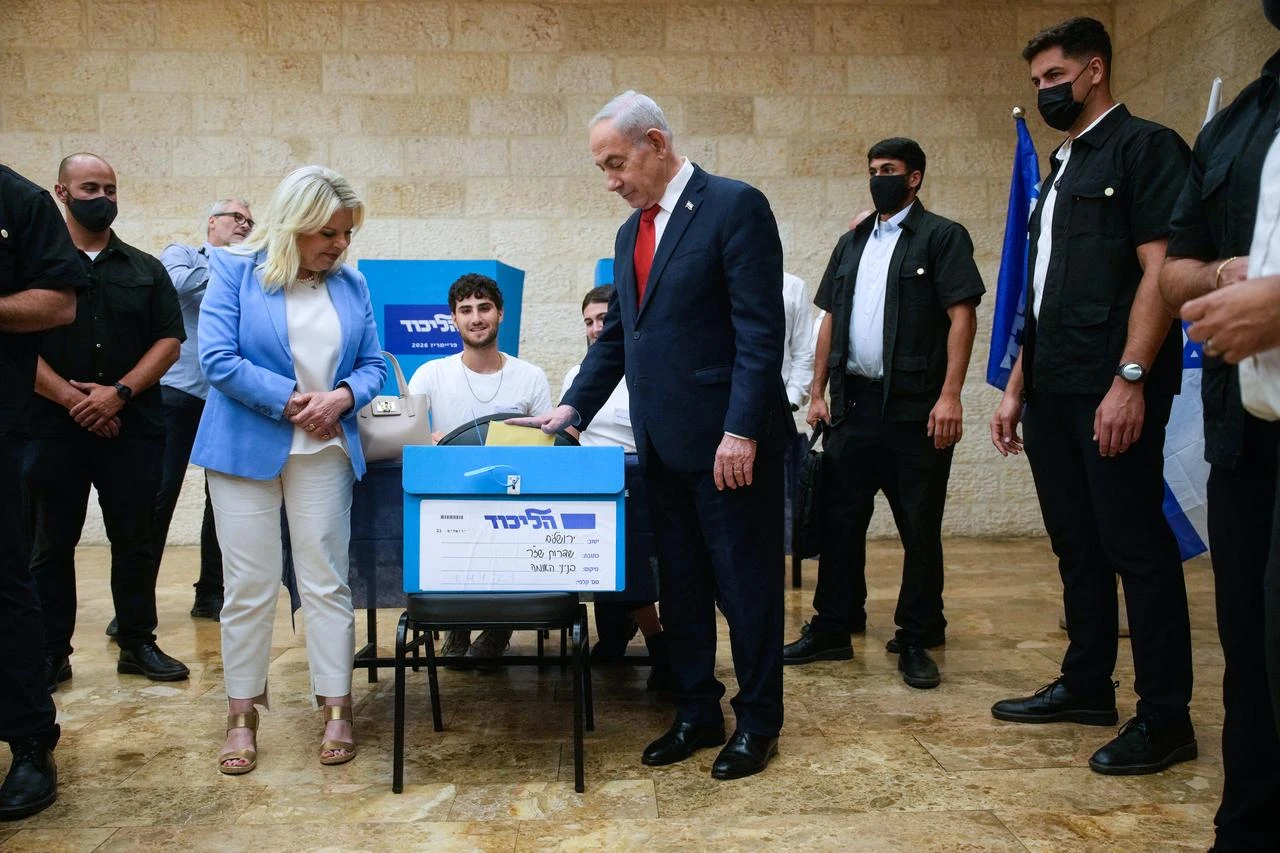

Netanyahu, who has maintained power through attacks and wars, first ended attacks on Iran reluctantly under U.S. pressure after an agreement between Washington and Tehran.
The decision drew sharp criticism from his coalition partners and opposition leaders.
Former Israeli Prime Minister Yair Lapid, leader of the main opposition Yesh Atid party, criticized the U.S.-Iran agreement and said Netanyahu had “lost the war.”
Netanyahu’s image as a “strong leader” weakened after he was forced to end the war with Iran under U.S. pressure.
He was later forced to stop attacks on Lebanon, again at Washington’s request.
The decision pushed Netanyahu further into a corner in Israel.
Former Defense Minister Avigdor Lieberman criticized the cease-fire reached in Lebanon, targeting Netanyahu by saying: “Not a prime minister, but a puppet.”
Itamar Ben-Gvir, Netanyahu’s far-right coalition partner and national security minister, called on the Israeli premier to reject U.S. President Donald Trump’s demand.
“You said a strong prime minister says ‘yes’ to the U.S. president when possible and ‘no’ when necessary. Now is the time to say ‘no’ to our friend, President Trump,” Ben-Gvir said.
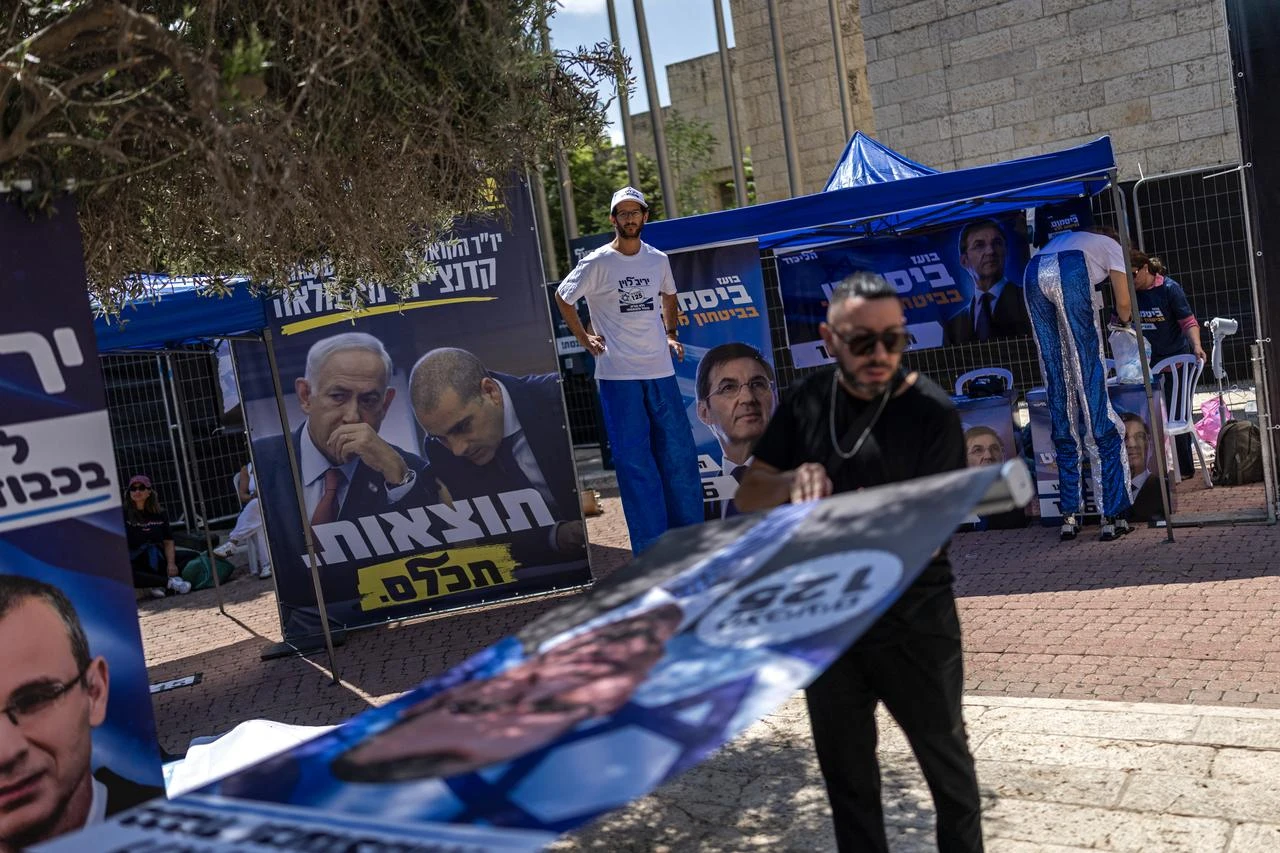
Netanyahu’s Likud party is currently the largest party in Israel’s 120-seat parliament with 32 seats.
But opinion polls ahead of elections scheduled for Oct. 27 show Likud falling from 32 seats to 23 and becoming the second-largest party.
Polls also show Likud and Netanyahu’s far-right and ultra-Orthodox coalition partners falling far below the 61 seats needed to form a government.
A poll published by Israel’s Channel 13 on Aug. 19 showed Netanyahu and his coalition partners winning a total of 51 seats.
Netanyahu and his team turned to anti-Türkiye rhetoric after being forced by U.S. pressure to end the attacks on Iran and Lebanon.
The signals came weeks before Israel’s Aug. 18 attack on the inactive Abu al-Duhur military air base in Syria’s Idlib province.
Amichai Chikli, a Likud lawmaker and diaspora minister, claimed in a radio interview in June that Israel would “sooner or later enter a war with Syria.”
“Türkiye and Syria are far more disturbing developments than Iran,” Chikli said.
Chikli, who frequently shares anti-Türkiye posts, also voiced unease over the Mecca Joint Defense Agreement signed by Türkiye, Saudi Arabia and Pakistan.
He said Saudi Arabia’s move to act with Türkiye was a “very bad development” for Israel.
Defense Minister Yisrael Katz, one of Netanyahu’s closest figures, has also emerged as a leading voice using anti-Türkiye rhetoric against Turkish President Recep Tayyip Erdogan in the election campaign.
Katz frequently targets Türkiye and Erdogan on social media, with many of his posts written in Turkish.
Eli Cohen, a Likud lawmaker and energy minister, also signaled last month that anti-Türkiye rhetoric would be used in the campaign.
“If Türkiye establishes a base in Syria, we will establish one too,” Cohen told a local radio station.
Netanyahu and his team have visibly increased anti-Türkiye statements since Israel’s attack on the Abu al-Duhur military air base.
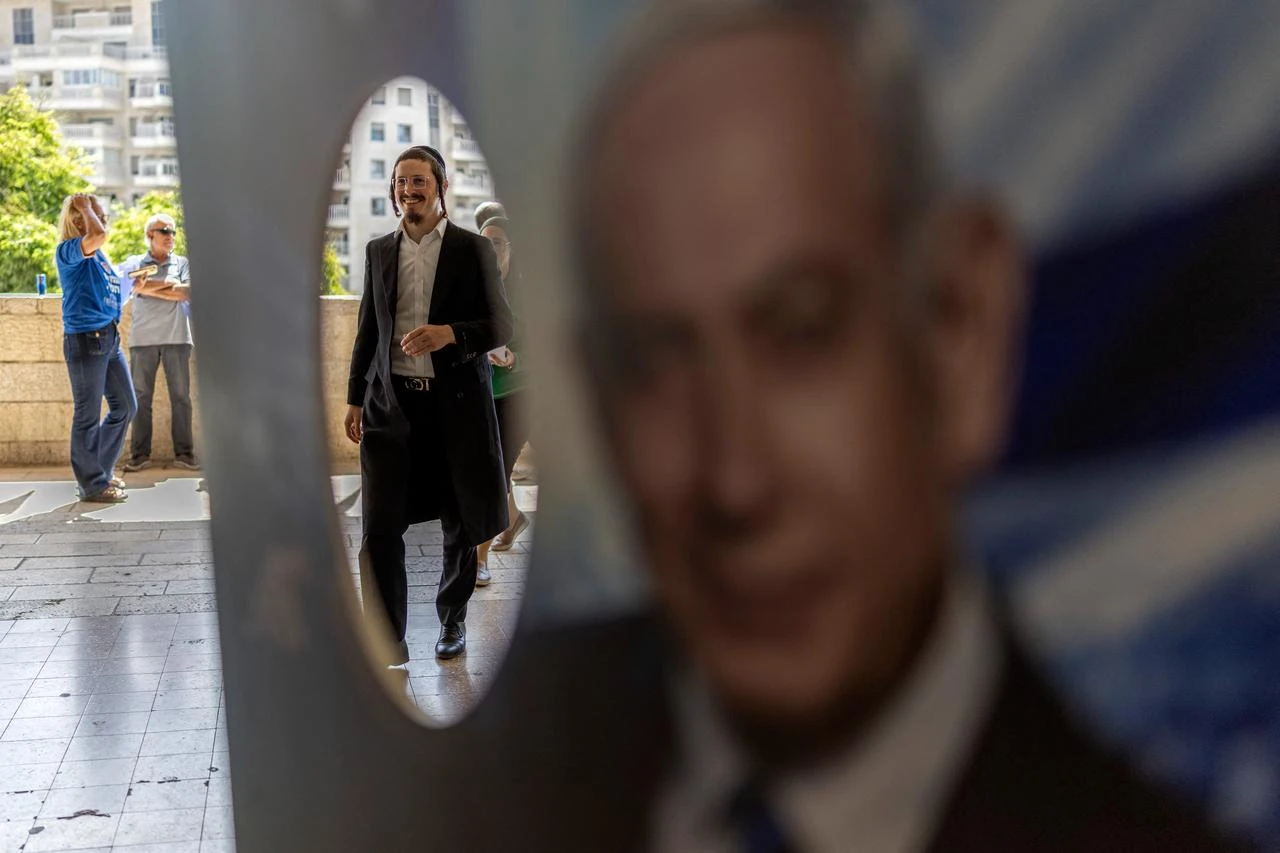
Some opposition leaders and analyses published in Israel say Netanyahu and people close to him have turned the attack in Syria into part of an election campaign built on anti-Türkiye rhetoric.
Democrats party leader Yair Golan said Netanyahu had made an “arrogant and dangerous” move with the attack.
Golan said Israel “raised tensions with Türkiye and deepened the rift with the U.S.,” stressing that Netanyahu used military force for political calculations and that Tel Aviv paid the price in security terms.
Former Israeli Prime Minister Ehud Barak said Netanyahu was pursuing a policy of reaching voters through security tensions ahead of the Oct. 27 elections.
Israeli political commentator Esther Solomon said in an analysis published in Haaretz that Netanyahu had failed to get the poll results he wanted “despite all his efforts” before the elections.
Solomon said Netanyahu was trying to gain more votes by using every front to “overwhelm, surprise and wear down the opposition” and build momentum for his party before the vote.
Another political commentator, Jonathan Lis, said in Haaretz that political considerations also played a role in Netanyahu’s decision-making process alongside security and diplomatic factors.
“As Israel’s October elections approach, it is highly suspicious that Netanyahu would want an escalation of tensions with Türkiye and Syria, especially as the Trump administration encourages calm between the parties,” Lis said.
The election campaign built on anti-Türkiye rhetoric in Israel is not limited to statements by Netanyahu and figures close to him.
Channel 14 television, known for its closeness to Netanyahu, targeted Türkiye’s Consulate General in occupied East Jerusalem, which represents Palestine.
A Channel 14 report claimed “unauthorized renovation” was being carried out in the building housing Türkiye’s Consulate General in Jerusalem.
The report said the Israeli-affiliated Jerusalem Municipality was not allowed to inspect the site and broadcast exterior footage of the consulate building.
I24 television also aired a documentary claiming Türkiye was trying to take control of East Jerusalem by focusing on the activities of Turkish institutions and associations in the city.
The documentary gave broad coverage to humanitarian aid provided by Turkish institutions and associations to Palestinians in the city and included the activities of the Yunus Emre Cultural Center in East Jerusalem.


 Set as preferred source
 Set as preferred source


 1 min read
 1 min read