Newsletters


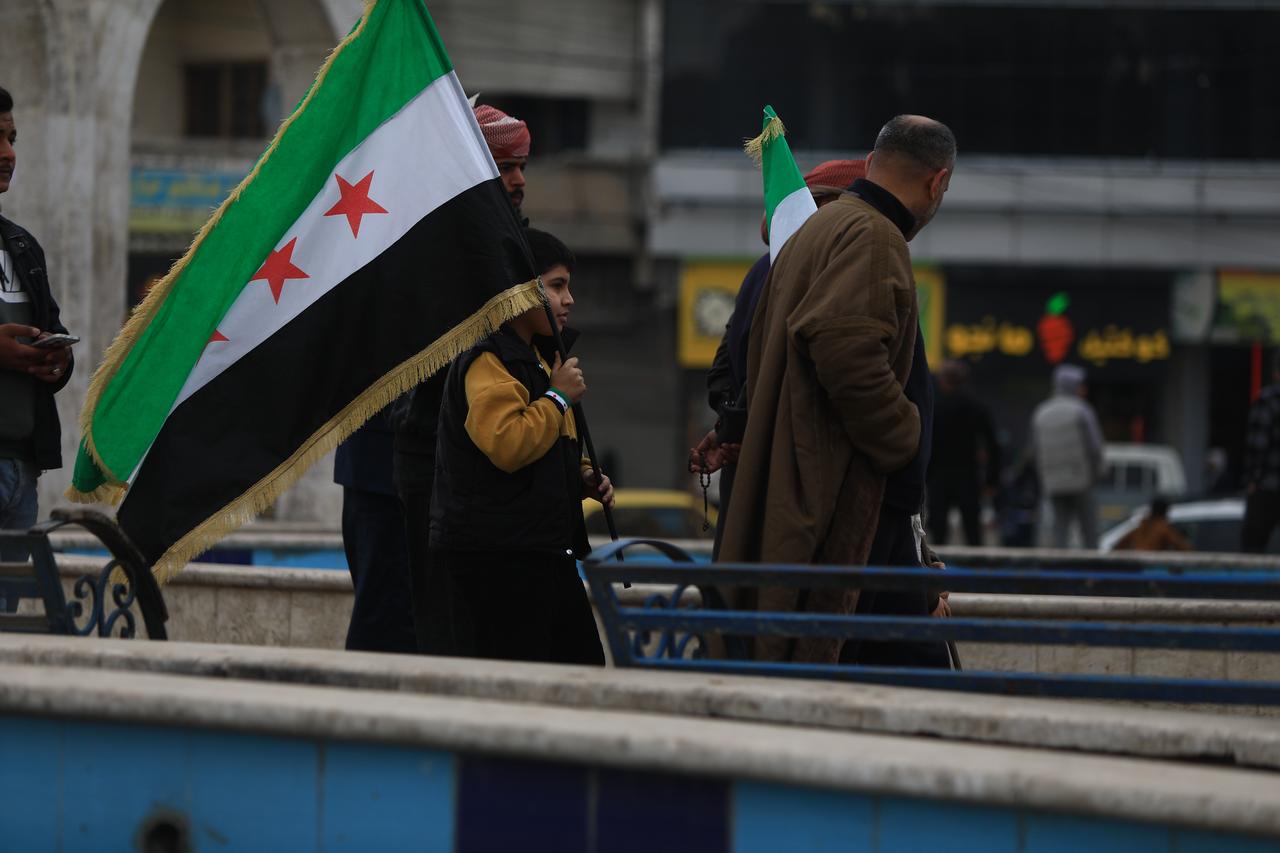


Russian Foreign Minister Sergey Lavrov said developments in Syria are increasingly aligning with long-standing plans discussed between Moscow and Ankara, pointing to renewed efforts to integrate Kurds into Syria’s political system and armed forces.
Speaking in an exclusive interview with Türkiye daily, Lavrov said processes envisioned for years in coordination with Türkiye are now beginning to materialize.
“In modern Syria, processes we have long envisioned together with our Turkish friends are finally starting to be implemented,” Lavrov said.
Lavrov said earlier summits between Russia and Türkiye produced key understandings, including arrangements addressing concerns linked to Kurdish groups in Syria.
Lavrov said Moscow and Ankara have consistently found common ground on Syria despite differing national interests, noting that talks in 2019 and 2020 addressed mutual security concerns, including those related to Kurdish groups.
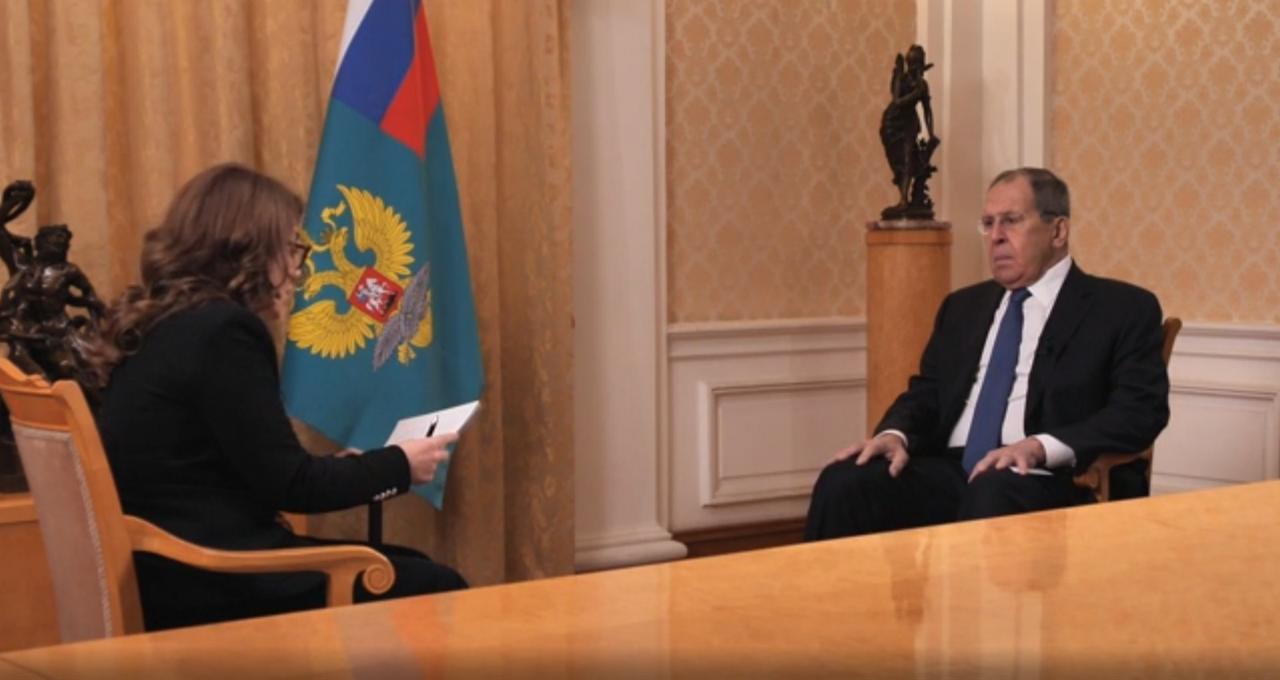

Lavrov said Russia intends to maintain close engagement with Syria’s new leadership, describing bilateral relations as rooted in decades of strategic cooperation dating back to the Soviet era.
He said contacts resumed shortly after the political transition in Damascus, with Russian delegations visiting Syria in early 2025 and Syrian President Ahmed al-Sharaa later visiting Moscow.
Lavrov said the two sides reviewed all joint projects and confirmed continued cooperation across economic, military and humanitarian fields.
On Jan. 20, Syria’s Defense Ministry declared a four-day ceasefire across all army operational sectors following “mutual understandings” reached between the presidency and the SDF. The truce was later extended by 15 days.
The agreement followed a military operation launched by the Syrian Army, during which it regained wide areas in eastern and northeastern Syria after repeated violations by the SDF of agreements signed nearly a year earlier and its failure to implement their provisions.
The SDF is dominated by the YPG, the Syrian branch of the PKK terrorist group.
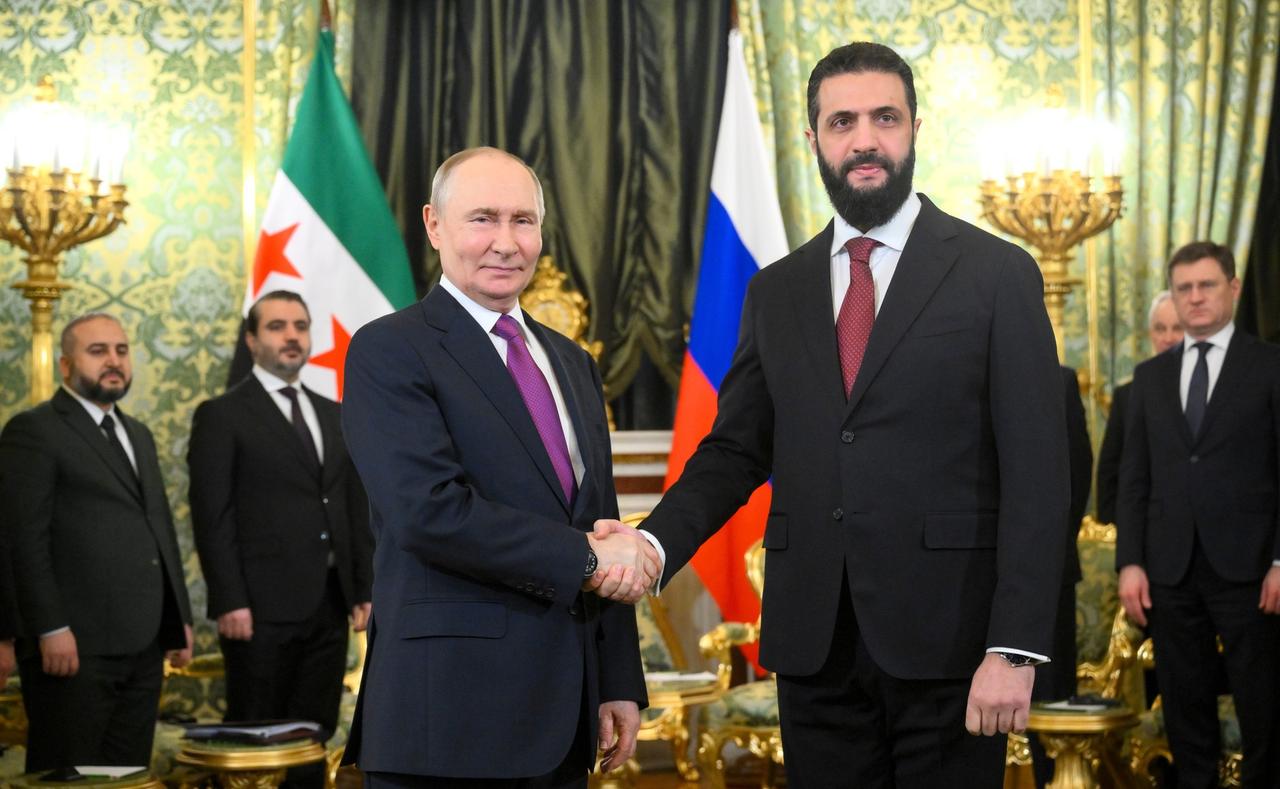
Asked about calls to prosecute ousted Syrian regime leader Bashar al-Assad, who is currently in Russia, Lavrov said Moscow does not consider pursuing legal action against him.
“This opportunity was provided to him entirely for humanitarian reasons, and he took advantage of it. If you follow the internal affairs of our country, you can see that al-Assad played no role in Syrian affairs,” Lavrov said.
Assad, who ruled Syria for nearly 25 years, fled to Russia on Dec. 8, 2024, ending the Baath Party’s decades-long rule that began in 1963.
Lavrov said the issue is no longer on Russia’s agenda and that Moscow’s partners are fully aware of the circumstances surrounding Assad’s arrival.
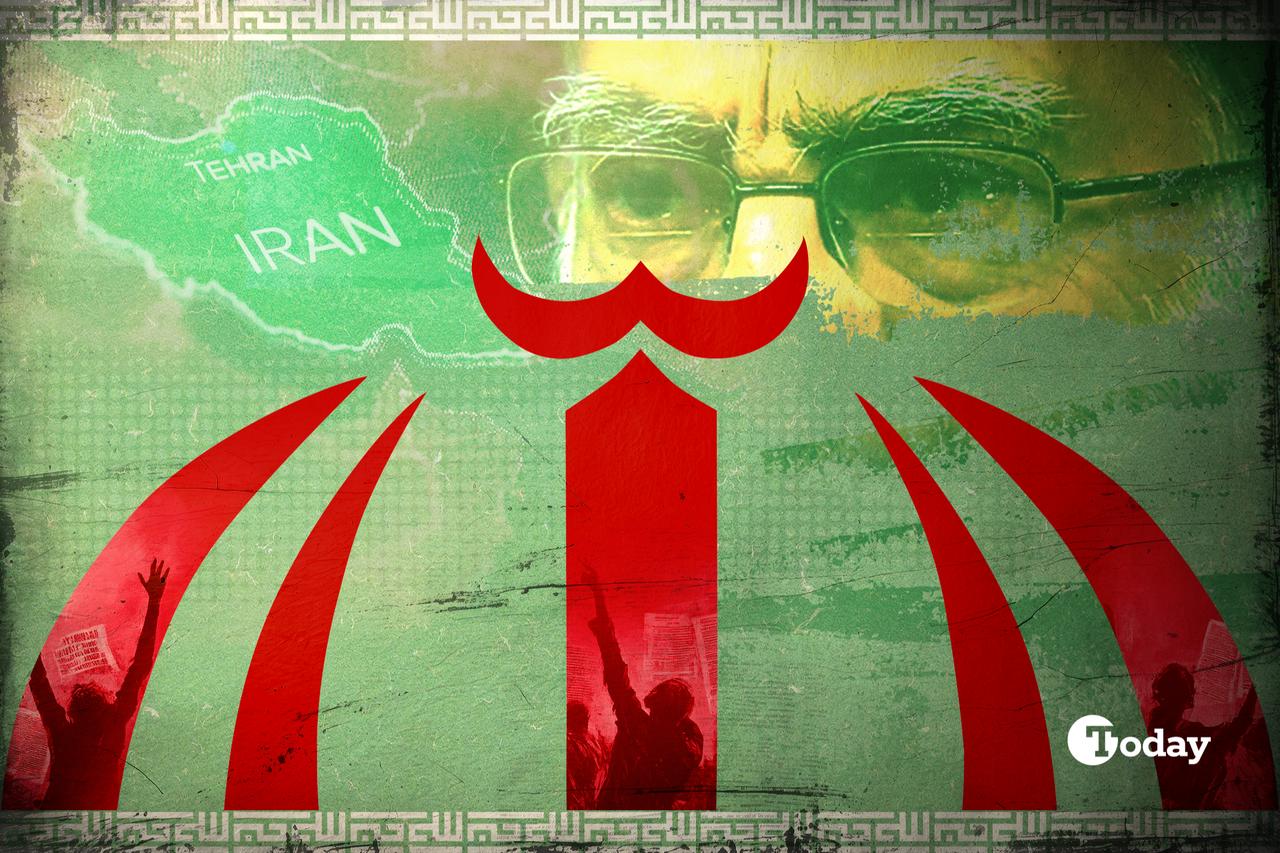
Lavrov also said Russia is prepared to help defuse tensions between Iran and Israel, citing Moscow’s relations with both sides and its role in mediating Iran’s nuclear program.
“We always offer our good-faith mediation services to defuse this tension, as we have good relations with both Israel and Iran,” he said.
Lavrov recalled Russia’s role in the 2015 nuclear agreement, when Moscow helped facilitate the transfer of excess enriched uranium from Iran to Russian territory.
He said Russian President Vladimir Putin has held a series of contacts with Israeli Prime Minister Benjamin Netanyahu, adding that Russia remains in contact with Iranian leaders.
Lavrov said energy interests and geopolitical rivalry remain central drivers of U.S. policy toward Iran, pointing to actions under U.S. President Donald Trump that he said disregarded international law.
Recalling U.S. intervention in Venezuela, Lavrov cited Trump as saying, “We need Venezuelan oil.”
“Iranian oil is also important for the same reason, as Iran is one of the leading countries with this resource,” Lavrov said.
He added that the Strait of Hormuz represents a critical geostrategic point for global oil security.
“Unlike Venezuela in the open ocean, there is a critical geostrategic point here in terms of the security of oil routes, such as the Strait of Hormuz.
Therefore, this is likely part of the policy, especially considering the interests explicitly stated by the Trump administration,” he said.
Lavrov said Moscow remains ready to help prevent further deterioration, adding that Israeli, Iranian and U.S. officials are aware of Russia’s willingness to facilitate dialogue.
He welcomed recent calls by Turkish President Recep Tayyip Erdogan to avoid the “worst-case scenario,” saying Russia and Türkiye hold closely aligned views on preventing a wider conflict.


 Set as preferred source
 Set as preferred source


 2 min read
 1 min read