Newsletters


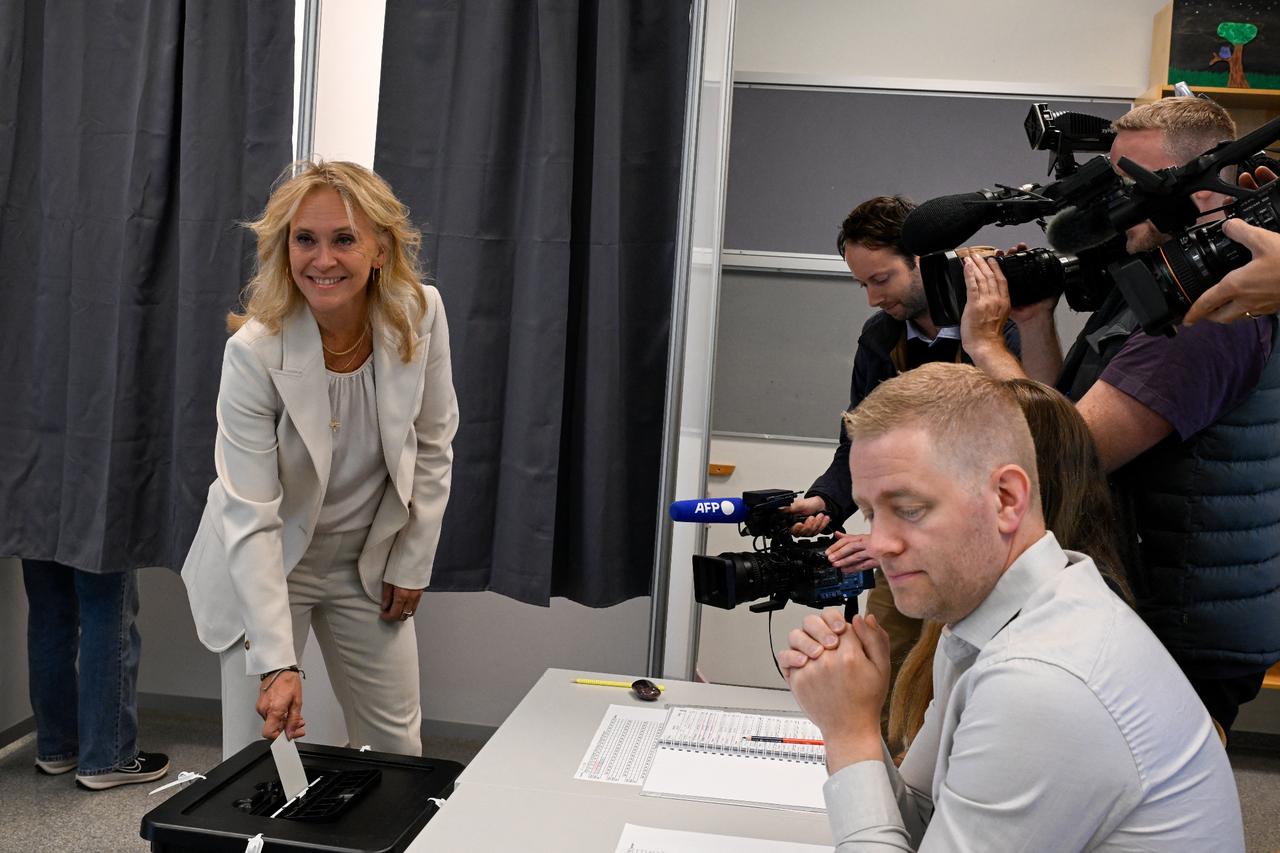


Icelanders voted against reopening European Union membership negotiations, with 52.8% rejecting the proposal and 47.2% supporting it, according to final results published Sunday by public broadcaster RUV.
The closely contested referendum was held Saturday and concerned only whether Iceland should resume accession talks suspended more than a decade ago, not whether the country should join the EU.
Any eventual membership agreement would still have required a second referendum.
The final ballots from the Southwest Constituency were announced at 10 a.m. local time, confirming the nationwide no majority.
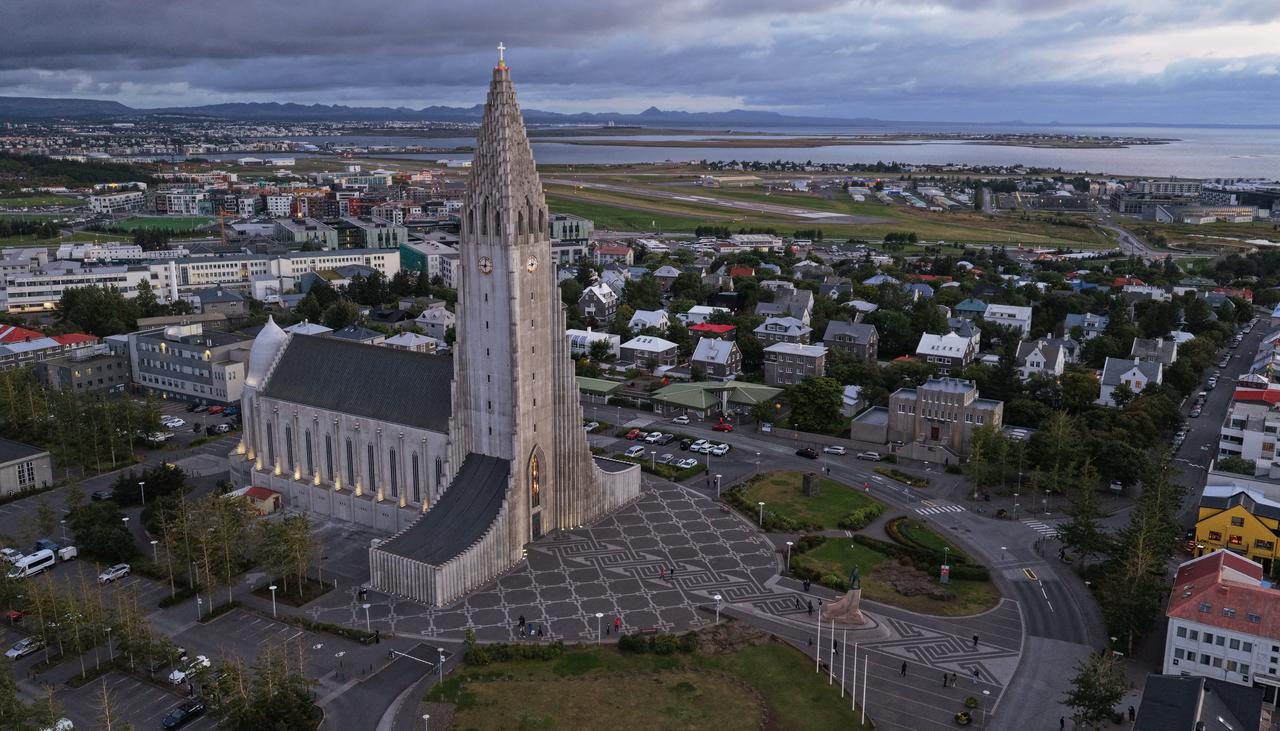

Support for restarting negotiations varied significantly by region.
Reykjavik North voted 57.5% in favor and Reykjavik South 54.5%, while every other constituency rejected the proposal.
The "No" vote reached 62.9% in the Northwest, 61.2% in the Northeast, 60% in the South and 53% in the Southwest.
Although the referendum was technically non-binding, the government has pledged to respect the result.
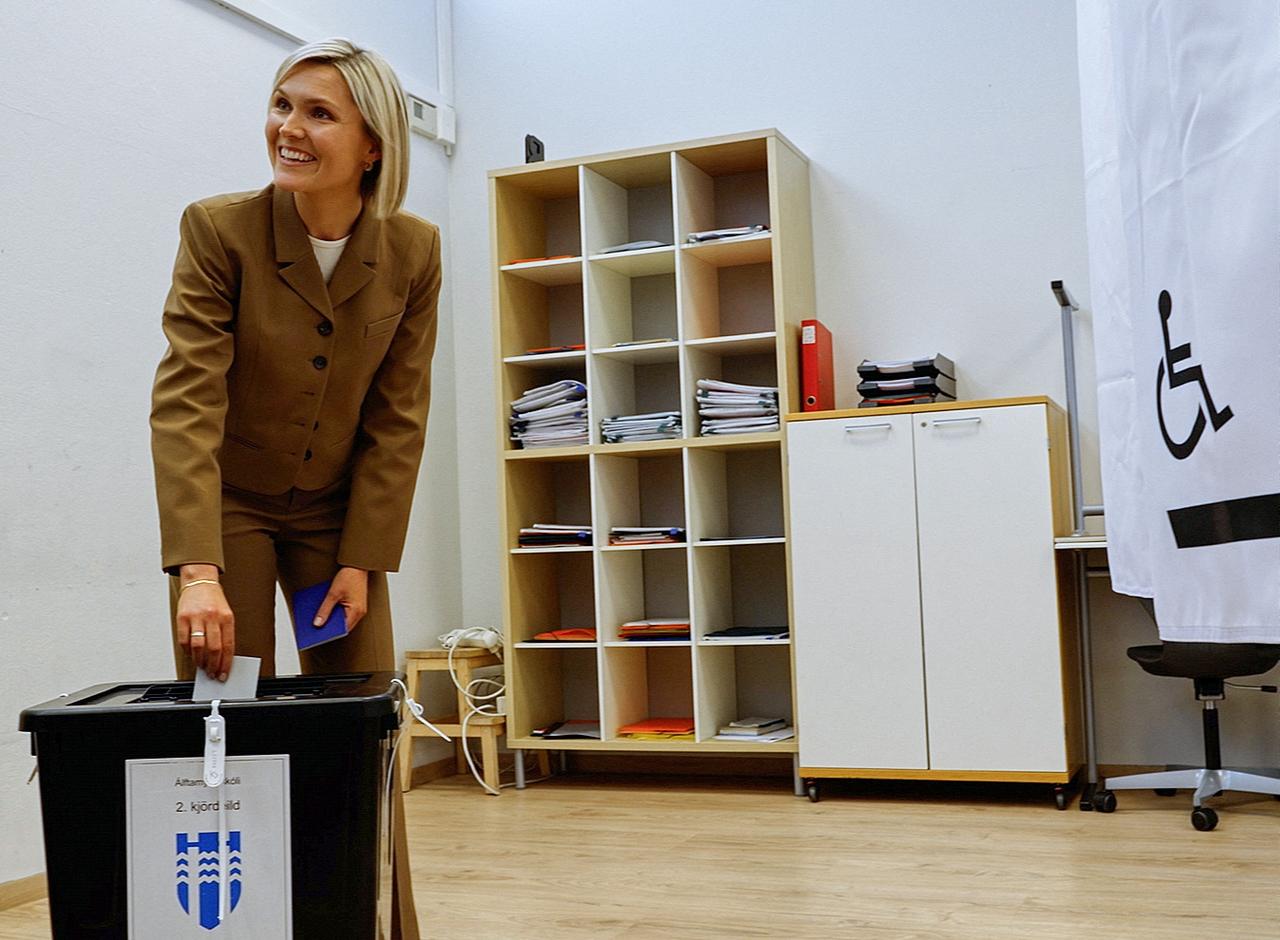
Prime Minister Kristrun Frostadottir, who supported restarting negotiations, said ahead of the result that the campaign had raised discussion about Iceland’s relationship with the EU and its broader geopolitical position.
She had also pledged that if voters rejected renewed talks, EU membership would not return to the political agenda during her term, which ends in 2028.
The government said parliament would decide whether Iceland should formally withdraw its existing EU membership application.
Iceland, a country of just under 400,000 people, applied for EU membership following the 2009 financial crisis, which severely damaged its economy.
Negotiations were suspended in 2013 after a euroskeptic government came to power.
Iceland remains closely linked to the EU through the European Economic Area and the Schengen free-movement zone, arrangements that will remain unchanged following the referendum.
The current government, made up of three parties with differing positions on EU membership, sought the referendum amid growing international tensions.
Debate during the campaign focused largely on domestic and economic issues, though the war in Ukraine and U.S. President Donald Trump’s ambitions concerning neighboring Greenland also featured.
Fishing was among the most contentious issues surrounding possible EU accession.
The industry is a central part of Iceland’s economy and national identity, and Reykjavik has sought to retain exclusive control over its fisheries.
Around 90% of companies in the sector opposed EU membership.
EU Enlargement Commissioner Marta Kos had said Iceland’s “unique specificities on fisheries and agriculture” would need to be carefully considered and expressed confidence that “creative solutions” could be found.
Brussels had been willing to seek compromises to facilitate Iceland’s accession and had hoped membership by the wealthy North Atlantic country could provide a positive example for further EU enlargement.
Iceland joining the bloc would also have expanded the EU’s presence in the strategic Arctic region and could potentially have influenced debate in neighboring Norway, which is also outside the EU.


 Set as preferred source
 Set as preferred source


 2 min read
 1 min read