Newsletters


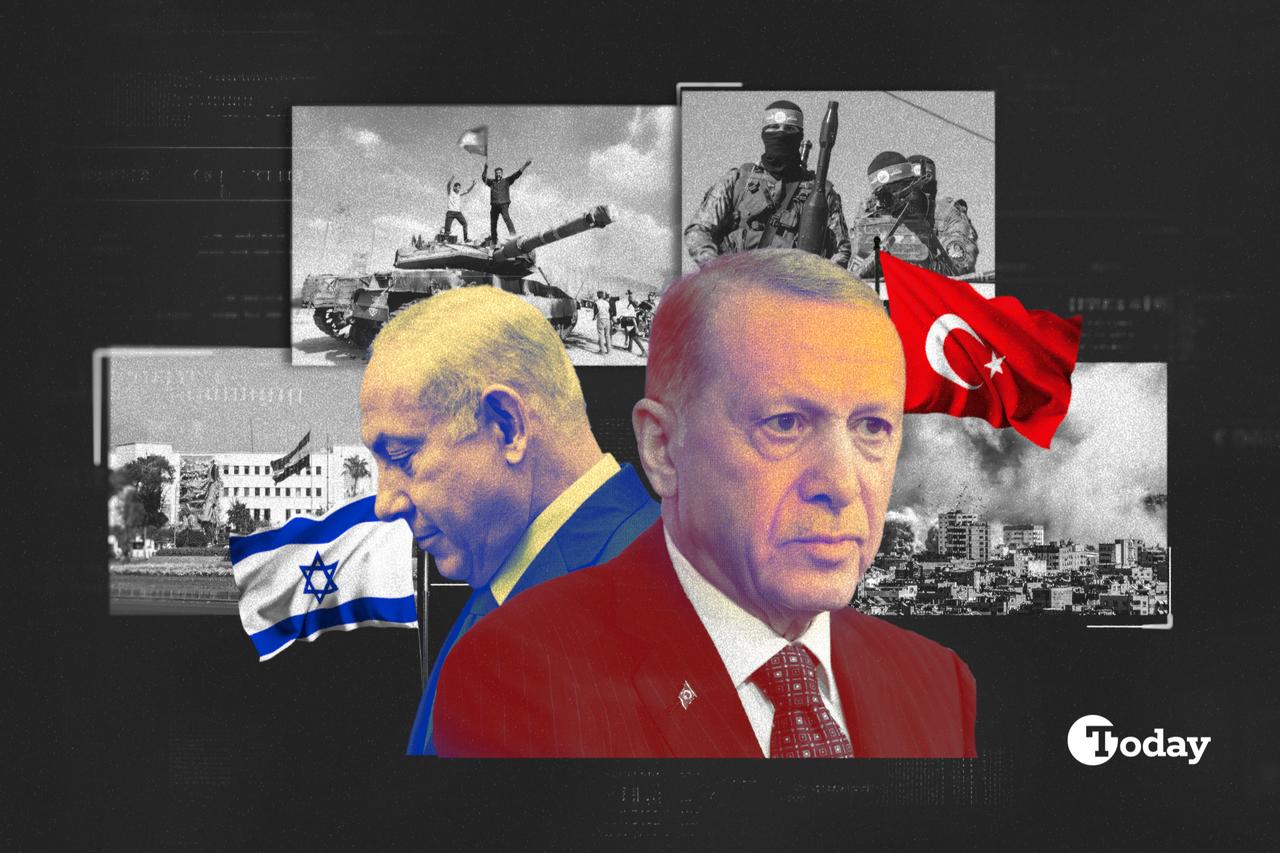


The Oct. 7 attack hit Israel, where it thought it was strongest. It shook one of the country’s most deeply held assumptions that the state could keep its people safe.
Before that morning, Tel Aviv believed the Gaza border could be contained.
The country, meanwhile, was also cautiously rebuilding a relationship with Türkiye after years of cycling between crisis and reconciliation.
But one morning altered the region’s security landscape.
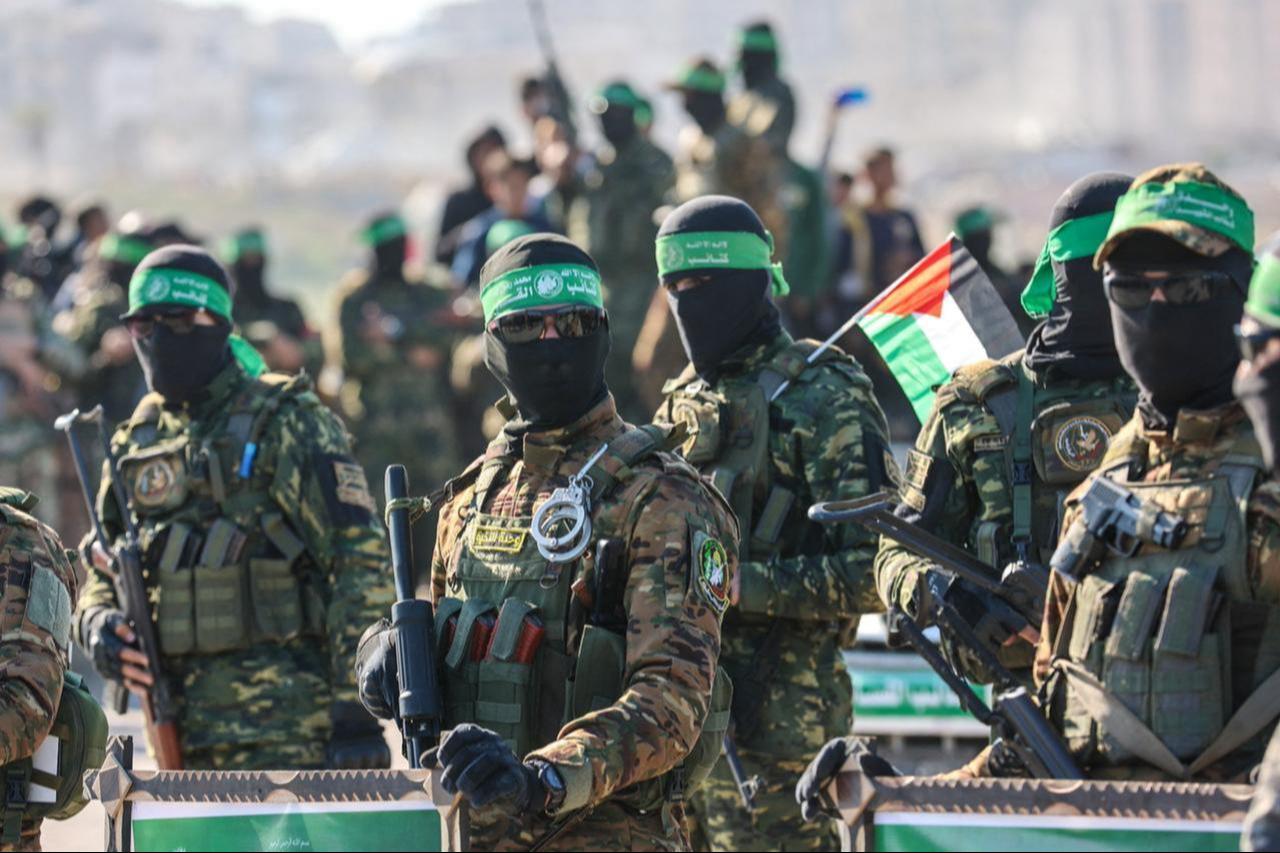
At dawn on Oct. 7, Hamas and other Palestinian armed groups launched an attack from the Gaza Strip into southern Israel.
Thousands of rockets were fired as members breached Israel’s border barrier at multiple points and entered by land, sea and air, attacking military posts, kibbutzim, towns and a music festival.
For Israel, Oct. 7 became the deadliest single day in the country's history and a catastrophic failure of the security system built around Gaza. More than 1,300 Israelis were killed, and more than 200 were abducted to Gaza.
Israel responded with a large-scale air and ground campaign aimed at destroying Hamas' military and governing capacity and recovering the hostages. Gaza was placed under siege, large parts of its population were repeatedly ordered to evacuate, and fighting spread across the densely populated enclave.
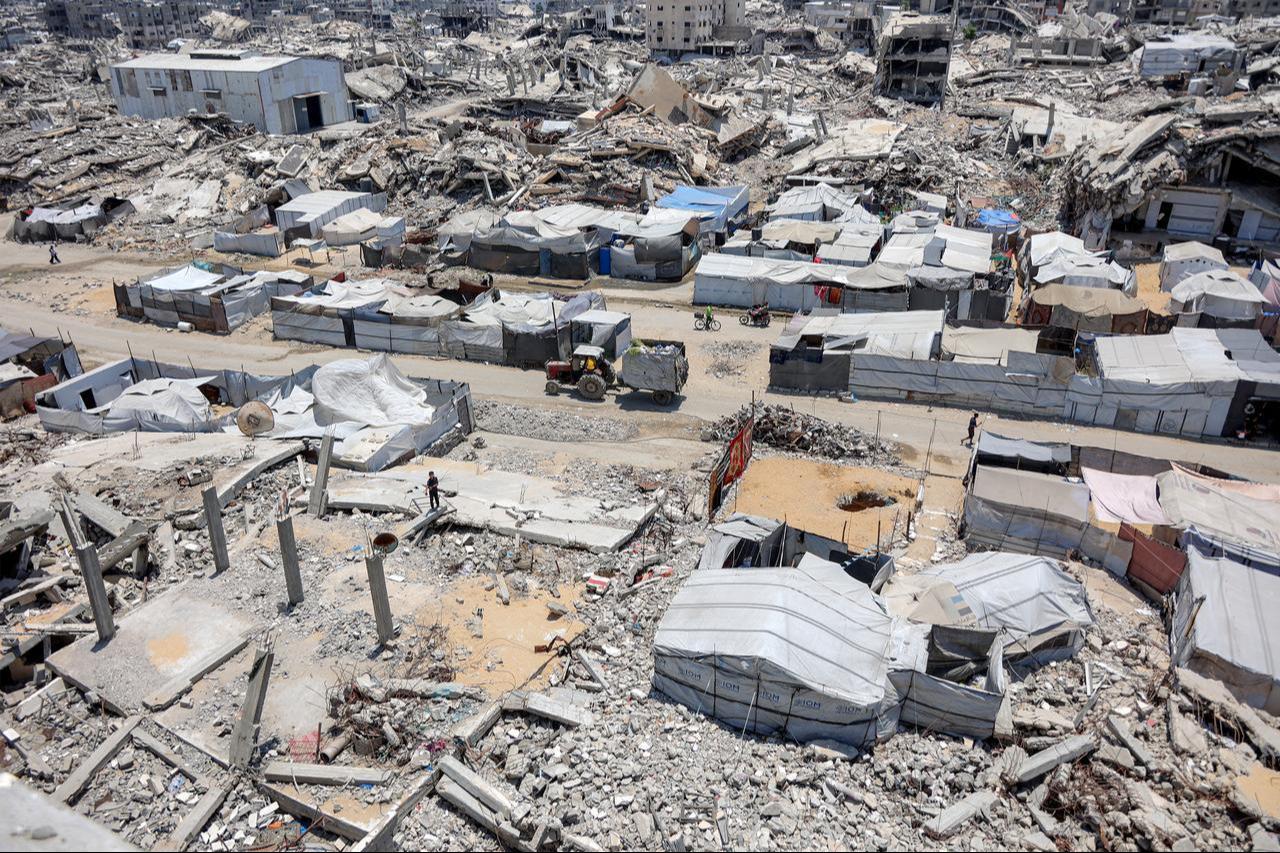
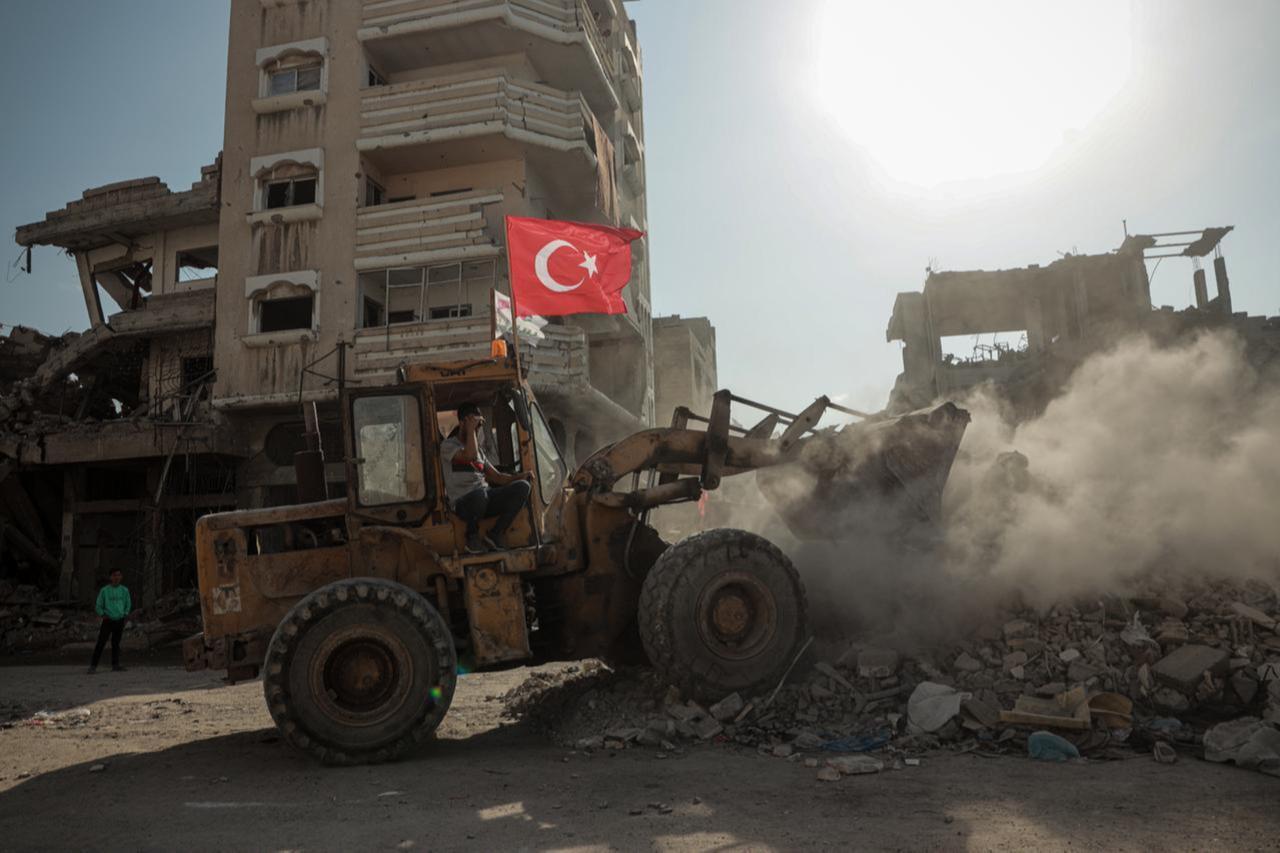
Since October 2023, Israel's war in Gaza has killed more than 74,000 Palestinians and injured over 175,000 others, also destroying about 90% of the enclave's infrastructure.
A ceasefire eventually took effect on Oct. 10, 2025, securing hostage and prisoner releases and increasing humanitarian access.
But one year later, the political settlement remains unfinished. Hamas' disarmament, further Israeli withdrawal, reconstruction, and the deployment of an international stabilization force remain unresolved. Israeli forces still occupy more than 60% of Gaza.
The Israeli army has killed 1,454 Palestinians and injured 5,090 others since the ceasefire took effect on Oct. 10, 2025, according to Gaza’s Health Ministry.
What began on Oct. 7, however, did not remain a war between Israel and Hamas.
It altered the security calculations of the region and pulled Türkiye and Israel away from normalization toward an increasingly strategic rivalry.
For Ankara, Oct. 7 also marked the collapse of a very different trajectory.
Only weeks before the attacks, President Recep Tayyip Erdogan and Israeli Prime Minister Benjamin Netanyahu had met in person as Ankara and Tel Aviv cautiously rebuilt relations. By November 2023, Türkiye had recalled its ambassador. In May 2024, it halted bilateral trade. Diplomatic relations have since remained effectively frozen.
Speaking to Türkiye Today, the experts said the consequences of Oct. 7 now extend well beyond Gaza, reshaping regional security calculations, Ankara’s strategic positioning and the future of Türkiye-Israel relations.

President Erdogan initially called on both sides to act with restraint. But as Israel’s military campaign in Gaza intensified, Türkiye’s criticism hardened sharply.
Professor Umut Uzer from Istanbul Technical University said Türkiye’s initial reaction reflected concern over the attack itself, but that Israeli conduct in Gaza subsequently became the dominant issue in Ankara.
“Türkiye and Israel began to see each other as rivals, particularly since the October 7 attacks,” Uzer said, arguing that Syria in particular emerged as an arena where their interests increasingly collided.
Meanwhile, Huseyin Alptekin, a faculty member at Türkiye’s National Defense University, reads Oct. 7 from a different starting point.
In his view, Ankara did not see the attack as the cause of a new conflict but as a consequence of the long-running Israeli-Palestinian dispute and occupation.
He said this helps explain why Ankara has continued to place a two-state solution at the center of its political position.
Türkiye also moved beyond rhetoric. In August 2024, it formally intervened in South Africa’s genocide case against Israel at the International Court of Justice under Article 63 of the court’s statute. The proceedings remain ongoing, and the ICJ has not issued a final judgment finding that Israel committed genocide.
Political analyst Hasan Mesut Onder argues that Ankara’s response nevertheless cannot be understood only as an “anti-Israel” policy.
For Türkiye, he said, the greater strategic question is what kind of regional architecture emerges from the war. Ankara increasingly views Gaza alongside Syria, Iran, the Eastern Mediterranean and the wider Palestinian question—and does not want the postwar order to be built in a way that excludes Turkish security interests.
“Türkiye is trying to develop a balancing position against Israel becoming the sole determining actor in the regional security architecture,” Onder said.
That distinction matters. The bilateral dispute is no longer confined to Palestine.
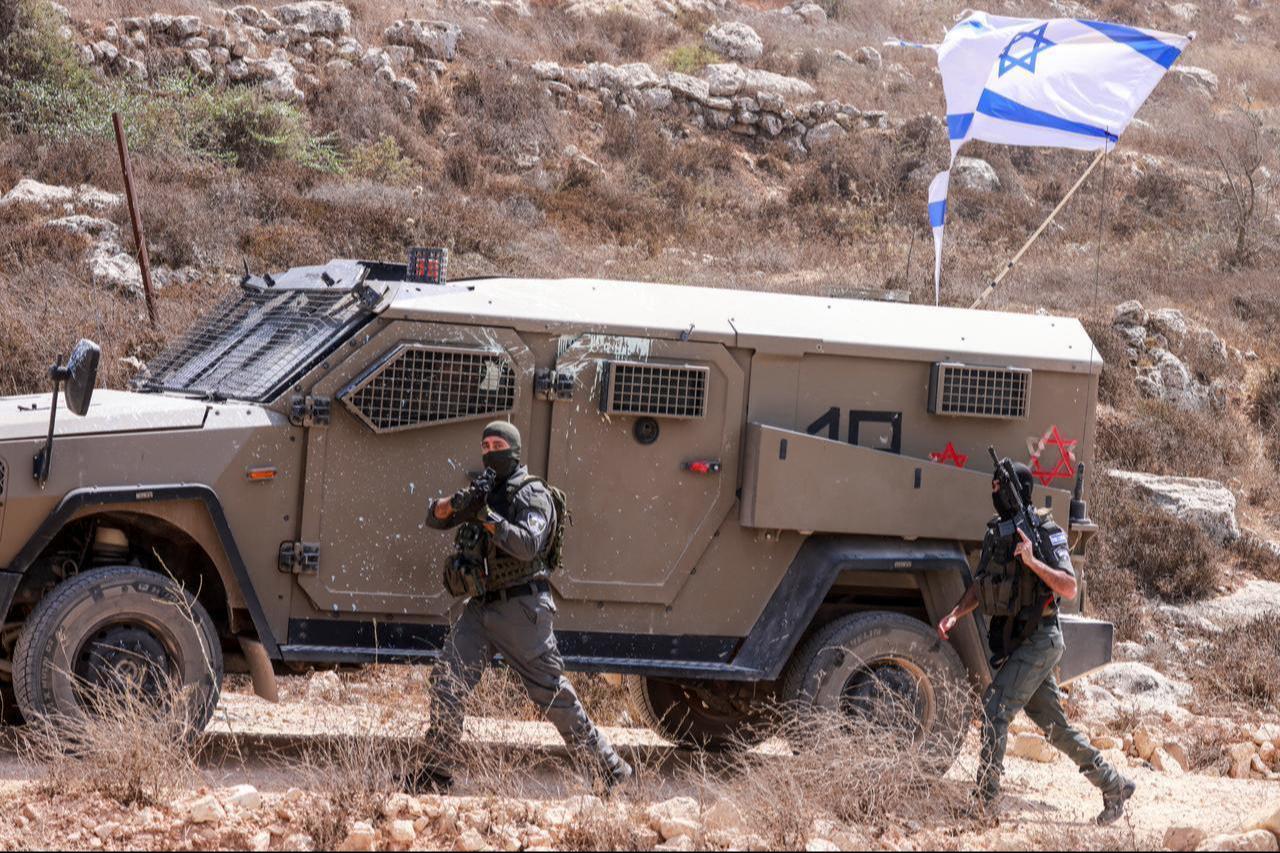
The regional fallout was already extending far beyond Gaza. Hezbollah began exchanging fire with Israel from Lebanon on Oct. 8, 2023, while the long-running Israel-Iran shadow conflict also moved into direct confrontation in 2024, with Iran launching large-scale missile and drone attacks on Israel and Israel carrying out strikes on Iranian territory.
For Türkiye, however, nowhere did these shifting security dynamics become more immediate than in Syria.
Following the fall of Bashar al-Assad in December 2024, Türkiye backed efforts to consolidate the new government in Damascus and expanded security cooperation with Syria. Israel, meanwhile, intensified strikes on Syrian military sites and sought to prevent capabilities it considers threatening from emerging near its borders.
In April 2025, Turkish and Israeli officials opened technical talks in Azerbaijan to create a deconfliction channel after Israeli strikes hit Syrian air bases that Turkish teams had inspected as Ankara considered deeper defense cooperation with Damascus. Both countries publicly said they did not seek a direct confrontation.
The problem has not disappeared.
In August 2026, an Israeli strike on the Abu al-Duhur air base—which Israel said was about to host Turkish troops, a claim Türkiye denied—again triggered sharp warnings between the two sides.
For Alptekin, such incidents have changed the way Türkiye must think about Israel as a security actor. Israeli operations in Syria and Lebanon, combined with Israeli rhetoric toward Ankara, mean Türkiye has to prepare for the possibility that Turkish personnel or interests in neighboring countries could be affected, he noted.
Onder is more cautious about describing this as a new Turkish doctrine specifically aimed at Israel. Instead, he sees Oct. 7 and Israel’s response as a lesson in how modern wars are fought.
The attack demonstrated, he said, that even a state with advanced intelligence, border surveillance and military technology can remain vulnerable to low-cost asymmetric and hybrid attacks.
Israel’s response then showed another trend: rather than waiting for threats to reach its borders, it sought to shape the territory from which those threats might emerge.
For Türkiye, Onder said that reinforces the importance of air defense, unmanned systems, electronic warfare, intelligence-surveillance-reconnaissance, long-range precision strike capabilities and cybersecurity.
But the deeper shift is conceptual.
“Modern security is not only about protecting borders but also about shaping the threat environment beyond the borders,” he said.
That logic makes Syria especially important. It is simultaneously a neighboring state whose stability Ankara considers vital and a theater in which Israeli and Turkish security calculations now intersect.
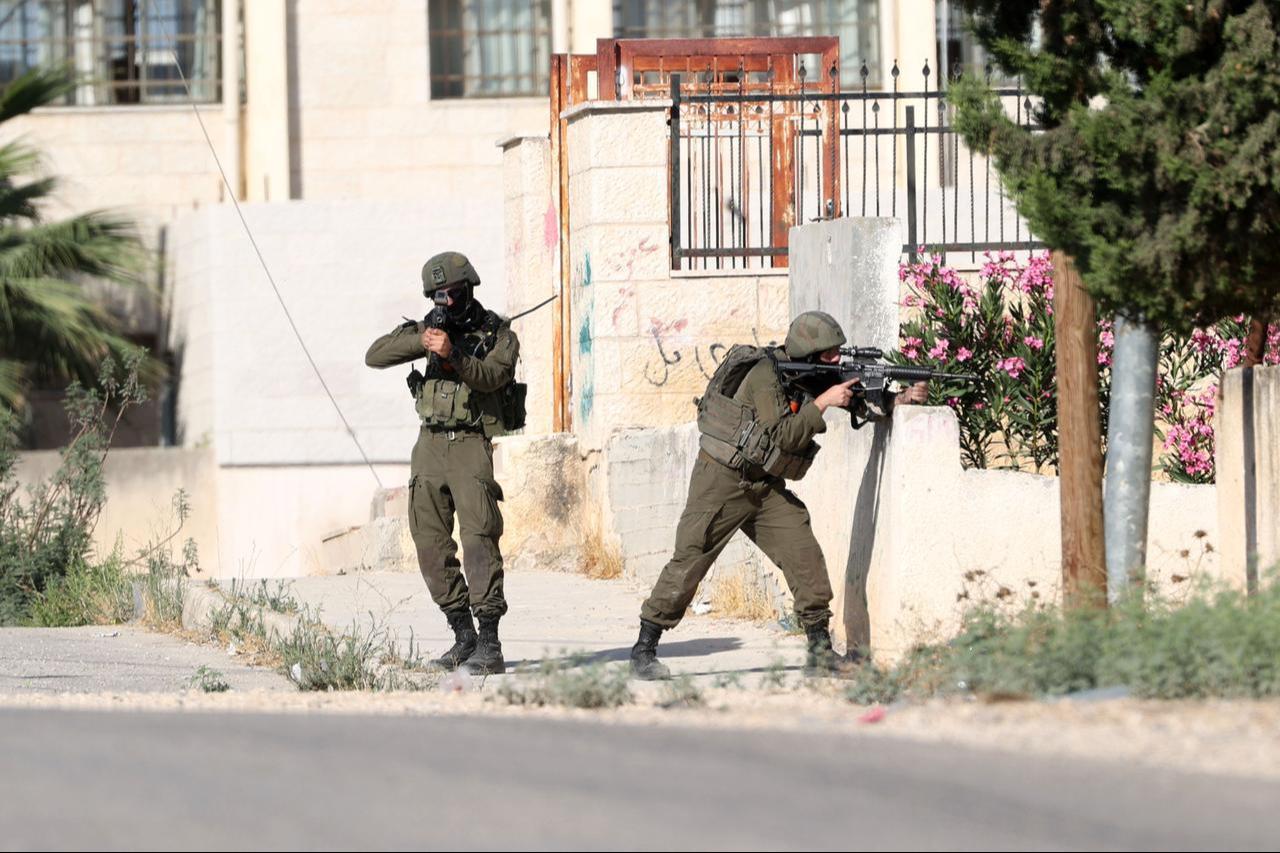
Alptekin argues that the political movement represented by Netanyahu and figures such as Itamar Ben-Gvir and Bezalel Smotrich can no longer be treated as an isolated fringe in Israeli politics. A change in government, he said, therefore would not necessarily produce an equivalent change in policy.
Onder reaches a similar conclusion from a different angle. He argues that Israel’s post-Oct. 7 threat perception toward Hamas, Iran, Syria and armed regional groups has become structural. A different prime minister might change the tone, but not immediately change the strategic assumptions underlying Israeli policy.
This is why he believes the critical distinction is not between “normalization” and “conflict,” but between uncontrolled escalation and what he calls “managed competition.”
Syria would be one arena. Defense technology would be another. A third would be the network of regional partnerships around both countries, including Israel’s ties with Greece and the Greek-Cypriot and Türkiye’s own expanding defense and diplomatic relationships.
The more plausible contest, Onder said, is over influence, security arrangements, military access, diplomatic coalitions and the rules of the emerging regional order.
Israel votes on Oct. 27 in its first parliamentary election since the Oct. 7 attacks. Netanyahu is again campaigning heavily on security, even as the 2023 attack remains central to the debate over his record. His main challengers are also operating in a political environment transformed by three years of war and regional confrontation.
If Netanyahu returns, Uzer expects bilateral relations could deteriorate further, citing the deep lack of confidence between the Israeli and Turkish leaderships.
Yet he also believes a new prime minister could produce some easing, even if it would fall far short of bringing broader peace to the region.
Alptekin similarly sees something distinctive about Netanyahu even while arguing that the underlying Israeli political shift runs deeper than one leader. A successor without Netanyahu’s political baggage, he said, could create more room for international pressure and eventually for changes that would affect relations with Türkiye.
Onder is more restrained. A new Israeli government, he said, may reopen channels and soften the diplomatic language, but Gaza, Syria, Iran, the Eastern Mediterranean and regional influence would remain points of friction.
The best-case near-term outcome, in his view, may therefore be not a return to the old normalization process but a mechanism that keeps rivalry from turning into confrontation.
Gaza may provide the first test.
Türkiye joined the U.S.-led Board of Peace in early 2026, alongside Egypt, Jordan, Qatar, Saudi Arabia, the UAE, Pakistan and Indonesia. The body is intended to support the transition envisioned in Washington’s Gaza plan, including reconstruction and a future stabilization arrangement.
Yet one year after the ceasefire, implementation has stalled: an international stabilization force has still not been assembled, reconstruction remains limited, and disputes over Hamas’ weapons and Israeli withdrawal remain unresolved.
Uzer believes Türkiye could play a substantial role through reconstruction and potentially peacekeeping.
Onder agrees that Ankara wants to be inside the postwar architecture, but draws an important distinction between membership in the diplomatic mechanism and the ability to secure the operational role Türkiye wants on the ground.
Israel, the United States, Egypt, Qatar and other actors will all shape that outcome.
That is where the story of Oct. 7 leads three years later.
The attack broke Israel’s old assumptions about deterrence. The war that followed broke Türkiye and Israel’s fragile normalization. What has emerged in its place is not yet open confrontation, but something harder to unwind: two regional powers increasingly calculating around each other.
Israel’s election may change the faces managing that relationship.
But Gaza, Syria and the new regional security order will determine whether it changes the relationship itself.


 Set as preferred source
 Set as preferred source


 2 min read
 1 min read