Newsletters


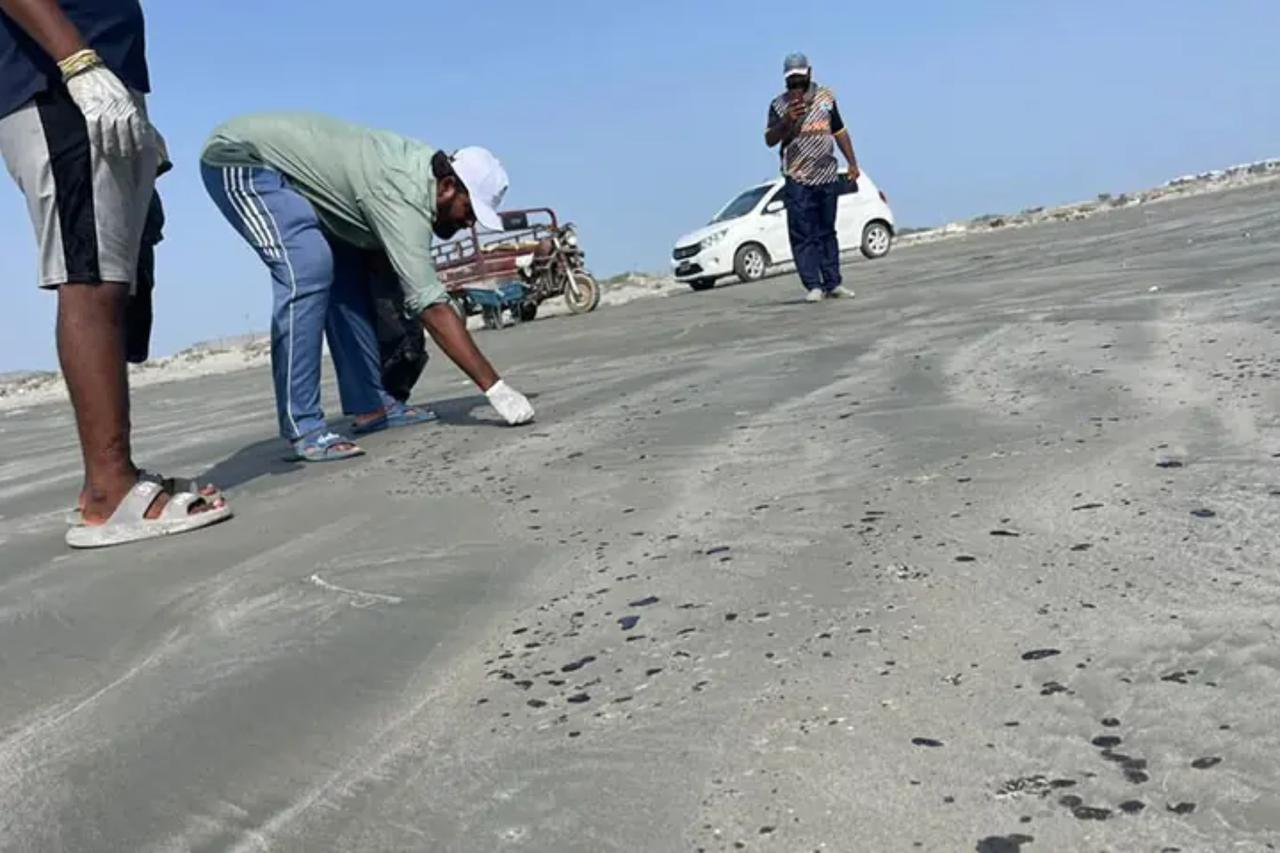


What began as a distant war between the U.S. and Iran in the waters of the Strait of Hormuz is now visibly reaching South Asia, spilling onto Pakistan’s doorstep.
In the southwestern city of Gwadar, a thick layer of crude oil, likely spilled from tankers hit by the U.S. and Iranian strikes in and around the Strait of Hormuz, has covered a vast stretch of the coast, posing a serious threat to marine life and the local fishing communities.
The government authorities and marine biologists are still trying to find out the exact cause and origin of the oil spill, focusing on three possibilities—all linked to the U.S.-Iran war.
According to Abdul Rahim, a marine scientist associated with the Gwadar Development Authority, the spilled oil may have reached Gwadar’s coast via a key Arabian Sea shipping route about 200 nautical miles off Pakistan’s shoreline, which is linked to the Strait of Hormuz.
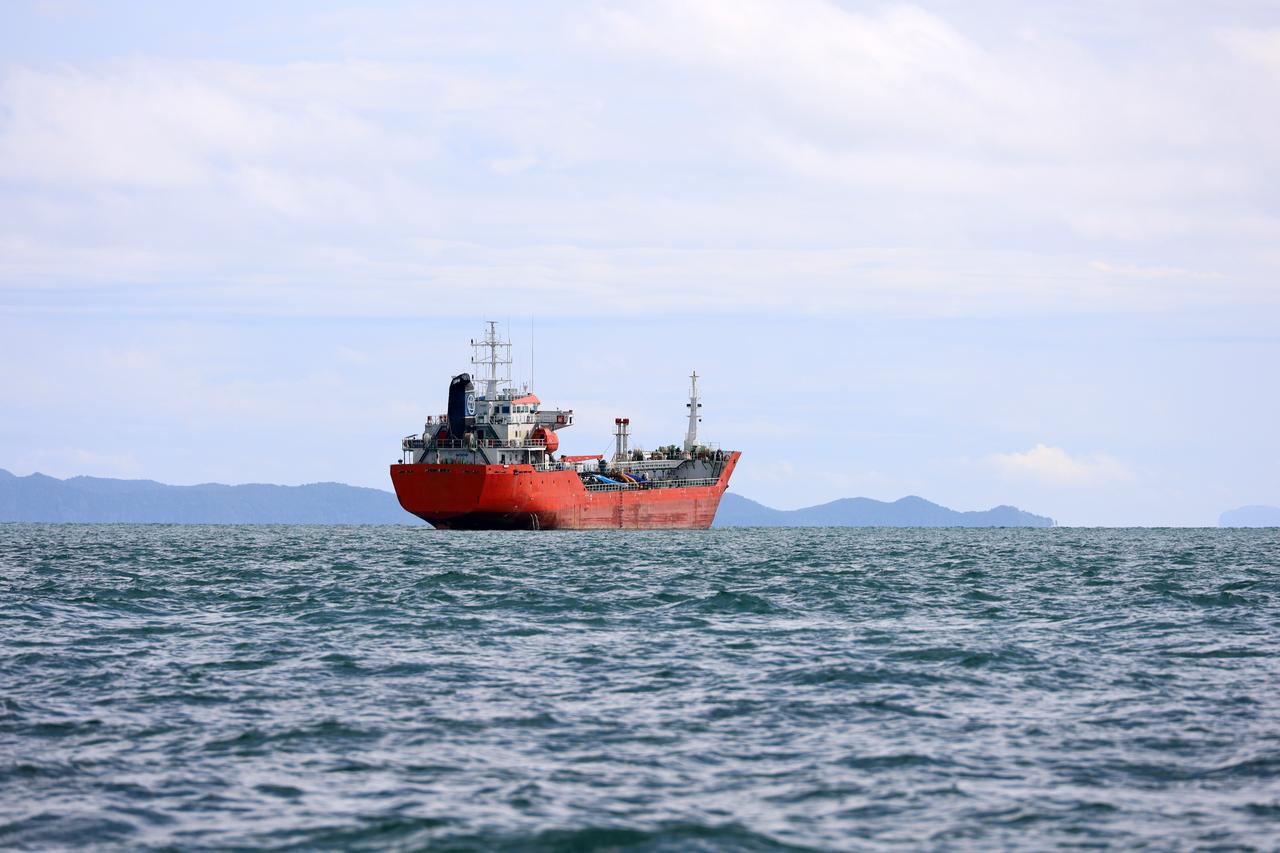
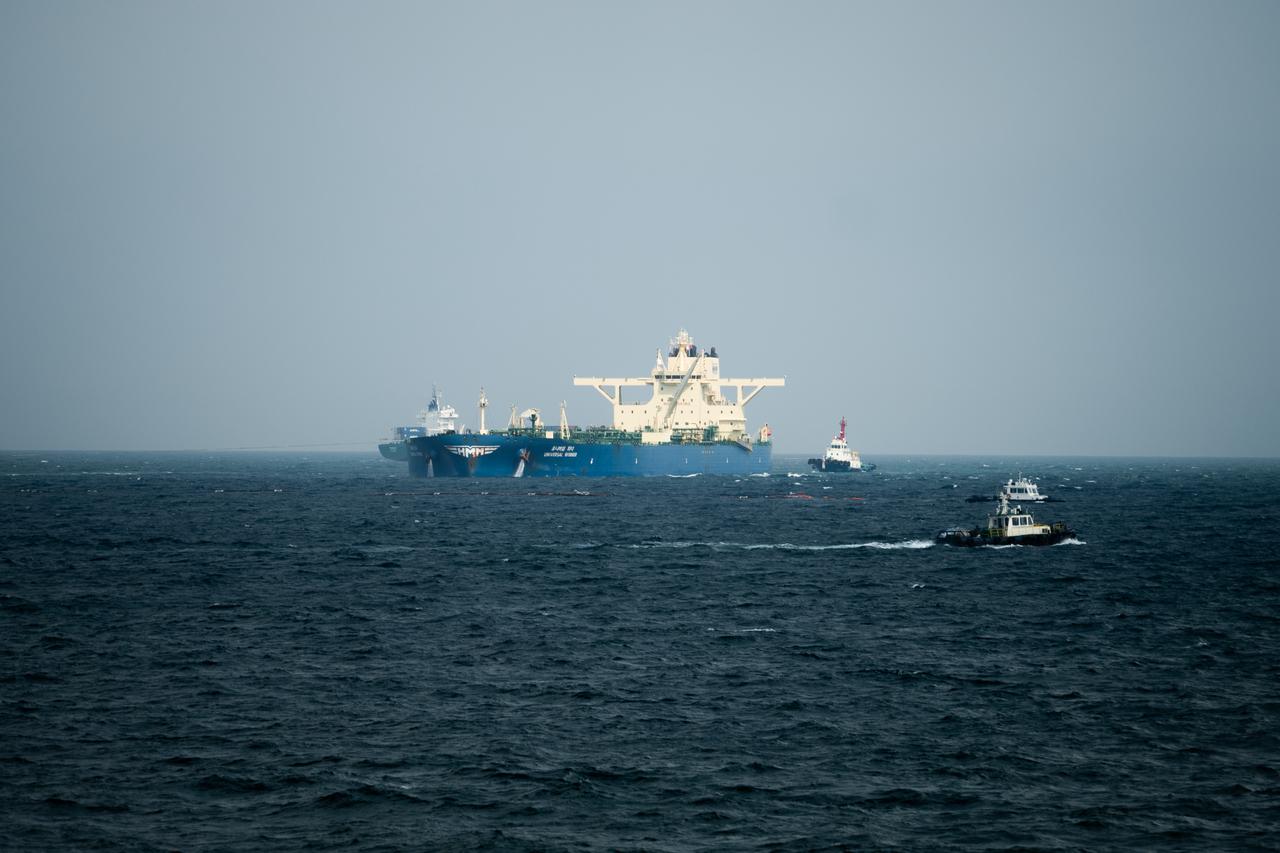
The second possibility, he told Anadolu, could be the leakage from oil tankers, which tried to cross the Strait of Hormuz and were targeted by the US or Iranian forces.
The third origin, he told Anadolu, could be Kharg Island—Iran's primary oil export hub—which was bombed by the U.S. and Israel.
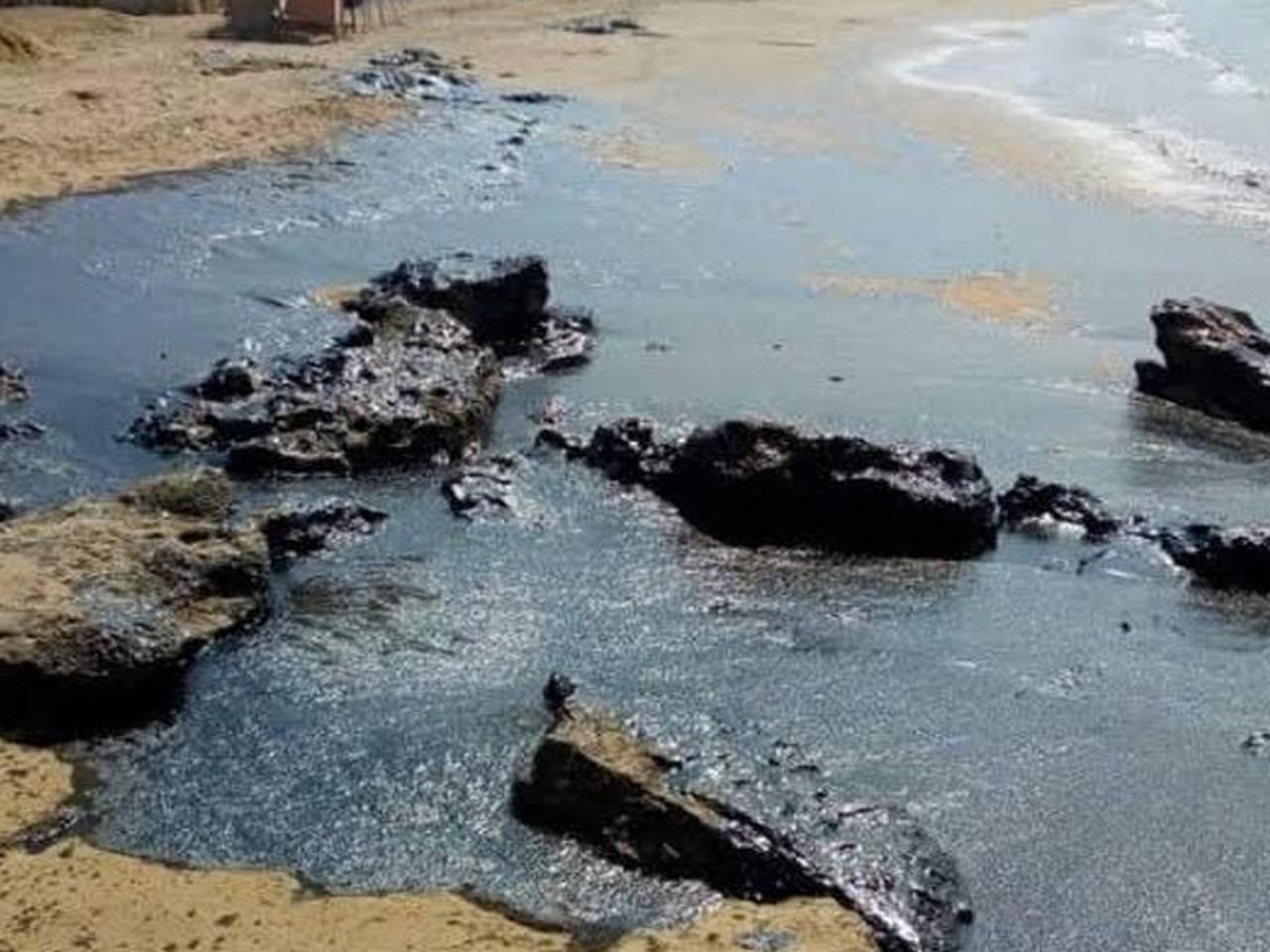

"We have collected water and sand samples to trace the possible source of the oil spill and its impact on the marine environment through carbon monitoring and remote sensing," Rahim said, adding that the oil layer has covered a 20-kilometer (12.43-mile) stretch of Gwadar's west coast. The results are expected this week.
According to him, westerly winds, coupled with sea currents, have pushed the spilled oil toward Gwadar's coast.
Sharing a similar view, Muhammad Asghar, a senior official of Balochistan's Environment and Climate Change Department, said that an investigation is underway to find out the real source of the oil spill, without ruling out the possibility of its linkage with the latest hostilities in the Strait of Hormuz.
"We are not ruling out the possibility of any factor. It could be the US-Iran war or an informal oil trade with Iran," he said, referring to the illegal smuggling of petroleum products from Iran into Balochistan that has been taking place for decades.
The Strait of Hormuz has been reopened to commercial shipping after being effectively restricted for several weeks amid the U.S.-Iran conflict.
The narrow waterway, through which around one-fifth of global oil and LNG trade normally flows, had seen severe disruptions to maritime traffic during the escalation.
The demand for cheaper smuggled Iranian oil has surged in recent months as a result of the disruption of oil flows after the U.S.-Israeli war against Iran.
Gwadar is a key route of the multi-billion-dollar Belt and Road Initiative, which aims to connect China to Central Asia and Europe through a network of roads, railways, and pipelines for cargo, oil, and gas transportation.
With its 600-kilometer coastline, Gwadar is an important deep-seaport currently operated by China.


 Set as preferred source
 Set as preferred source


 1 min read
 1 min read