

 Newsletters


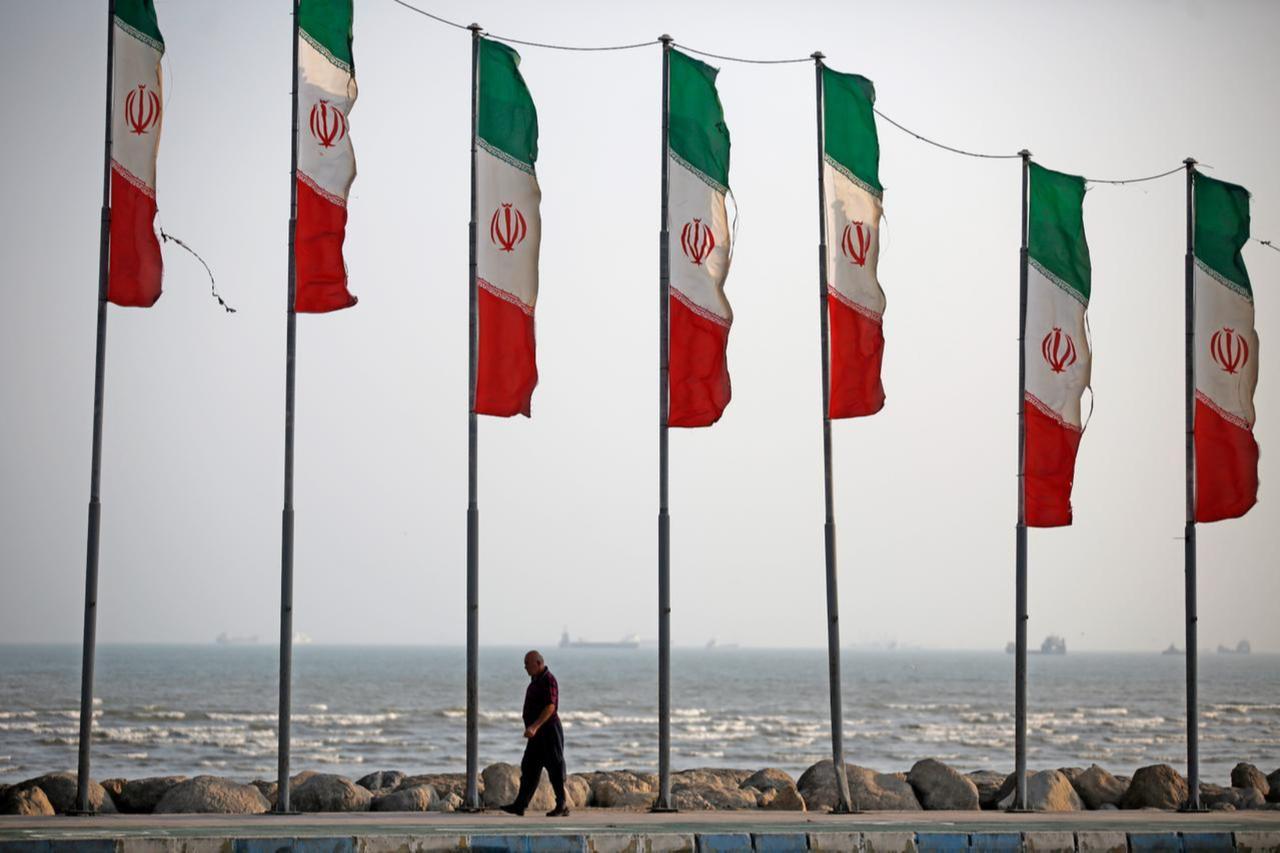


Oman's Foreign Minister Badr al-Busaidi and German Foreign Minister Johann Wadephul discussed efforts to restore freedom of navigation in the Strait of Hormuz and the Red Sea, along with broader steps to ease regional tensions, during a phone call, Oman's Foreign Ministry said in a statement.
The two ministers exchanged views on regional issues of shared concern, with particular focus on steps needed to re-establish freedom of navigation in the two waterways, according to the ministry.
They also underscored their support for efforts to prevent escalation and de-escalate tensions as a means of promoting lasting security and stability in the region.
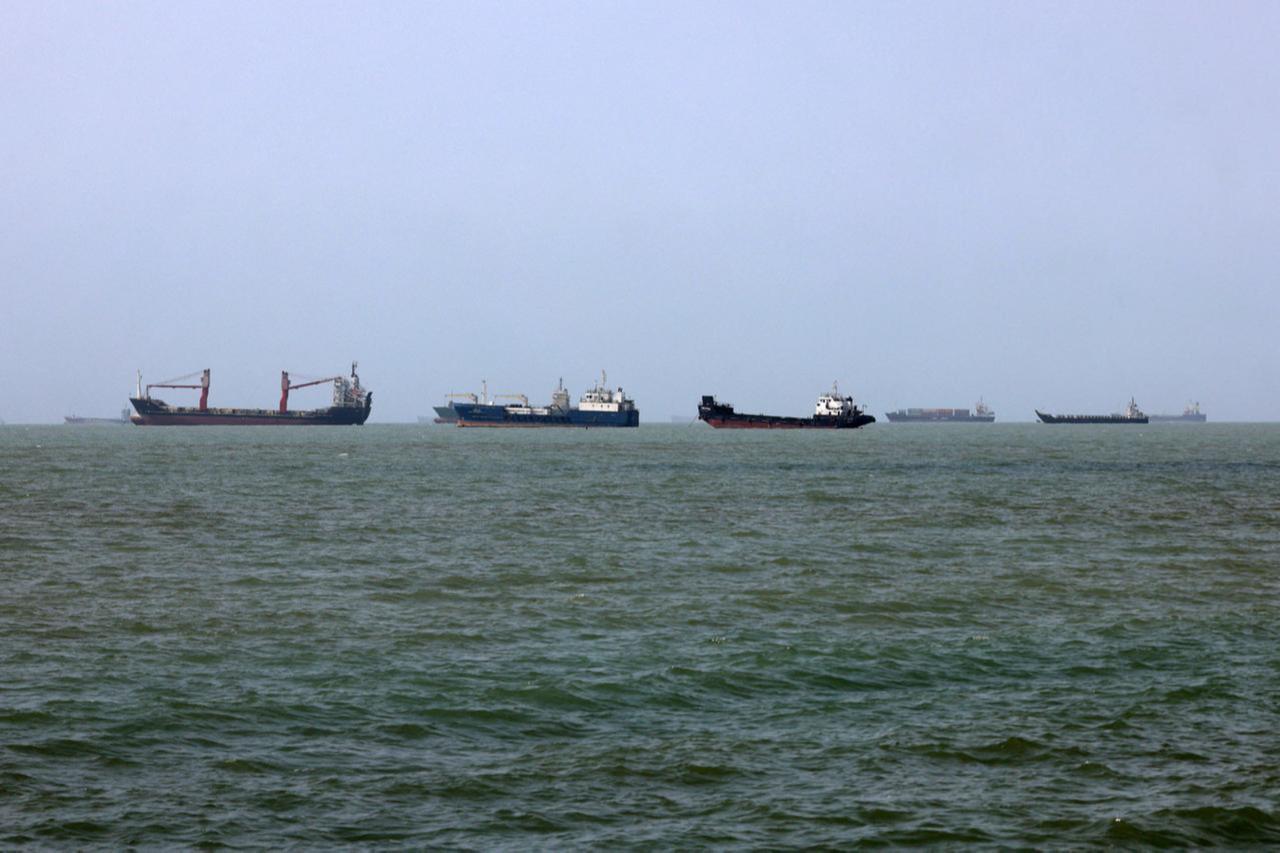
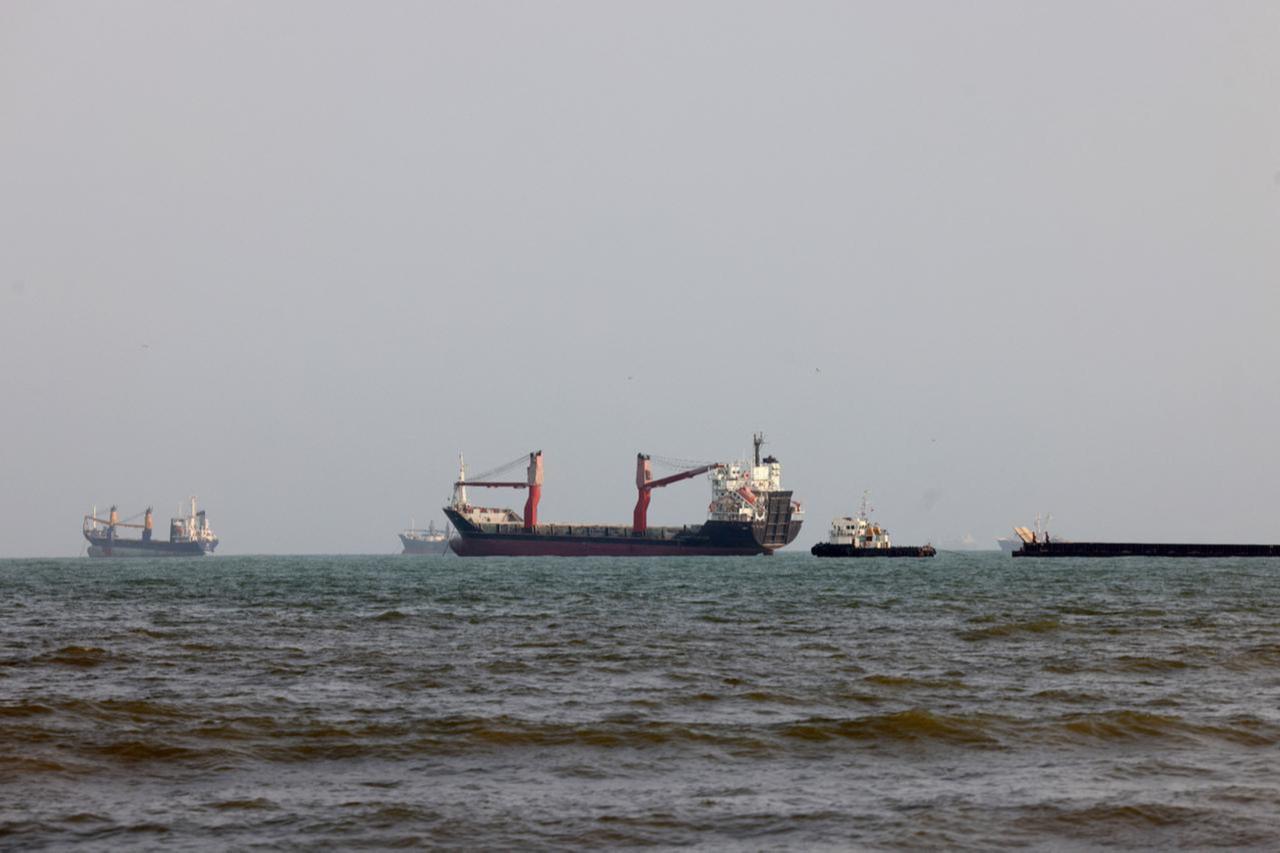
The Strait of Hormuz, a narrow waterway critical to global oil exports and supply chains, was closed after the United States and Israel launched strikes on Iran on February 28, 2026.
Iran responded with attacks on sites in Gulf countries that it described as "US and Israeli targets," before a ceasefire was reached.
On June 17, 2026, Washington and Tehran signed what was called the "Islamabad Agreement," under which the two sides agreed to halt military strikes and begin arrangements to reopen the Strait of Hormuz to maritime traffic.
However, disputes over the implementation of the agreement and over navigation through the strait later disrupted that process, and fighting resumed in July.
The strait, which separates Iran from the Arabian Peninsula, is one of the world's most important oil chokepoints, with a significant share of global seaborne crude exports passing through it.
Fighting in Yemen has escalated sharply since July, significantly altering the territorial control map on the ground.
Houthi forces have taken full control of Hudaydah province and pushed west of Taiz, seizing Red Sea coastal towns including Mokha as well as routes providing access to the Bab el-Mandeb Strait.
Following their capture of Mokha, a town in Taiz province on the Red Sea coast, Houthi forces also took control of the Hanish archipelago, Perim Island (Mayyun) and Dhubab, all located around the Bab el-Mandeb Strait. Control of these areas has markedly changed the dynamics of the conflict.
 1 min read
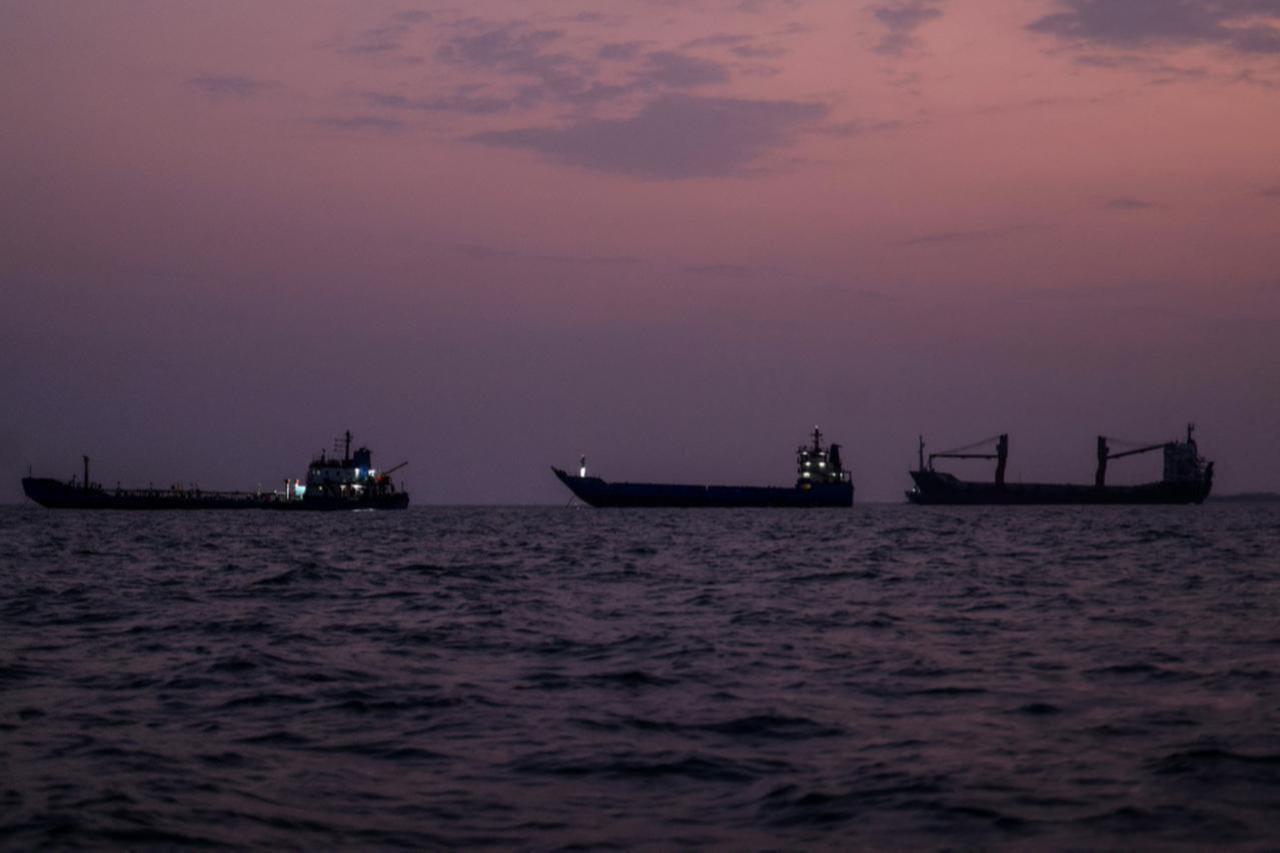
The Bab el-Mandeb Strait, like Hormuz, is a strategic passage for international shipping, linking the Red Sea to the Gulf of Aden. Disruptions to traffic through either waterway carry significant implications for global trade and energy markets, a concern reflected in the Oman-Germany talks.
Oman, which has positioned itself as a regional mediator, and Germany, a member of the European Union with economic interests tied to secure shipping lanes, reaffirmed their support for de-escalation efforts aimed at restoring stability in both areas, according to the ministry's statement.


 Set as preferred source
 Set as preferred source


 1 min read


