Newsletters


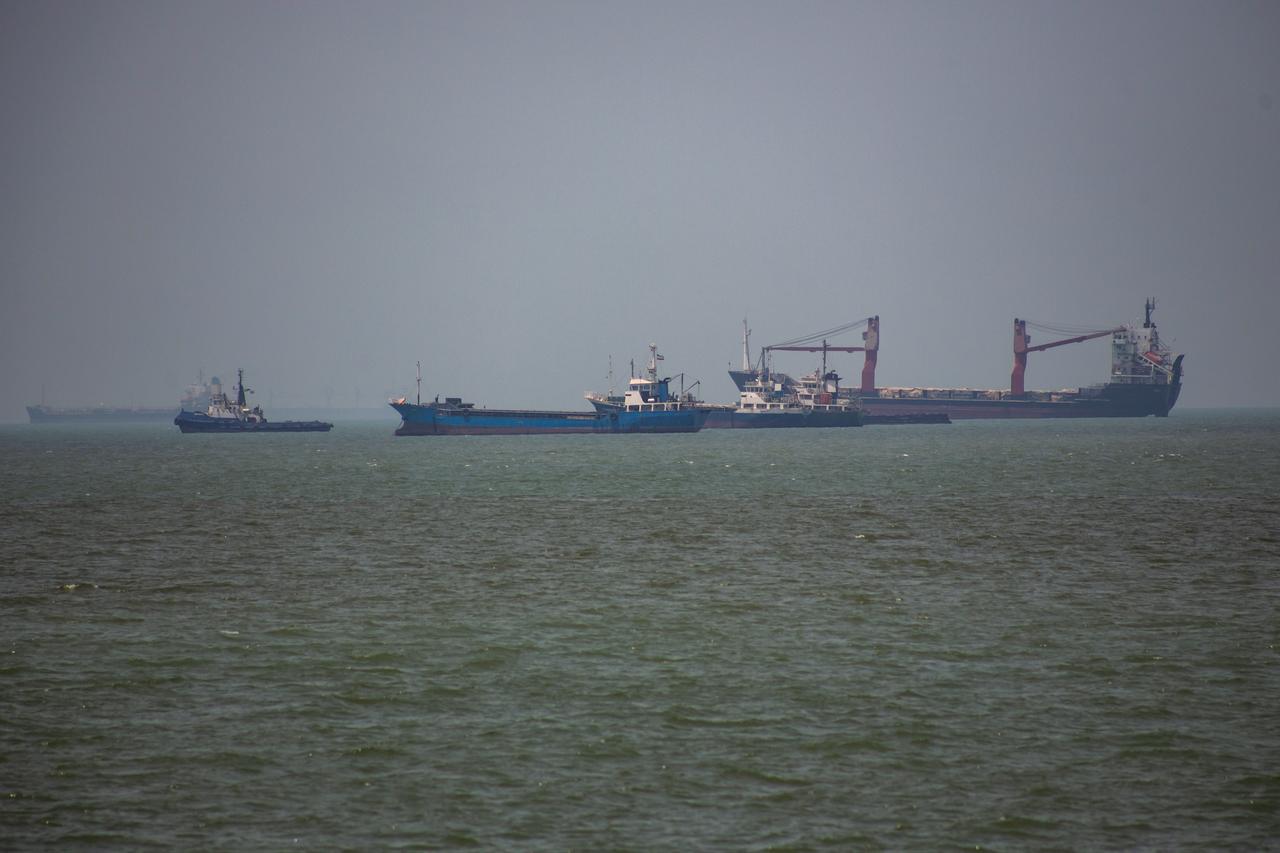


Oman announced Tuesday the opening of a temporary maritime corridor for vessels transiting the Strait of Hormuz, saying the move was aimed at supporting freedom of navigation through one of the world's most important shipping routes.
The corridor will be available to all vessels according to coordinates announced by the International Maritime Organization (IMO) and relevant Omani authorities, state media reported.
Ships wishing to use the route must coordinate with the IMO.
The measure was introduced in coordination with the IMO and in line with the outcomes of recent U.S.-Iran efforts related to navigation and regional stability, according to the Oman News Agency.
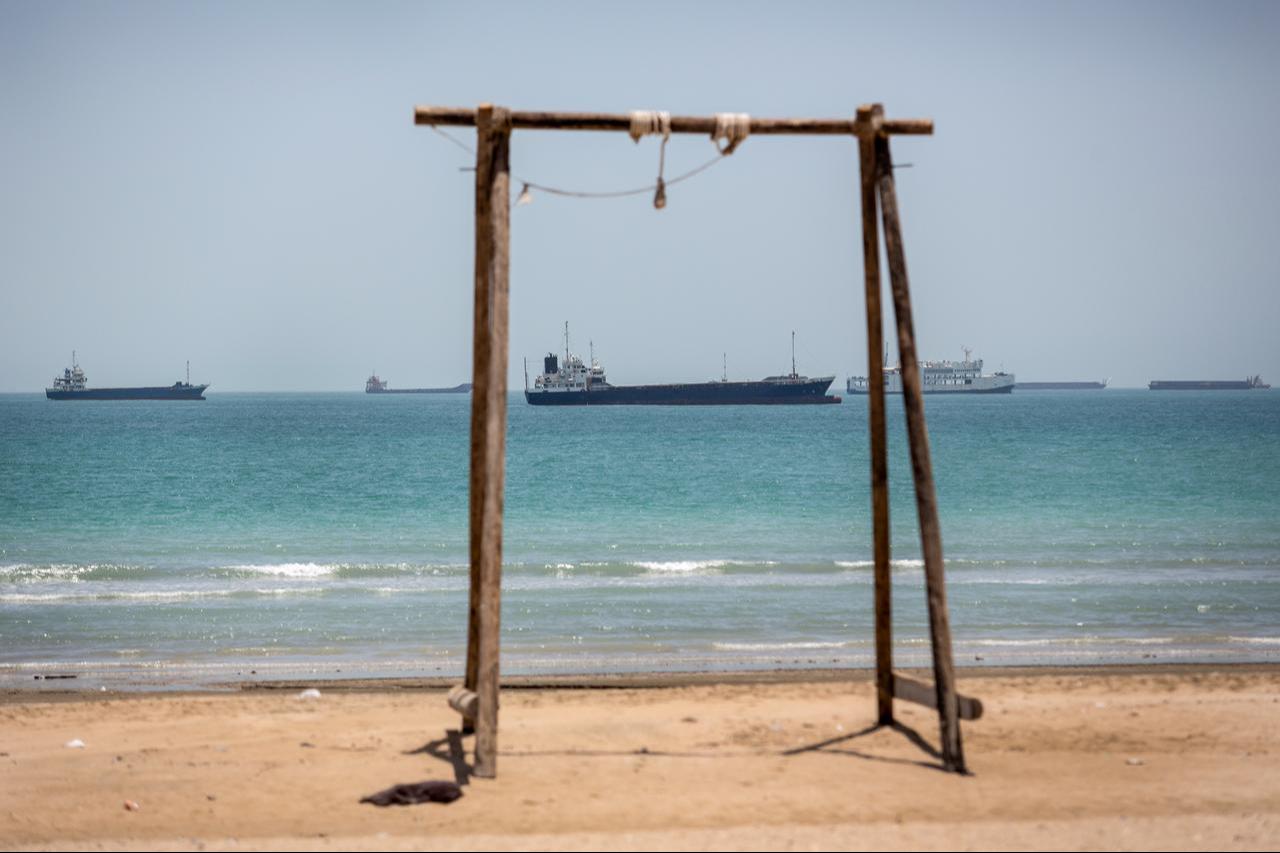

"Based on the Sultanate of Oman's responsibility toward the Strait of Hormuz and its importance to the global economy, and in accordance with its firm commitment to international law and the law of the sea, ensuring freedom of navigation in the strait without imposing transit fees, Oman has worked in coordination with the International Maritime Organization to provide the option of using a temporary maritime corridor for all vessels," the report said.
The Strait of Hormuz is a strategic waterway connecting the Gulf and the Gulf of Oman.
Oman's announcement came as Muscat and Tehran continued consultations on future navigation arrangements in the strait.
Earlier Tuesday, Oman and Iran announced the formation of "a joint working group" to negotiate the future management of navigation in the Strait of Hormuz.
The group will also discuss maritime services to be provided there and related costs, in coordination with other Gulf littoral states and in accordance with international law and the sovereign rights of states bordering the waterway.
Under clause 5 of the Islamabad Understanding, Iran will hold dialogue with Oman on the future administration of the Strait of Hormuz and the maritime services to be provided there.
The clause also says the talks should take place in coordination with other Gulf littoral states and in accordance with international law and the sovereign rights of states bordering the strategic waterway.
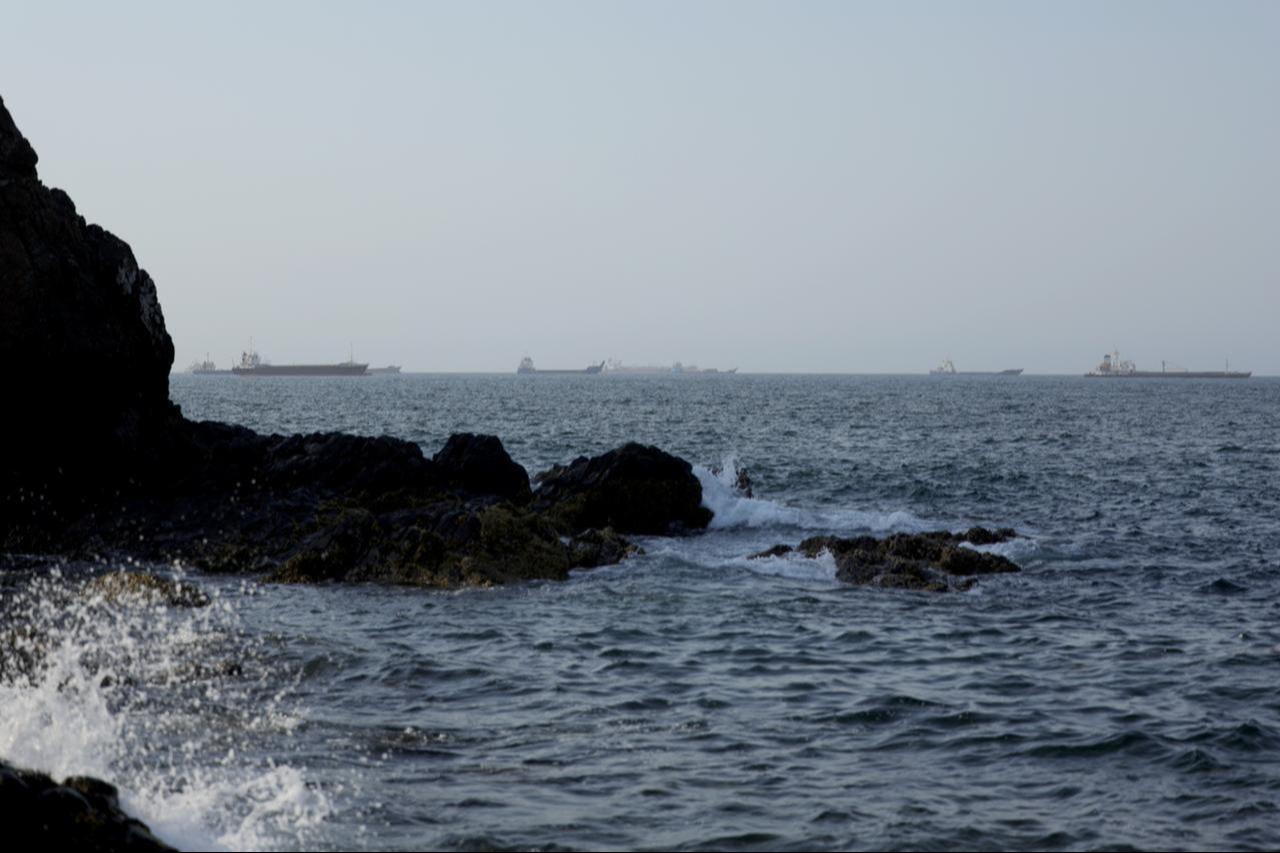
According to the memorandum, Iran committed to making its utmost efforts to ensure the safe and toll-free passage of commercial vessels between the Gulf and the Gulf of Oman for a period of 60 days.
The memorandum also says commercial shipping should resume immediately.
Iran and the U.S. announced on June 14 that they had reached a 14-point understanding mediated by Pakistan, aimed at ending the war and addressing outstanding disputes through dialogue and negotiations.
The memorandum, known as the Islamabad Understanding, entered into force on June 18 after being electronically signed by Iranian President Masoud Pezeshkian and U.S. President Donald Trump.
The agreement includes provisions related to ending the war, including in Lebanon, reopening the Strait of Hormuz and lifting the U.S. naval blockade imposed on Iran.
Oman's temporary corridor announcement follows the entry into force of the understanding and the continued discussions between Oman and Iran over the future administration of the Strait of Hormuz.


 Set as preferred source
 Set as preferred source


 1 min read
 1 min read