Newsletters


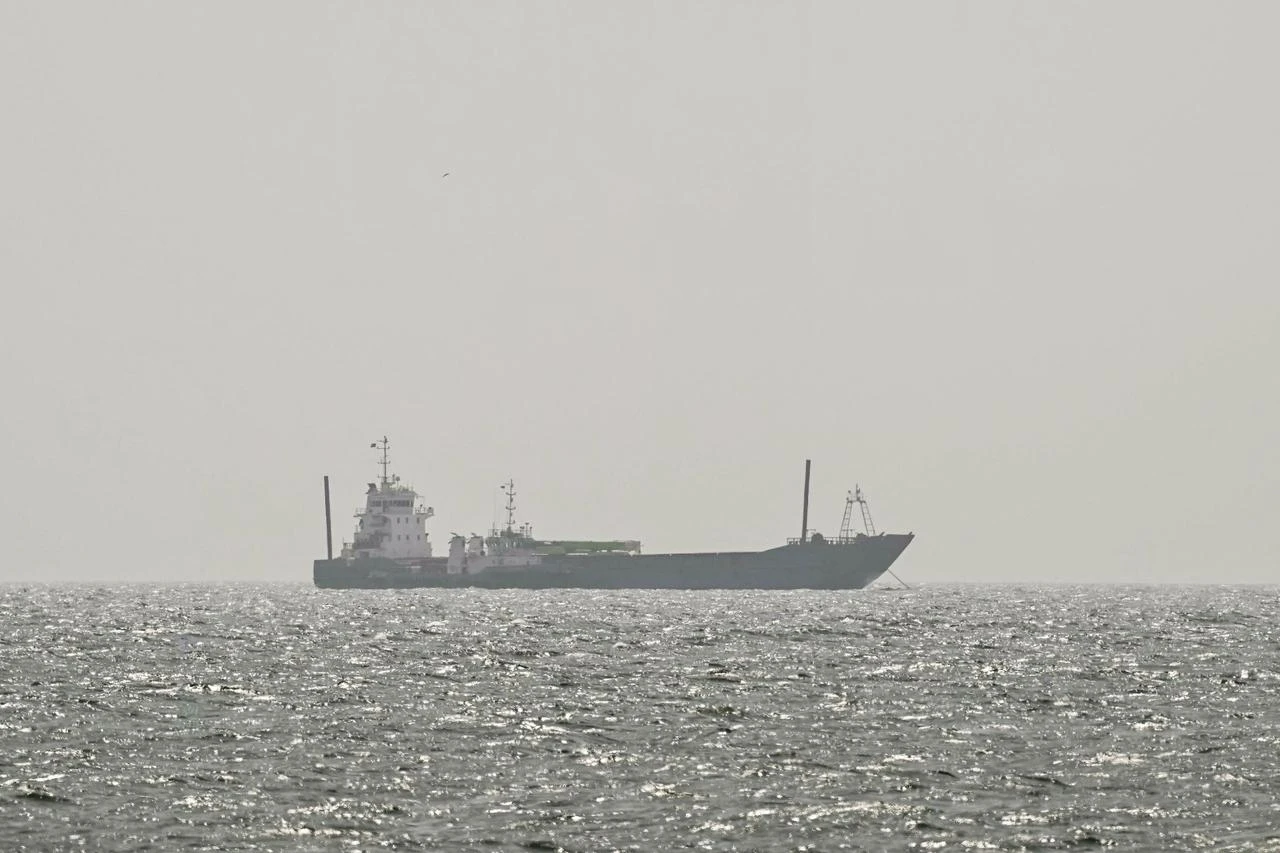


Oman warned that attacks on commercial vessels could jeopardize negotiations over the Strait of Hormuz on Saturday, as Iranian President Masoud Pezeshkian asserted Tehran remains committed to the June memorandum with the U.S.
The Omani Foreign Ministry condemned repeated attacks on ships passing through the strait, describing them as violations of international law and the sovereignty of regional waters. It also warned that such incidents threaten maritime safety as well as regional security and stability.
The ministry urged all sides to avoid actions that could disrupt negotiations and stressed that discussions should continue in a way that reflects the interests of all parties.
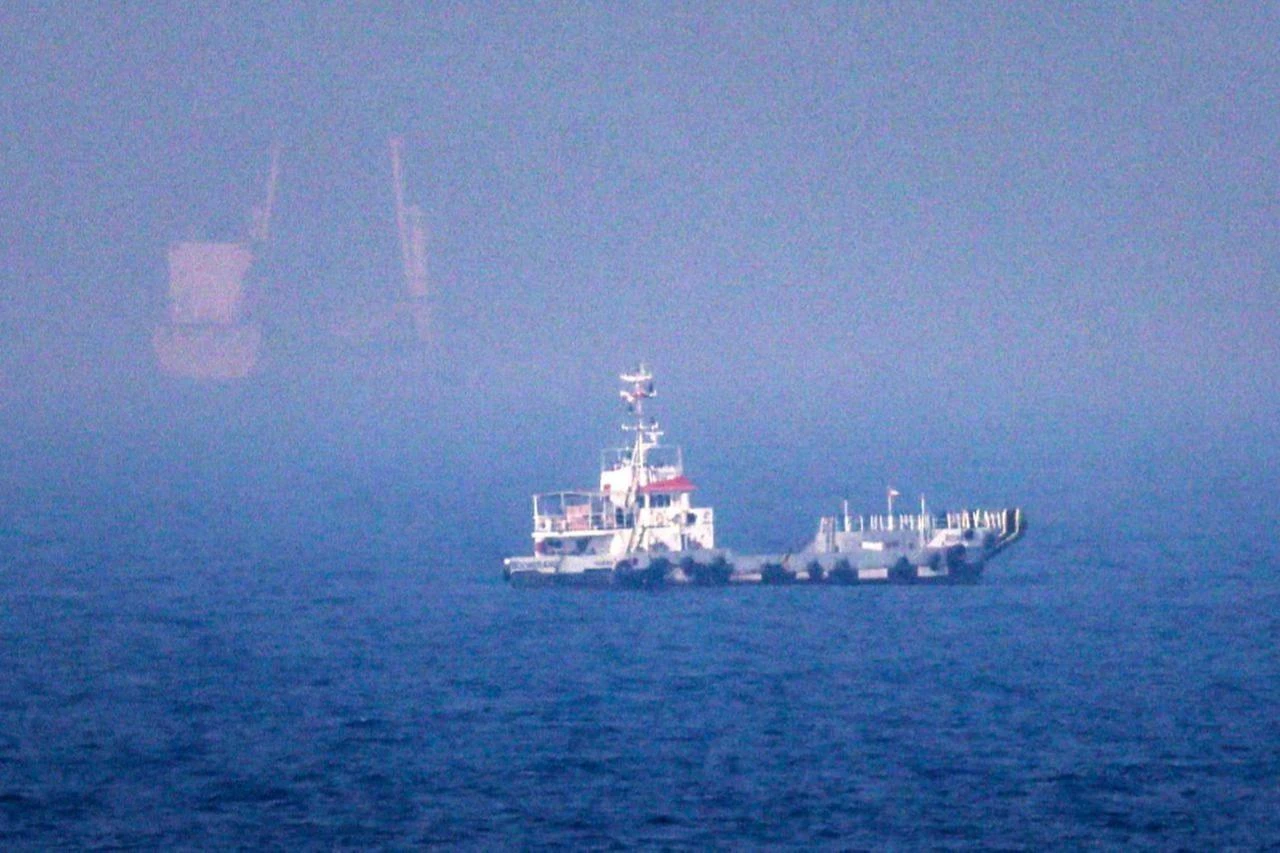
The statement came hours after the United Arab Emirates accused Iran of firing a missile at an Abu Dhabi National Oil Company (ADNOC) vessel transiting the Strait of Hormuz. ADNOC reported no injuries and said the situation was under control, while Iran had not publicly responded to the allegation.
Earlier in the day, Iranian Foreign Minister Abbas Araghchi also said Tehran and Muscat were "very close" to reaching an agreement on new shipping arrangements for the Strait of Hormuz.
The negotiations center on the legal framework and management of the strategic waterway, including the establishment of a new traffic route, Araghchi explained.
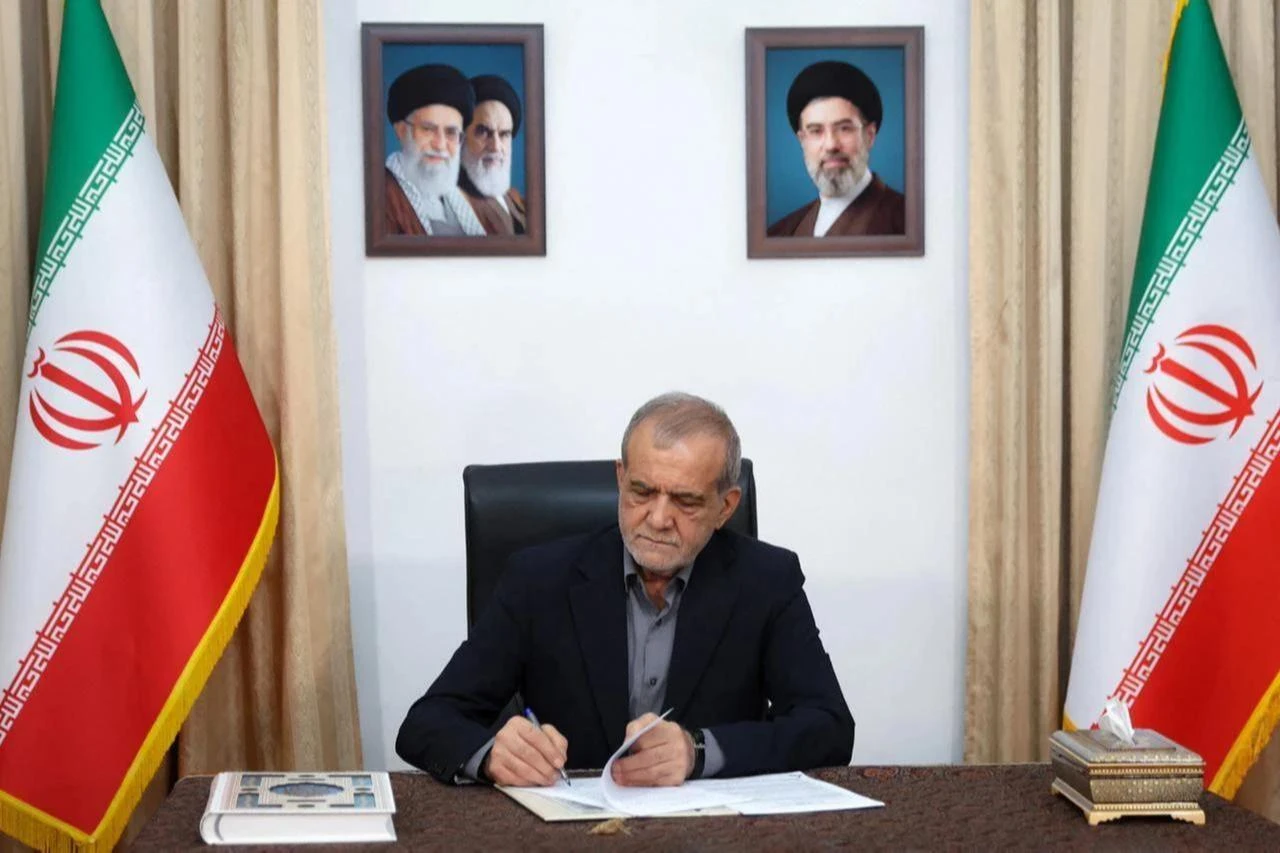
Iranian President Masoud Pezeshkian, meanwhile, defended Tehran's recent memorandum with the United States, arguing that diplomacy had not altered Iran's longstanding position toward Washington while describing the current moment as the "best time" to reach an agreement.
"When people talk about reaching an agreement, I believe now is the best time, because there is cohesion, strength and unity in the country. As far as I know, Iran is regarded as having emerged from this war and this conflict victorious and strong," Pezeshkian said during his second news conference since taking office.
He maintained that Iran sought "nothing beyond the rights of the country and its people" and that remaining disputes should be resolved through dialogue, stressing that wars alone could not settle differences.
"The U.S. is colonialist, the U.S. is criminal, and the Islamic Republic remains the Islamic Republic. There is no doubt about that," he said, arguing that negotiations had instead compelled Washington to engage with Tehran and reach an agreement.
"You will not find a single clause in the memorandum in which we gave anything away," he added, saying Tehran "stands firmly" behind the agreement while reaffirming his government's commitment to pursuing peace under the memorandum signed with Washington in June.
Pezeshkian also accused the U.S. of breaching the memorandum by pursuing alternative shipping routes through the Strait of Hormuz instead of following procedures to be jointly agreed with Oman.
He argued that any disputes should be handled through mechanisms established under the agreement and expressed hope the process would continue "with dignity and honor" for Iran.

U.S. Vice President JD Vance said Washington expects Iran to restore oil and gas flows through the Strait of Hormuz to pre-conflict levels and ensure safe passage for commercial shipping.
"Our expectation is you're going to see the same amount of oil and gas come out of the Gulf that you saw before the conflict started," Vance told Fox News, adding that while Iran had conveyed that intention, "we don't trust. We verify."
Vance also said the United States was monitoring Iranian remarks about possible tolls on vessels using the waterway. He noted that Iran had indicated it had no plans to impose such charges and that Washington would judge Tehran by its actions rather than its statements.
He added that Iran and Gulf states, particularly Oman, were discussing how to maintain safe maritime traffic after the conflict.
Demining operations and the creation of a secure traffic scheme remain key priorities, alongside assurances that commercial vessels will not come under fire, Vance stressed.


 Set as preferred source
 Set as preferred source


 1 min read
 1 min read