Newsletters


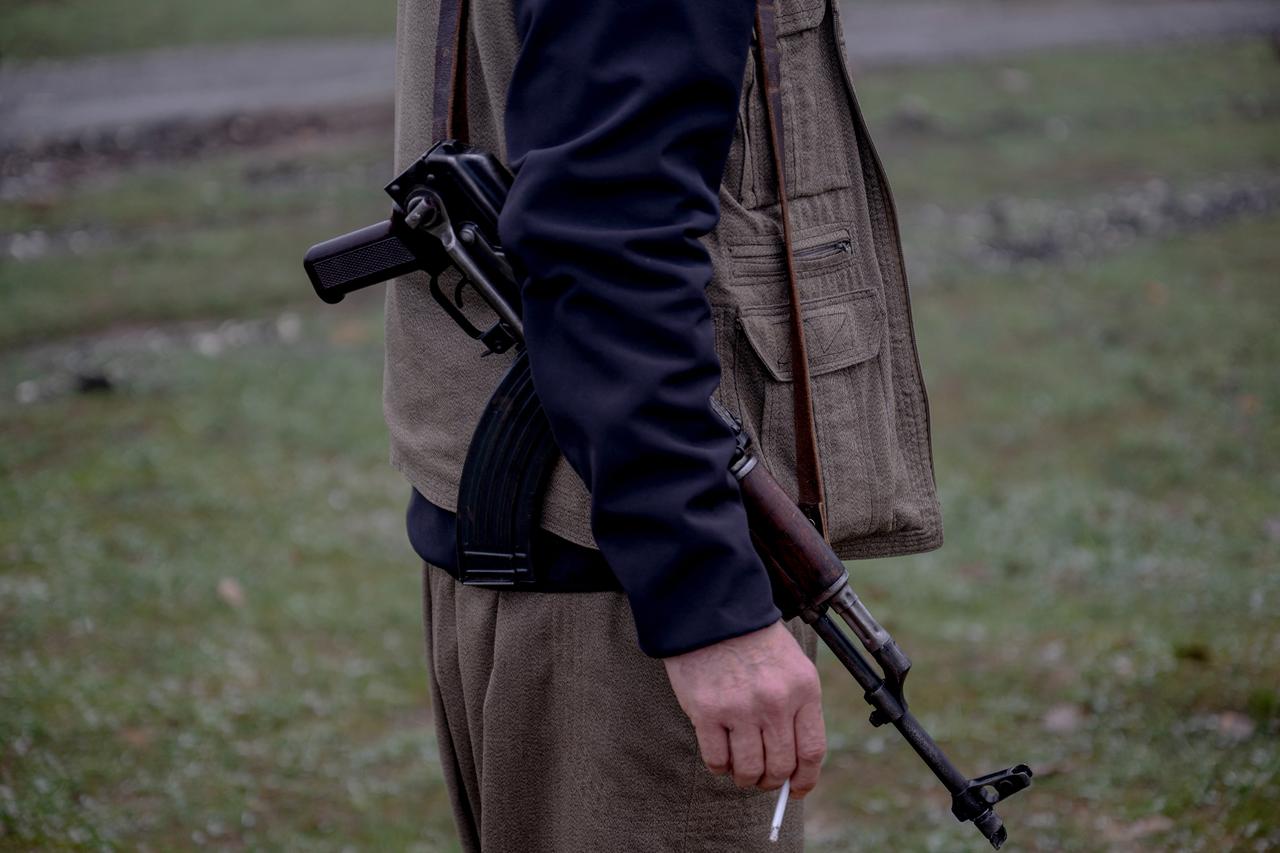


The spokesperson of PJAK, designated a terrorist organization by Türkiye and Iran, and linked internationally to the PKK, has demanded that U.S. President Donald Trump publicly name the Kurdish groups that received American weapons intended for Iranian protesters.
The statement follows Trump's repeated public claims that Kurdish intermediaries kept the arms for themselves rather than delivering them, and his declaration that he is "not happy with what happened with the Kurds."
PJAK spokesperson demanded on Thursday that Trump publicly disclose which Kurdish groups received American weapons intended for anti-regime protesters inside Iran, rejecting Trump's claim that Kurds had failed to deliver the arms.
"If America has given weapons to some forces, let it clearly announce to whom and to which political parties it gave weapons. Let no one threaten the Kurds and say 'we gave you weapons and you did not use them,'" the spokesperson said.
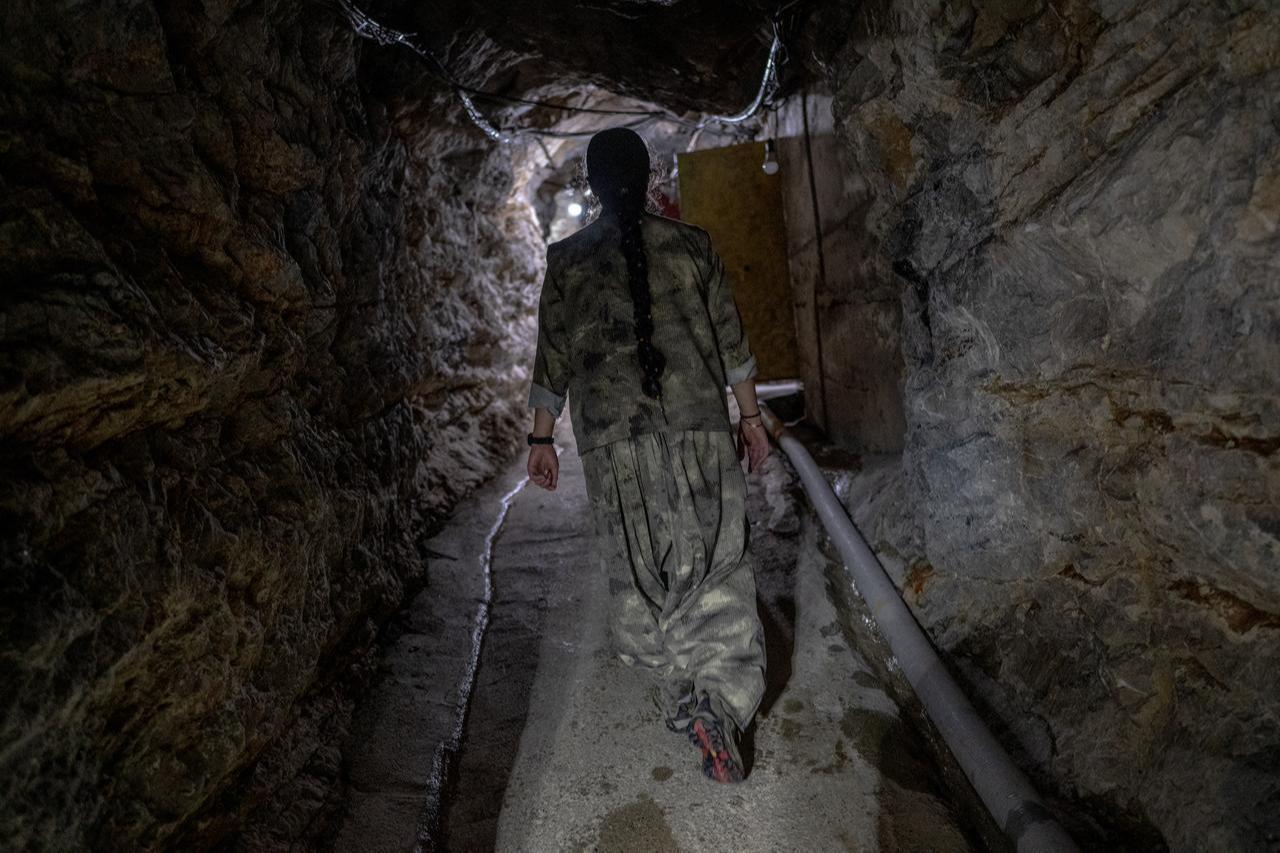

The terrorist group's spokesperson claimed that PJAK had not received weapons from any external power and challenged Trump to name his recipients directly.
"We, PJAK, say to Trump: 'You cannot accuse the Kurdish people of receiving weapons from you and not using them.' We are present in Iran and Rojhilat territories. We have power in the political and military fields. We have not received weapons from any force," the spokesperson said.
The PJAK spokesperson also called on other groups to come clean if they had received U.S. weapons, saying, "Kurdish parties should also clearly reveal if they have received weapons from America. The muddying of this situation is not in anyone's interest."
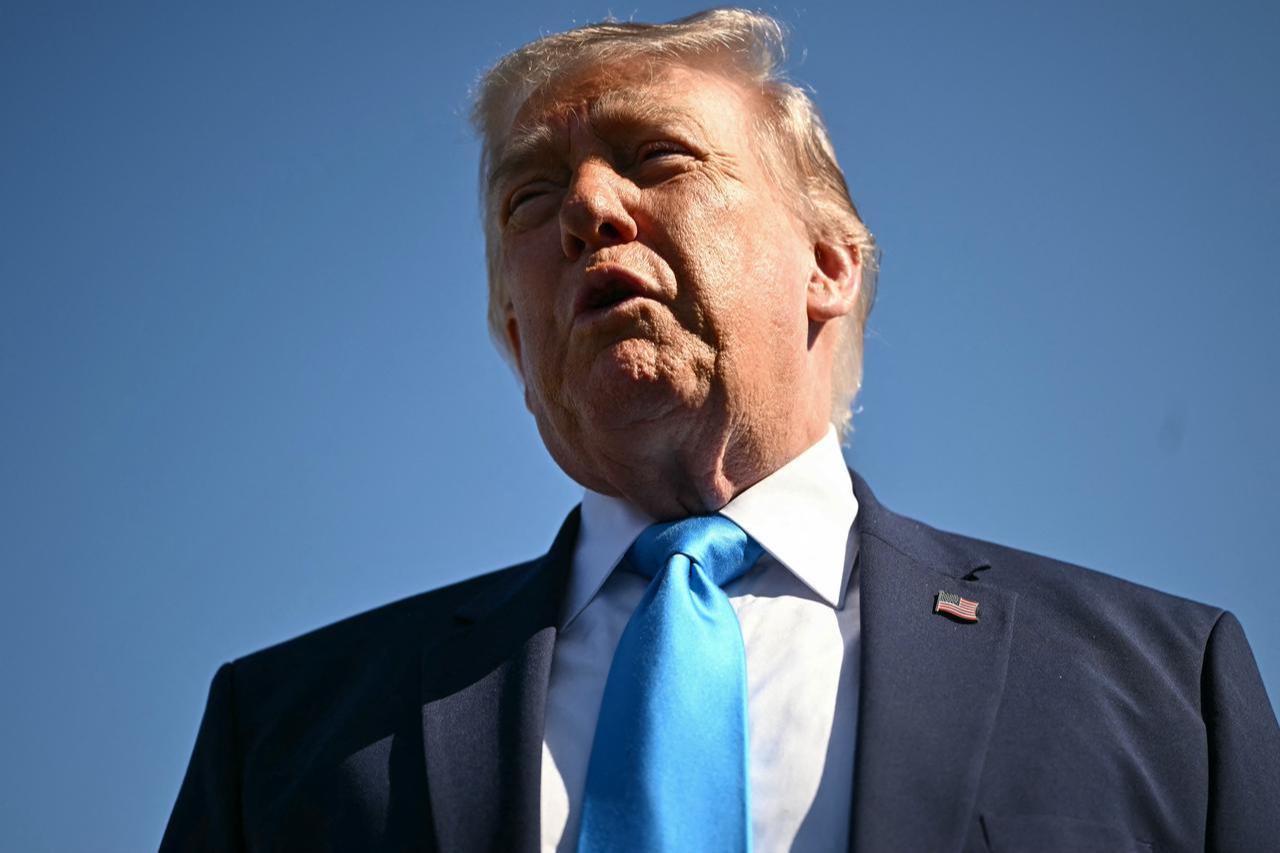
Trump first publicly confirmed the covert arms program on April 5, telling Fox News, "We sent guns to the protesters, a lot of them. And I think the Kurds took the guns."
He said the weapons had been sent through Kurdish groups based in Sulaymaniyah in northern Iraq. Trump repeated the claim publicly on subsequent occasions, each time expressing dissatisfaction with Kurdish groups.
"I'm not happy with what happened with the Kurds. They did not deliver the weapons," Trump said in his most recent remarks. When asked about the current whereabouts of the weapons, Trump said: "We'll see who has them."
Trump also told reporters: "The Kurds take, take, take. They have a great reputation in Congress. Congress says, 'Oh, they fight so hard.' They fight hard when they get paid."
The weapons were intended to support anti-regime demonstrations inside Iran amid the conflict that began when the United States and Israel launched a joint military offensive against Iran on Feb. 28.
That offensive killed more than 1,340 people, including then-Supreme Leader Ali Khamenei, and triggered a sustained Iranian campaign of drone and missile strikes against Israel, Jordan, Iraq and Gulf states hosting American forces.
The Kurdistan Democratic Party of Iran, based in northern Iraq, told the Middle East Eye (MEE) on May 12 that it had not been receiving or sending weapons.
Trump's public statements on Kurdish involvement have been contradictory.
In early March, days after the U.S. and Israel launched the war on Iran, Trump told Reuters he would back Kurdish forces to launch an offensive against Iran.
He subsequently reversed course, telling reporters aboard Air Force One: "We're very friendly with the Kurds, as you know, but we don't want to make the war any more complex than it already is. I don't want the Kurds going in. I don't want to see the Kurds get hurt, get killed."


 Set as preferred source
 Set as preferred source


 3 min read
 1 min read