Newsletters





A series of new polls suggest most Israelis do not see a clear victory in the war with Iran, while opposition to the U.S.-led ceasefire remains widespread, local media reported.
Surveys published Thursday indicate that only a minority believes Israel and the United States won the war. A Channel 13 poll shows 33% view the outcome as a victory for Israel and the U.S., while 28% believe Iran came out ahead.
Other polls reflect similar skepticism, with Channel 12 recording 30% and Kan 11 just 25% expressing confidence in a joint victory.
Public sentiment appears firmly tilted against halting the war. Across all three surveys, more than half of respondents oppose the ceasefire led by Washington and favor continuing military operations.
At the same time, perceptions of Israel’s broader position remain divided. In the Channel 13 poll, 37% of respondents say the country’s strategic standing has improved, while 34% believe it has deteriorated. Another 21% see no change, and 8% remain uncertain.
The findings pose a challenge for Prime Minister Benjamin Netanyahu, who has repeatedly framed the war as a turning point that would reshape the Middle East.
Public evaluations of his performance appear lukewarm. Respondents rated Netanyahu’s handling of the war at an average of 5.56 out of 10, reflecting a mixed assessment rather than strong approval. A similar score—5.36—was recorded when participants were asked how secure they currently feel.
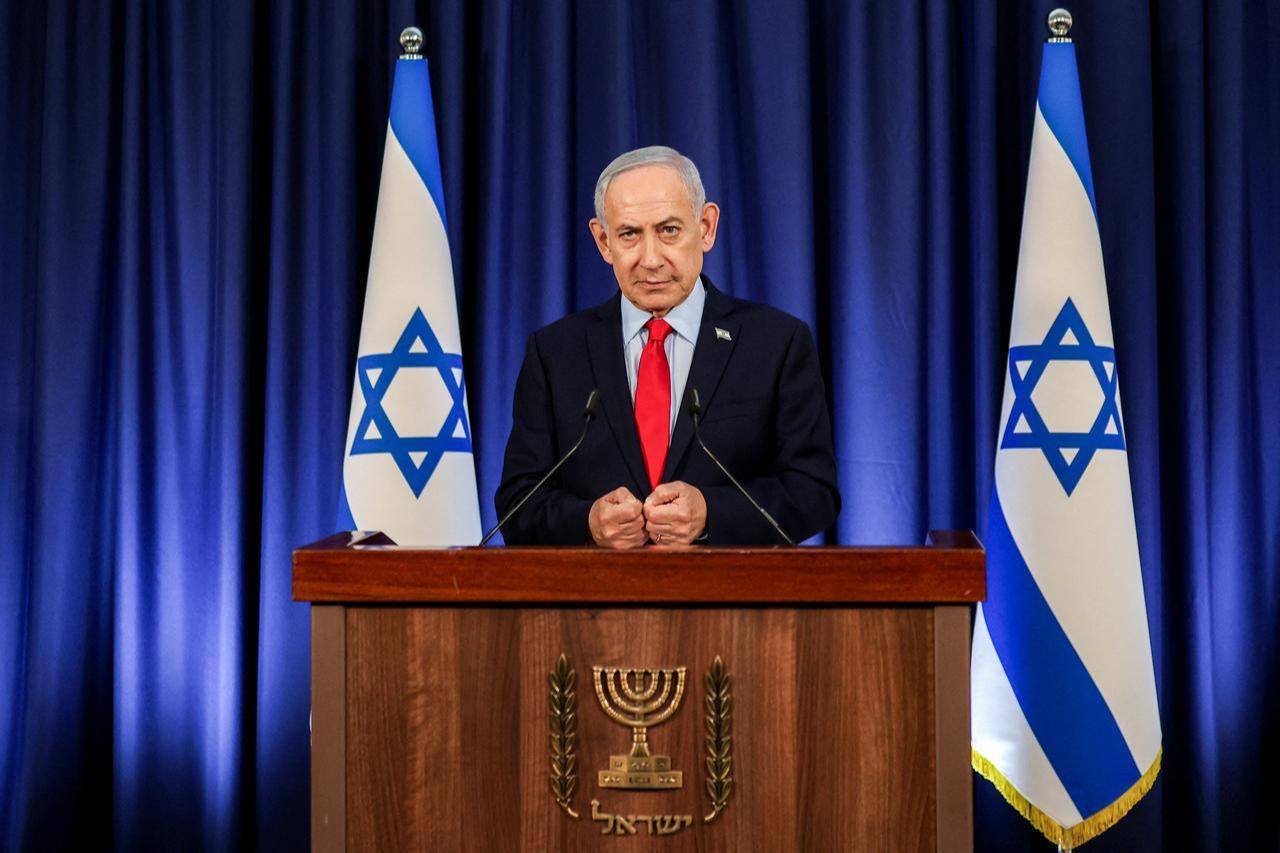

The polling data also sketches a closely contested political map if elections were held now. Netanyahu’s Likud party leads with 22 seats, though it slips by three seats compared to the previous survey. Former Prime Minister Naftali Bennett’s party rises to 21 seats, narrowing the gap.
Further down the rankings, Gadi Eisenkot’s party holds 12 seats, while Otzma Yehudit climbs to 10. Shas remains at 10, United Torah Judaism at 7, Yisrael Beiteinu at 8, and Ra’am at 5.
The current coalition bloc stands at 54 seats, while parties opposing Netanyahu reach 55, with Arab parties holding a pivotal 11-seat position between them.
A scenario in which Arab parties run on a joint list would shift the balance again. In that case, the joint list would secure 16 seats, while both major blocs would lose ground, leaving Netanyahu’s bloc at 53 and the opposition at 51.


 Set as preferred source
 Set as preferred source


 1 min read

 1 min read