Newsletters


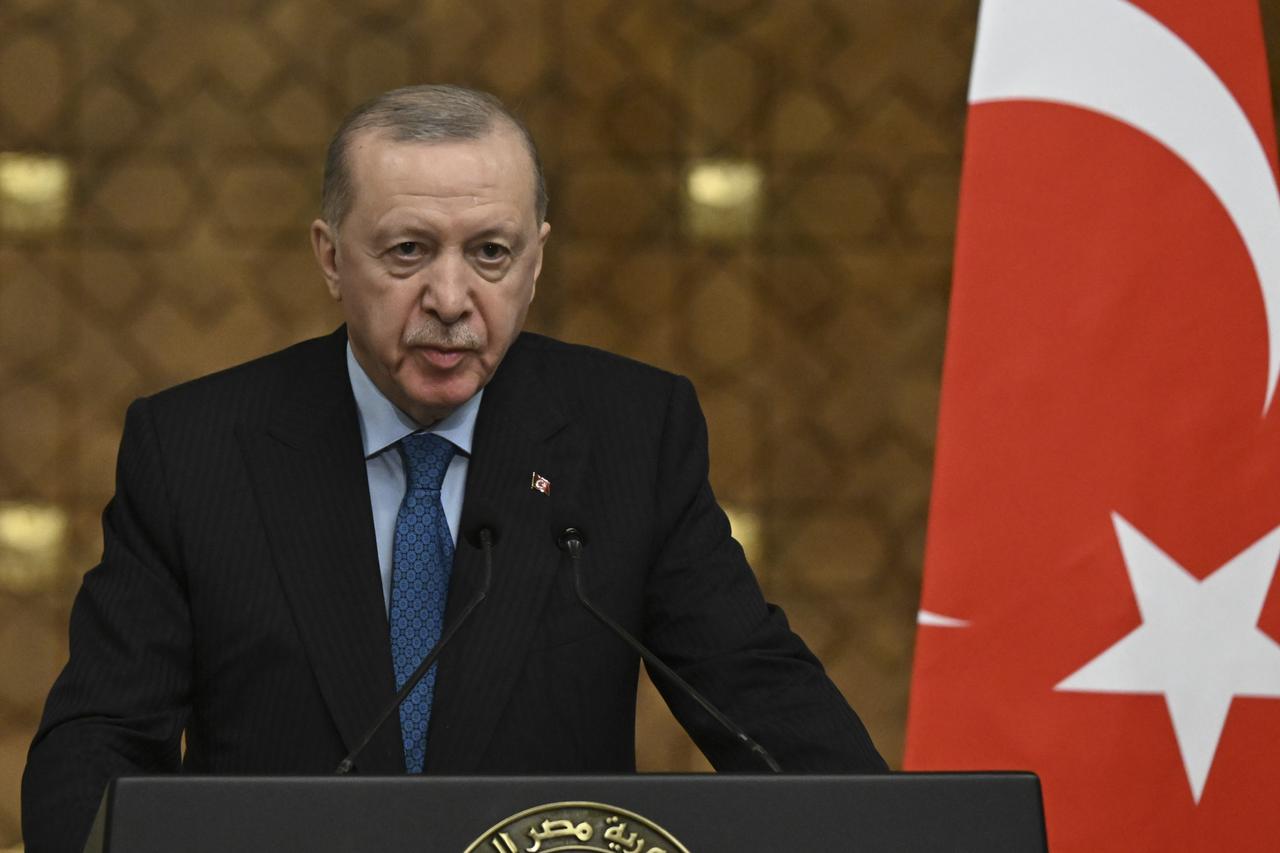


President Recep Tayyip Erdogan said tensions between Iran and the United States should be reduced through diplomacy and warned against any military intervention that could push the region into further conflict.
Speaking to journalists aboard his plane on Feb. 4 after visits to Saudi Arabia and Egypt, Erdogan said he has held direct talks with both U.S. President Donald Trump and Iranian President Masoud Pezeshkian following the escalation in Iran-U.S. tensions.
Erdogan said he clearly conveyed his opposition to any military action against Iran and noted that he also met with Iranian Foreign Minister Abbas Araghchi in Istanbul in a trilateral format with Türkiye’s foreign minister.
“We see that the parties want to open space for diplomacy. This is a positive development,” Erdogan said, adding that the process remains alive and has not collapsed.
He said dialogue and negotiation remain possible, including at the leadership level, and that Türkiye will continue working to strengthen diplomatic channels to prevent a new conflict in the region.
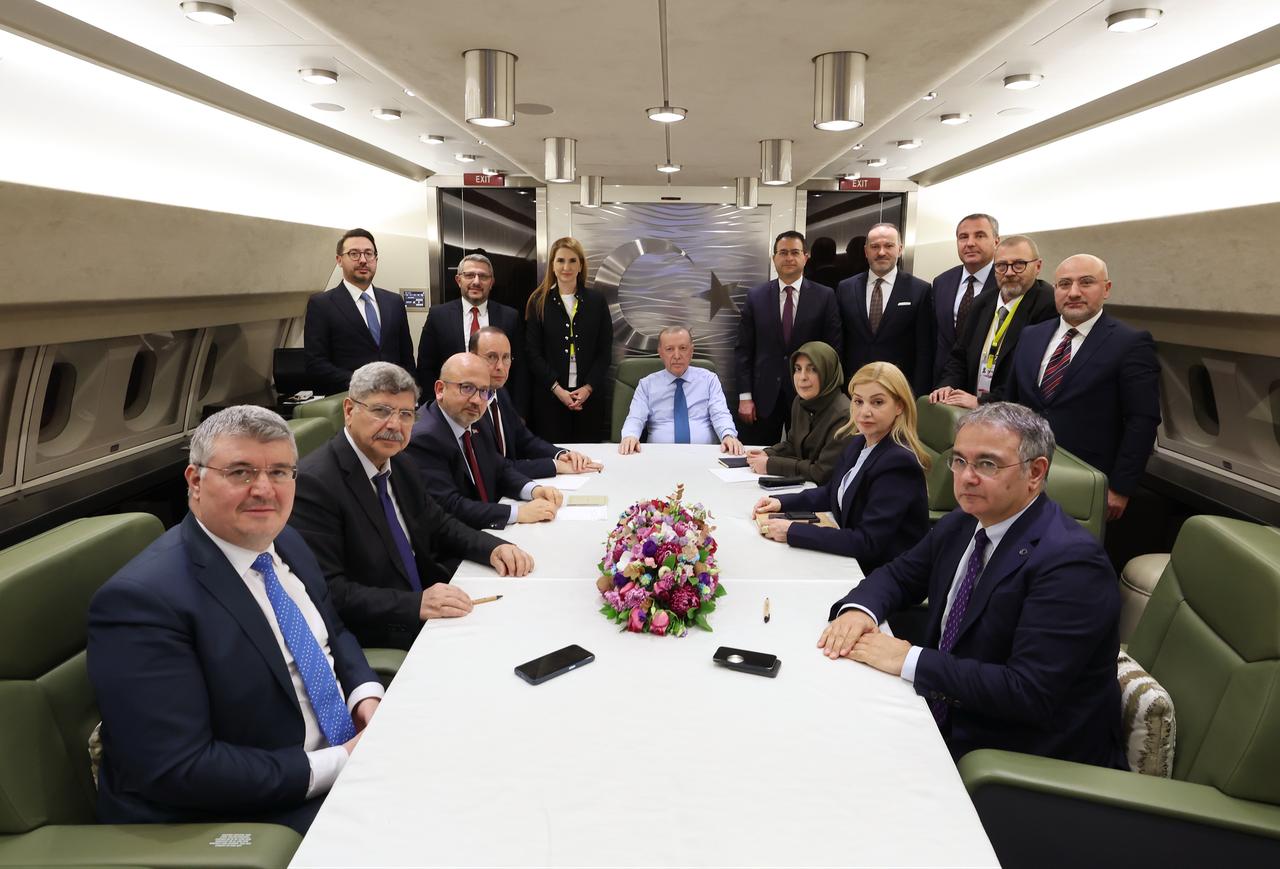

Erdogan said his visit to Saudi Arabia included what he described as highly productive talks with Crown Prince and Prime Minister Mohammed bin Salman, followed by interdelegation meetings and the signing of four agreements.
He said bilateral trade between Türkiye and Saudi Arabia has steadily increased, reaching $8 billion in 2025, while Turkish contractors have undertaken over 400 projects in the kingdom worth a total of $30 billion.
On defense cooperation, Erdogan said Saudi Arabia closely follows Türkiye’s progress in the defense industry and that cooperation in this field is continuing and expanding.
He said the KAAN national combat aircraft represents Türkiye’s engineering capability and independent defense vision, adding that joint investment with Saudi Arabia remains possible.
Erdogan also said an agreement was signed between the energy ministries of Türkiye and Saudi Arabia on renewable energy, under which Saudi companies will build solar and wind power plants with a total capacity of 5,000 megawatts in Türkiye.
He said the first phase will include 1,000-megawatt solar power plants in Sivas and Karaman, financed through external funding and international credit, and will supply electricity at some of the lowest prices seen in Türkiye to date.


 Set as preferred source
 Set as preferred source


 3 min read