Newsletters


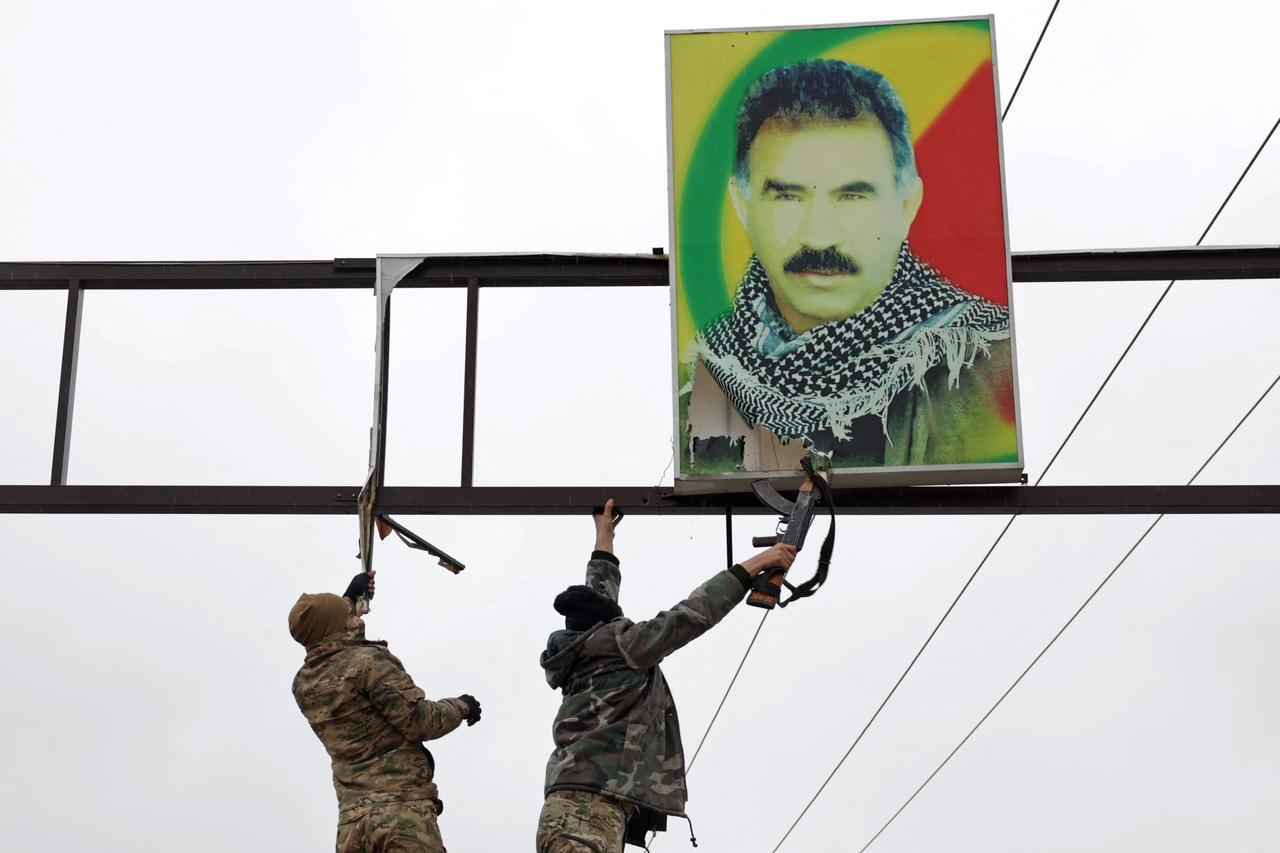


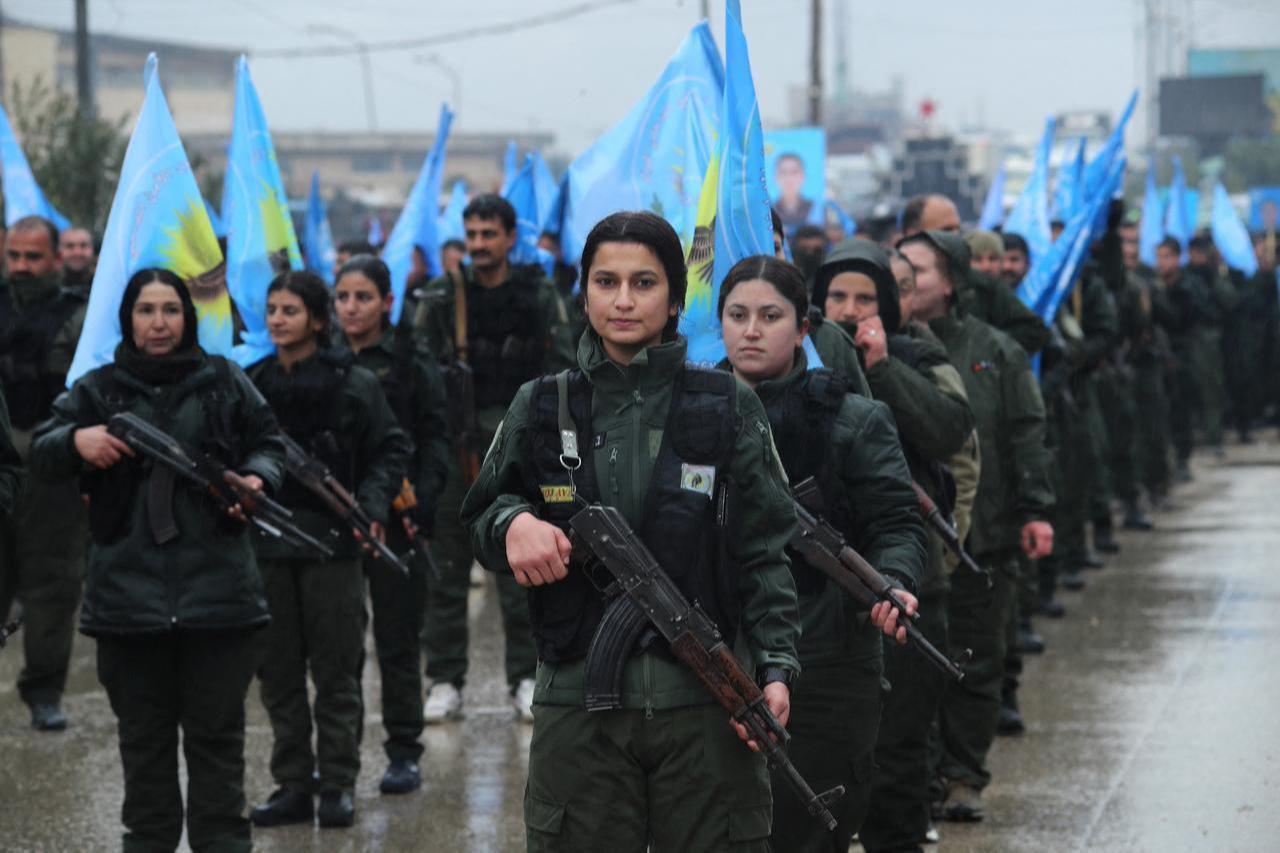
Imprisoned PKK ringleader Abdullah Ocalan has signaled that anti-process elements within the PKK's Qandil leadership are attempting to sabotage the "terror-free Türkiye" process through the YPG/SDF in Syria, according to Turkish columnist Abdulkadir Selvi writing in Hurriyet on Monday.
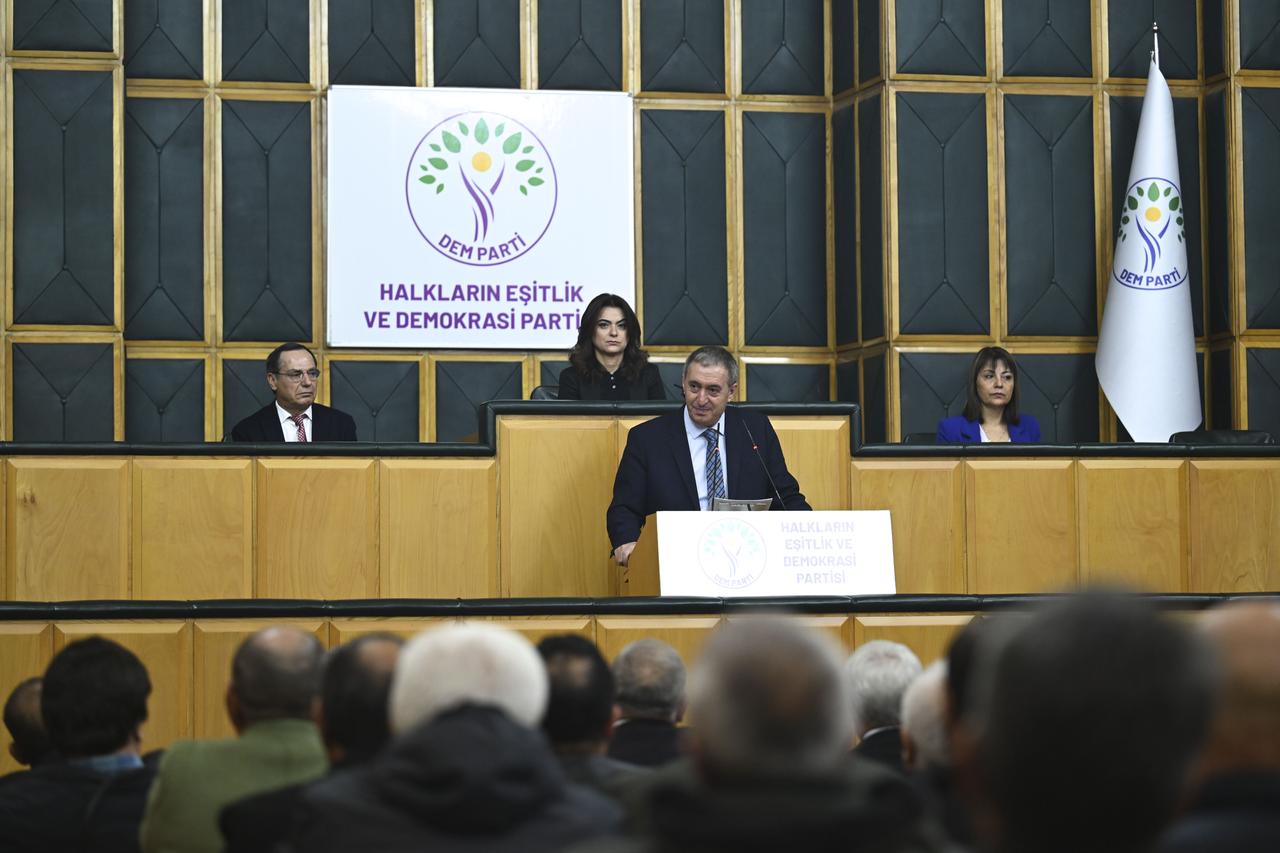
Ocalan expressed deep concern over clashes and rising tensions in Syria during a meeting with the Imrali Delegation, describing the situation as "an attempt to undermine the Peace and Democratic Society process," according to a statement released by the Peoples' Equality and Democracy Party (DEM Party).
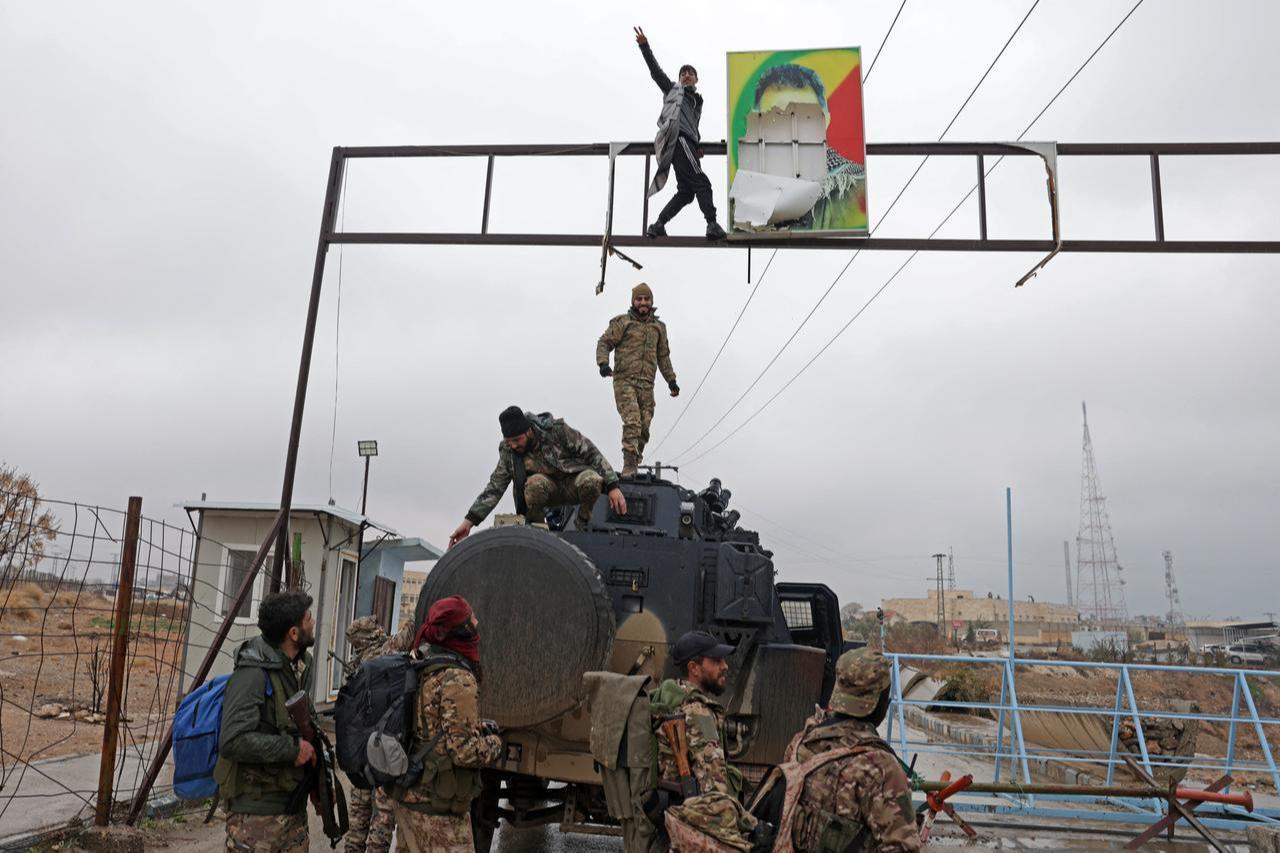

Selvi noted the YPG/SDF disregarded Ocalan's Feb. 27 call when he stated "all groups must lay down arms and the PKK must dissolve itself." The terrorist group also failed to implement the March 10 Agreement with the Syrian government and acted contrary to Ocalan's Dec. 29 letter to Mazloum Abdi stating that "implementing the March 10 Agreement will ease and accelerate the process."
"What more could Ocalan say?" Selvi wrote, pointing to three factors behind the YPG/SDF's defiance: a shift in Qandil's stance, provocations from Israel and Iran, and the resulting need to analyze Ocalan's message line by line.
Selvi argued Ocalan affirmed his commitment to the Peace and Democratic Society process and the validity of his Feb. 27 perspective. "This message is directly to Qandil. He only stopped short of saying 'hey Murat Karayilan, hey Cemil Bayik, hey Bese Hozat,'" Selvi wrote.
Selvi drew attention to Ocalan's repeated references to a "coup mechanism" within the organization. While President Recep Tayyip Erdogan's resolve remains firm, Nationalist Movement Party (MHP) leader Devlet Bahceli maintains his position without deviation, Turkish intelligence MIT chief Ibrahim Kalin continues field work and the parliamentary commission visits Imrali, the columnist said Ocalan's warning clearly targets Qandil and elements within the DEM Party.
PKK's second-ranking figure Bese Hozat burned weapons with a group of terrorists on July 11 following Ocalan's call, but made a statement on Nov. 29 saying "We are not asking for amnesty"—contrary to the spirit of the process, Selvi noted.
"What happened in Qandil in those 141 days? Why did Bese Hozat drift to an anti-Ocalan line?" Selvi asked.
This attitude manifested in the YPG/SDF's failure to implement the March 10 Agreement and Qandil's instruction to "stay and fight" in Aleppo until the last moment, despite Mazloum Abdi and Ilham Ahmed's willingness to compromise, according to the columnist.
DEM Party Deputy Group Chair Gulistan Kocyigit Kilic's statement that "Ocalan did not call for the YPG to dissolve itself" and DEM Party co-Chair Tuncer Bakirhan's claim that "Ocalan's call did not include the SDF" indicate these figures represent the political extension of anti-process elements in Qandil, Selvi argued.
"As Ocalan pointed out, the coup mechanism operated in Qandil, but what happened? This time, they could not end the Terror-Free Türkiye process. On the contrary, it caused the YPG/SDF to suffer successive defeats in Syria. These are their good days," Selvi concluded.
Selvi also highlighted MHP leader Bahceli's statement from last week's group meeting: "The interlocutor is clear. It is no one other than PKK's founding leader." The columnist argued Ocalan's latest message once again demonstrated the importance of Bahceli's words.
Turkish security sources told Türkiye daily that the PKK's hawk wing in Qandil, with encouragement from certain countries, pushed the YPG/SDF toward deadlock and conflict, fearing loss of privileges if the process succeeds.
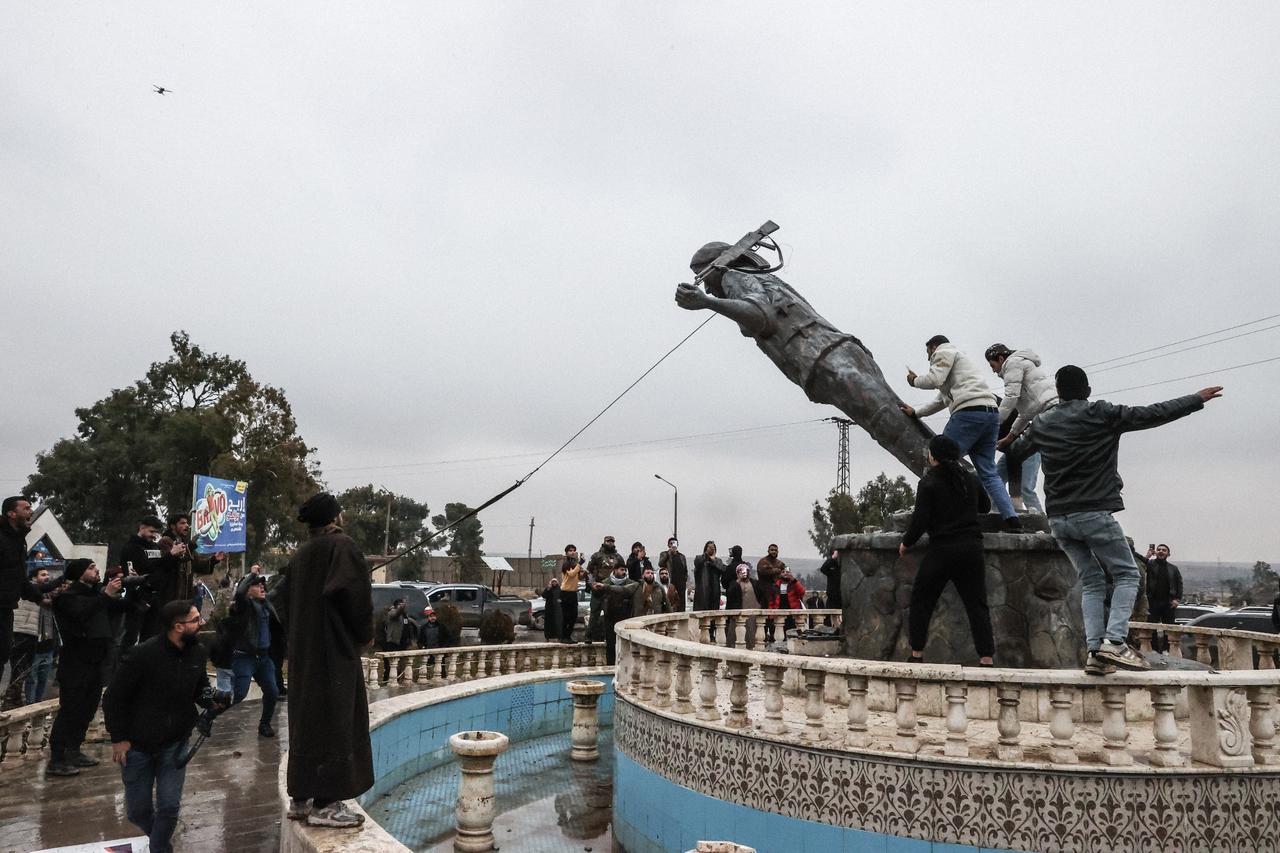
"Türkiye made preparations to prevent sabotage of the process. The YPG/SDF is in a weaker position against the Syrian administration compared to March 10. If they do not comply with the ceasefire, operations will extend east of the Euphrates. Thus, suffering greater losses will be an inevitable outcome for the organization," security sources said.


 Set as preferred source
 Set as preferred source


 1 min read

 1 min read