Newsletters


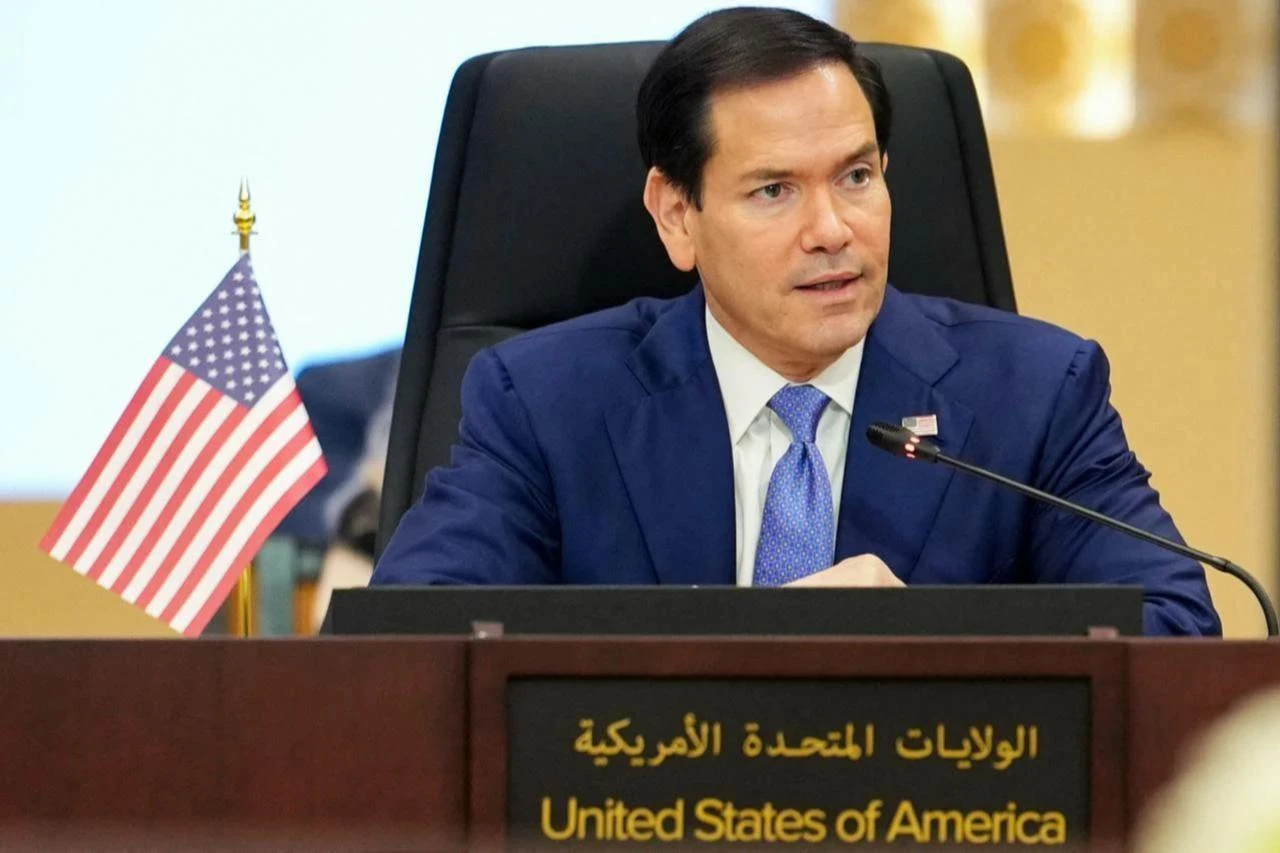


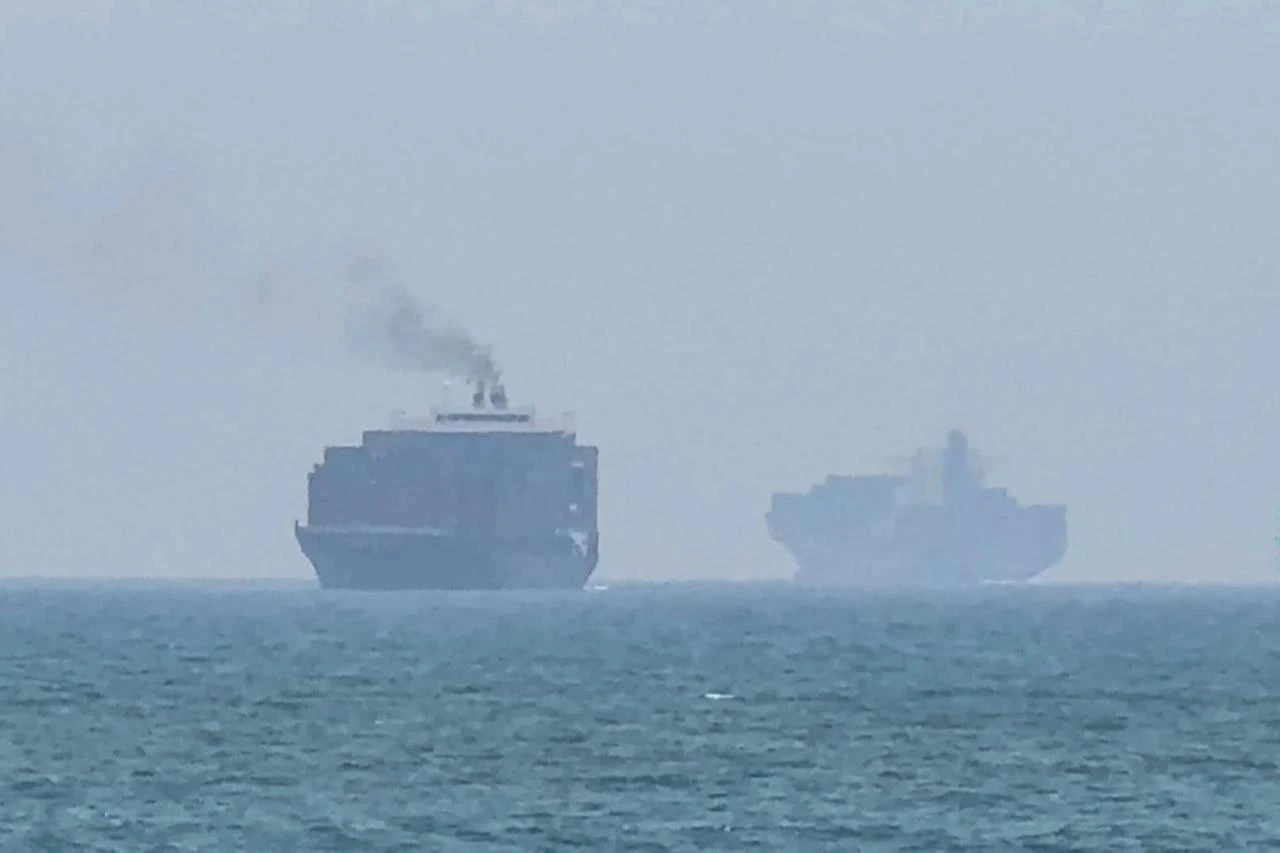
The United States and Iran are narrowing differences over shipping access through two of the world's most critical maritime chokepoints, with Secretary of State Marco Rubio saying Tuesday that a deal on increased vessel passage could be concluded "very shortly," even as both sides acknowledged talks are not yet complete.
Speaking to reporters at the State Department, Rubio said progress had been made but finality had not been reached.
"We're hoping that will happen very shortly," he said, adding that oil was already moving through the waterways. "There's oil moving right now through the straits. So, the straits are open," Rubio said, though he acknowledged that efforts to block commercial vessels had been a factor in the negotiations.
The talks are being conducted indirectly, with Oman serving as an intermediary.
Rubio described "a conversation and a negotiation that we are involved in between Oman and Iran on how more ships can be able to go through there safely in the short term," indicating Washington's direct engagement in the Oman-Iran channel.
Pakistani government sources told Anadolu Agency that indirect US-Iran contacts are in a "final stage," with mediators preparing a document for the reopening of the Hormuz Strait.
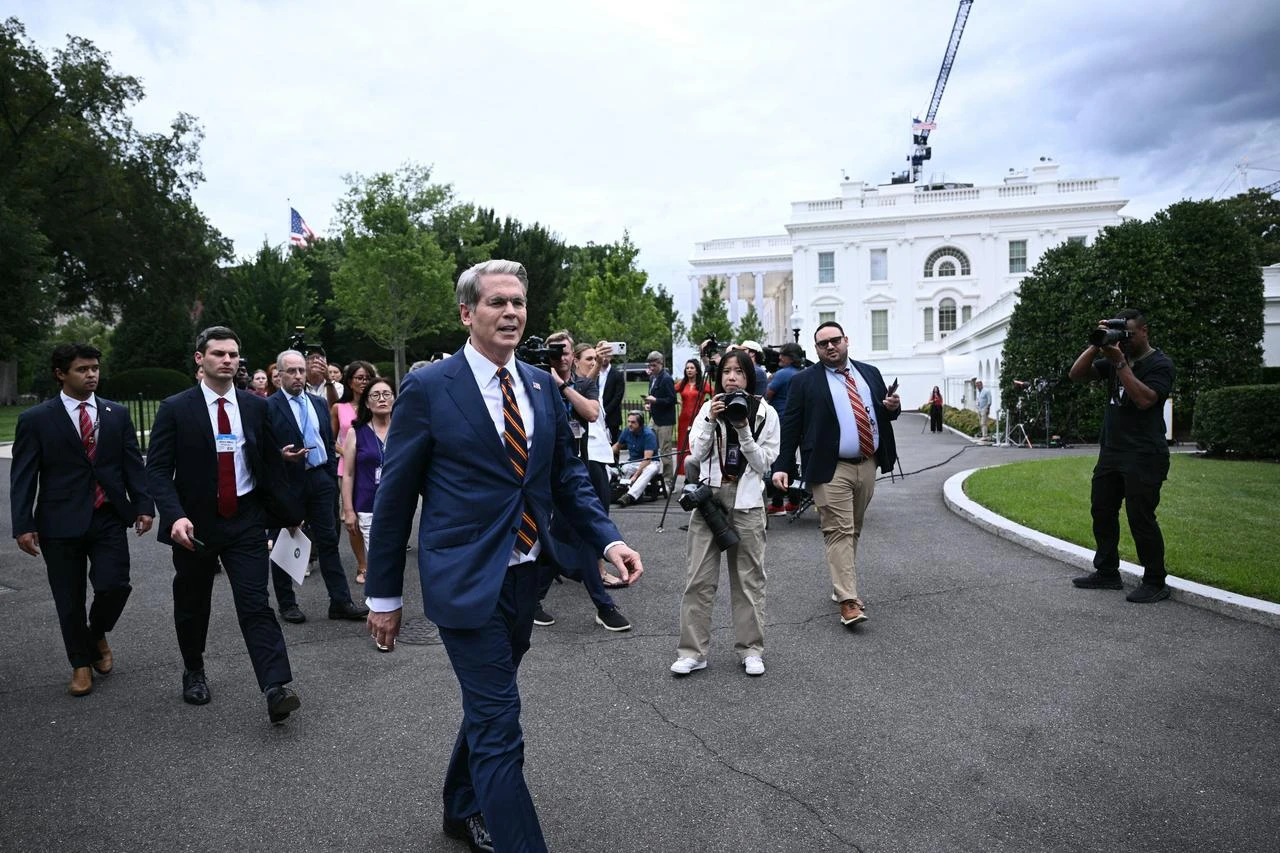
Earlier Tuesday, Treasury Secretary Scott Bessent said talks on the Strait of Hormuz were ongoing and that an agreement to reopen the waterway could be reached Tuesday or Wednesday.

Tehran confirmed the negotiations were advancing. Iranian Foreign Ministry spokesman Esmaeil Baqaei said Tuesday that discussions with Oman on the Strait of Hormuz have so far proceeded positively.
"Iran is trying to develop the necessary mechanisms for future arrangements for managing shipping traffic in this strategic passage, in cooperation with Oman," Baqaei told Iran's state broadcaster IRIB, adding that outcomes "will be announced once they have concluded."
Baqaei said the talks are centered on establishing safe inbound and outbound shipping lanes in a manner that protects the sovereign rights of both coastal states while addressing each country's national security concerns.
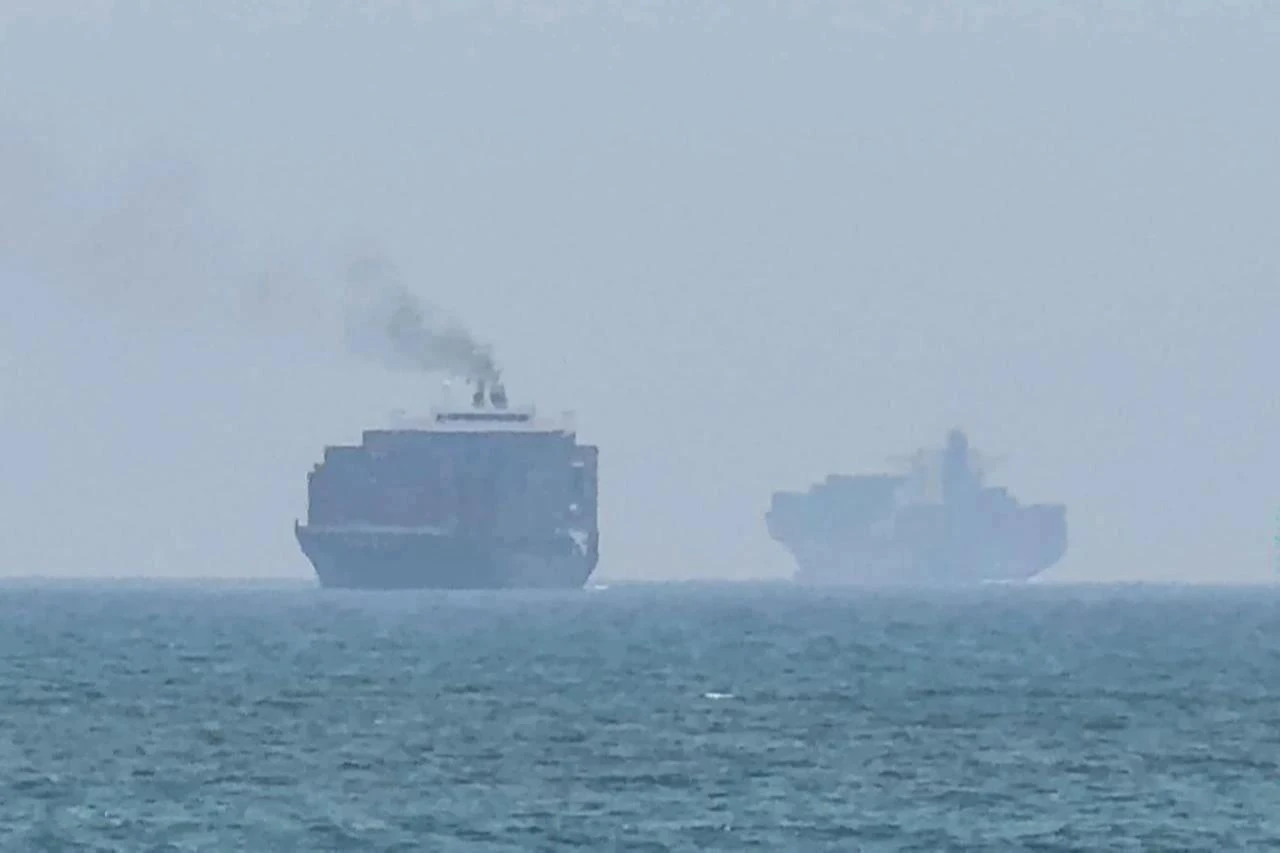
The negotiations carry consequences well beyond the region. The Strait of Hormuz, the narrow passage between Iran and Oman at the mouth of the Persian Gulf, is the world's most critical oil chokepoint, with roughly 20 percent of global oil and liquefied natural gas trade passing through it under normal conditions.
Any disruption there forces tankers on costly diversions around the southern tip of Africa.
The Bab el-Mandeb, the 18-mile-wide passage between Yemen and the Horn of Africa that links the Gulf of Aden with the Red Sea, has added a second layer of pressure.
It accounts for roughly 10 percent of seaborne oil trade and a quarter of global container shipping, serving as the gateway for vessels bound for the Suez Canal and onward to European and Asian markets.
Yemen's Houthi movement has threatened vessels linked to Saudi Arabian ports, compounding concerns over the already strained corridor.
Closure of either strait alone would send energy markets into turmoil; simultaneous disruption of both would eliminate key redundancies in the global supply chain.
Rubio appeared to reference both waterways in his remarks Tuesday.
He framed the current talks as a near-term operational measure, while indicating Washington's broader strategic objective remained a comprehensive agreement with Iran on nuclear issues.
"We sought to secure an ultimate deal with Iran on denuclearization," he said, signaling that the strait discussions, however urgent, are subordinate to that larger diplomatic goal.


 Set as preferred source
 Set as preferred source


 1 min read
 1 min read