Newsletters


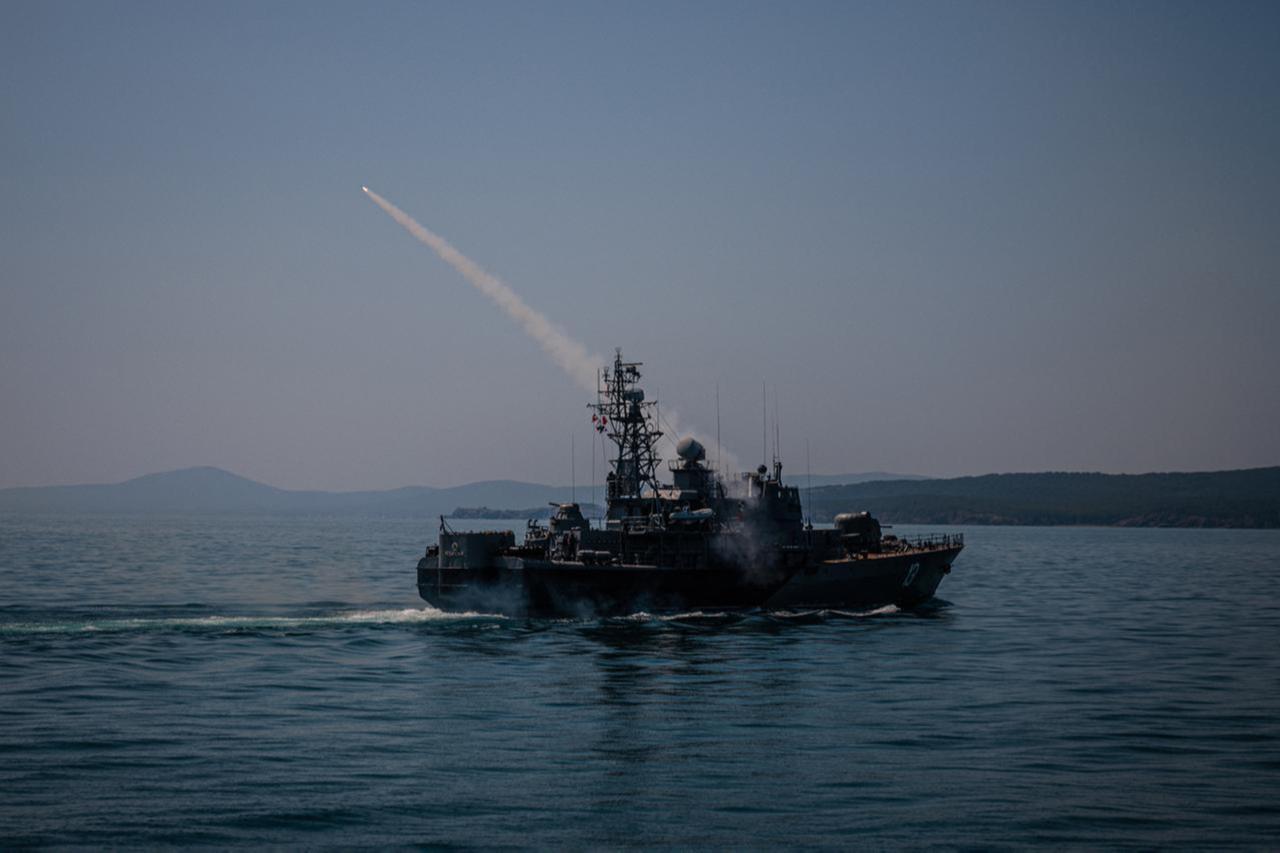


Russia said on Tuesday that threats to navigation in the Black Sea come “exclusively” from Ukraine and its Western arms suppliers. It also rejected Romania’s accusations over a September factory fire.
In a statement on Telegram, the Russian Embassy in Romania called attempts to hold Russia responsible for incidents involving vessels in the Black Sea “political cynicism and hypocrisy.” It said the Kyiv government “does not merely fail to deny these actions,” but “takes pride in its crimes.”
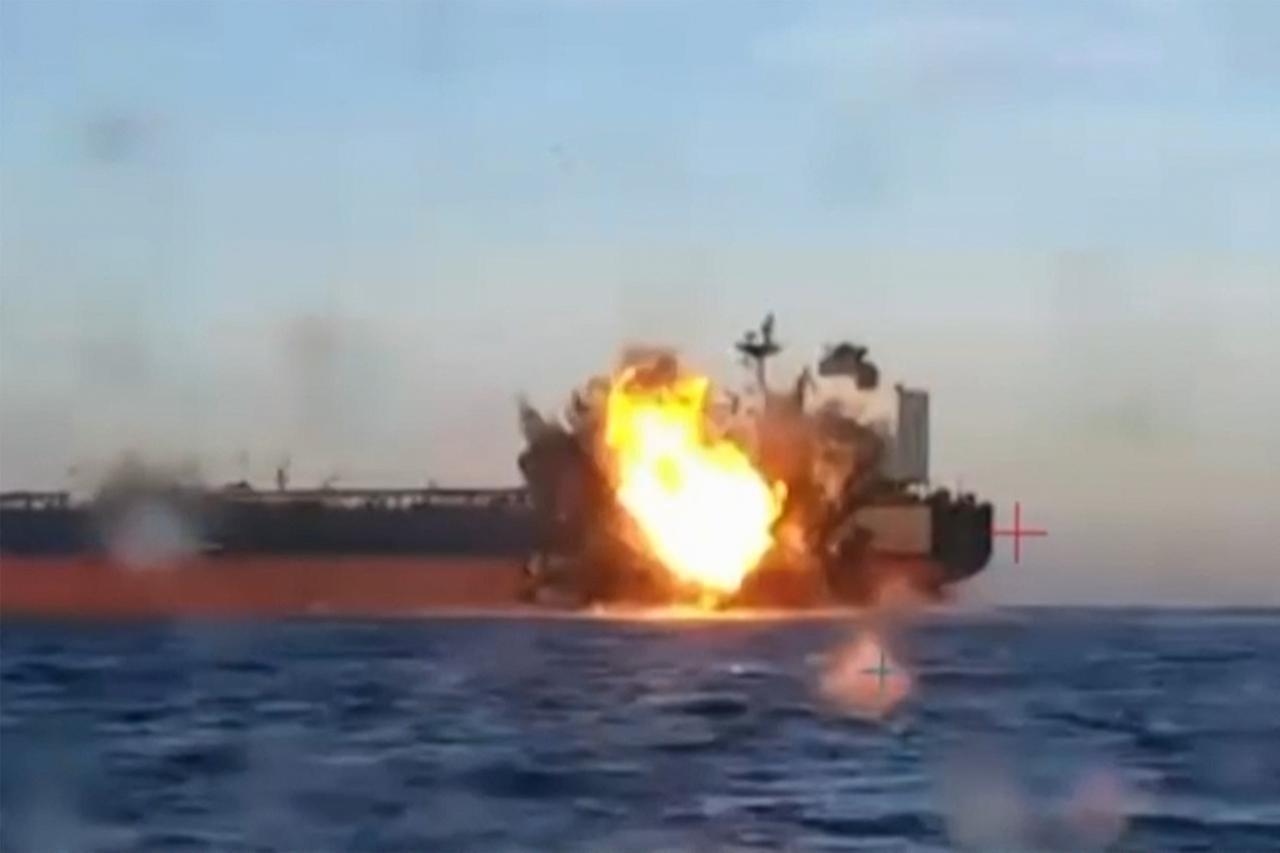
The mission claimed Ukrainian forces have targeted more than 250 commercial vessels operating on behalf of Russian economic entities since the start of the year, killing 28 sailors. None of the ships carried military cargo, it said, yet no one in the West, Romania included, has condemned the attacks.
The embassy said Bucharest began to voice “concern” only after what it described as illicit military shipments to Ukraine, routed through Black Sea ports, were blocked. The statement offered no evidence for these claims, and the figures could not be independently verified from the material available.
The embassy also dismissed what it called “unsubstantiated accusations” about the fire at a facility in the central city of Brasov. It said Ambassador Vladimir Lipaev was summoned to the Romanian Foreign Ministry, where he “firmly” rejected the claims. He stressed that Moscow has never planned, coordinated or carried out acts of sabotage in Romania or any other country.
Lipaev urged Romania to recognize that the threat to its security comes not from Russia but from its compliance with an escalating course imposed by NATO and European Union leaders. He accused those leaders of “having lost touch with reality.” Romania has belonged to NATO since 2004 and the EU since 2007, and it shares a Black Sea coastline with Ukraine to the north.
Romanian authorities had earlier said they identified a sabotage network coordinated from Russia that they believe was responsible for a Sept. 14 fire near the defense manufacturer Carfil SA in Brasov.
Authorities identified three suspects: two Belarusian citizens and one Ukrainian. Two were arrested in Germany while allegedly preparing similar acts. A European arrest warrant was issued for the third, who was located in Poland.
Romanian Foreign Minister Dan Neculaescu said the incident was part of a wider campaign targeting defense production in Europe.


 Set as preferred source
 Set as preferred source


 1 min read
 1 min read