Newsletters


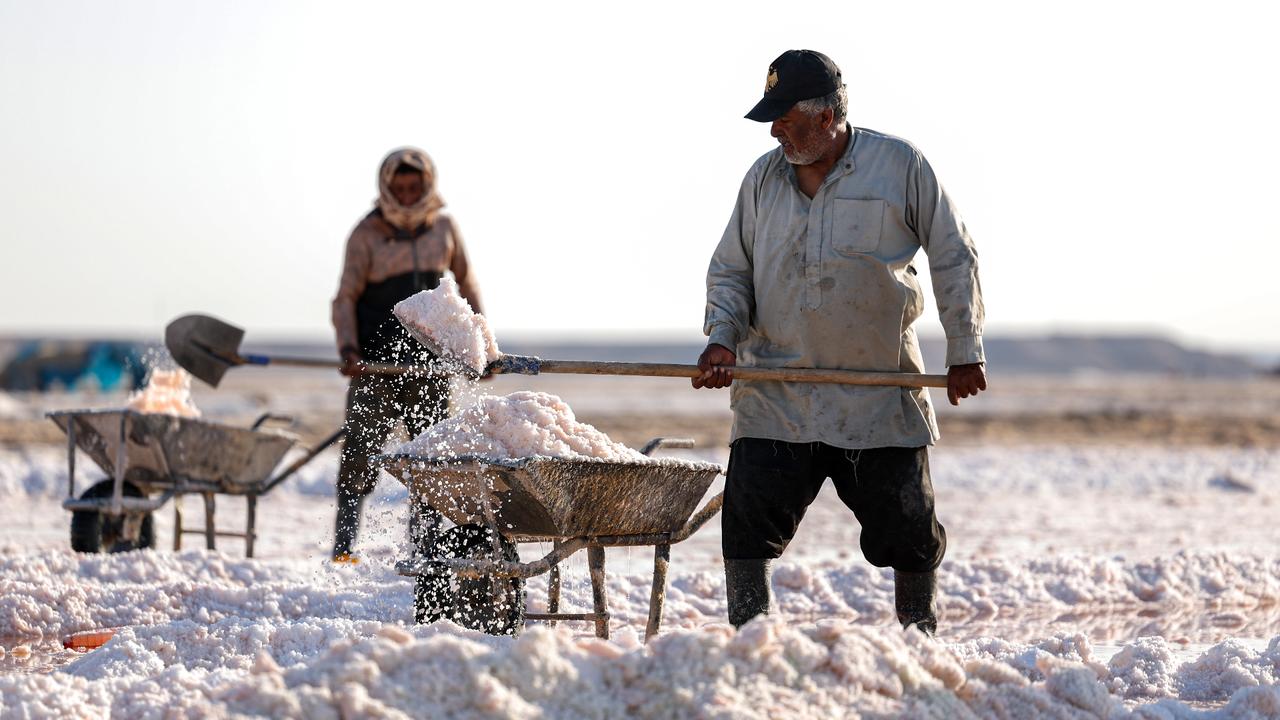
Workers dig salt from the earth's depths under scorching heat and thick dust in the Deir ez-Zor Desert along the Syria-Iraq border to support their families.
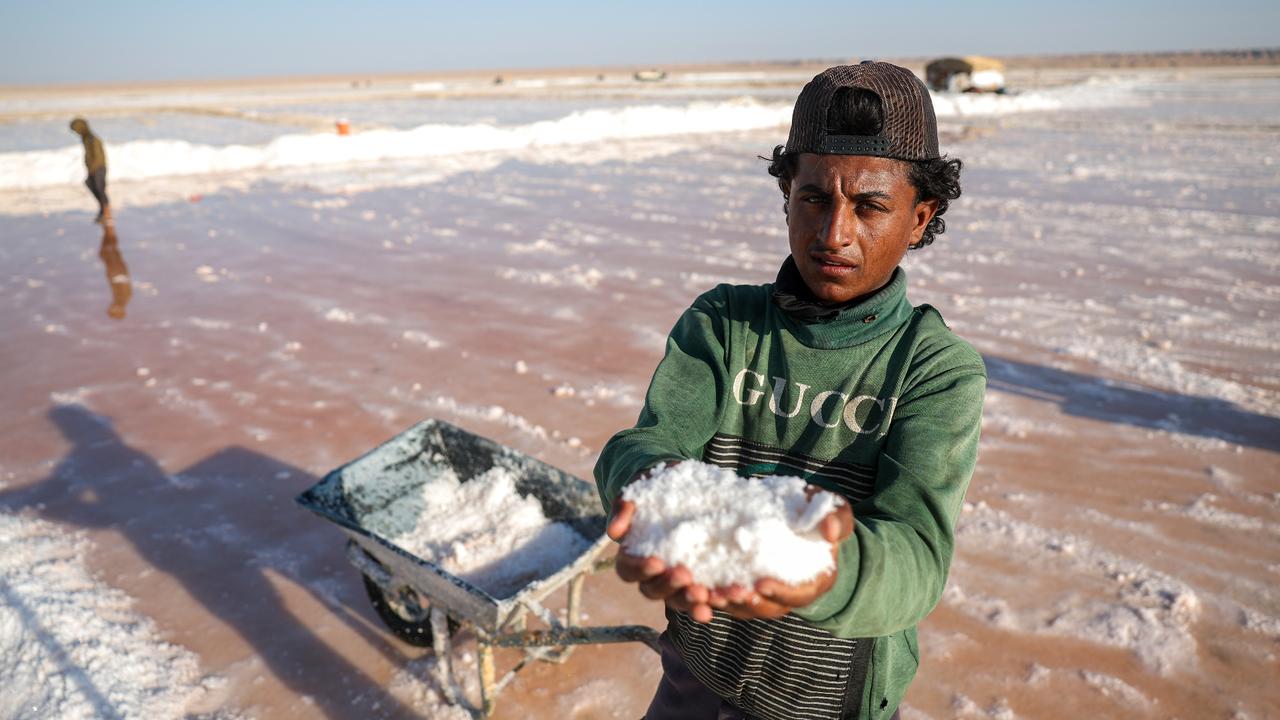
Starting their shifts at first light, workers loosen the hard ground with various hand tools to expose salt layers buried beneath the soil. Despite the searing heat and heavy dust, they continue the same grueling routine every day to make ends meet.
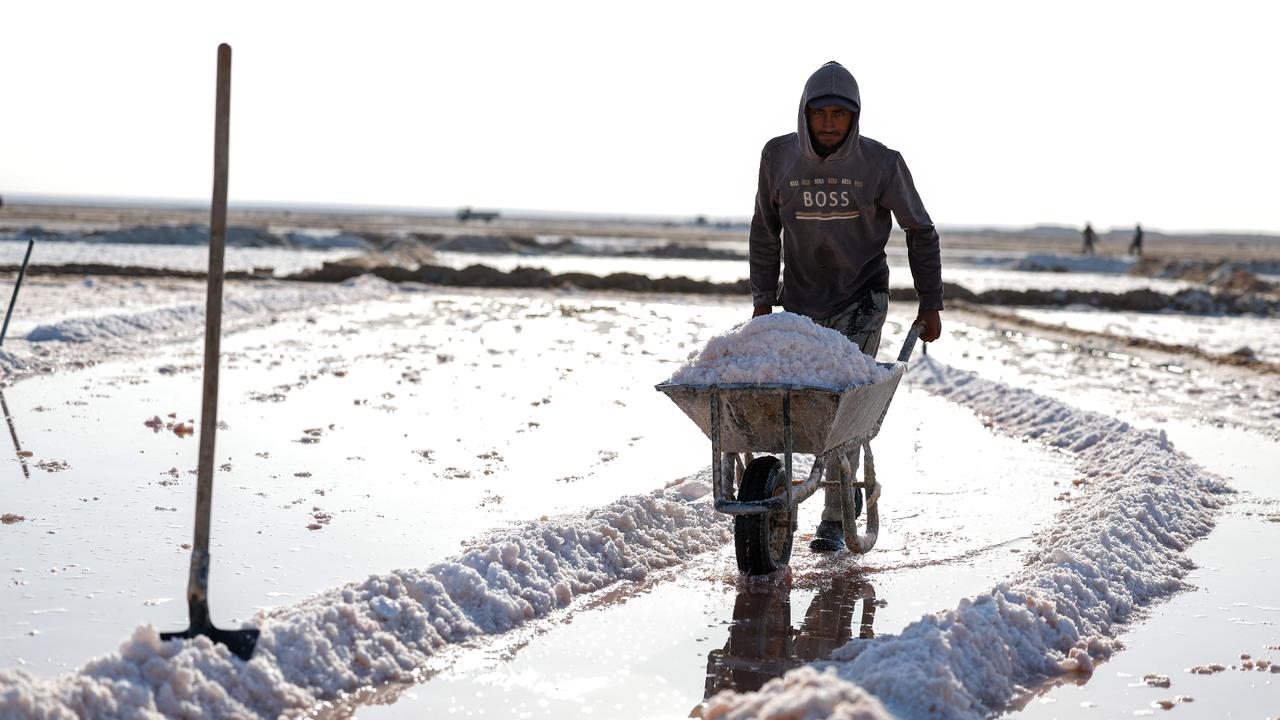
Extracting and hauling blocks of salt from the ground demands significant physical strength and endurance. Despite harsh conditions, salt production remains one of the region's main sources of income.
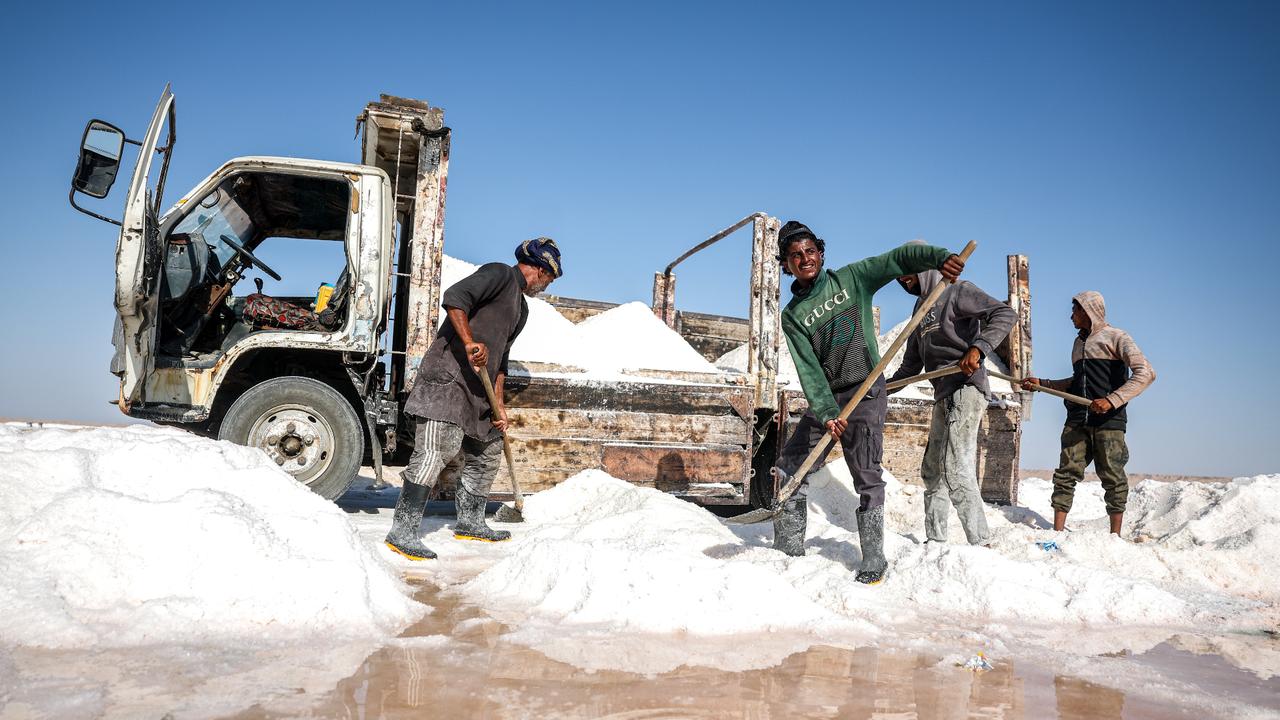
Bilal Mustafa, one of the laborers, spoke to Anadolu Agency (AA) about the challenges of the job, highlighting the long hours spent working beneath the sun. "We get exhausted waiting for the truck to arrive. The salt business is indescribably hard and truly grueling," he noted.
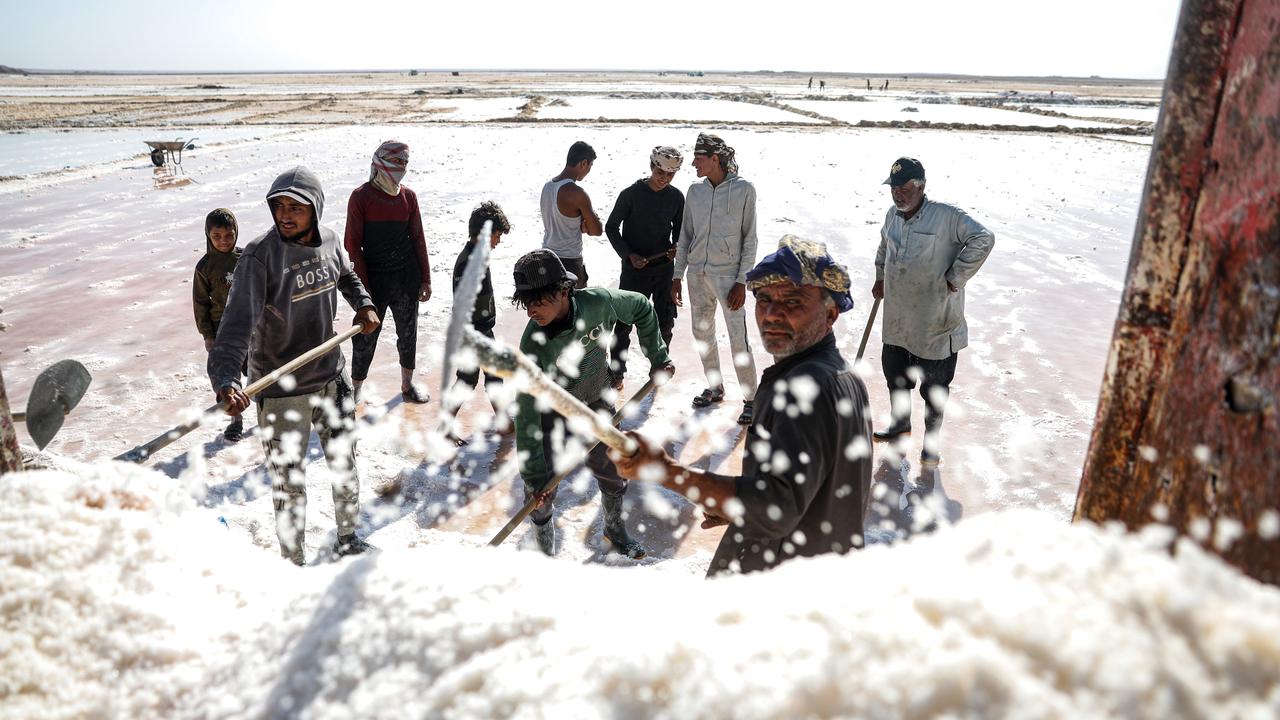
Mustafa explained that alternative employment options remain scarce, noting that he and his peers had previously attempted other fields of work before ultimately returning to the salt trade. Describing how daily earnings fluctuate based on production, he stated, "If I fill a truck today, I get $50. If I can't, I get $25."
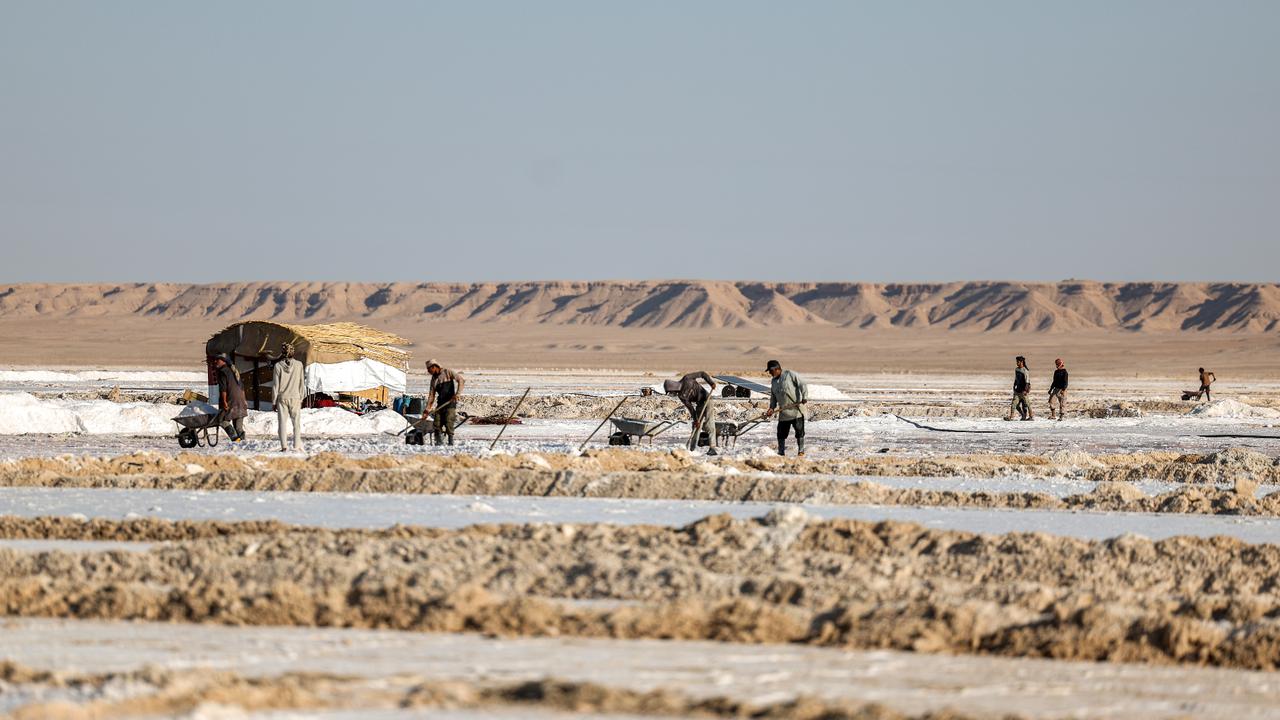
Mustafa said that the extraction process doesn't end once the salt reaches the surface—it is then treated with water, and the same routine begins the next day again. He said workers spend the entire day stirring salt with shovels in pools, a task that is far from easy.
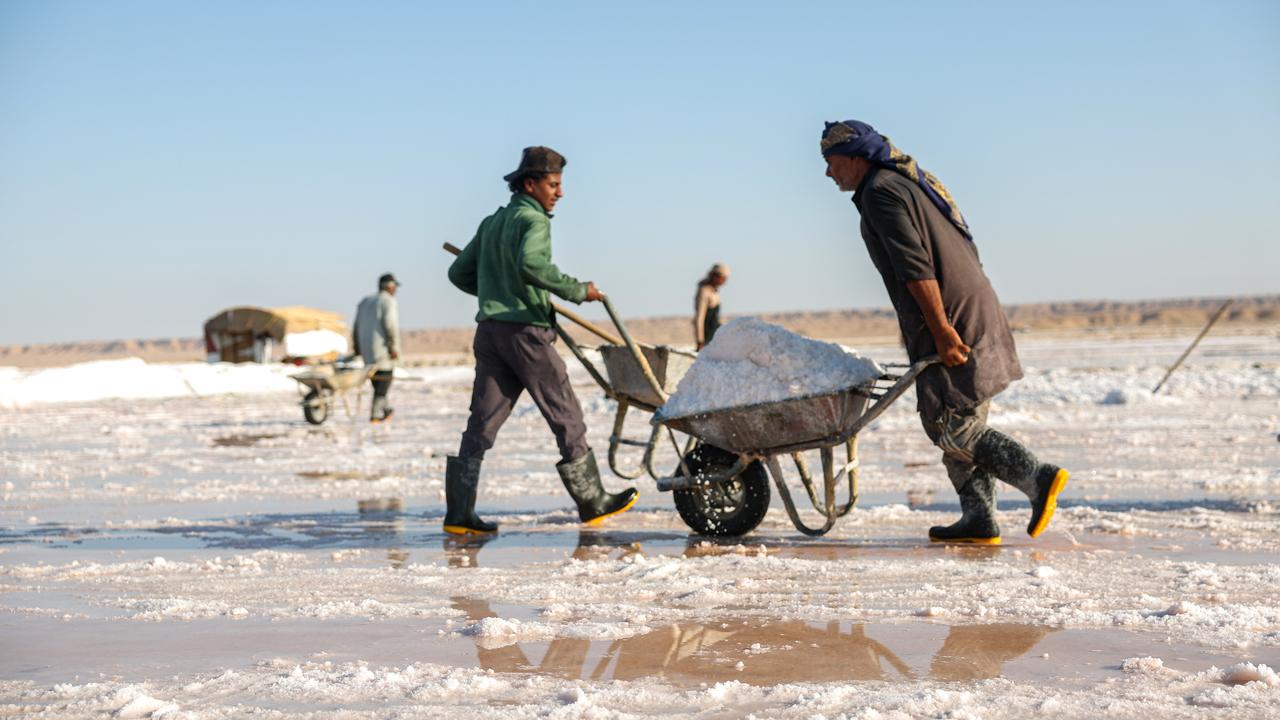
Usame Samer, another worker, said the collected salt is transported by truck to Deir ez-Zor city, where it is sold. "We sell a ton of salt to buyers for around $10. They then bag it and sell it to shops," he said.
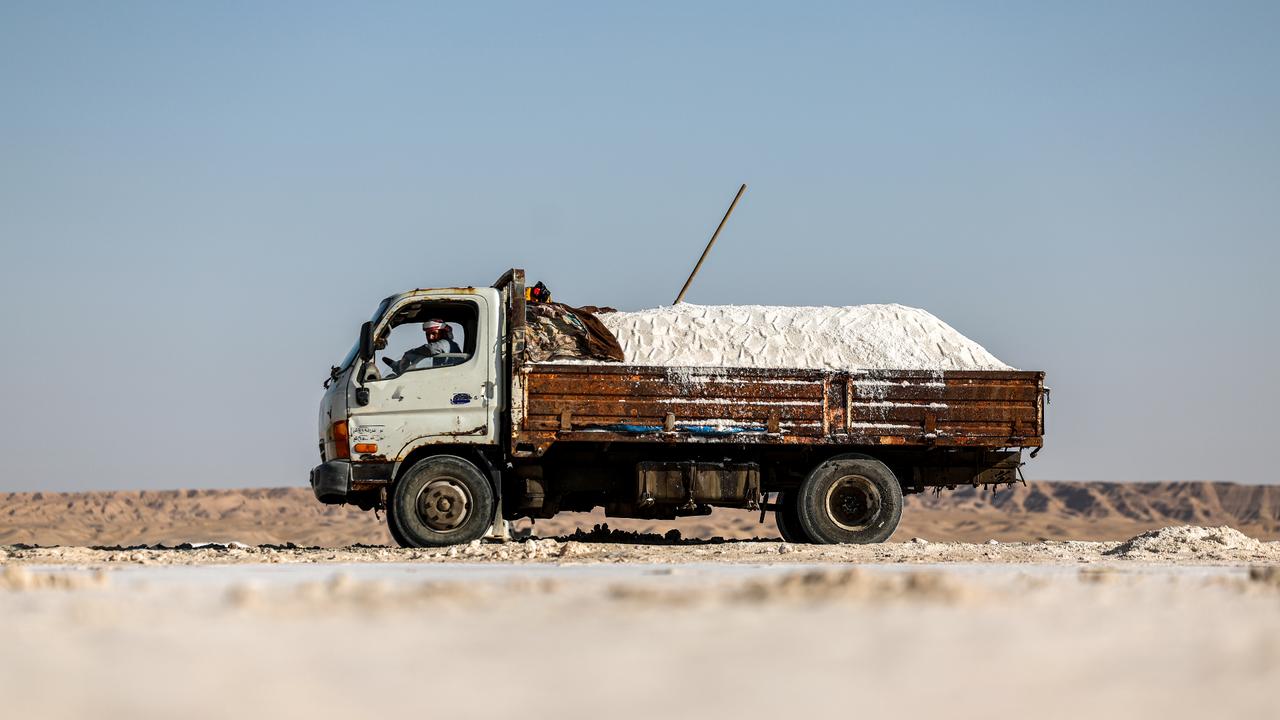
Samer explained that salt production is seasonal, running from the end of winter through the start of the next winter, though the main work takes place during the summer months. "Once the rain starts, the work stops completely," he said.
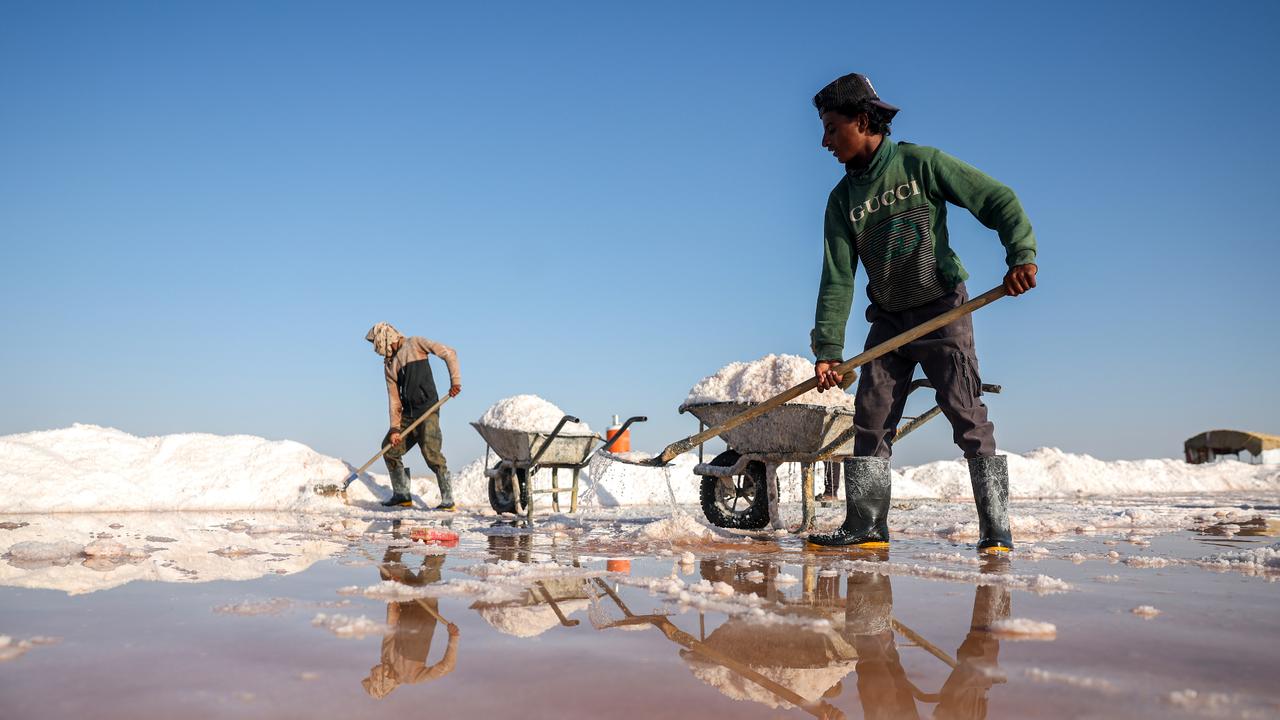
Samer described the process: "First, we dig a pit. Then we bring up water, flood the area, and let it sit for two or three days. By the end of that period, a layer of salt begins to form. After that, we collect the salt with wheelbarrows, weigh it, carry it up to the loading ramp, and load it onto trucks."
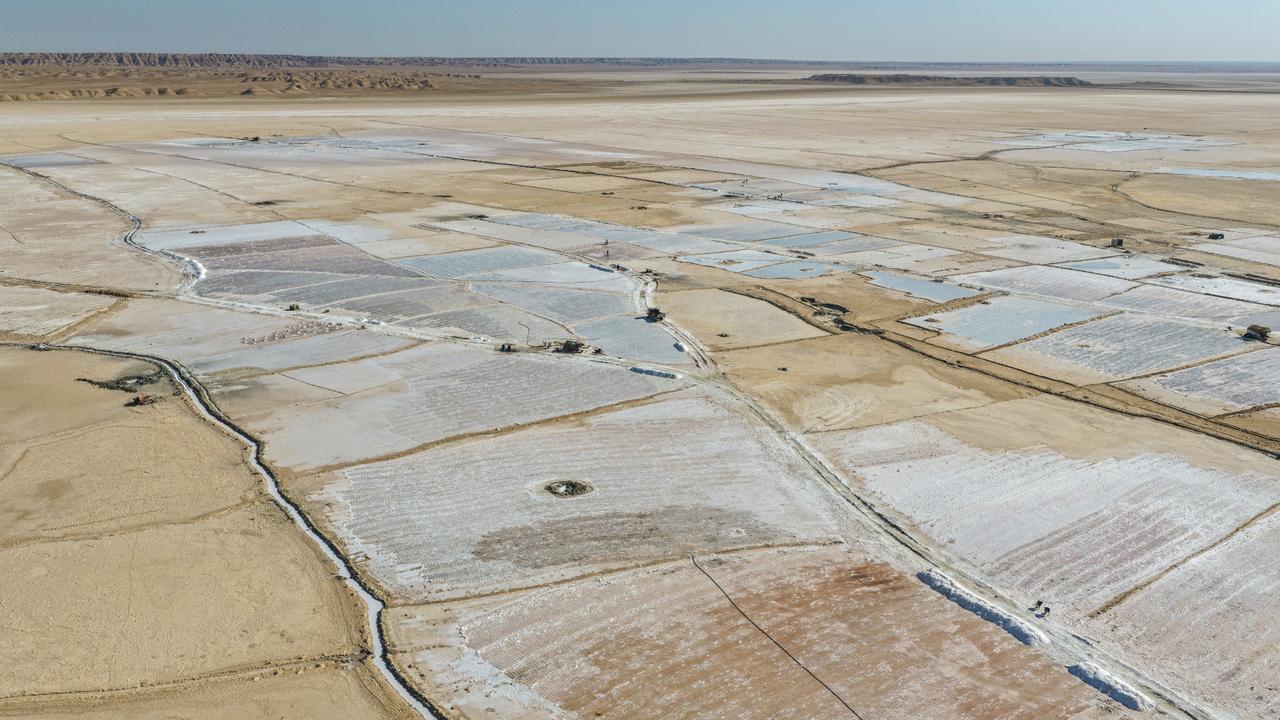
Samer said workers put in about 5 hours a day and earn a daily wage of 5,000 Syrian pounds (around $35), noting they continue working in salt production to support their families despite the harsh conditions. Mohammed Ali, who trades in salt, said a significant portion of the earnings goes toward expenses.

 1 min read


 Set as preferred source