

 Newsletters


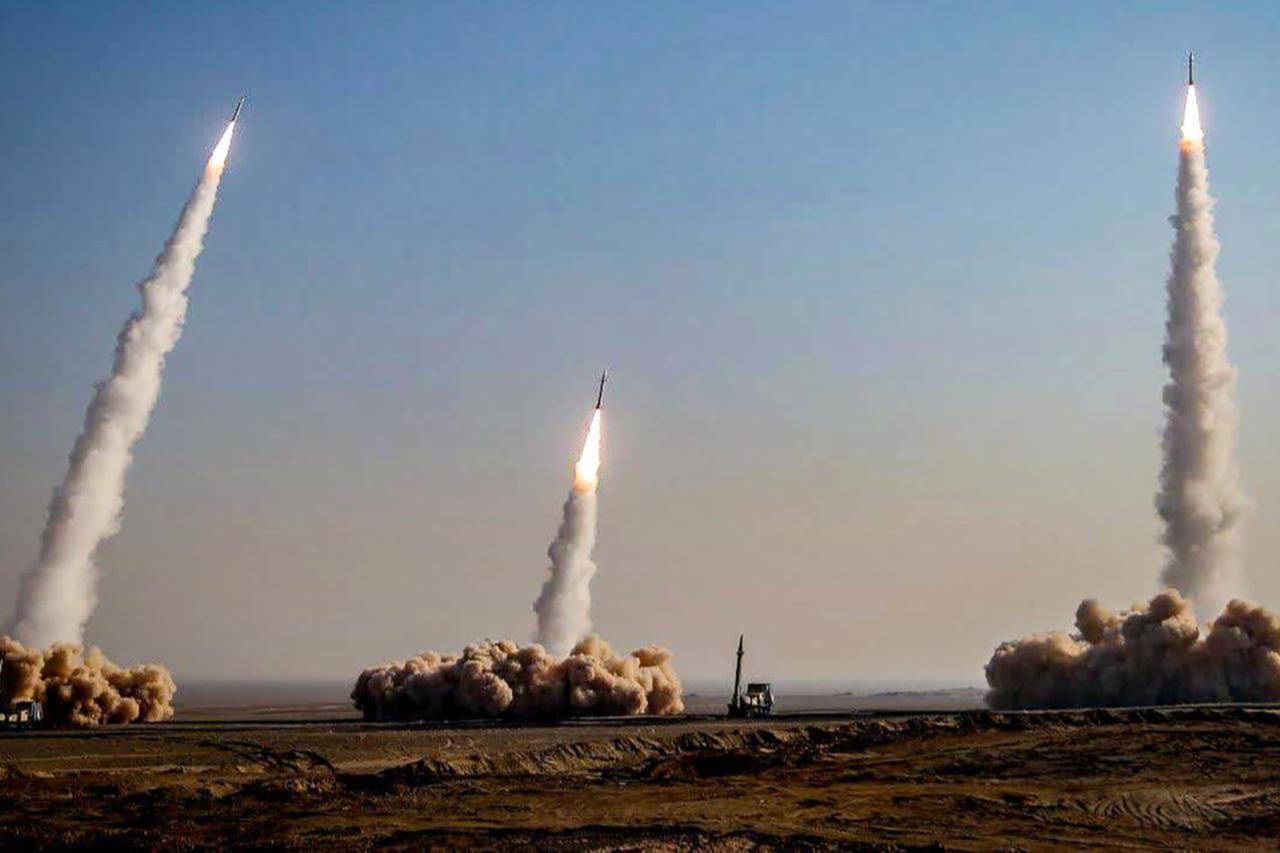


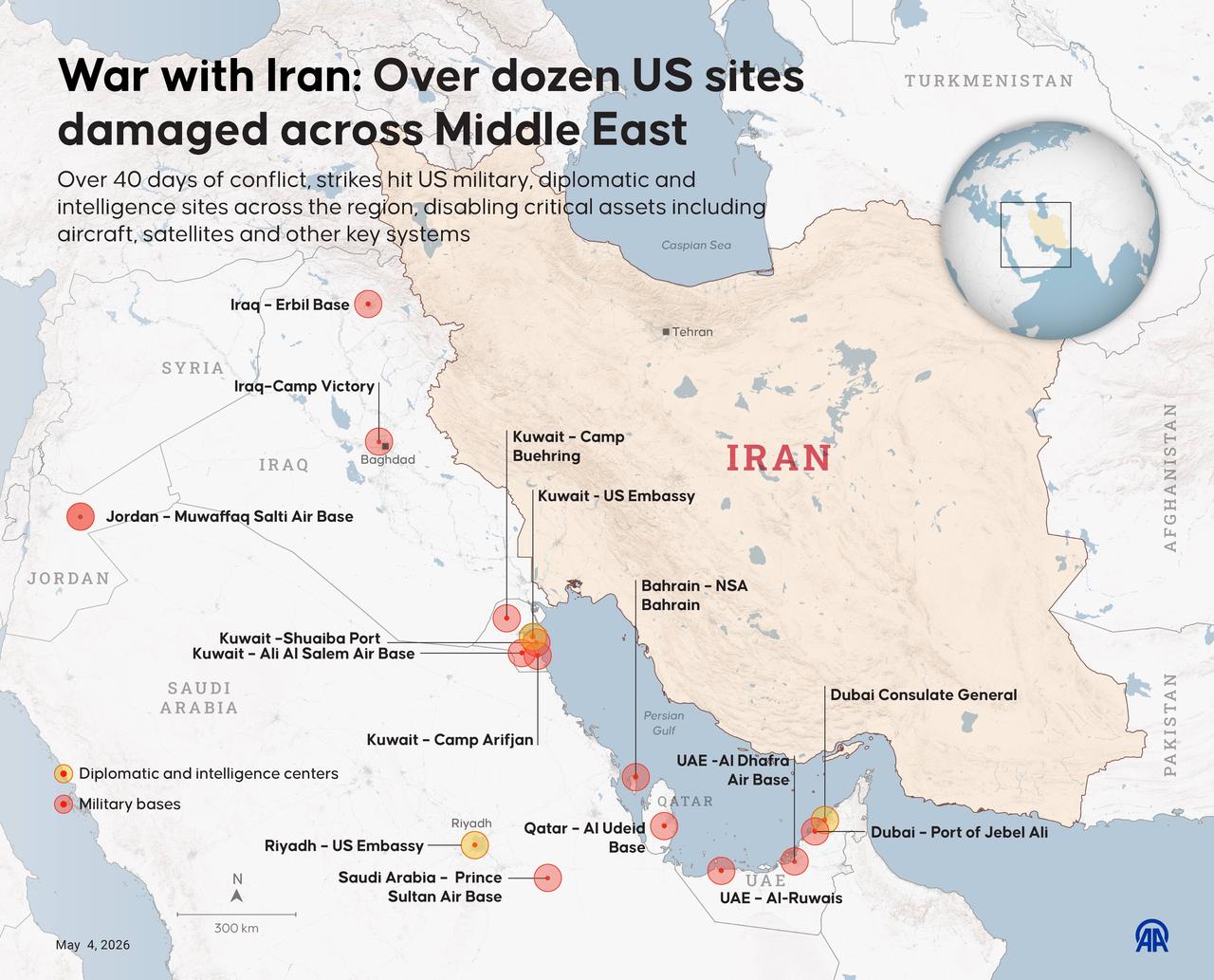
Iranian strikes have damaged 20 U.S. military facilities across the Middle East since the start of the U.S.-Israeli war against Tehran in February, according to a BBC analysis published on Monday.
The assessment, conducted by BBC Verify, examined satellite imagery and videos from multiple international providers, as well as archived images from Planet, to evaluate damage caused by Iranian attacks.
According to the report, the targeted facilities were located in Saudi Arabia, the United Arab Emirates, Qatar, Kuwait, Iraq, Jordan, Bahrain and Oman.

The findings come amid repeated statements by the White House that Iran’s military capabilities have been largely destroyed.
Analysts cited in the report argued that the observed damage suggests Iran’s retaliatory strikes were more precise and extensive than U.S. officials have publicly acknowledged.
Among the most significant losses identified were three advanced anti-ballistic missile battery systems at Al Ruwais and Al Sader airbases in the United Arab Emirates, as well as at the Muwaffaq Salti Airbase in Jordan.
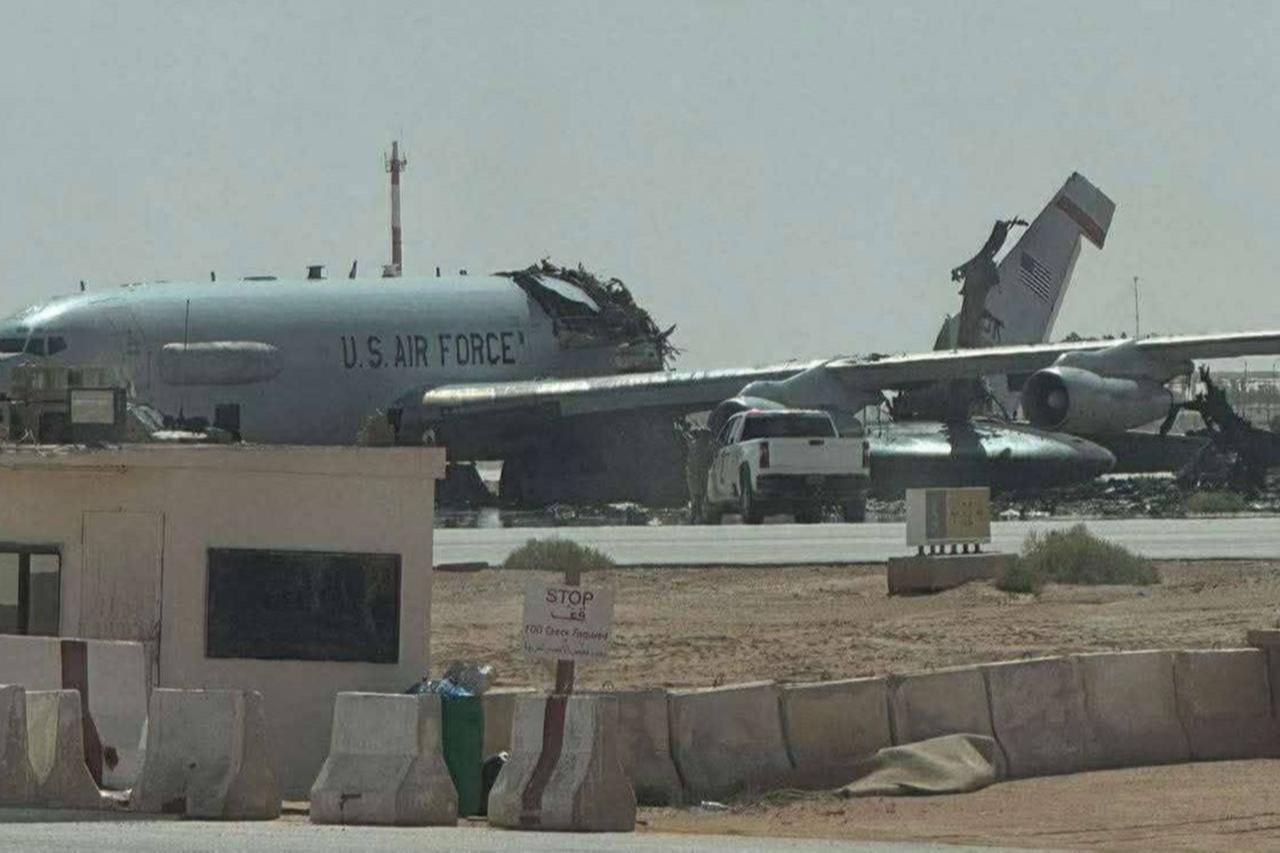
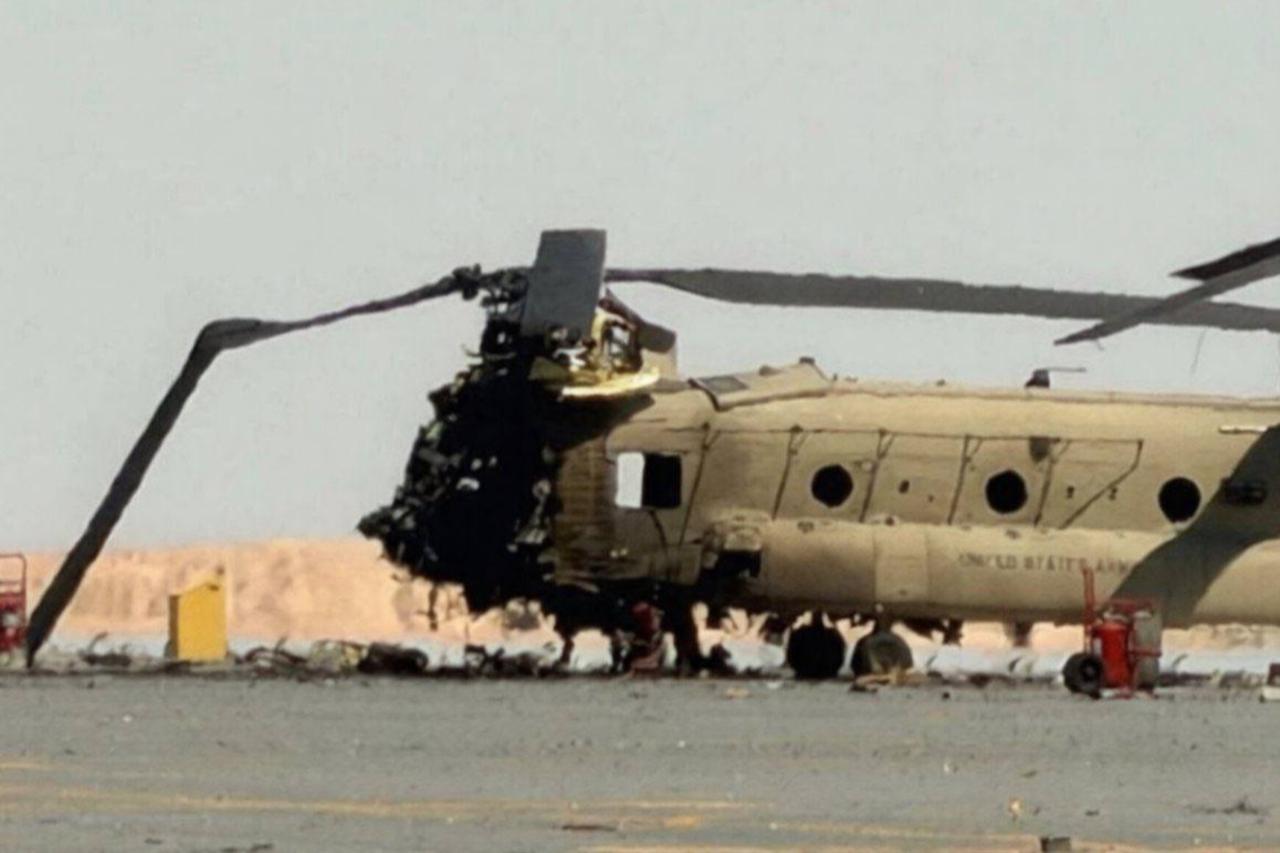
The analysis also indicated that Iranian attacks caused extensive damage to U.S. refueling and surveillance aircraft at Prince Sultan Airbase in Saudi Arabia.
Satellite images reportedly showed wrecked aircraft and burn marks at the facility.
According to the report, an analyst from the Military Analysis and Intelligence Assessment Research (MAIAR) identified one of the damaged aircraft as a Boeing E-3 Sentry airborne warning and control system surveillance plane, which U.S. media outlets estimate could cost up to $700 million to replace.
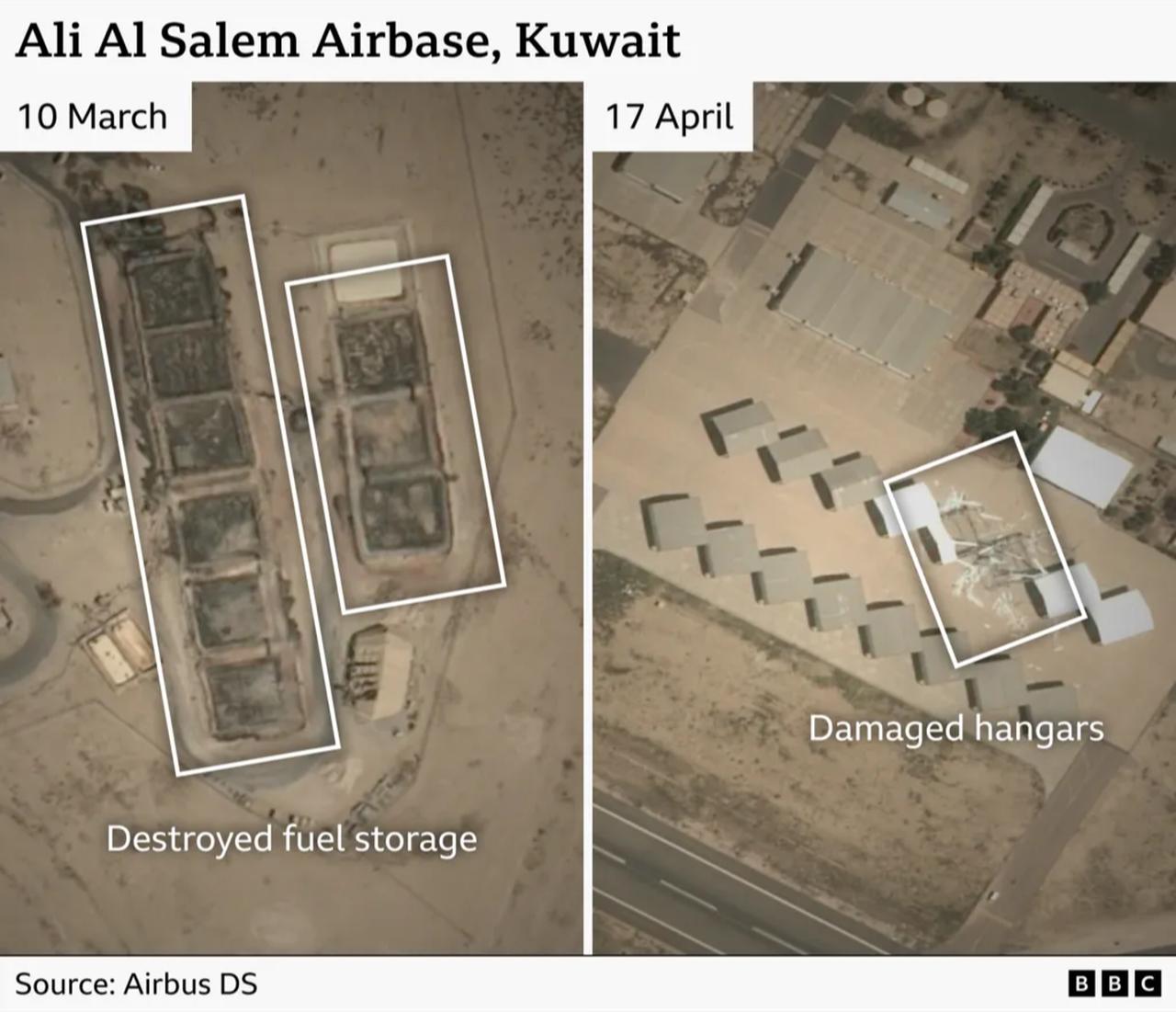
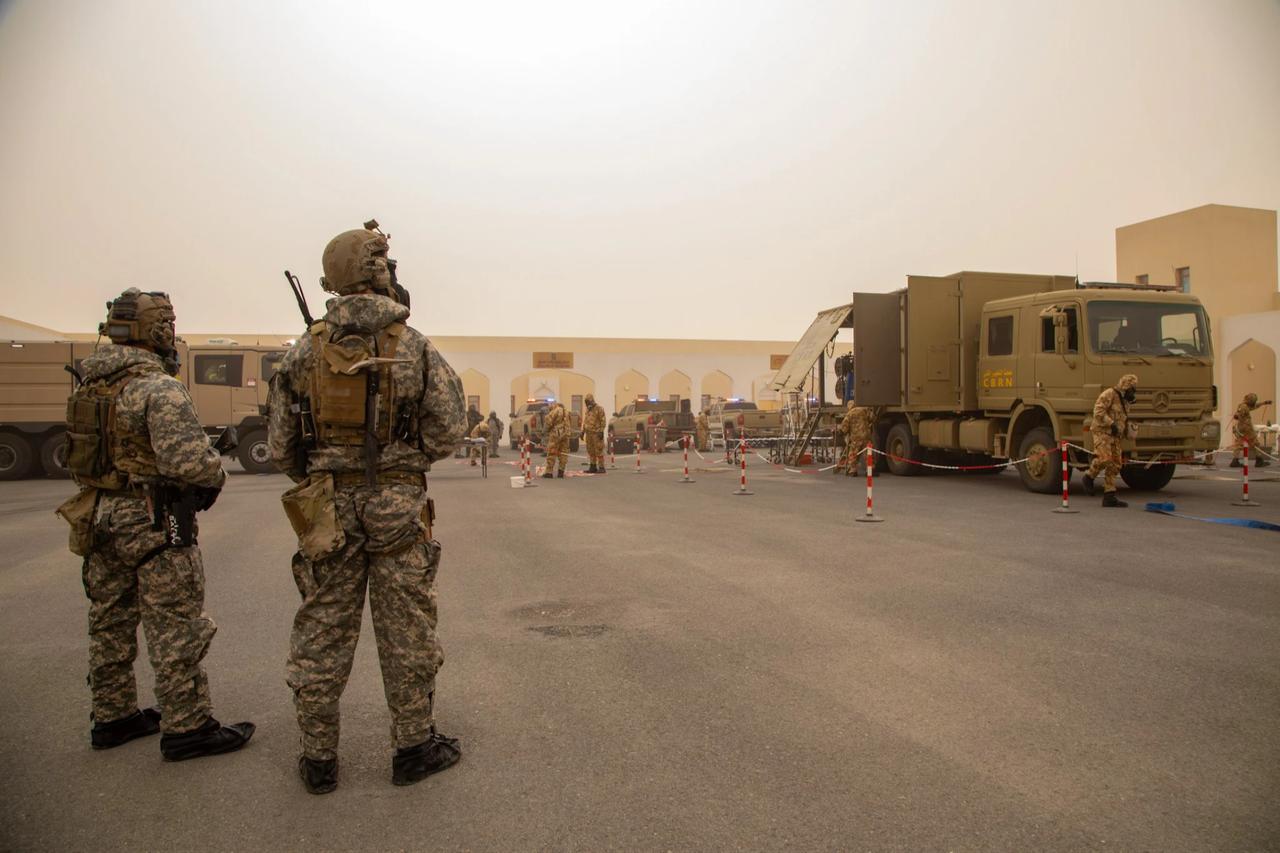
The report also said Iranian strikes hit Ali Al Salem Airbase and Camp Arifjan in Kuwait.
Analysts at MAIAR identified what they described as destroyed fuel storage bunkers, aircraft hangars and troop accommodation facilities in satellite imagery, suggesting the base was struck multiple times during the conflict.
At Camp Arifjan, defense intelligence firm Janes reportedly identified significant damage to satellite communications equipment.
Regional tensions escalated on Feb. 28 when the United States and Israel launched strikes on Iran.
Tehran responded with attacks targeting Israel and U.S. allies in the Gulf and by closing the Strait of Hormuz.
A ceasefire took effect on April 8 through Pakistani mediation, but subsequent talks in Islamabad failed to produce a lasting agreement.
Since then, Washington and Tehran have continued exchanging proposals and counterproposals in an effort to resume direct negotiations and reach a broader settlement to the conflict.


 Set as preferred source
 Set as preferred source


 1 min read
 1 min read


