

 Newsletters


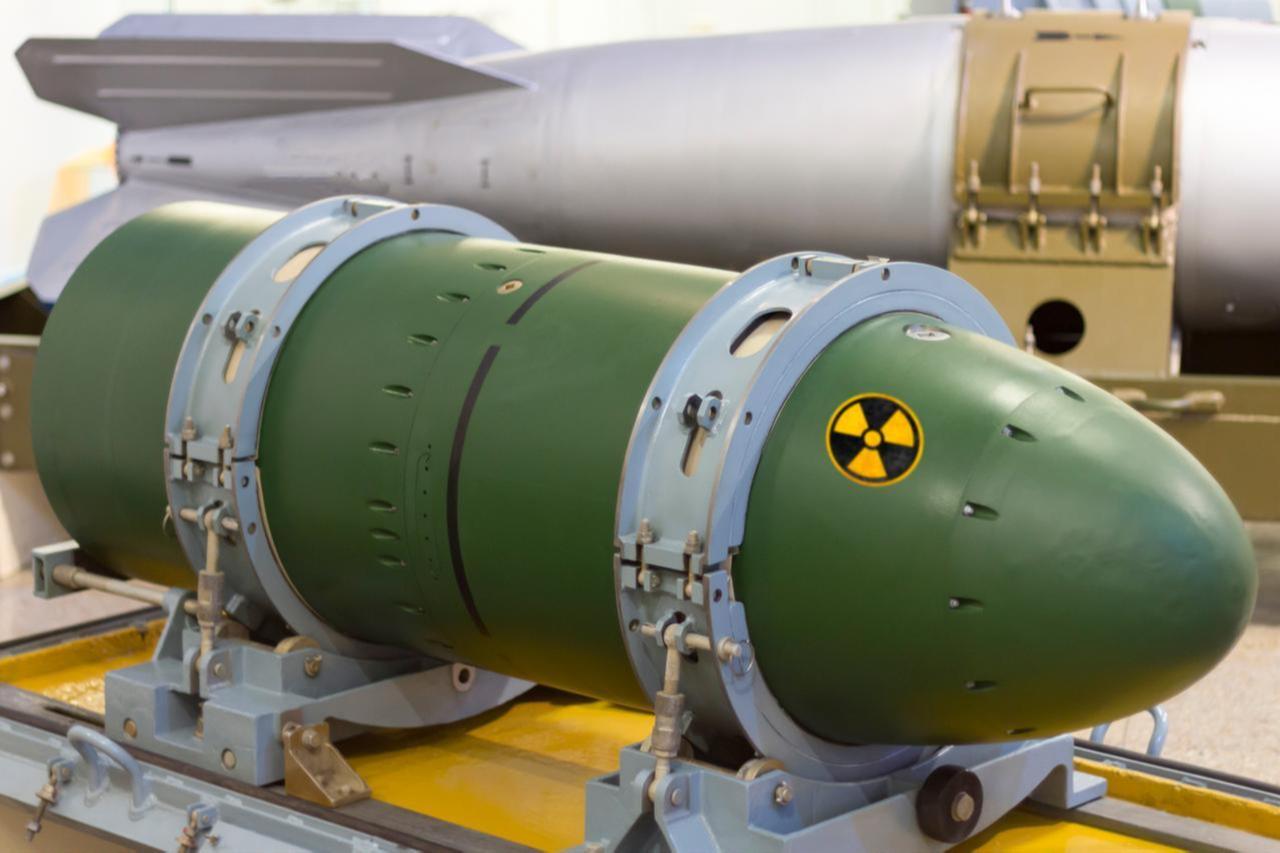


A Saudi geopolitical analyst has said Riyadh could activate its mutual defence pact with Pakistan if it enters a potential war involving Iran, raising the prospect of broader regional escalation.
In remarks reported by Canada’s CBC cited by Middle East Eye (MEE), Saudi analyst Salman al-Ansari said Saudi Arabia could rely on what he described as a “nuclear umbrella” linked to Pakistan’s capabilities if conflict intensifies.
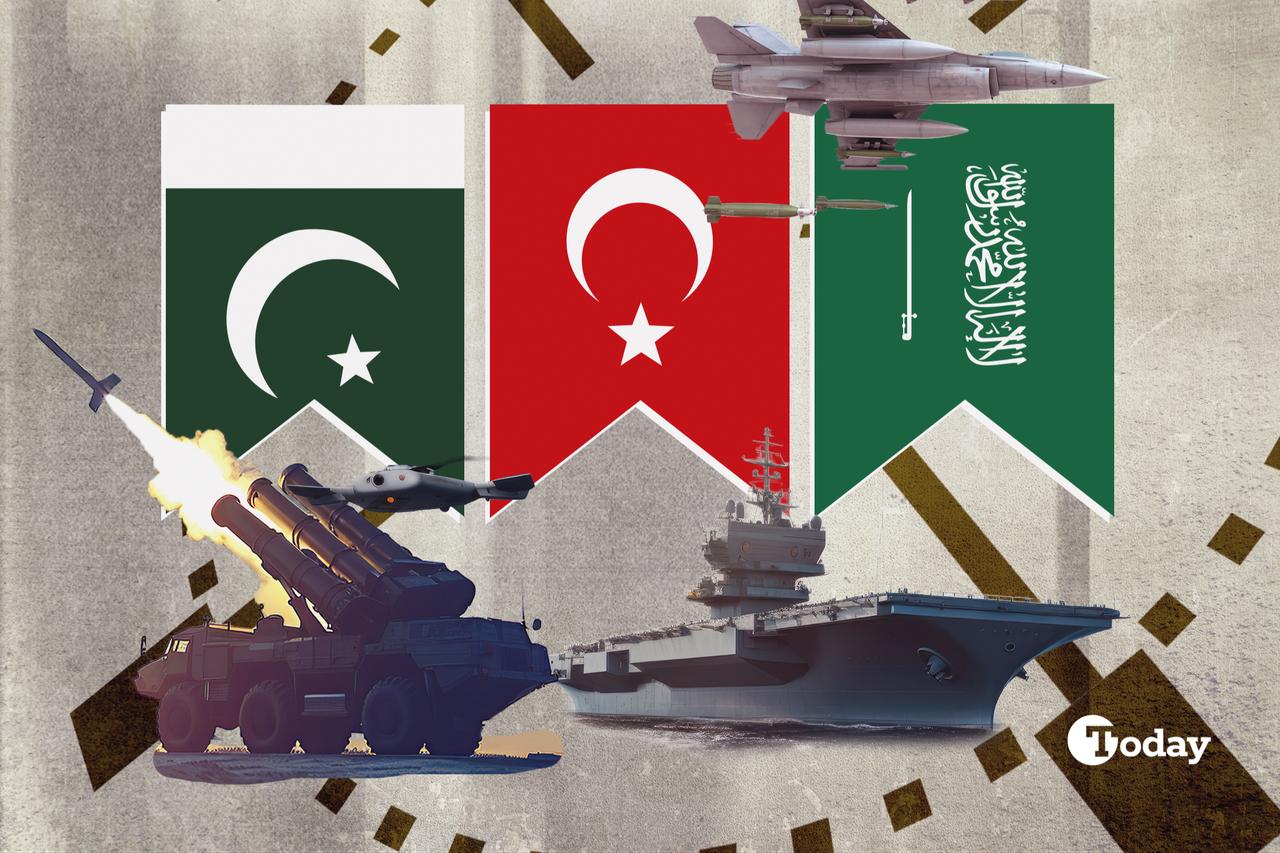
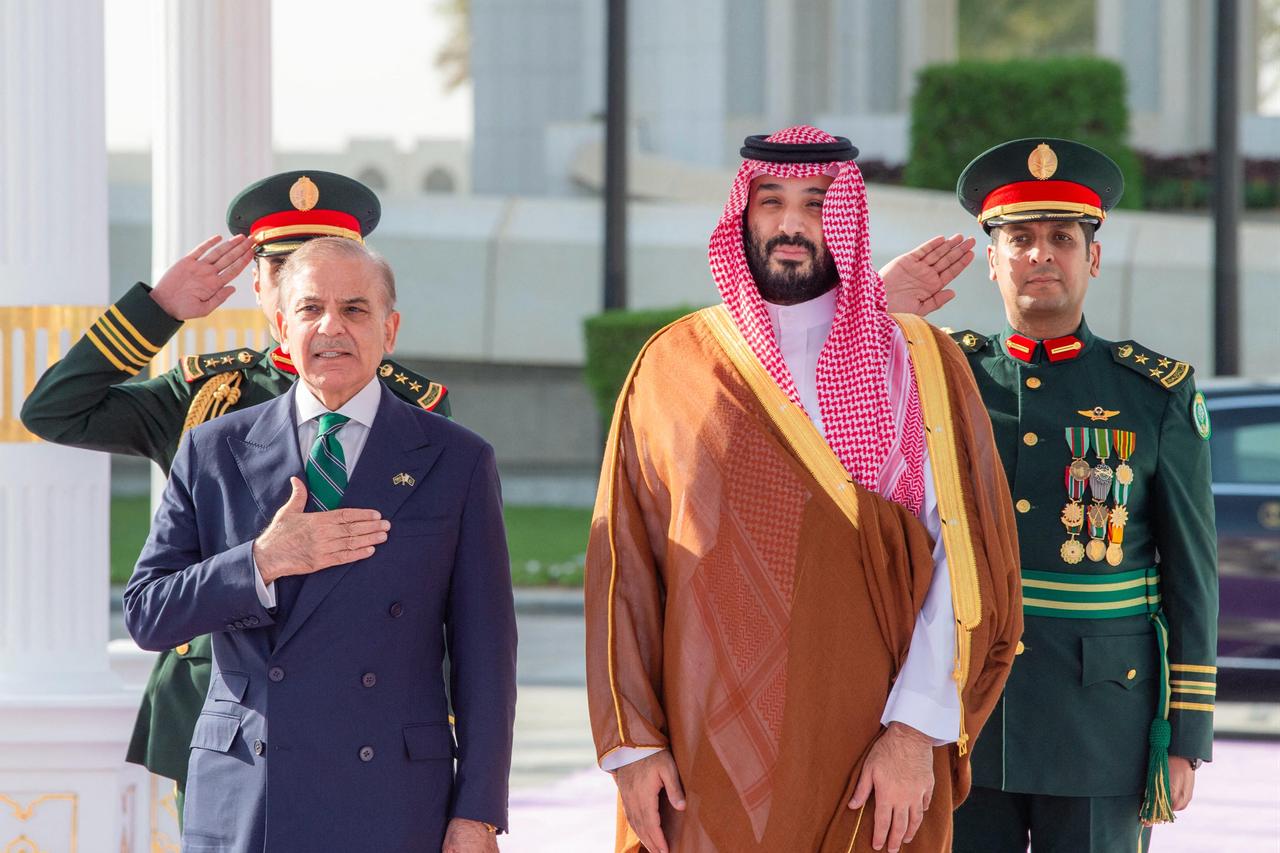
Saudi Arabia and Pakistan signed a bilateral defence agreement last year, built on a collective defence principle under which an attack on one country is treated as an attack on both.
The arrangement suggests Islamabad could be expected to assist Riyadh in the event of sustained aggression.
The comments come amid heightened tensions, with Saudi Arabia reporting attacks on its territory, including strikes on energy infrastructure and strategic sites.
Disruptions linked to Iran’s control of the Strait of Hormuz have also affected Saudi oil exports, although alternative pipeline routes have allowed partial continuity.
While Gulf states, including Saudi Arabia, have previously urged restraint, debate is growing in Riyadh over the extent of support for potential US-led operations against Iran.
 1 min read
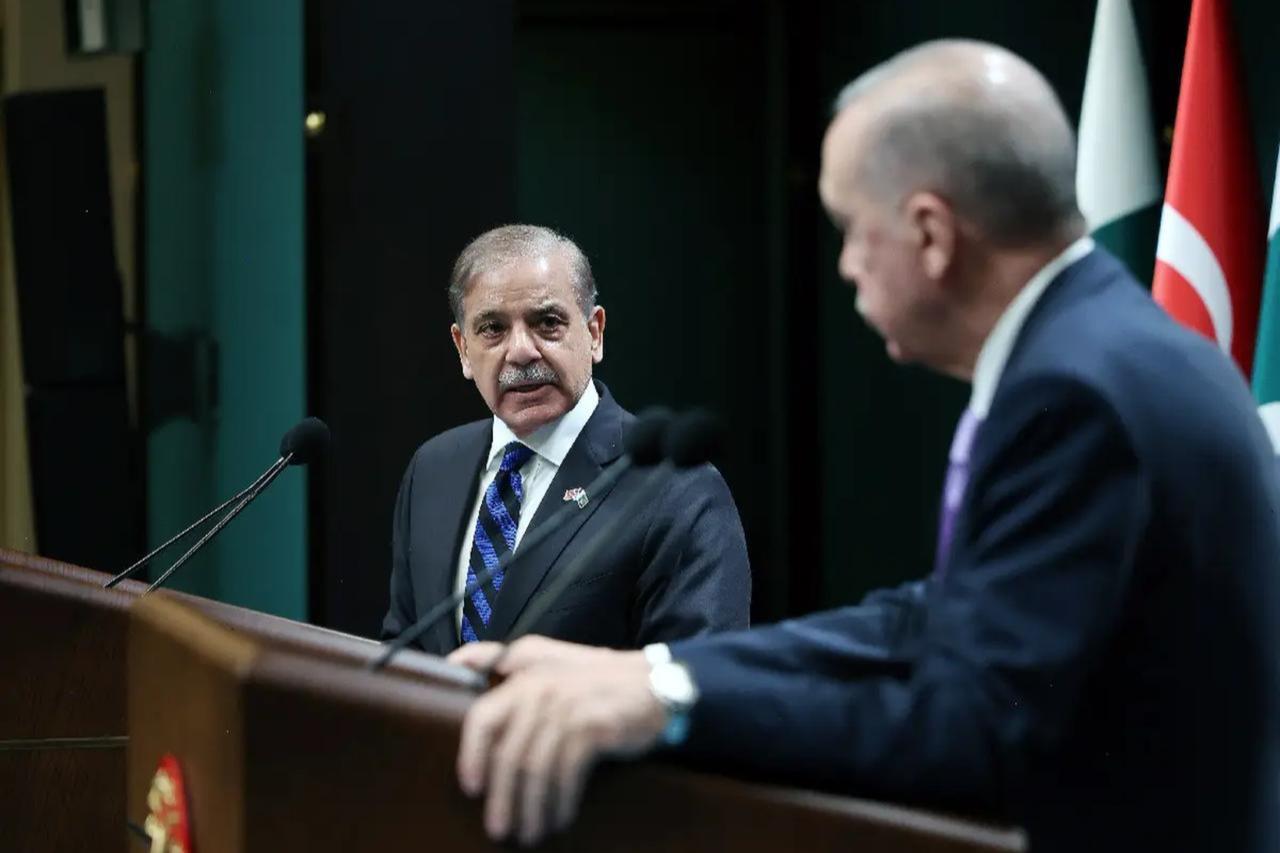

Pakistan has meanwhile played a mediating role amid the increasing military tension in the Gulf region.
Foreign Minister Ishaq Dar confirmed he raised the issue with Iranian officials, who sought assurances that Saudi territory would not be used to launch attacks.
“We have a defence pact with Saudi Arabia, and I conveyed this to the Iranian side,” Dar said.
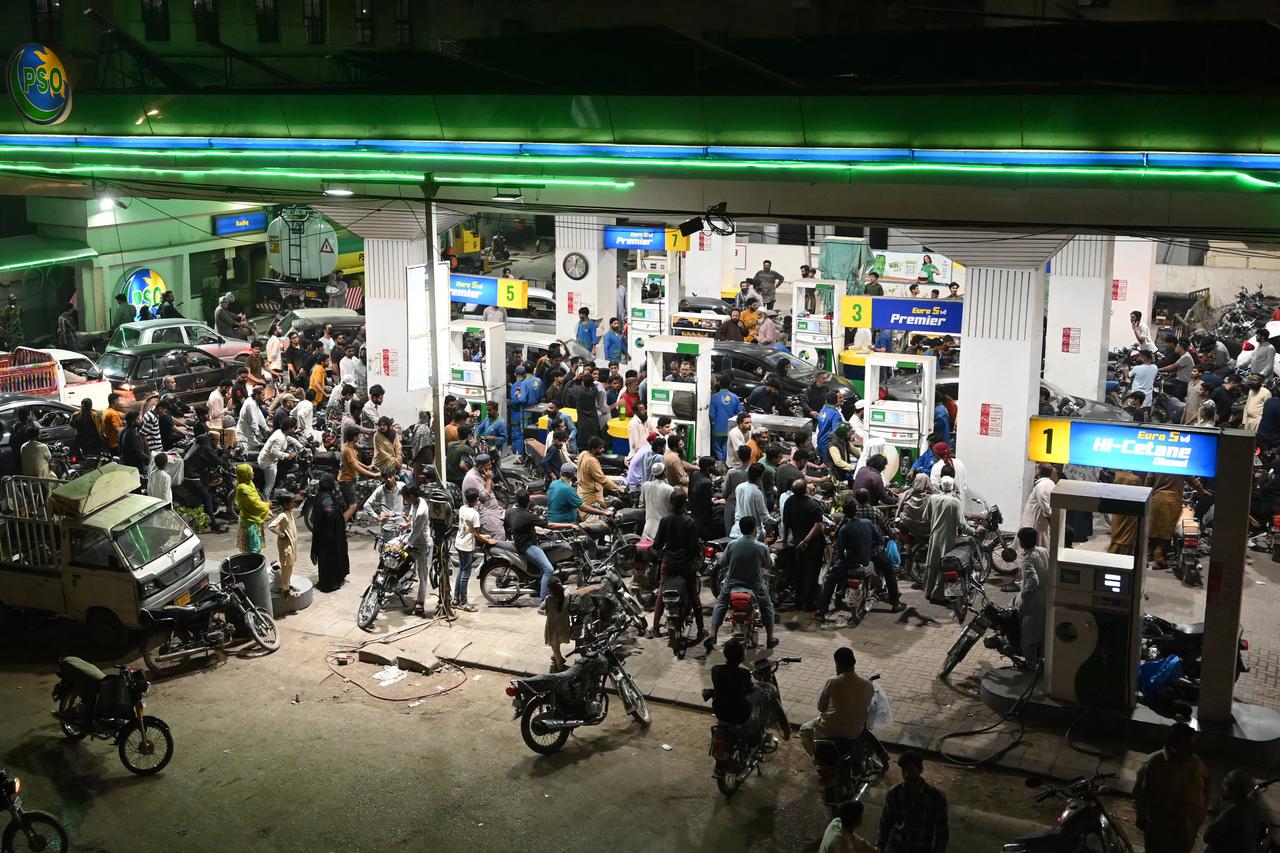
Pakistan remains economically tied to Gulf energy supplies.
In a recent development, a Pakistan-flagged vessel transported non-Iranian crude through the Strait of Hormuz, reportedly after negotiations facilitating its passage.
The Saudi Defense Ministry said Wednesday evening that air defense systems had intercepted and destroyed four ballistic missiles targeting the capital Riyadh.
Four people were injured by debris falling from an intercepted ballistic missile in the capital.
A ministry statement said debris from aerial interceptions fell across various areas in the city.
Regional escalations continued to rage as Israel and the US have maintained a joint offensive on Iran since Feb. 28, killing so far around 1,300 people, including then-Supreme Leader Ali Khamenei.
Iran has retaliated with drone and missile strikes targeting Israel, Jordan, Iraq, and Gulf countries hosting US military assets, causing casualties and damage to infrastructure while disrupting global markets and aviation.


 Set as preferred source
 Set as preferred source


 1 min read


