Newsletters


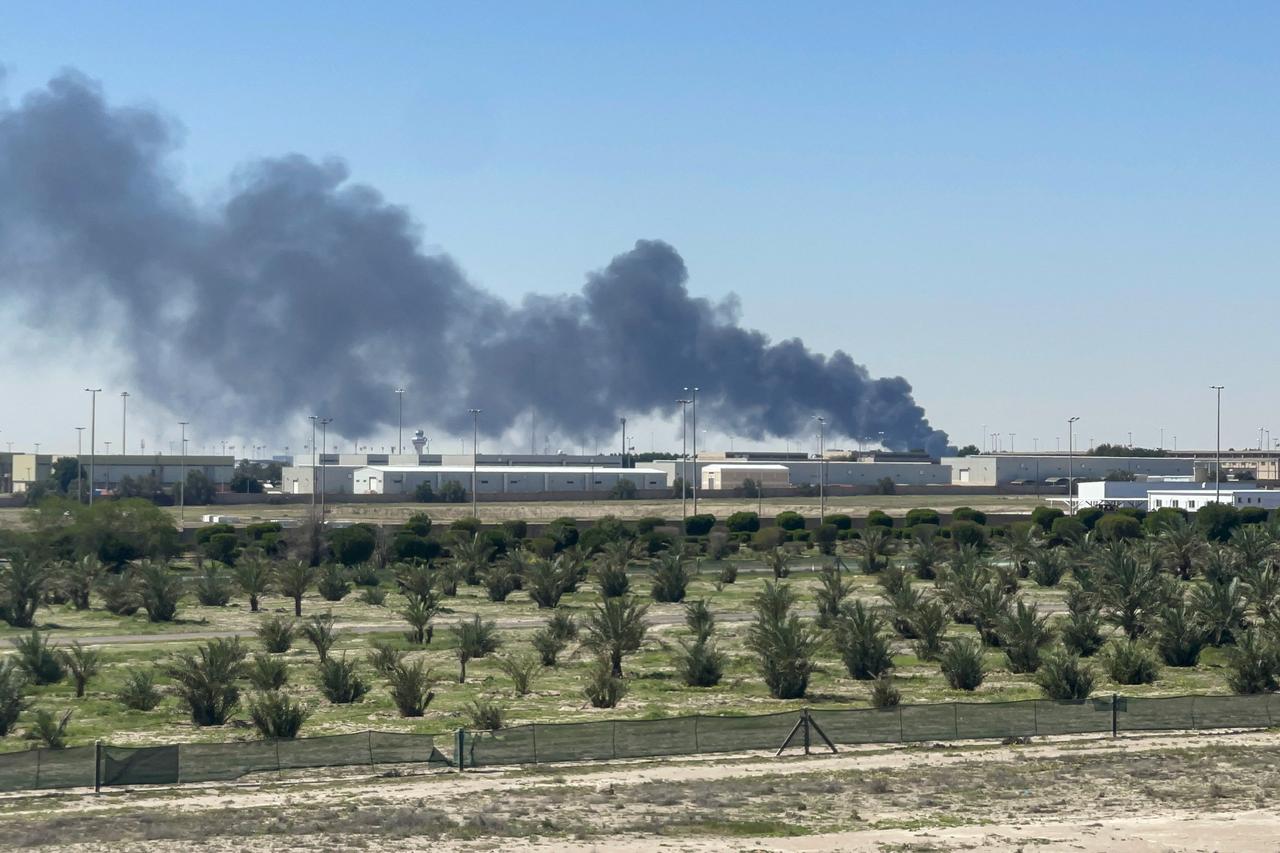


Saudi Arabia, Kuwait and Bahrain faced missile and drone attacks overnight, with air defense systems intercepting incoming threats as tensions continued to rise in the Middle East.
The attacks occurred early Friday as the U.S.-Israeli war on Iran entered its 35th day, with Gulf countries hosting U.S. military assets increasingly targeted in retaliatory strikes.
Kuwait said it repelled missile and drone attacks, while Saudi Arabia confirmed it intercepted and destroyed a drone in its airspace. In Bahrain, warning sirens sounded three times overnight, prompting authorities to urge residents to seek shelter.
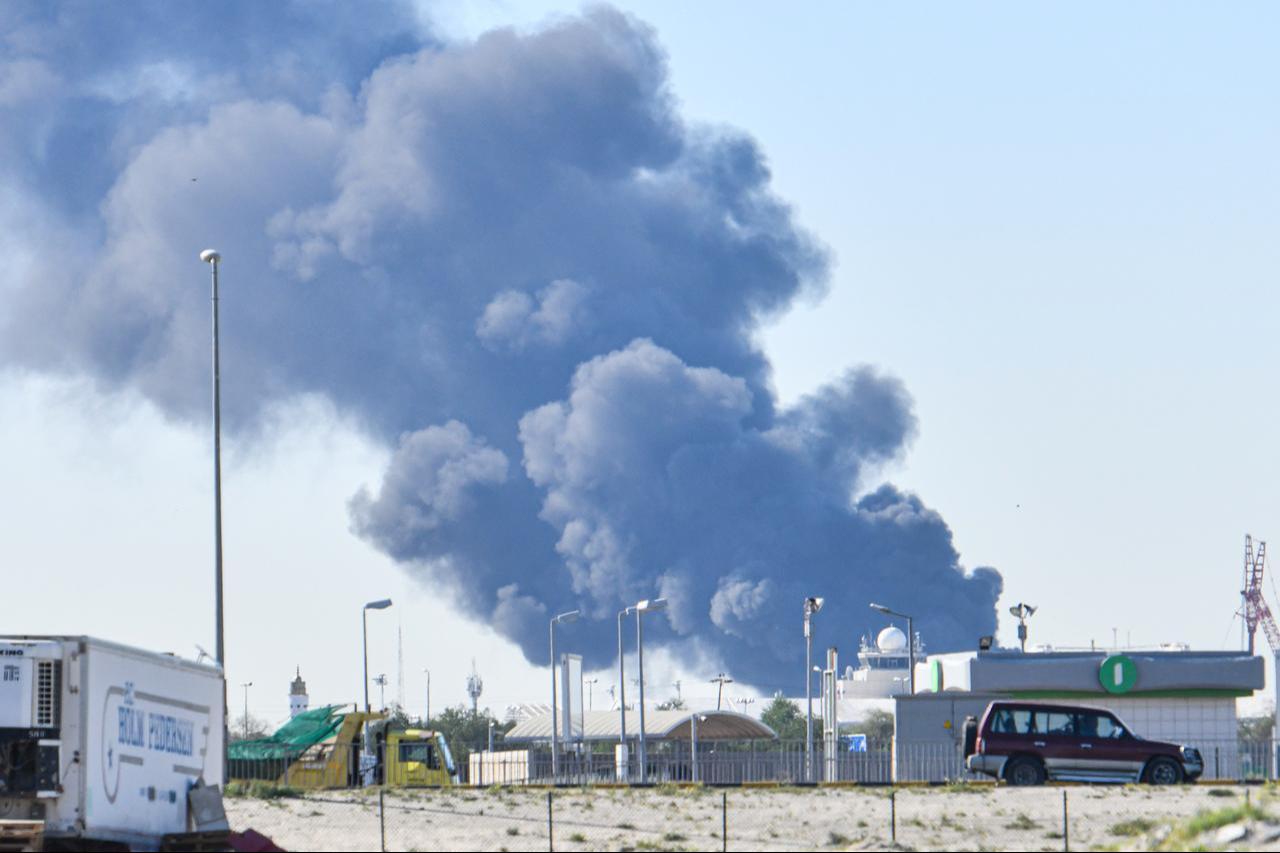

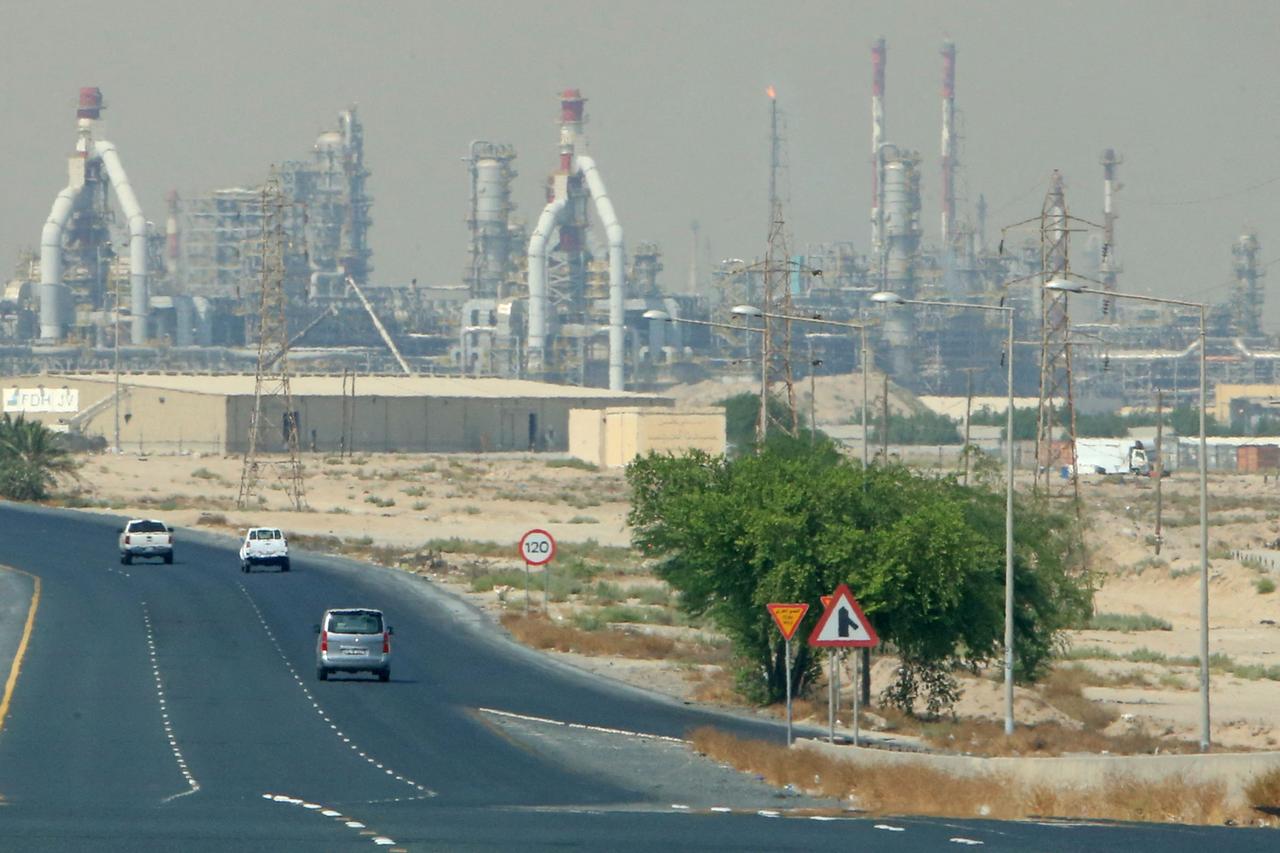
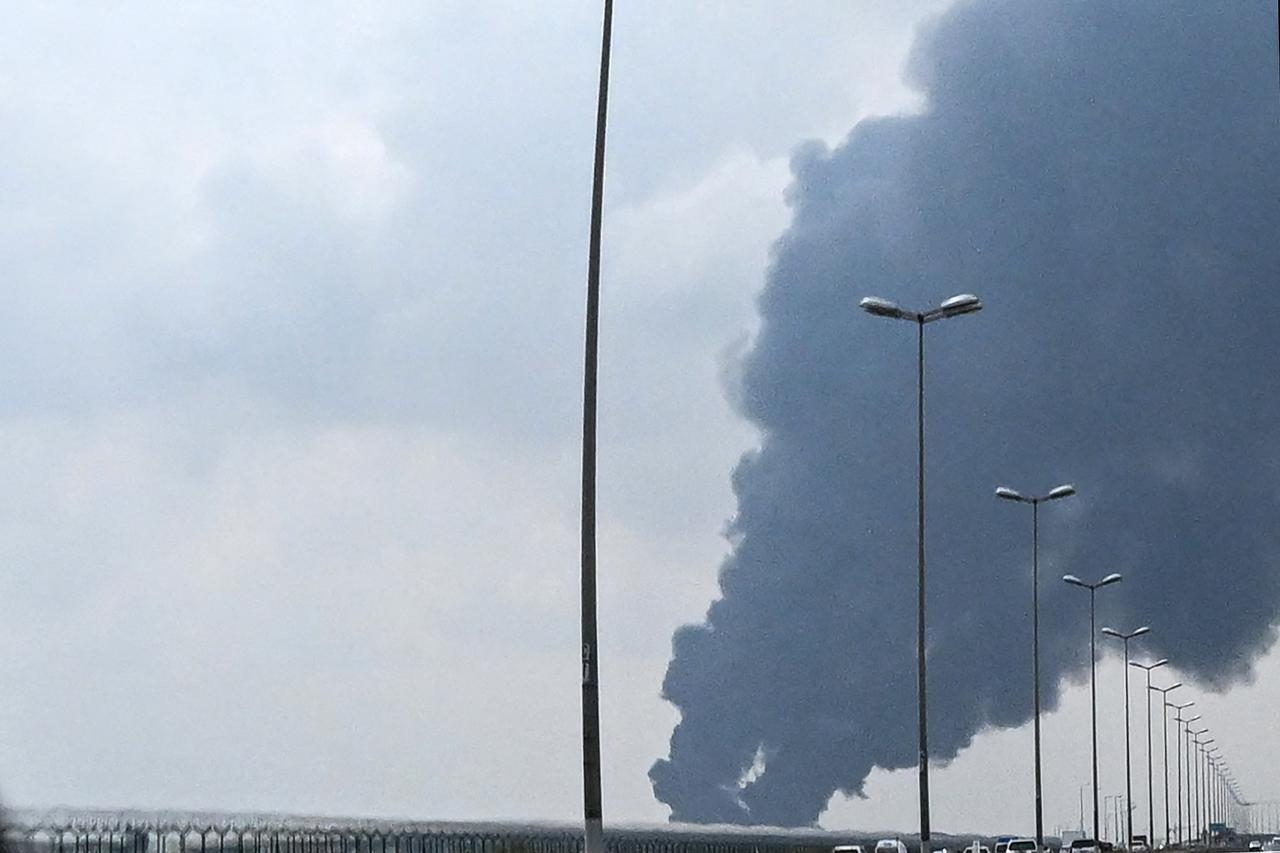
The Kuwaiti army said its air defense systems successfully intercepted hostile missiles and drones, adding that the explosions heard were the result of interception operations.
Authorities urged residents to follow safety instructions during the incidents.
In a separate statement, Kuwait’s National Guard dismissed rumors circulating on social media about a possible radiation leak, confirming that radiation levels in the air and territorial waters remain within normal limits.
The statement added that specialized teams continue to monitor the situation around the clock in coordination with relevant authorities, with systems operating efficiently to ensure public safety.
In Bahrain, the Interior Ministry said warning sirens were activated three times since early Friday, advising citizens to move to the nearest safe locations.
The ministry did not provide further details, but noted that sirens are typically used when potential threats or attacks are detected.
Saudi Arabia’s Defense Ministry said it intercepted and destroyed a drone targeting the kingdom in recent hours, without disclosing additional information.
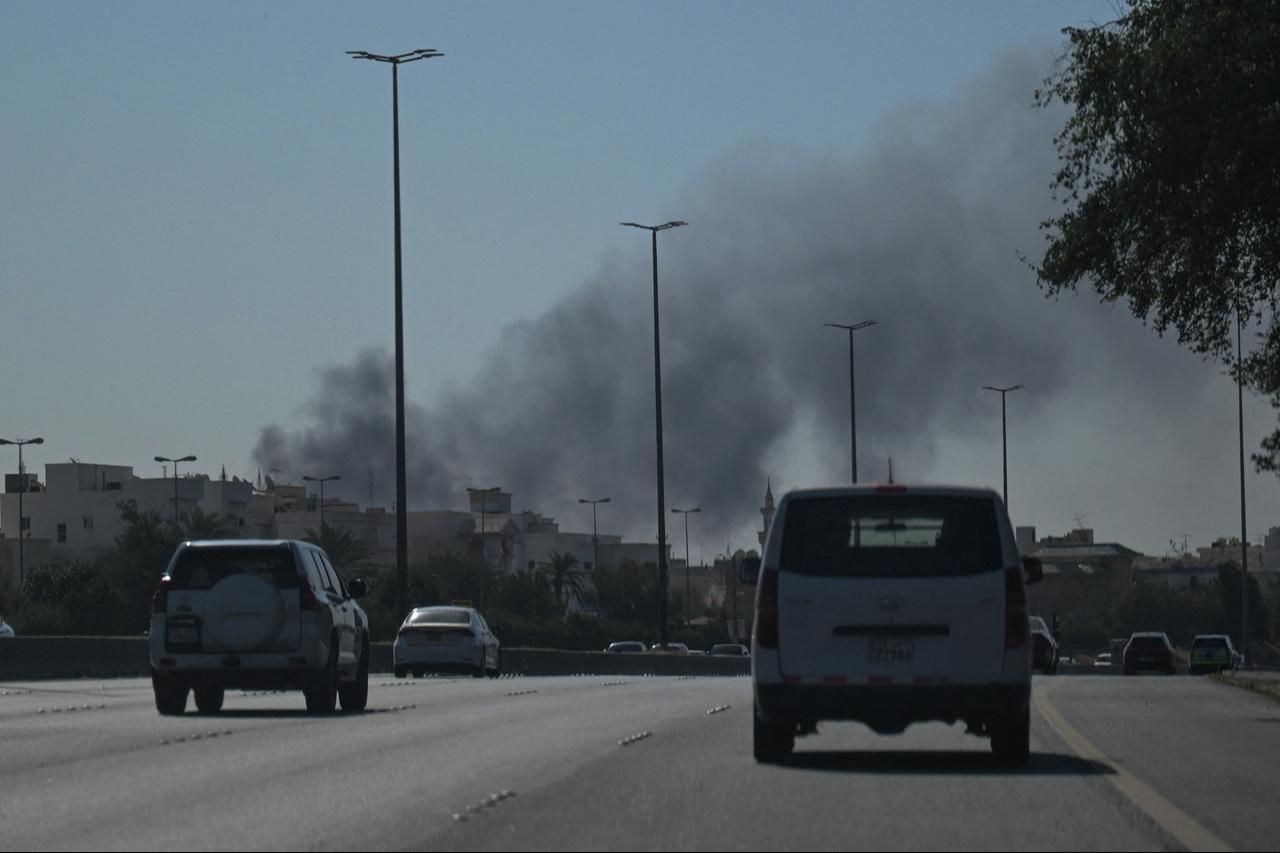
The overnight developments come amid escalating regional tensions following U.S. and Israeli strikes on Iran that began on Feb. 28.
Iran has responded with drone and missile attacks targeting Israel, as well as countries including Jordan, Iraq and Gulf states hosting U.S. military assets.
The attacks have caused casualties, damaged infrastructure and disrupted global markets and aviation, as the conflict continues to widen across the region.


 Set as preferred source
 Set as preferred source


 1 min read
 1 min read