Newsletters





Saudi Arabia’s ambassador to Yemen, Mohammed Al Jaber, accused the Houthis of pursuing violence and escalation instead of peace, saying the group was serving foreign agendas at the expense of Yemen and its people.
In a series of posts on X, Al Jaber said Saudi Arabia had supported and would continue to support deescalation efforts, peace initiatives and the work of the U.N. special envoy to Yemen toward a comprehensive political settlement.
He said such a solution was needed to end the suffering of the Yemeni people.
Al Jaber accused the Houthis of turning Yemen into a bargaining chip for external powers.
“The terrorist Houthi militia continues to insist on pursuing the path of escalation and violence instead of the path of de-escalation and peace,” he said.
He said the group was acting in support of external agendas unrelated to Yemen and contrary to the interests of the Yemeni people.
Al Jaber also accused the Houthis of using Yemen whenever outside parties sought to advance their interests, while worsening insecurity, hunger and ongoing violations in areas under their control.
He said the group promoted false claims and attempted to shift responsibility abroad for the humanitarian crisis it had caused.
Al Jaber said Saudi Arabia would continue supporting initiatives to reopen Sanaa airport to commercial flights and enable Yemenis to travel.
He accused the Houthis of preventing flights from operating under what he called weak pretexts.
Saudi Arabia would also continue supporting the arrival of ships at Hodeidah ports to meet the needs of the Yemeni population, he said.
Al Jaber accused the Houthis of continuing attacks on civilian commercial vessels in the Red Sea, threatening international navigation and regional security.
He said peace could not be achieved through slogans or political maneuvering, but required a sincere commitment that placed Yemen and its people above violence, dependence and foreign agendas.
Saudi Arabia would continue supporting the Yemeni people across the country and backing Yemen’s internationally recognized government until security, stability and peace were restored, he added.


The Iran-backed Houthis announced July 20 that they had introduced what they described as a “maritime navigation ban” against Saudi Arabia.
The group accused Riyadh of imposing a blockade on areas of Yemen under Houthi control.
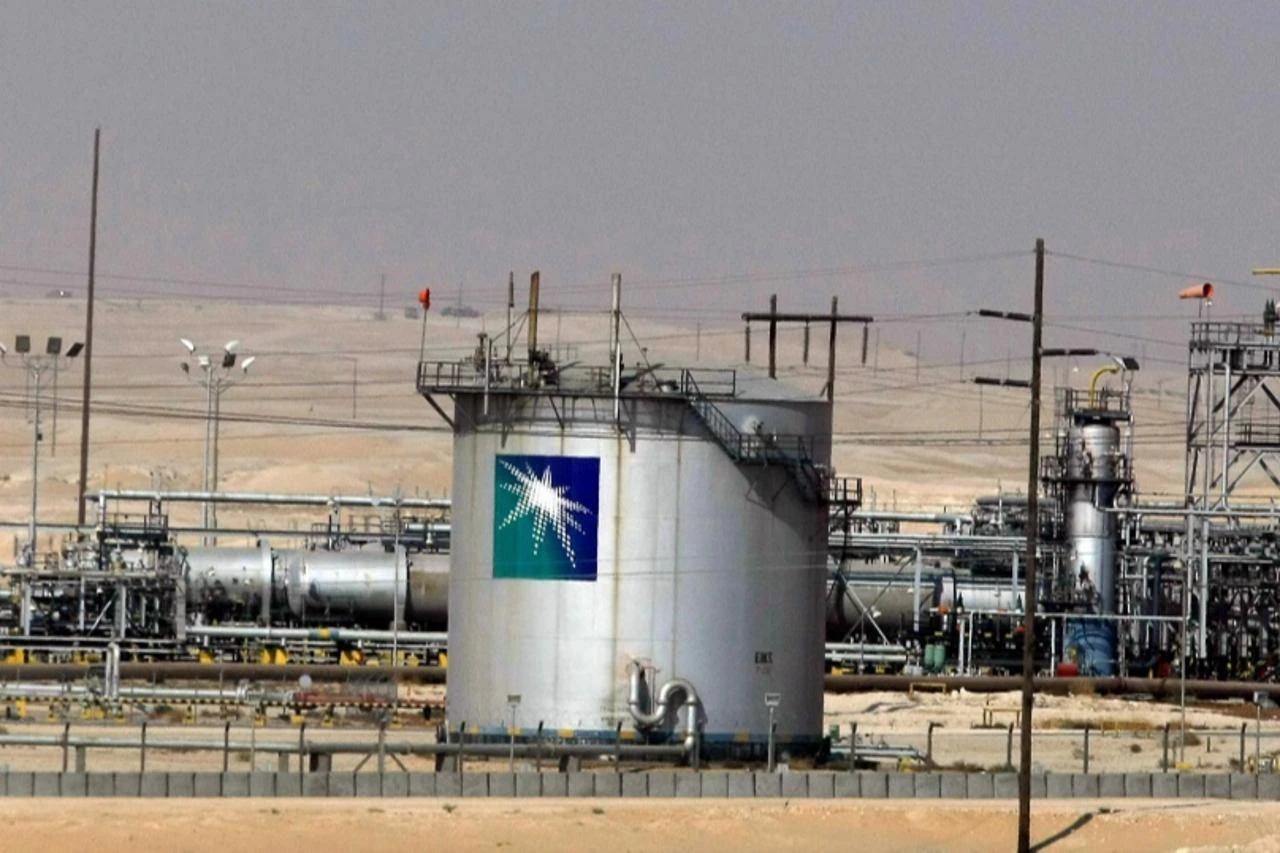
On July 22, the Houthis claimed they had targeted two Saudi oil tankers in the Red Sea with ballistic missiles and drones, causing fires aboard the vessels.
Saudi Arabia rejected the allegations that it was blockading Yemen.
Riyadh said the ports of Hodeidah, Salif and Ras Isa received more than 300 vessels carrying food, fuel and construction materials during the first half of 2026.
Saudi Arabia also said it would take necessary measures to protect its ships under international law and the U.N. Convention on the Law of the Sea.
The Houthis have controlled the capital, Sanaa, and several other provinces since September 2014.


 Set as preferred source
 Set as preferred source


 1 min read
 1 min read