Sign in
 Newsletters


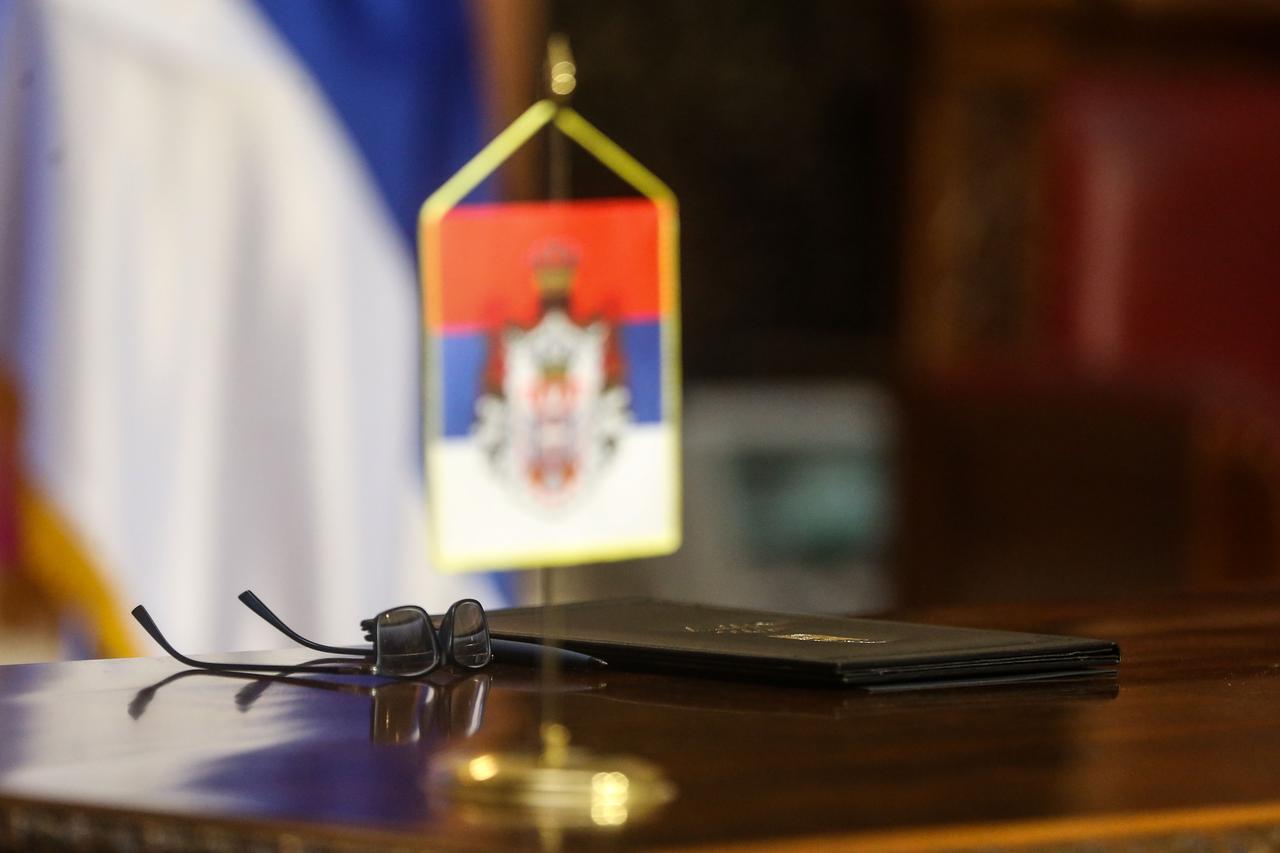


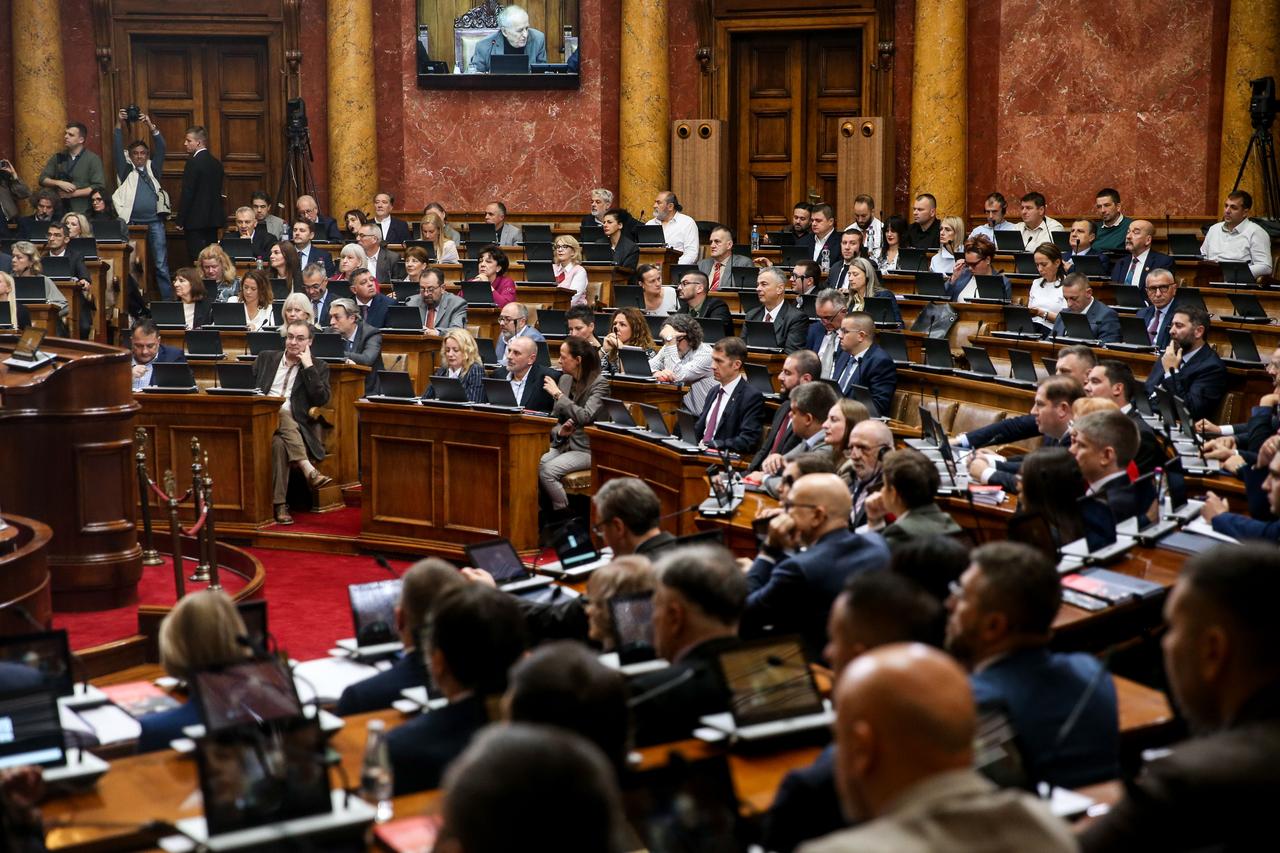
Serbia will hold an early presidential election on Dec. 27, Parliament Speaker and acting President Aleksandar Cupic announced Thursday, following former President Aleksandar Vucic's resignation and his party's defeat by a student-led movement in October's parliamentary elections.
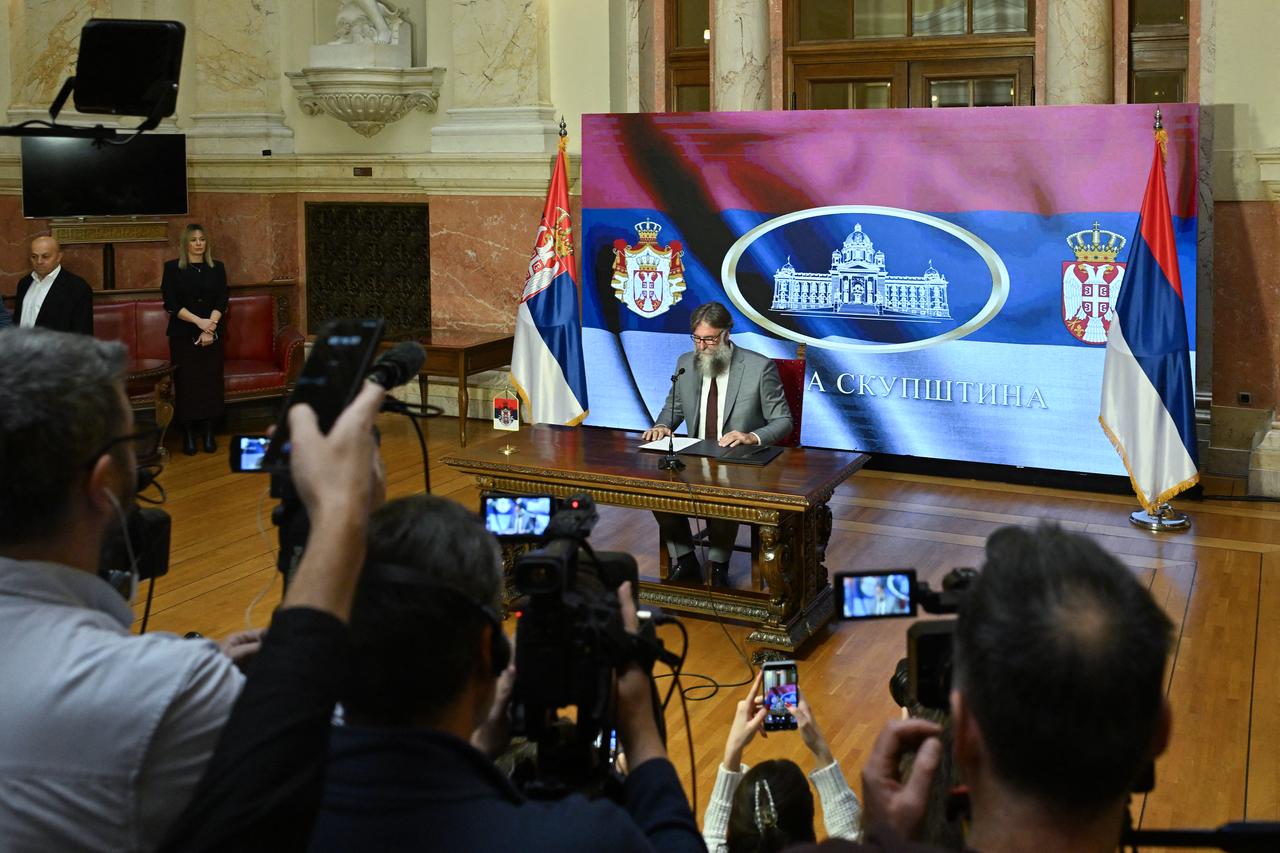
Cupic signed the decision at the National Assembly in Belgrade, formally launching the electoral process a day before the legal deadline.
The election will take place just over two months after the Oct. 25 parliamentary vote, in which the student-backed opposition secured a decisive victory over Vucic's Serbian Progressive Party (SNS), ending its 14-year dominance of Serbian politics.
"I urge all citizens to act responsibly and vote on December 27 so that the will of the people produces a president with a strong mandate who embodies national unity," Cupic said.
"I hope we will have a difficult choice between outstanding candidates and their programs," he added.
Vucic resigned Sept. 27, cutting short his second presidential term to pursue the premiership in the parliamentary elections. His party subsequently lost to the student-led opposition.
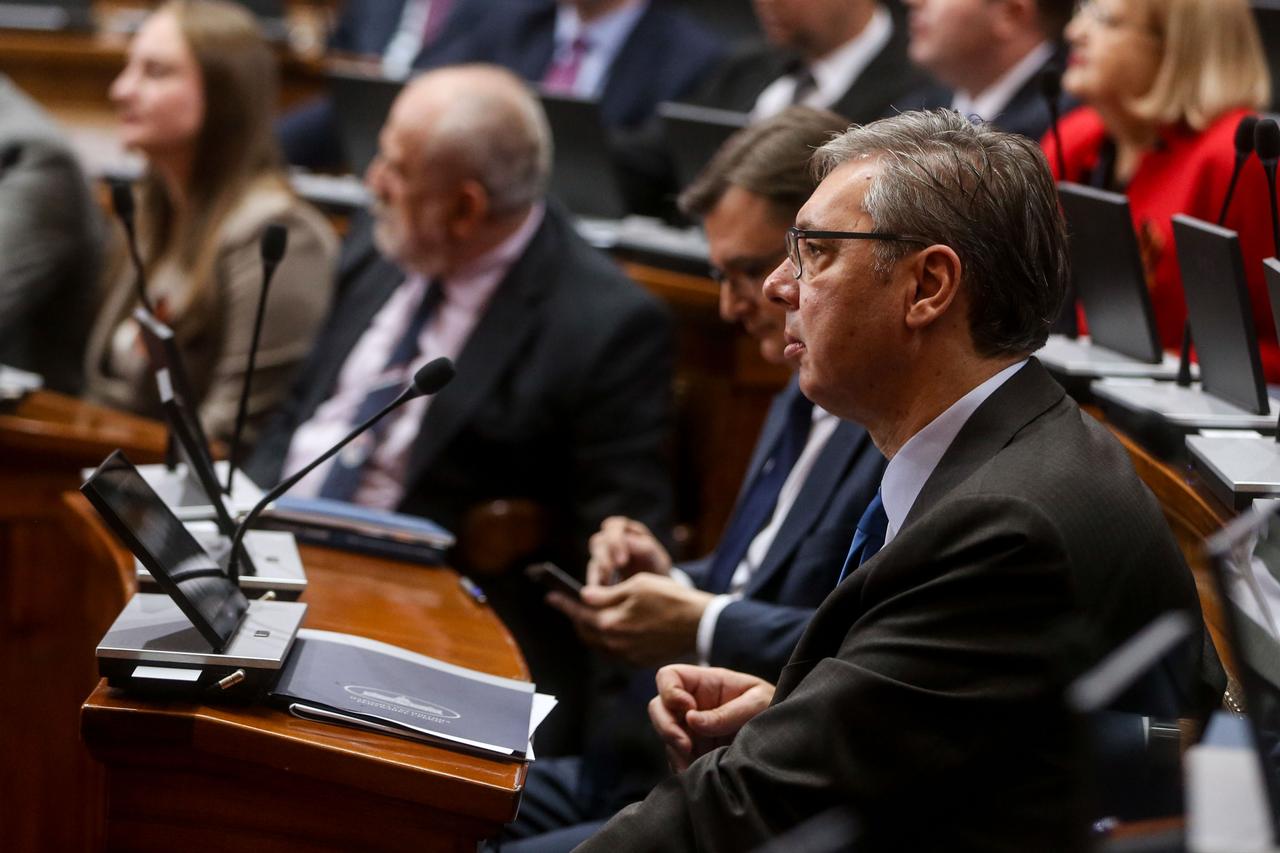
The former president now serves as an opposition lawmaker and heads the parliamentary group Serbia Wins.

The Students' List, which won 140 seats in Serbia's 250-member Parliament, has already selected a presidential candidate but has yet to publicly announce the name.
The movement's parliamentary victory followed nearly two years of mass anti-government demonstrations that challenged Vucic's leadership and called for greater accountability and an end to corruption.
Cupic, who was elected Parliament speaker on Nov. 19 with the backing of the student movement, assumed the responsibilities of acting president from his predecessor, Ana Brnabic.
Other political figures have also expressed interest in the presidency, including Branimir Nestorovic, leader of the We—Voice from the People movement, and businessman Bogoljub Karic.
Meanwhile, Vucic has suggested that his SNS party could boycott the presidential election, although no final decision has been announced.
Vucic himself is barred from seeking another presidential term under Serbia's constitutional two-term limit.
The political changes followed months of protests sparked by the collapse of a railway station canopy in the northern Serbian city of Novi Sad on Nov. 1, 2024, which killed 16 people.
The disaster at the recently renovated station prompted allegations of corruption and negligence, triggering a student-led protest movement that grew into Serbia's largest demonstrations since the overthrow of Slobodan Milosevic in 2000.
Initially focused on demands for accountability and a transparent investigation, the protests gradually developed into a broader political movement demanding early elections.
Vucic eventually called snap parliamentary elections, but the October vote delivered a majority to the student-backed opposition.
His SNS party secured 103 seats, while parties representing national minorities won the remaining seven.
The parliamentary result marked a major change in Serbia's political landscape, with the student movement gaining control of the legislature after years of SNS dominance.
 2 min read
Under Serbian law, a presidential election must be held within three months of a president leaving office before completing a term.
Cupic's announcement sets the vote for Dec. 27, exactly three months after Vucic's resignation.
Serbia's president is elected by direct popular vote for a five-year term. If no candidate secures an absolute majority in the first round, the two leading candidates advance to a runoff.
Although the presidency is largely ceremonial, the office carries important constitutional responsibilities, including nominating a prime minister-designate and serving as commander-in-chief of the armed forces.
The December election will determine Vucic's successor as Serbia continues its political transition following the student movement's parliamentary victory.


 Set as preferred source
 Set as preferred source



 1 min read