Newsletters




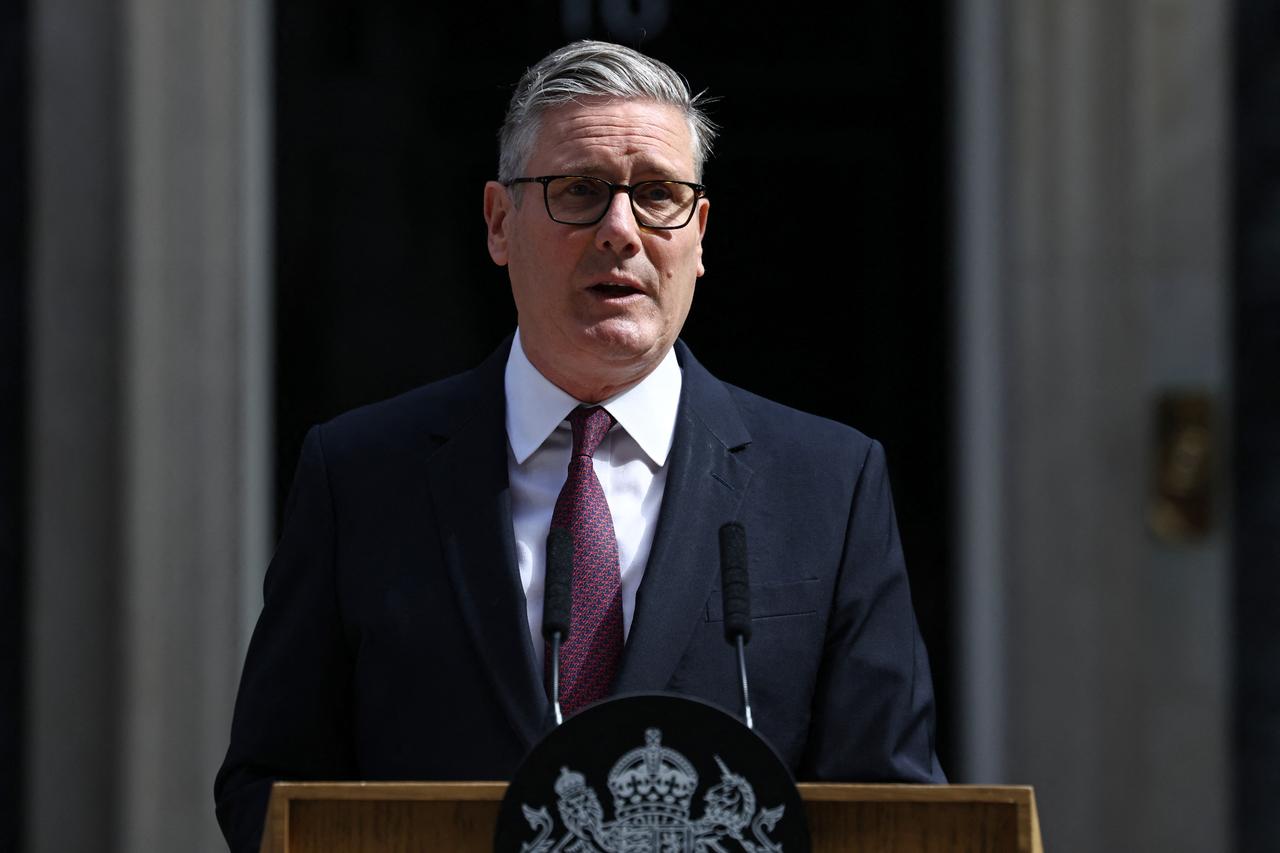
Outgoing British Prime Minister Keir Starmer will unveil a long-delayed defense investment plan (DIP) on Tuesday that includes £5 billion ($6.6 billion) for drones and other uncrewed systems, but which falls short of matching key NATO allies and is unlikely to satisfy senior military figures who have called for more funding.
The plan will raise the United Kingdom's defense spending to roughly £14.5 billion above previously planned levels, an increase of around £1 billion secured in the wake of Defense Secretary John Healey's resignation earlier this month.
The settlement has been signed off by Starmer's expected successor, Andy Burnham, and follows months of tense negotiations between the Ministry of Defense and the Treasury that culminated in Healey's decision to quit.
According to the plan, military spending will reach only 2.69% of GDP by 2030, putting Britain well behind several other NATO allies.
Germany is set to spend 3.7% of GDP by 2030, Sweden has pledged 3.5% by the same date, and Poland is already spending 4.48%, with Lithuania at 4%, Latvia at 3.73% and the United States at 3.22%.
Shadow Defense Secretary James Cartlidge said the figure barely moves beyond what triggered Healey's resignation.
"John Healey resigned because Starmer would only spend 2.68% of GDP by 2030. The deal Dan Jarvis is praising today represents only 2.69% of GDP in 2030. This is £9.3 billion per annum short of what Healey said was needed to keep Britain safe," Cartlidge said, calling the plan "cobbled together at the last minute by a prime minister who is desperate to make a legacy for himself."
The Ministry of Defense said 2.6% of GDP will be spent on defense from 2027, with "an ambition to spend 3% of GDP" next parliament, alongside the government's existing commitment to hit NATO's 3.5% target by 2035.

Healey resigned on June 11, telling MPs in his Commons resignation statement that the investment plan fell "well short" of what was required.
"At this dangerous time, I see the current defense investment plans falling well short of what is required, a rise at 0.08% from next year to 2030, no date for reaching 3%, no path to 3.5%," he said, adding that by 2030, almost half of NATO members will be spending 3% or more on defense. "When allies are looking for British leadership, we must not fall behind," he said.
Healey had pushed the Treasury for a total increase closer to £18 billion, with many former senior officers saying even that figure would have been too low. Defense chiefs had reportedly asked for up to £28 billion in new funding to help Britain prepare for a potential war with Russia as soon as 2030.
Former Armed Forces Minister Al Carns, who resigned alongside Healey, accused the earlier version of the plan of being short-sighted, saying it was planning for the "last war rather than the next one."
New Defense Secretary Dan Jarvis has spent recent weeks adjusting the plan after taking over from Healey.
"The defense secretary has spent the last two weeks refocusing the DIP so that it prioritizes getting the latest kit into the hands of military personnel," the Ministry of Defense said on Monday.
 2 min read
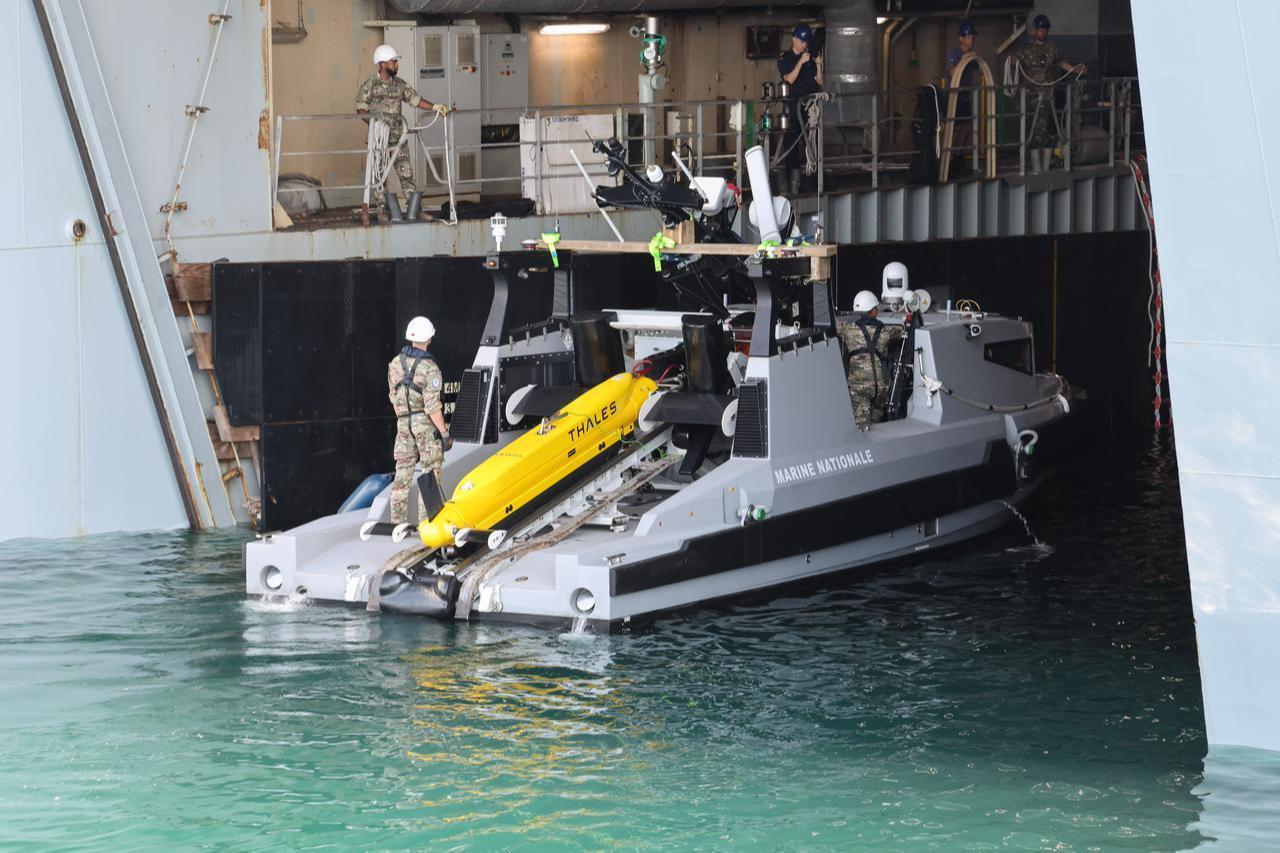
The plan includes more than £5 billion for drones and autonomous systems over the next four years, a £1 billion increase over plans laid out in the government's earlier strategic defense review.
The investment spans capabilities "ranging from highly complex autonomous mine-hunting drones to small 'quadcopter' tactical drones, and low-cost 'kamikaze' one-way attack drones," according to the U.K.'s Ministry of Defense.
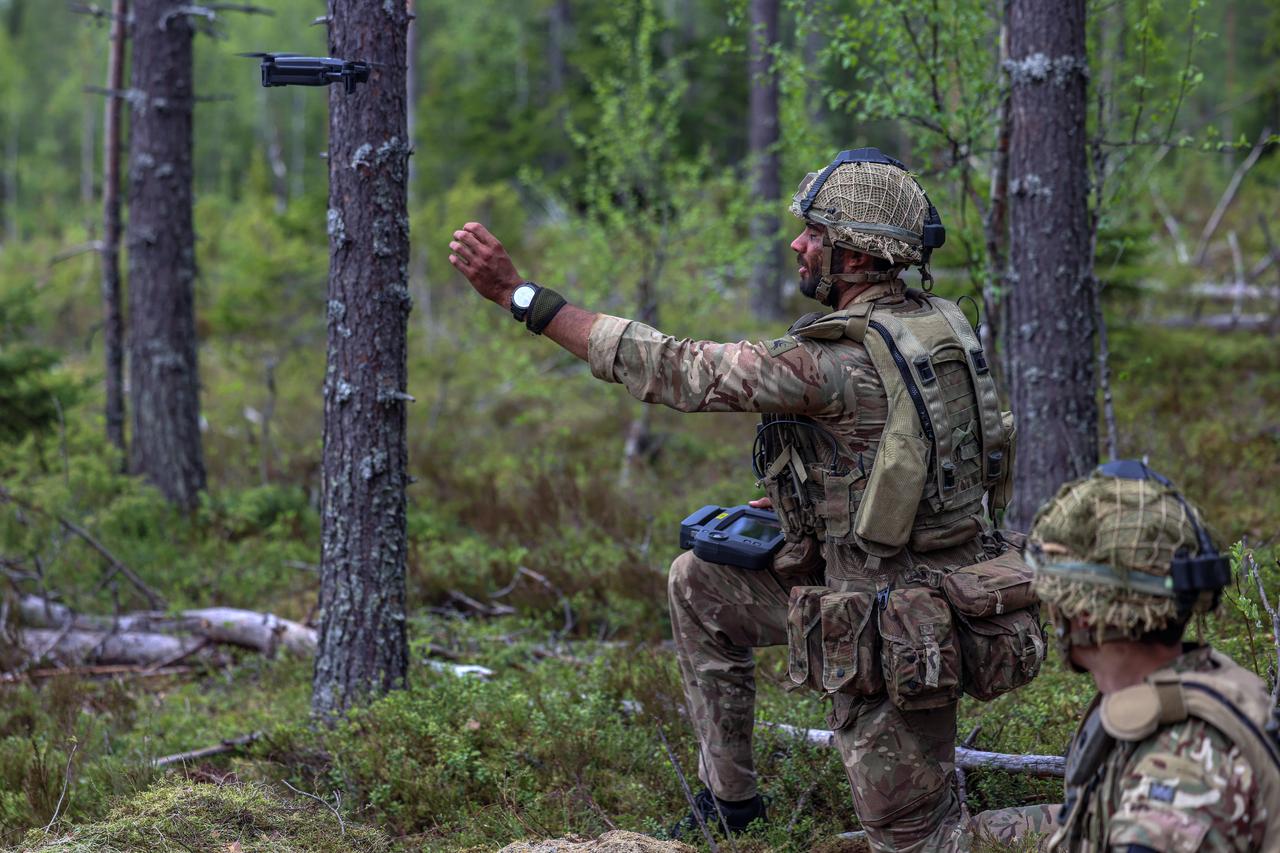
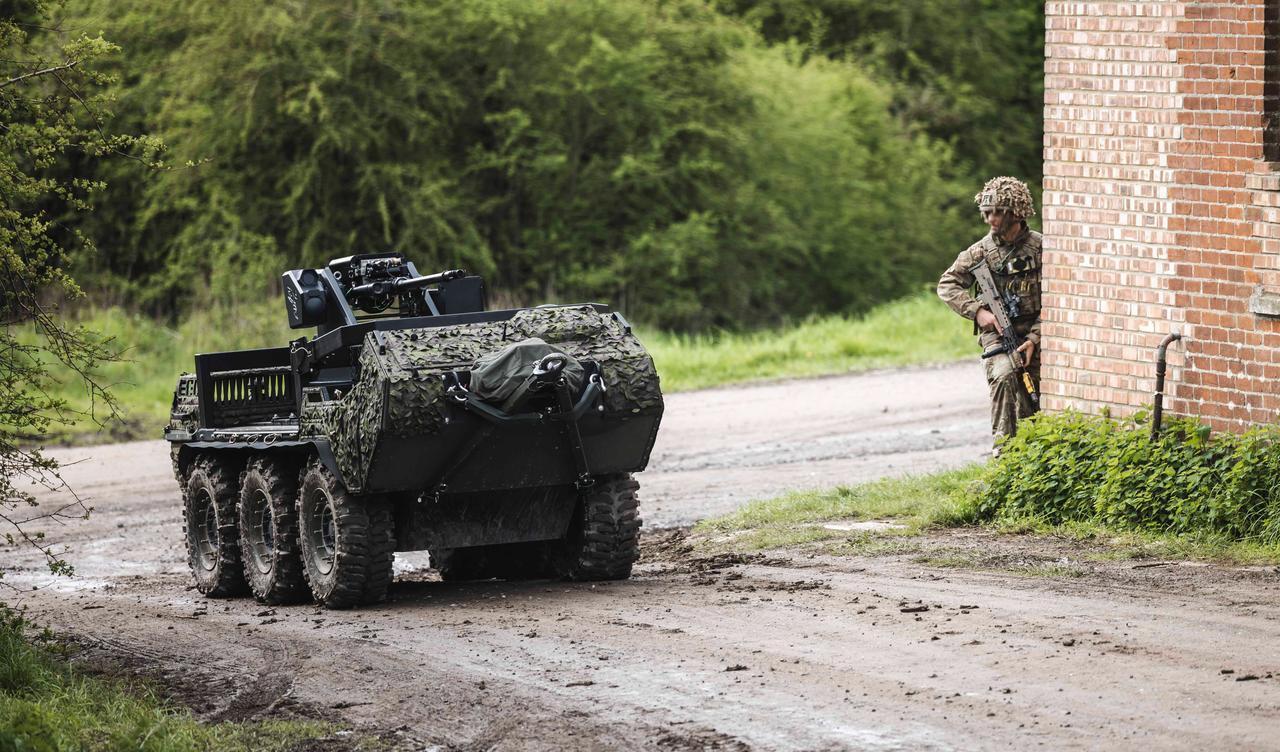
The package includes a £50 million boost for the army over the next 12 months to spend on first-person-view (FPV) attack drones and interceptors, along with funding for new uncrewed ground vehicles (UGVs) to resupply and support soldiers on the front line.
By 2030, Apache gunships will be supplemented by 24 armed drones capable of reconnaissance and precision-strike missions, alongside 24 additional surveillance drones to replace the troubled Watchkeeper system.
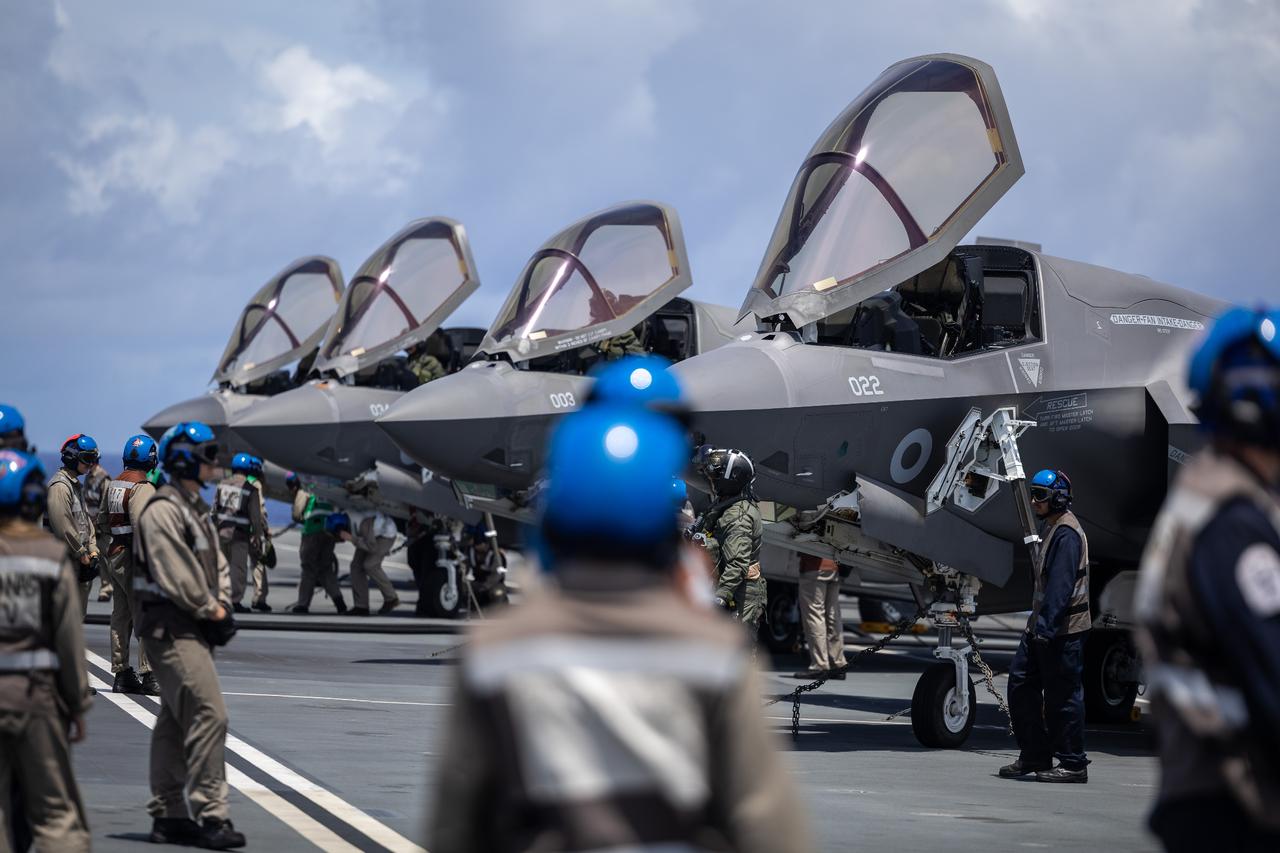
The Royal Air Force (RAF) will develop new autonomous fighter jets to fly alongside crewed aircraft, with a demonstrator expected to fly by 2030, as well as jet-powered drones designed to launch from Britain's two aircraft carriers.
Defense Secretary Jarvis tied the drone investment directly to lessons from Ukraine and Iran.
"In Ukraine and the Middle East, uncrewed systems are defining conflicts. This largest ever U.K. investment into these evolving technologies will help our Armed Forces stay ahead of our adversaries," Jarvis said.
According to the Ministry of Defense, Ukraine uses roughly 200,000 drones a month to defend against Russia's invasion, while at the height of the Iran conflict, roughly 700 offensive drones were being launched daily.
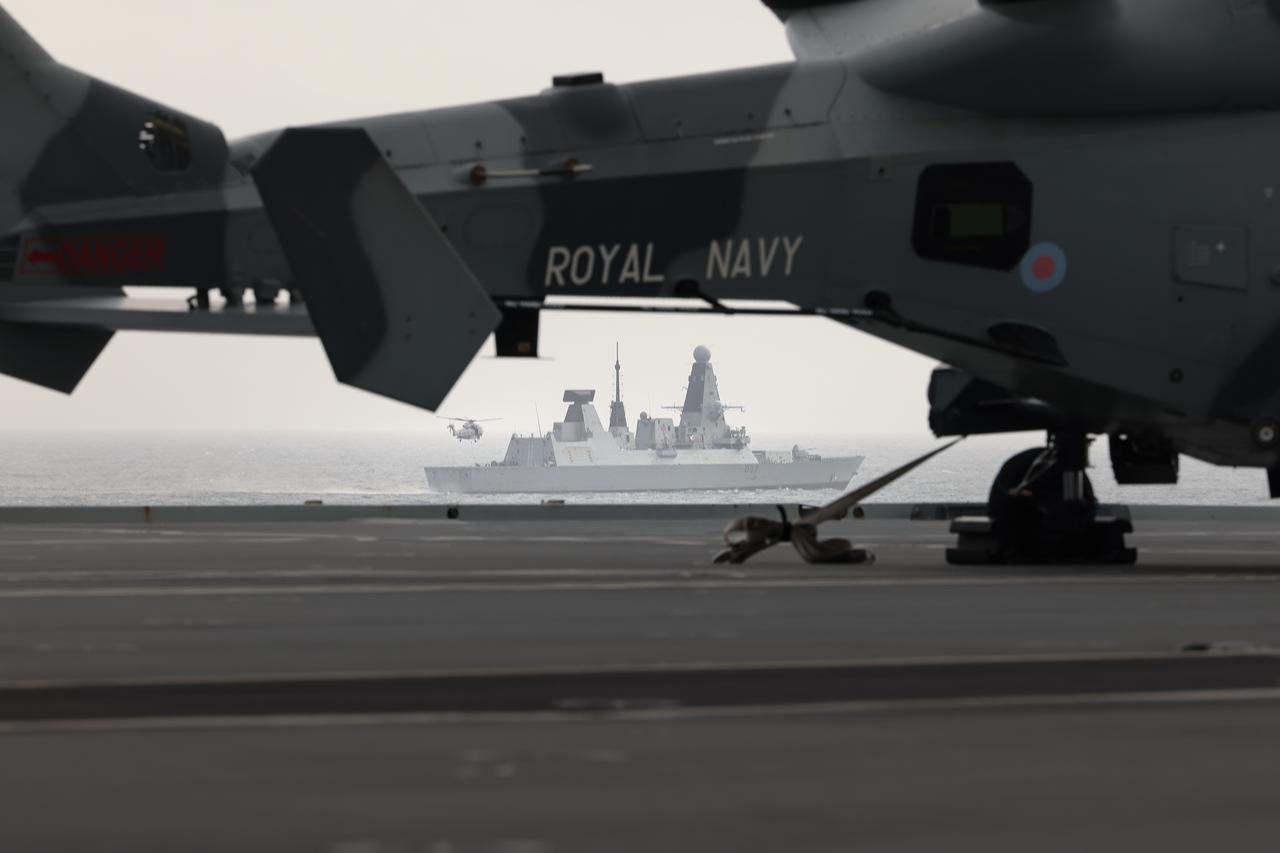
The Royal Navy will order at least six new "Common Combat Vessels" to replace the aging Type 45 destroyers from the early 2030s, marking the Navy's first hybrid warships designed to deploy drones in the air and underwater.
The vessels will "mix crewed and uncrewed capabilities and be more suited to the pace and nature of modern warfare," the Ministry of Defense said, describing them as able to "act as a control hub for uncrewed systems, extending the navy's reach, resilience and firepower without a proportional increase in crew or cost."
The government is dropping longstanding plans, first announced in March 2021, to build eight Type 83 destroyers, saying the approach would have meant relying on "a small number of large, expensive ships."
Plans for five Type 32 frigates, first announced in 2020, are also being scrapped in favor of the new vessels.
The new ships will work alongside eight Type 26 and five Type 31 crewed frigates, which the government said would help counter Russian activity in the North Atlantic and the Arctic.
Jarvis said the new ships "are designed and built for the increasing threats we face."
Andy Burnham, the former Greater Manchester mayor expected to become prime minister in mid-July, echoed calls for greater investment in British manufacturing.
"From here on, every pound raised from taxpayers will work harder for them—and that approach will apply fully to the Defense Investment Plan," Burnham said in a speech on Monday, adding that he wanted to "safeguard sovereign manufacturing and production capability."
Government procurement, he said, had done too little to promote British-based suppliers.
A Burnham spokesperson confirmed Starmer's decision to proceed with the plan before leaving office. "The PM was clear this was a decision that had been made," the spokesperson said.
Allies of Burnham had previously argued Starmer had no right to push the plan through ahead of the NATO summit in Ankara on July 7, given its major national and global implications, and that he should not tie his successor's hands.


 Set as preferred source
 Set as preferred source


 1 min read