Newsletters


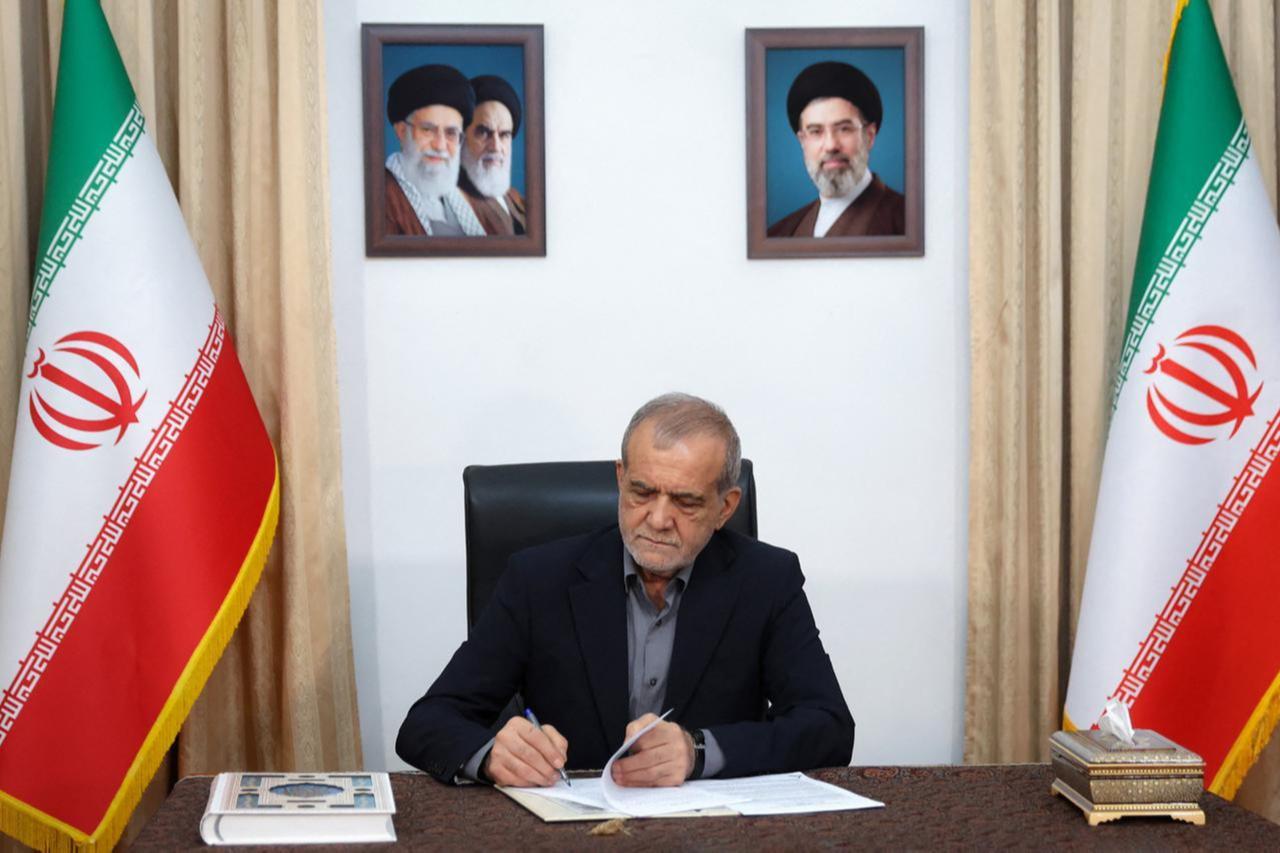


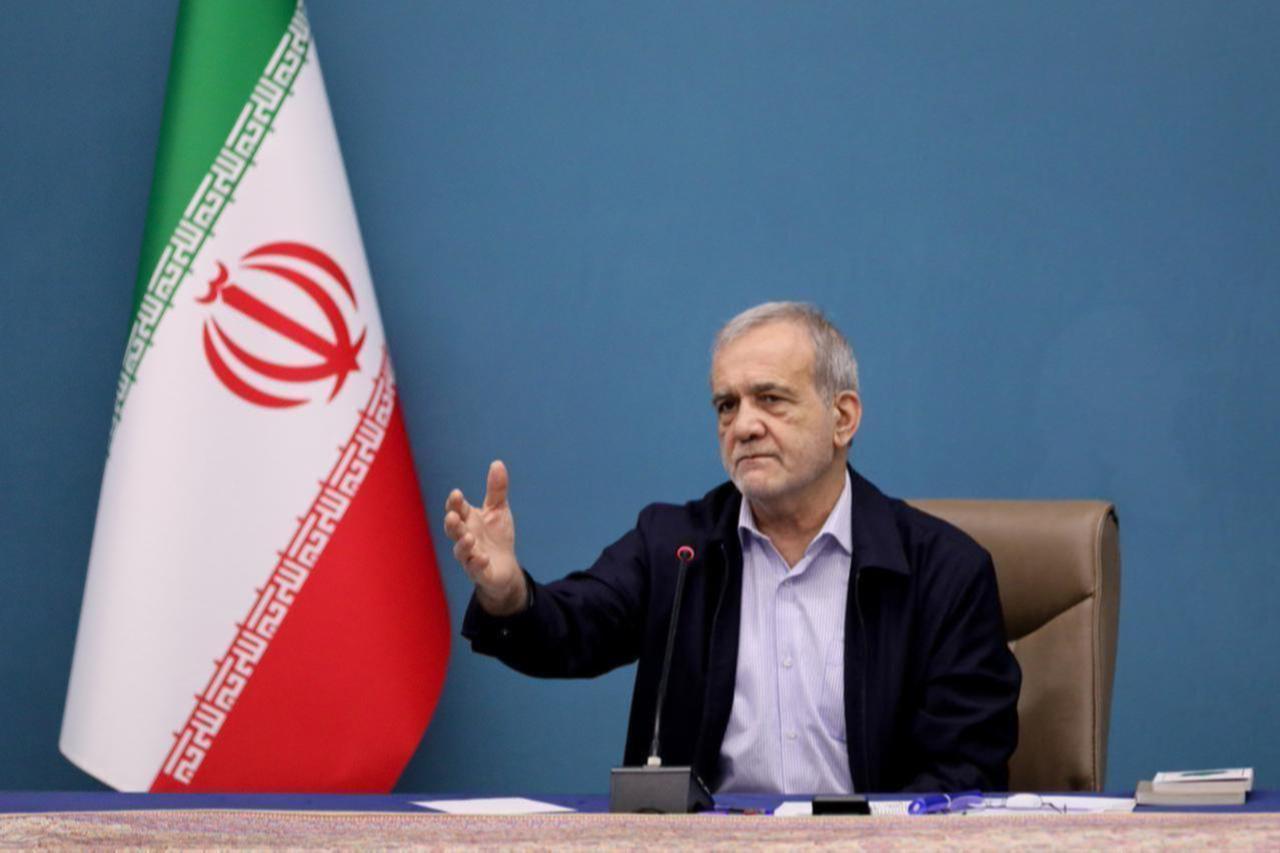
Iranian President Masoud Pezeshkian reaffirmed on Monday that Tehran will uphold its memorandum of understanding with the United States as long as Washington meets its own obligations.
This comes as conflicting statements emerged over whether the two countries will hold talks in Doha this week.
"The understanding is a reciprocal matter. If the American side remains committed to the memorandum, we will also fulfill our commitments," Pezeshkian wrote in a post on X.
He added that Iran responds to "unreasonable rhetoric" and threats with rational decision-making while maintaining "firm and fearless defense when action is required."
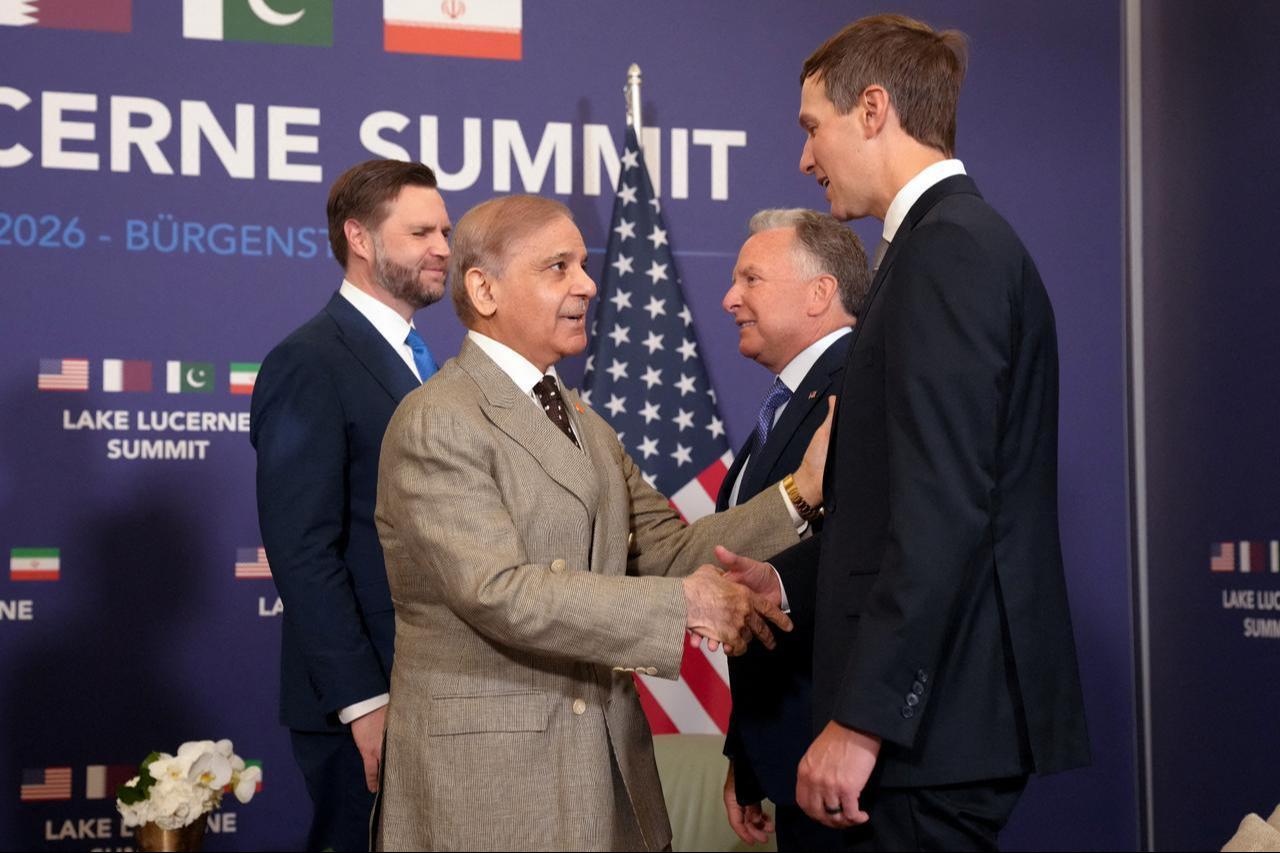
Pezeshkian's remarks came as the Pakistan-brokered June 18 memorandum continues to shape efforts to ease tensions after months of military confrontation between Tehran and Washington.
The agreement lays out initial steps covering maritime security in the Strait of Hormuz, Iranian oil exports and the release of frozen Iranian assets, while broader negotiations depend on the implementation of its initial provisions.
However, the sides exchanged fire again around the region last week after reports of drone attacks on cargo ships crossing the Strait of Hormuz, following Iran's warnings that vessels should use shipping routes coordinated with Tehran rather than the U.S.-backed corridor along Oman's coast.
U.S. President Donald Trump claimed Monday that Iran requested a meeting and that officials from both countries will gather Tuesday in the Qatari capital to discuss the implementation of the memorandum of understanding.
"Iran requested a meeting. It will take place tomorrow in Doha," Trump wrote on Truth Social.
Speaking later at the White House, Trump again pointed to the planned Doha meeting but acknowledged that its significance remains uncertain.
"The meeting in Doha is going to be perhaps important, perhaps not. We're going to find out," he told reporters, reiterating that the United States does not want Iran to obtain a nuclear weapon
White House spokesperson Karoline Leavitt later announced that envoys Steve Witkoff and Jared Kushner will travel to Doha to discuss the memorandum, with the high-level contacts expected to take place alongside technical-level negotiations.
"As far as we are concerned, we are holding up our end of the ceasefire," Leavitt said, while stressing that Washington still reserves the right to use military force.

Iran's Deputy Foreign Minister Kazem Gharibabadi said no technical talks with the U.S. are scheduled in Doha this week, although consultations with mediators are continuing.
Iranian Foreign Ministry spokesperson Esmaeil Baqaei also denied that negotiations with the U.S. are scheduled at any level in the coming days, saying Tehran's priority is implementing the memorandum that ended the war.
Meanwhile, Oman's Foreign Minister Badr Albusaidi voiced support for the agreement while rejecting the idea of imposing transit fees on ships using the Strait of Hormuz.
He said Oman could instead discuss charges linked to maritime services, including navigation safety, emergency preparedness and anti-pollution measures, similar to arrangements used in the Straits of Malacca and Singapore.
Albusaidi also reaffirmed Muscat's backing for the implementation of the U.S.-Iran memorandum and stressed that navigation through the Strait of Hormuz should remain "safe, secure and free" in line with international law. He added that Gulf states share a common interest in reducing regional tensions and preserving stability.
Iran and Oman agreed on June 23 to establish a joint working group to continue discussions on the future management of navigation and related maritime services in the Strait of Hormuz, while consulting other coastal states and stakeholders.


 Set as preferred source
 Set as preferred source


 1 min read
 1 min read