Newsletters




Swiss voters went to the polls Sunday on a proposal to tighten the country's neutrality rules, a constitutional change that would restrict cooperation with NATO and prevent Switzerland from imposing sanctions unless they are approved by the United Nations.
The referendum would enshrine Switzerland's neutrality as "armed and perpetual" and bar the country from joining or cooperating with military or defense alliances unless Switzerland itself is attacked or faces an imminent attack.
It would also prevent participation in conflicts between other countries and prohibit sanctions against parties to a conflict unless authorized by the U.N.
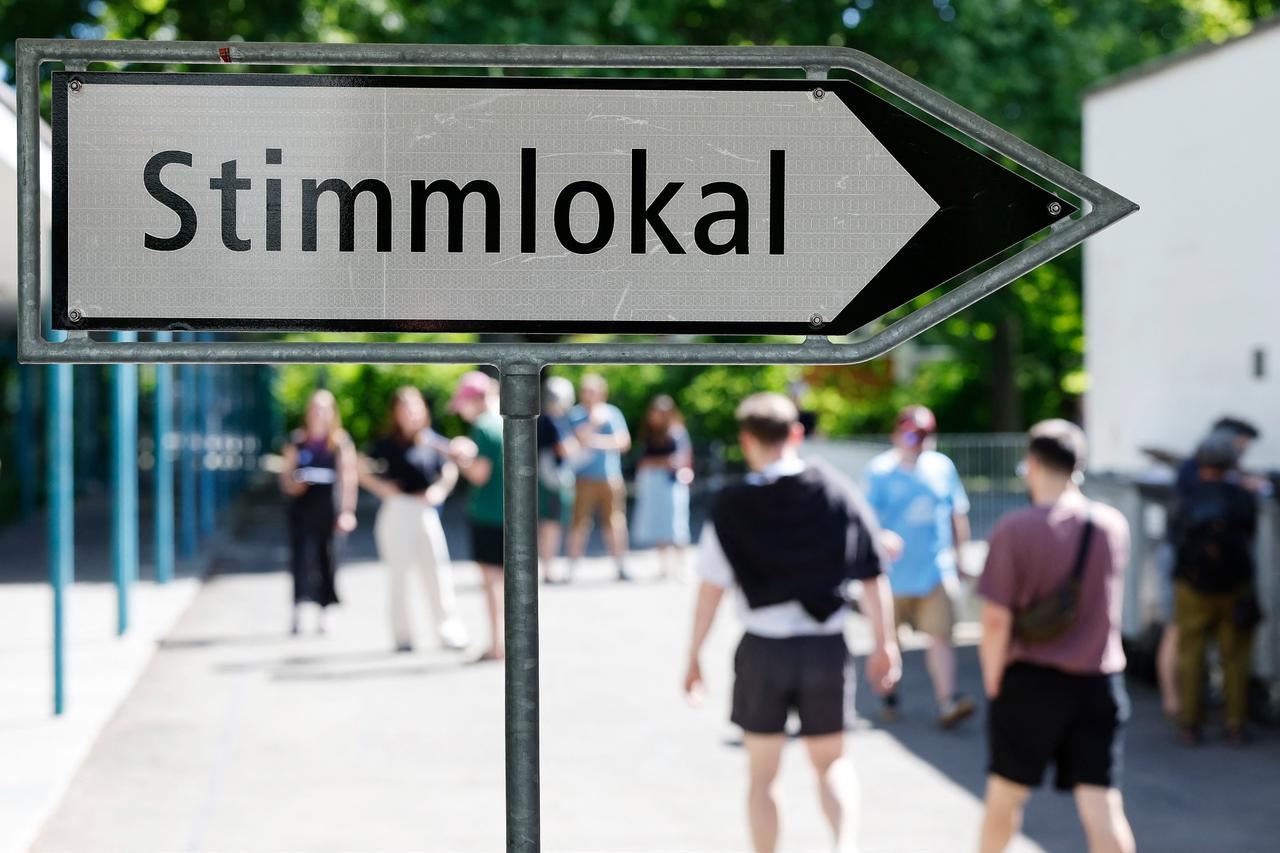
Most Swiss voters cast their ballots in advance by mail, while polling stations opened Sunday morning for in-person voting under the country's direct democracy system. Polling stations are due to close by noon local time, or 1000 GMT.

Switzerland's neutrality has been internationally recognized since 1815, but the government's decision to adopt European Union sanctions against Russia following its invasion of Ukraine renewed debate over how the policy should be applied.
The right-wing Swiss People's Party, or SVP, and the Pro Switzerland organization have backed the initiative, arguing that Switzerland's traditional neutrality has been weakened.
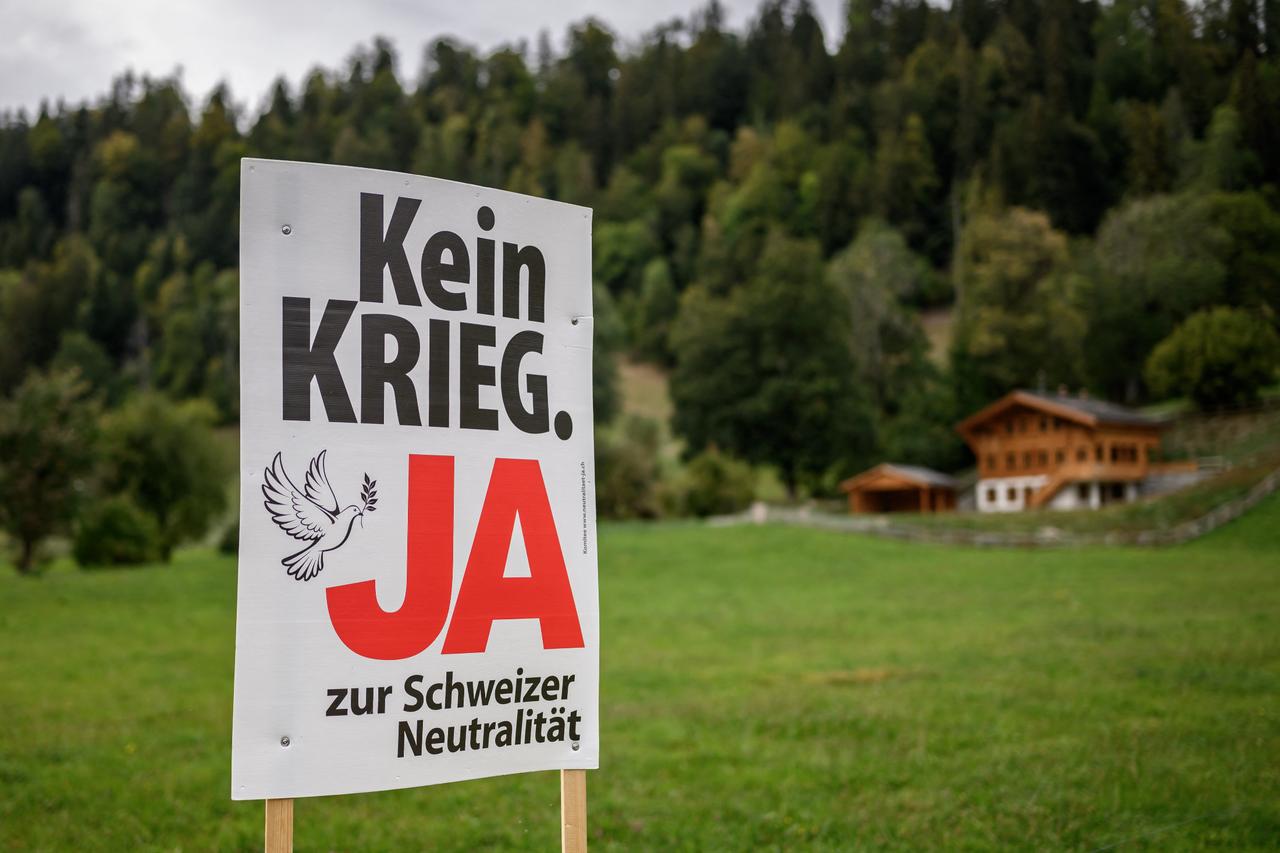
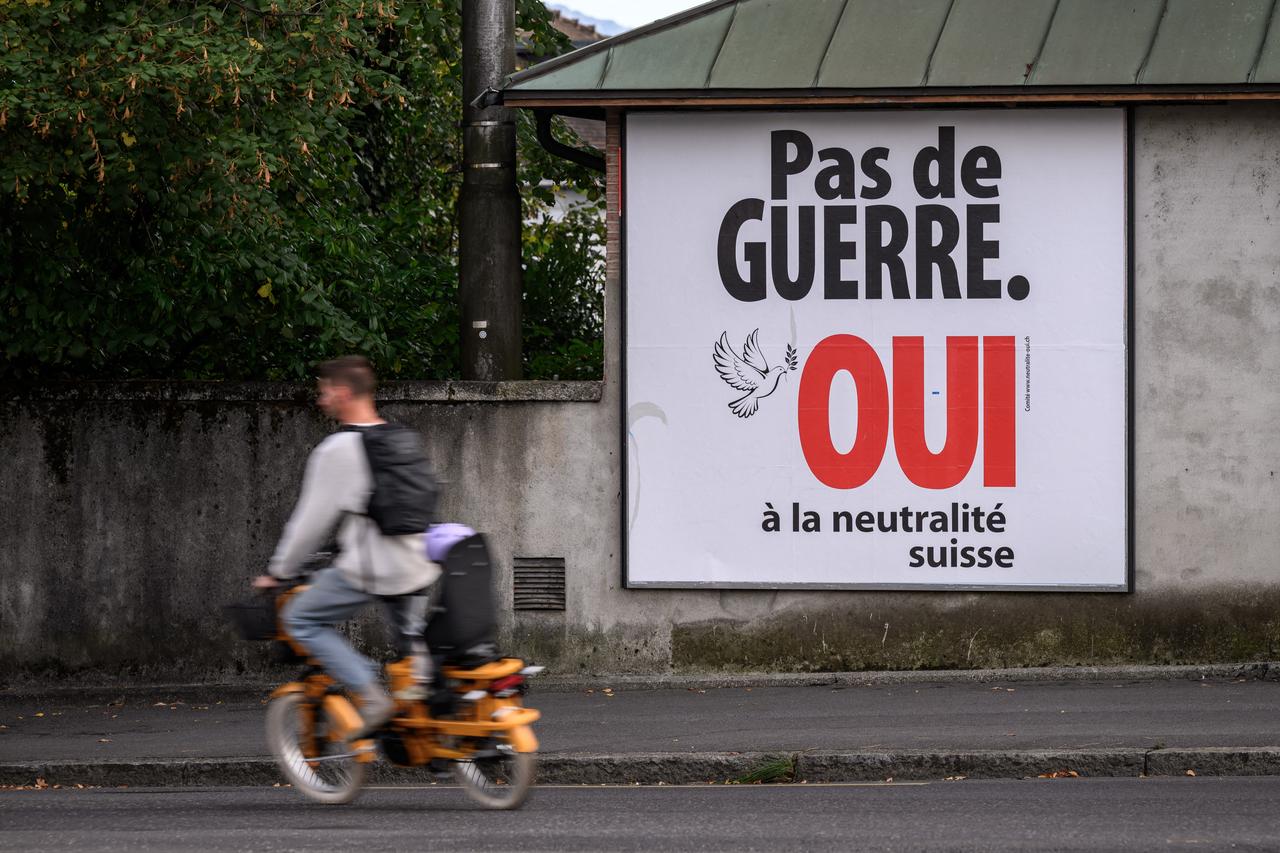
The campaign has displayed posters reading "No war, yes to neutrality."
Supporters say neutrality helped keep Switzerland out of both world wars and strengthens its ability to offer "good offices" and mediate between parties in conflict.
"Switzerland has not had a war for 200 years because it is permanently armed and neutral," said Christoph Blocher, a billionaire businessman and supporter of the SVP.
"But neutrality has been followed less and less in recent years," he said, adding that Russia now views Switzerland as a party to the conflict because of the sanctions.
Moscow has criticized Bern for joining EU sanctions and has praised the neutrality initiative, which some opponents have described as "pro-Russian."
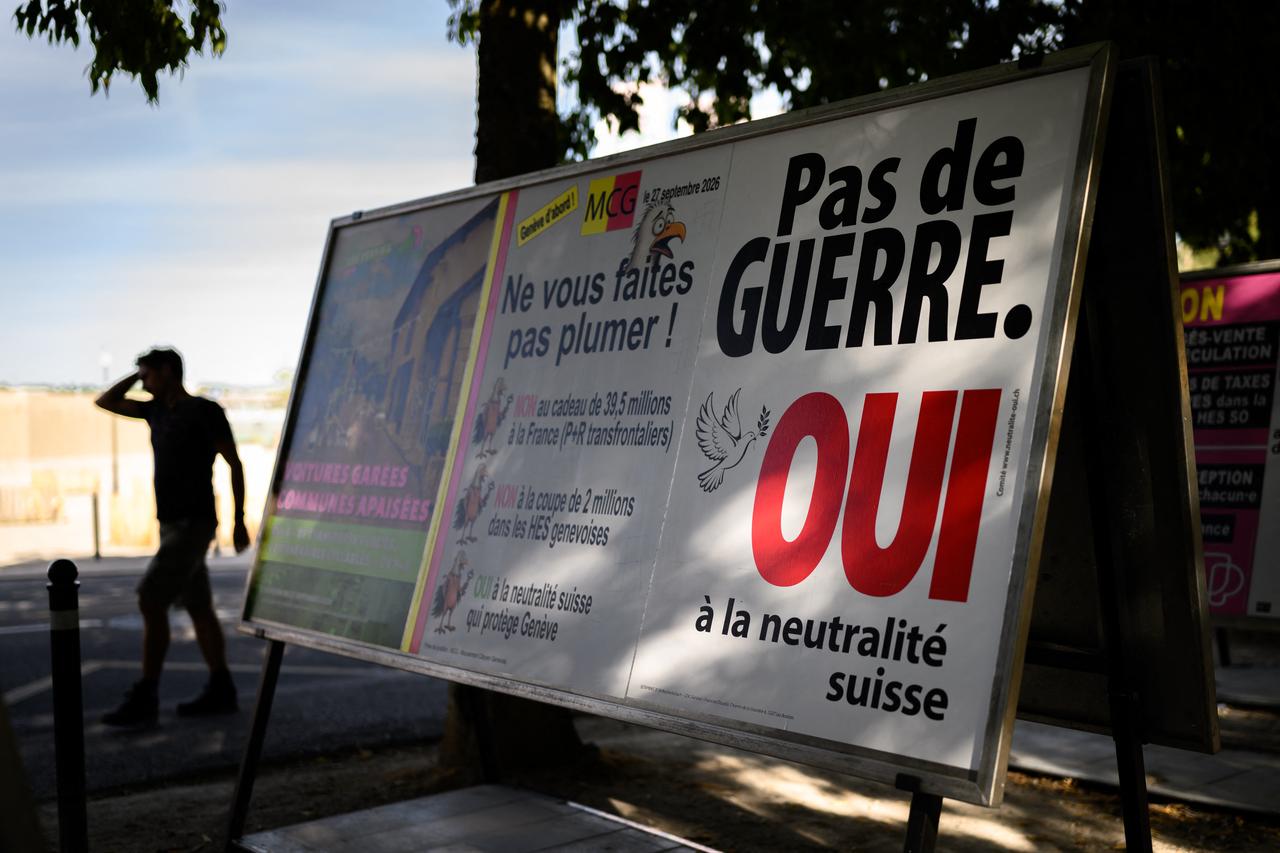
The Swiss government, parliament and nearly all major political parties oppose the proposal, with the SVP, Switzerland's largest party, the main exception.
Foreign Minister Ignazio Cassis has said the initiative would harm national security, restrict Switzerland's flexibility and prevent it from training with NATO.
"Neutrality has always been applied with a degree of flexibility," Cassis said during a televised debate.
While Switzerland does not plan to lift its ban on arms sales to countries involved in conflicts, including Ukraine, Cassis said "neutrality does not mean indifference."
The country would "not look away when we see violations of the very international rules that allow us to live in peace," he said.
SVP Vice President Celine Amaudruz said supporters were seeking to strengthen Switzerland's credibility as a neutral state.
"Our goal is to foster peace, diplomacy and dialogue," she said. "To achieve that, we must maintain credibility through perpetual armed neutrality."
Opinion polls indicate the proposal is likely to be rejected. One recent survey showed 68% opposed and 31% in favor, while other final polls also showed opposition above 60%.
Fabio Wasserfallen, a professor of European politics at the University of Bern, said Swiss voters support neutrality but are broadly satisfied with how the government currently applies it.
"They are also generally in favor of the sanctions on Russia over the war in Ukraine and don't want that to change," he said.
Voters are also deciding on a separate national initiative that calls for Switzerland to raise its food self-sufficiency rate to 70%, up from 42% in 2024.
The proposal was introduced by a non-partisan citizens' movement.
Opinion polls suggest voters will also reject that initiative. The government has said the 70% target would be difficult, if not impossible, to achieve, while most major political parties have described it as unrealistic.


 Set as preferred source
 Set as preferred source


 1 min read
 1 min read