Newsletters


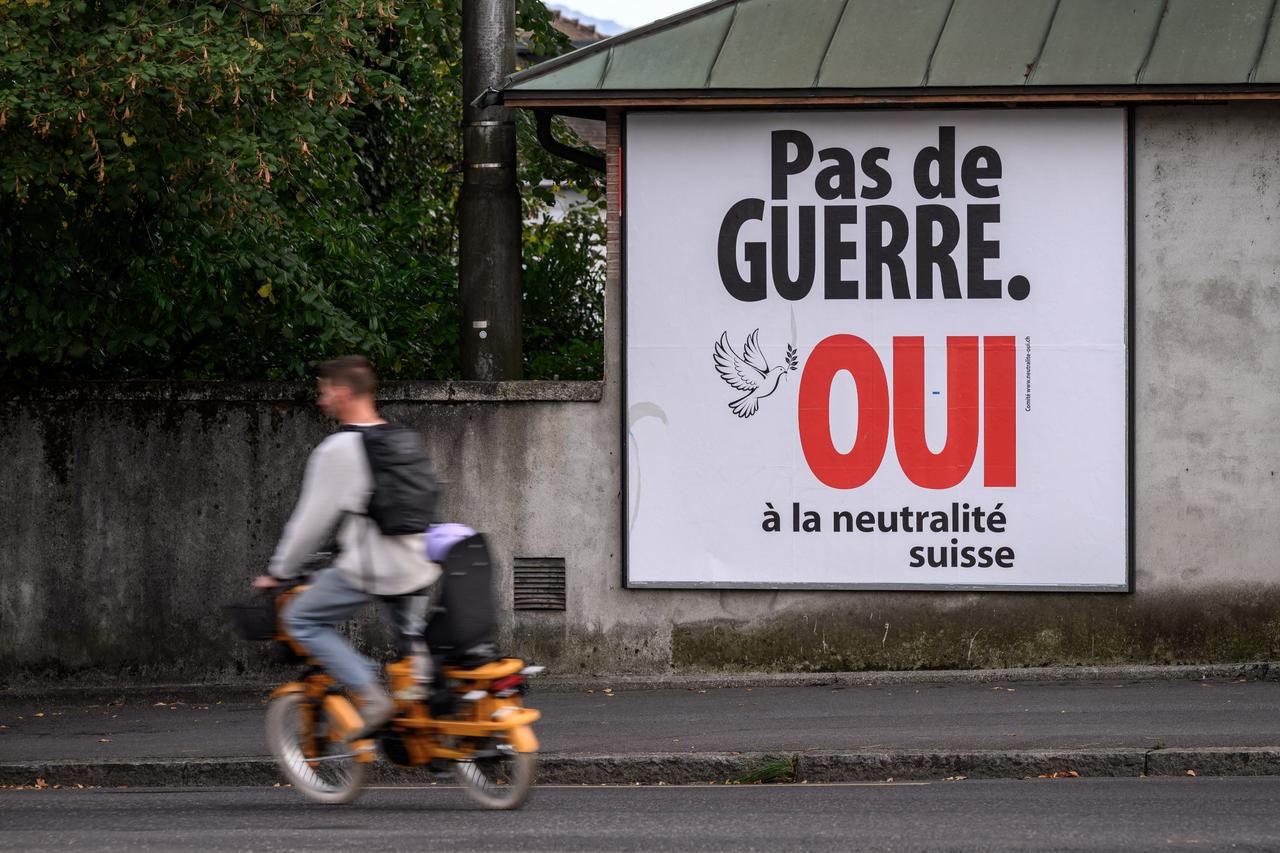


Swiss voters appeared to reject a proposal Sunday to tighten the country's neutrality rules, with an initial projection showing 71% opposed to constitutional changes that would have restricted sanctions and closer cooperation with NATO.
The projection, released by polling institute gfs.bern about 30 minutes after the final polling stations closed, dealt a setback to an initiative backed by the hard-right Swiss People's Party, or SVP, and the pro-sovereignty group Pro Switzerland.
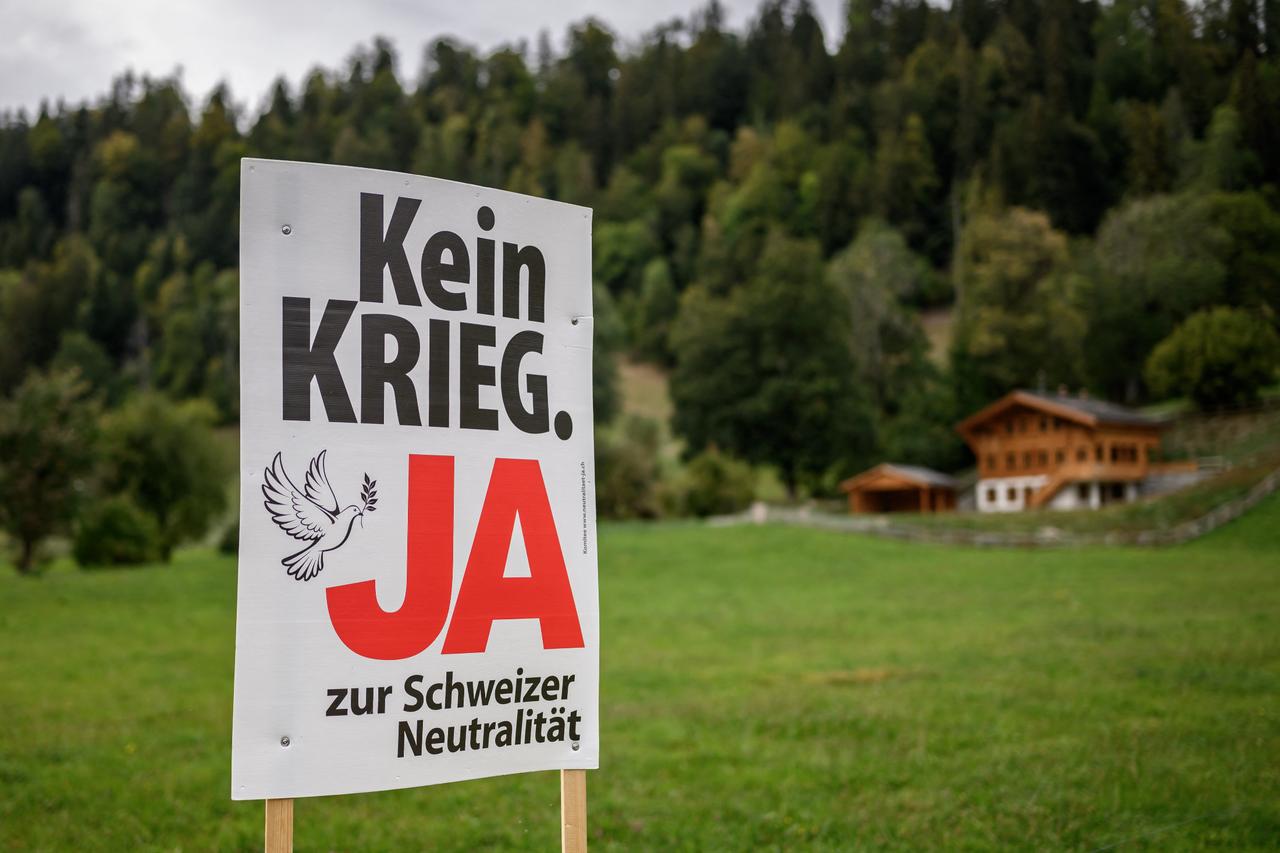
The proposal sought to define Swiss neutrality as "armed and perpetual" in the constitution.
It would have barred Switzerland from joining military alliances or pursuing closer ties with NATO unless the country was attacked and would have prohibited sanctions unless authorized by the United Nations.
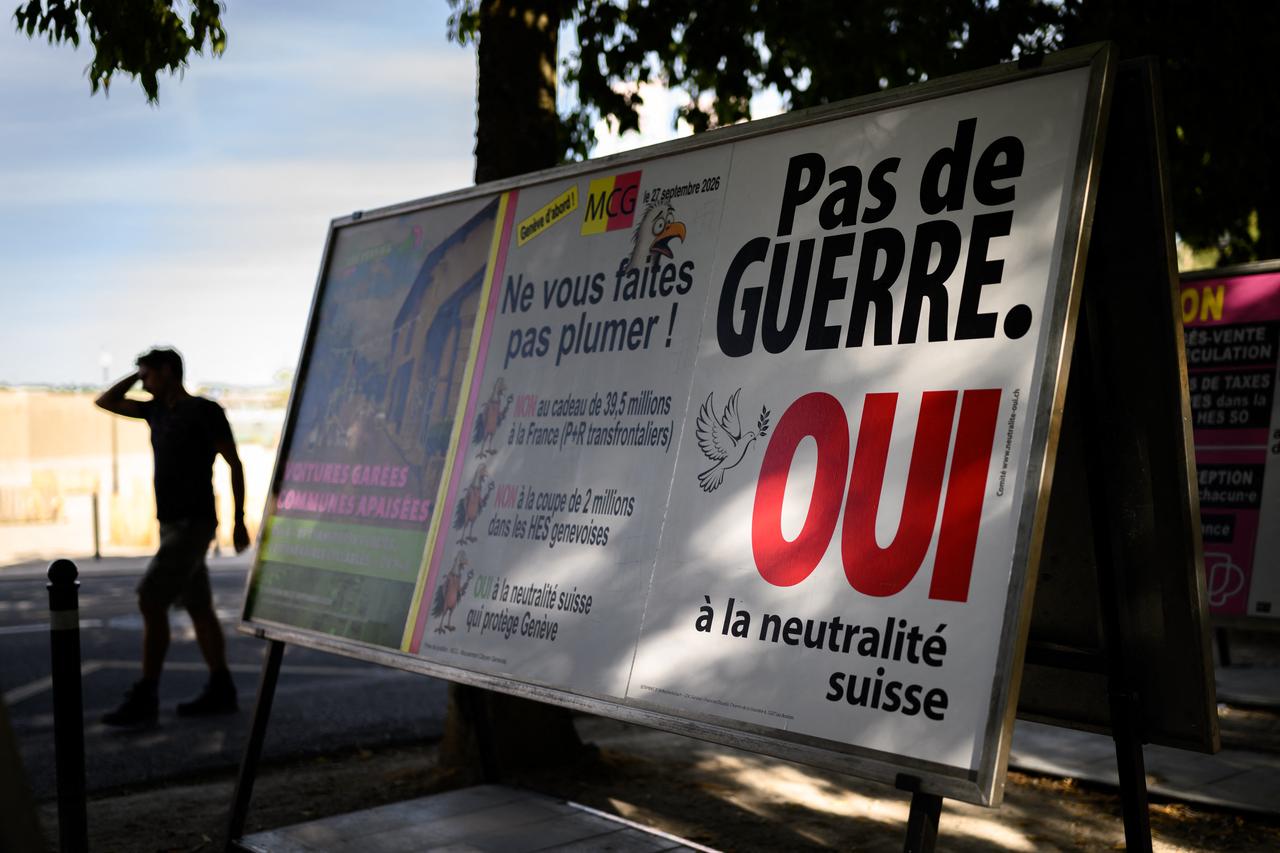

Switzerland's traditional policy is one of armed neutrality, but Russia's war in Ukraine renewed debate over how that principle should be applied.
Pro-Switzerland gathered enough signatures to trigger the referendum after Bern joined European Union economic sanctions against Russia.
Moscow has criticized Switzerland for adopting the sanctions and accused the country of abandoning its neutrality. Russia also praised the referendum initiative, which some opponents described as "pro-Russian."
The Swiss government, parliament and most major political parties opposed the proposal, arguing that it was too rigid and would limit the country's ability to respond to growing geopolitical tensions.
"Neutrality has always been applied with a degree of flexibility," Foreign Minister Ignazio Cassis said during a recent televised debate.
He said Switzerland had no plans to lift its ban on selling arms to countries involved in conflicts, including Ukraine, but added that "neutrality does not mean indifference."
The SVP, Switzerland's largest party, was the main major political group supporting the initiative.
"Our goal is to foster peace, diplomacy and dialogue," SVP Vice President Celine Amaudruz said during a televised debate.
"To achieve that, we must maintain credibility through perpetual armed neutrality," she added.
Supporters argued that a stricter definition would reinforce Switzerland's traditional neutral position, while opponents said the country's existing policy already offered sufficient flexibility.
Socialist lawmaker Laurence Fehlmann Rielle said the projected result showed Switzerland remained committed to a form of neutrality that allows it to impose sanctions and take positions internationally.
Early opinion polls had suggested the contest could be close, but the final two surveys indicated that more than 60% of voters were likely to reject the proposal.


 Set as preferred source
 Set as preferred source


 1 min read
 1 min read