Newsletters


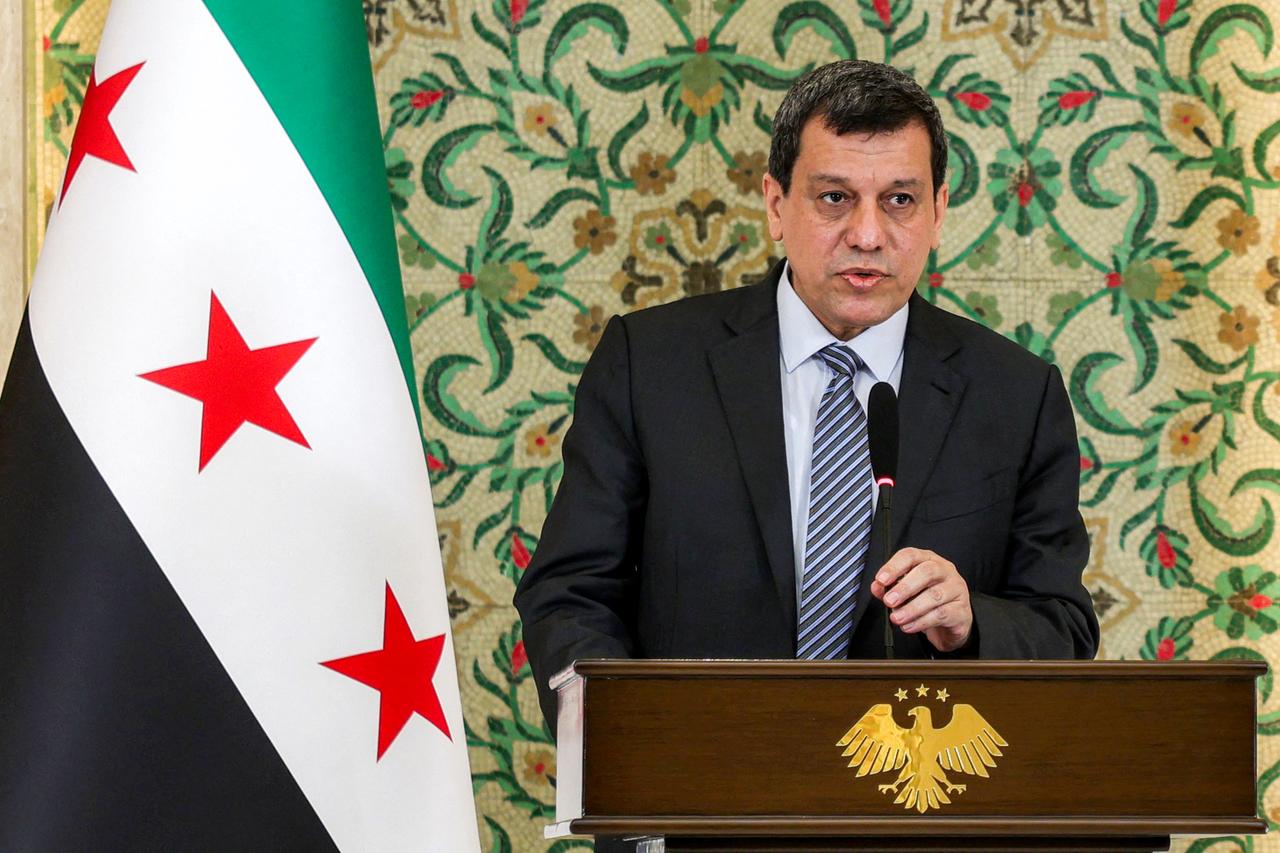


Syrian President Ahmad al-Sharaa appointed former SDF/YPG ringleader Mazloum Abdi as an adviser Thursday, as the group announced its dissolution and the integration of its forces into the Syrian army.
Sharaa issued a decree appointing Abdi as "adviser to the Presidency of the Republic," state-run SANA reported.
The appointment followed Abdi’s announcement Tuesday that the terrorist group SDF/YPG was dissolving as an independent military force. Abdi said the move came after an agreement with Sharaa and the completion of the process to integrate the group’s forces into brigades of the Syrian army.
Abdi, whose full name is Ferhat Abdi Sahin, made the announcement at a news conference at the People's Palace in the Syrian capital.
"Following the agreement reached with President Ahmed Sharaa, and upon completion of the process of integrating our forces into the brigades of the Syrian army, we announce today, with a great sense of responsibility, that we are dissolving ourselves as an independent military force," Abdi said.
The group also announced that it had dissolved its so-called autonomous administration and all its military and civilian structures.
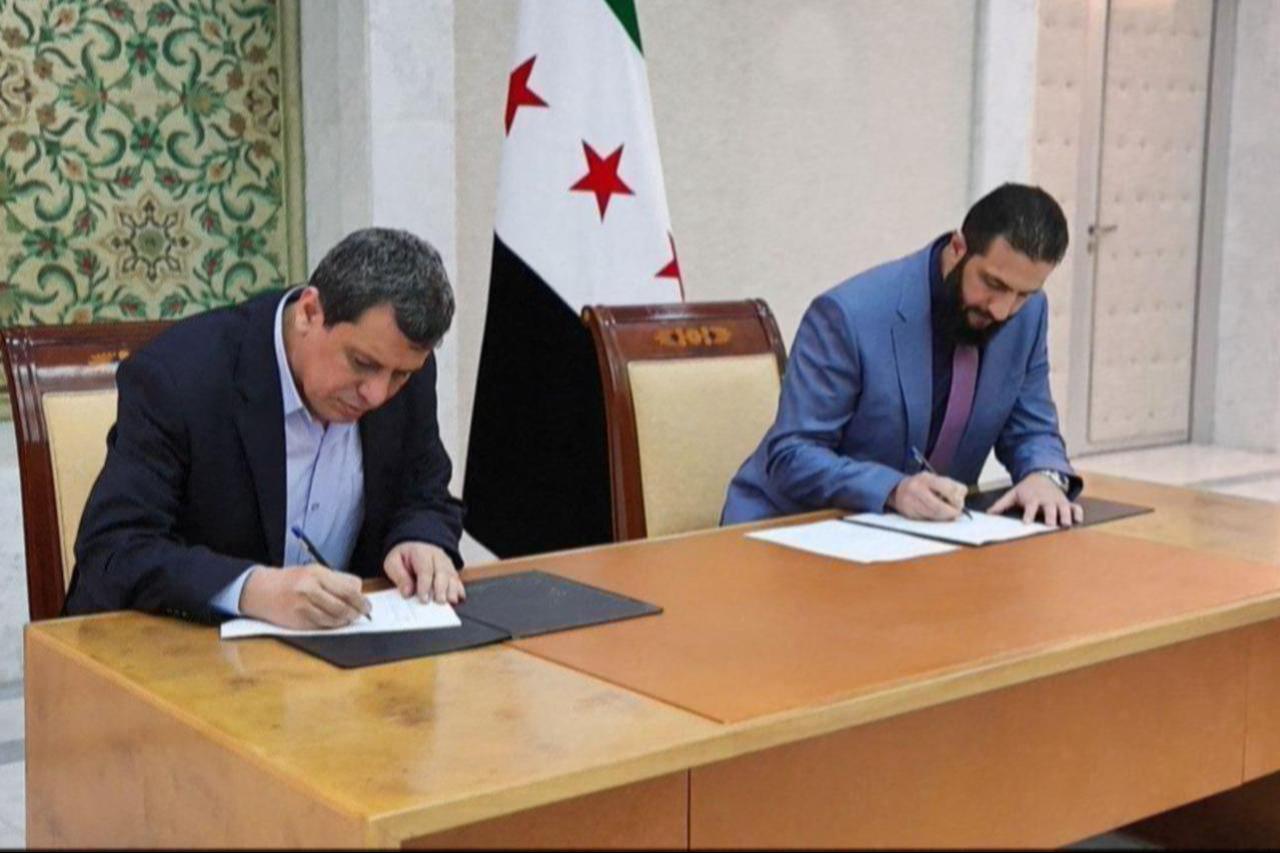

The Syrian administration and the YPG reached an agreement Jan. 29 that provided for a ceasefire and the terrorist group's gradual integration into state institutions.
The deal called for incorporating SDF members into Syria's Defense and Interior ministries on an individual basis after security vetting, with those accepted receiving official ranks and financial and logistical entitlements.
The agreement also provided for the integration of civilian institutions in Hasakah into Syrian state structures, while Damascus was set to take control of border crossings as well as oil and gas fields in northeastern Syria. It further called for responsibility for terrorist Daesh prisoners and detention camps to be transferred to the Syrian government.
The arrangement also included local political and administrative measures, including the appointment of a governor for Hasakah and provisions for political participation and local representation.
It allowed figures nominated by the SDF's so-called leadership to take senior military, security and civilian positions within the central state structure as part of what the agreement described as national partnership.


 Set as preferred source
 Set as preferred source


 1 min read
 1 min read