Newsletters


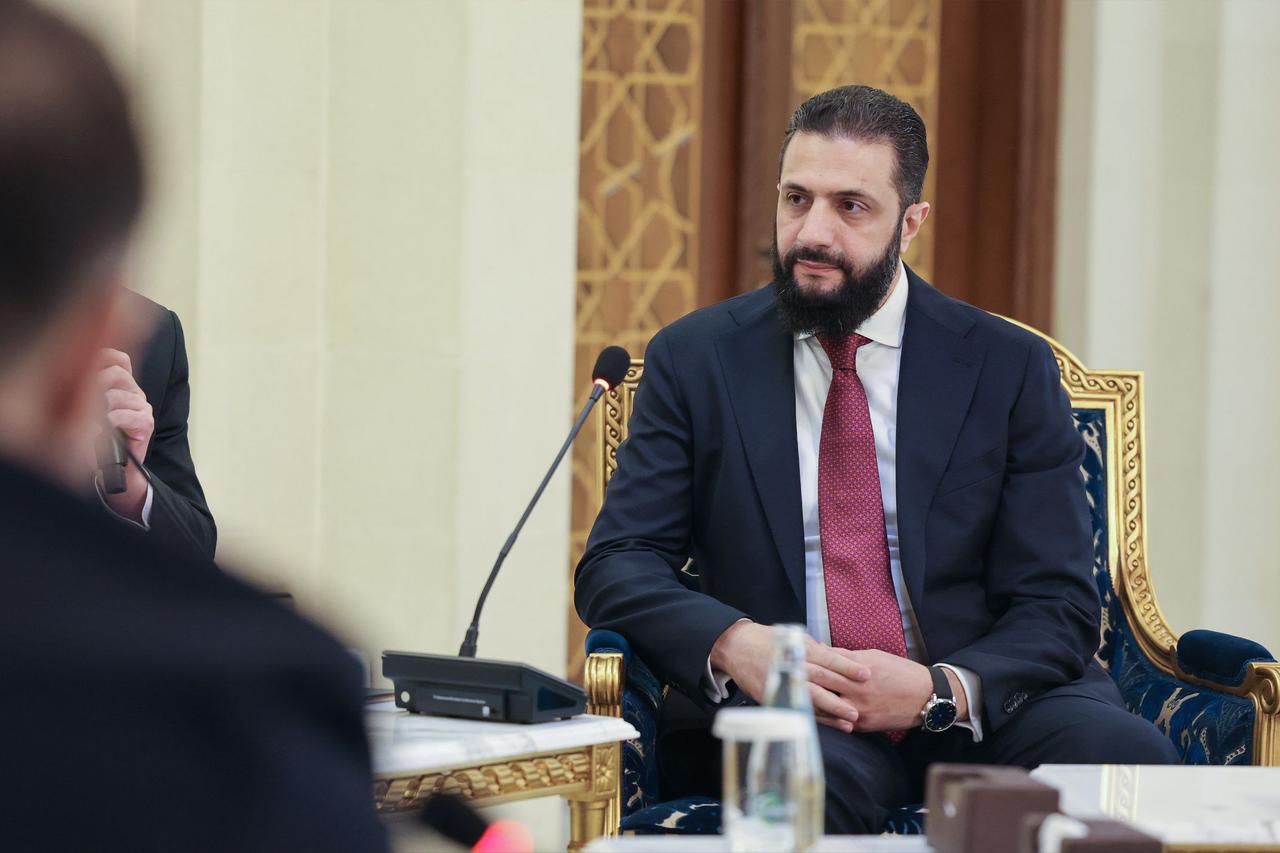


Syrian President Ahmad al-Sharaa will hold talks with German Chancellor Friedrich Merz in Berlin on Tuesday, Jan. 20, as Germany seeks to step up deportations of Syrians.
The visit marks Sharaa’s first official trip to Germany since the ouster of longtime Syrian regime leader Bashar al-Assad.
Sharaa is also scheduled to meet German President Frank-Walter Steinmeier at Bellevue Palace during the two-day visit, which begins Jan. 19, said Deputy government spokesman Sebastian Hille.
Hille also said the visit would focus on strengthening political and economic ties between Berlin and Damascus.
“We are interested in deepening relations and making a fresh start with the new Syrian government, and we have many important issues to address,” Hille told reporters.
Following a bilateral meeting with Merz, Sharaa will take part in a roundtable discussion with representatives of major German companies. German Foreign Minister Johann Wadephul and Economy Minister Katherina Reiche are also expected to attend.
German officials said talks will cover regional developments, Syria’s political transition, economic reconstruction and the issue of refugee returns.
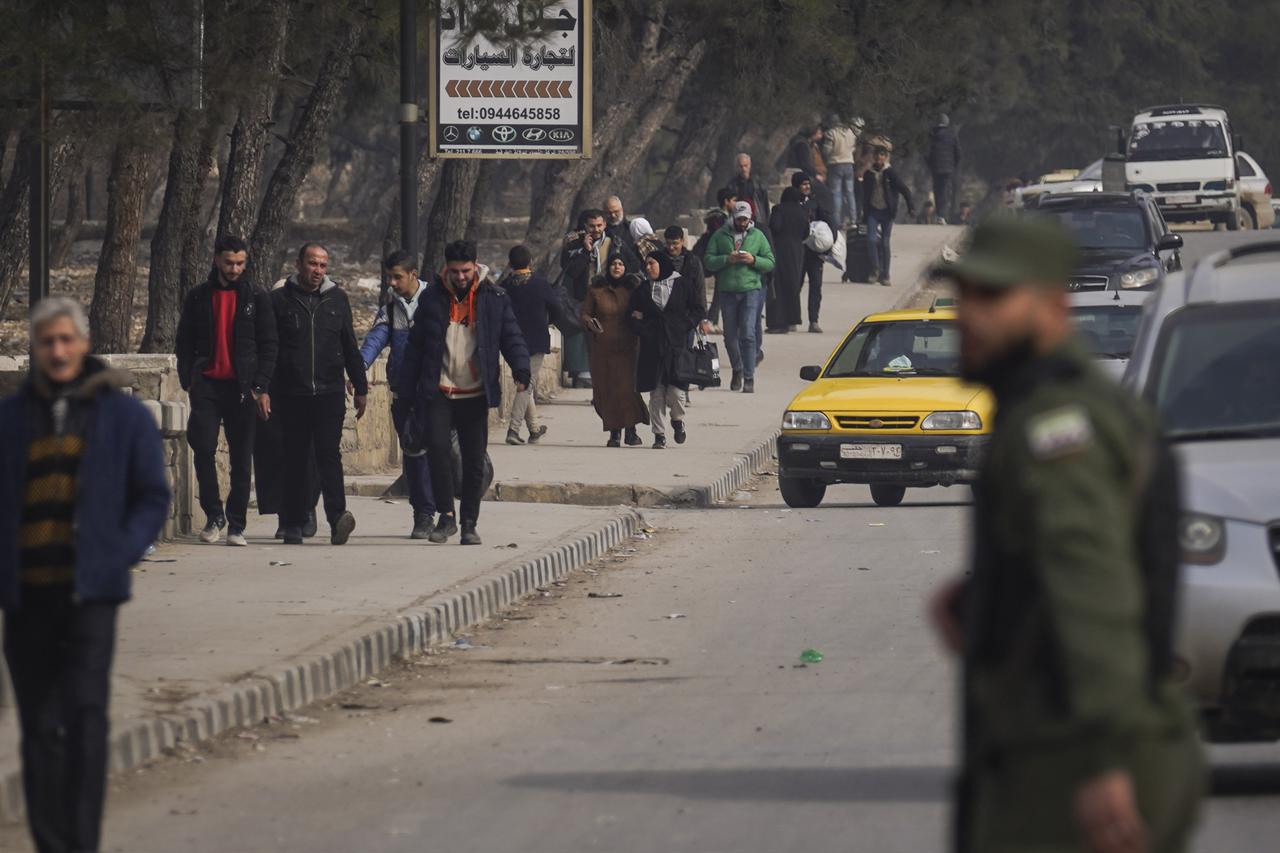

A German government spokesman confirmed that refugee repatriation will be a central topic during the visit.
“There is an interest in deepening relations and finding a new start with the new Syrian government,” the spokesman said, adding that “the return of Syrians to their home country” would be discussed.
Roughly 1 million Syrians have fled to Germany over the past decade, many arriving during the 2015-16 refugee influx at the height of Syria’s civil war.
Merz, whose conservative-led coalition faces pressure from the far-right Alternative for Germany (AfD) party on migration, has previously said there is “no longer any reason” for Syrians who fled the war to seek asylum in Germany.
 1 min read

In December, Germany carried out its first deportation of a Syrian national since the conflict erupted in 2011, returning a man convicted of crimes to Damascus.
Human rights groups have criticized the move and broader deportation plans, warning that Syria remains unstable and that reports of rights abuses persist despite the change in leadership.
They argue that large-scale returns could place civilians at risk amid fragile security conditions and an incomplete political transition.


 Set as preferred source
 Set as preferred source



 1 min read