Newsletters


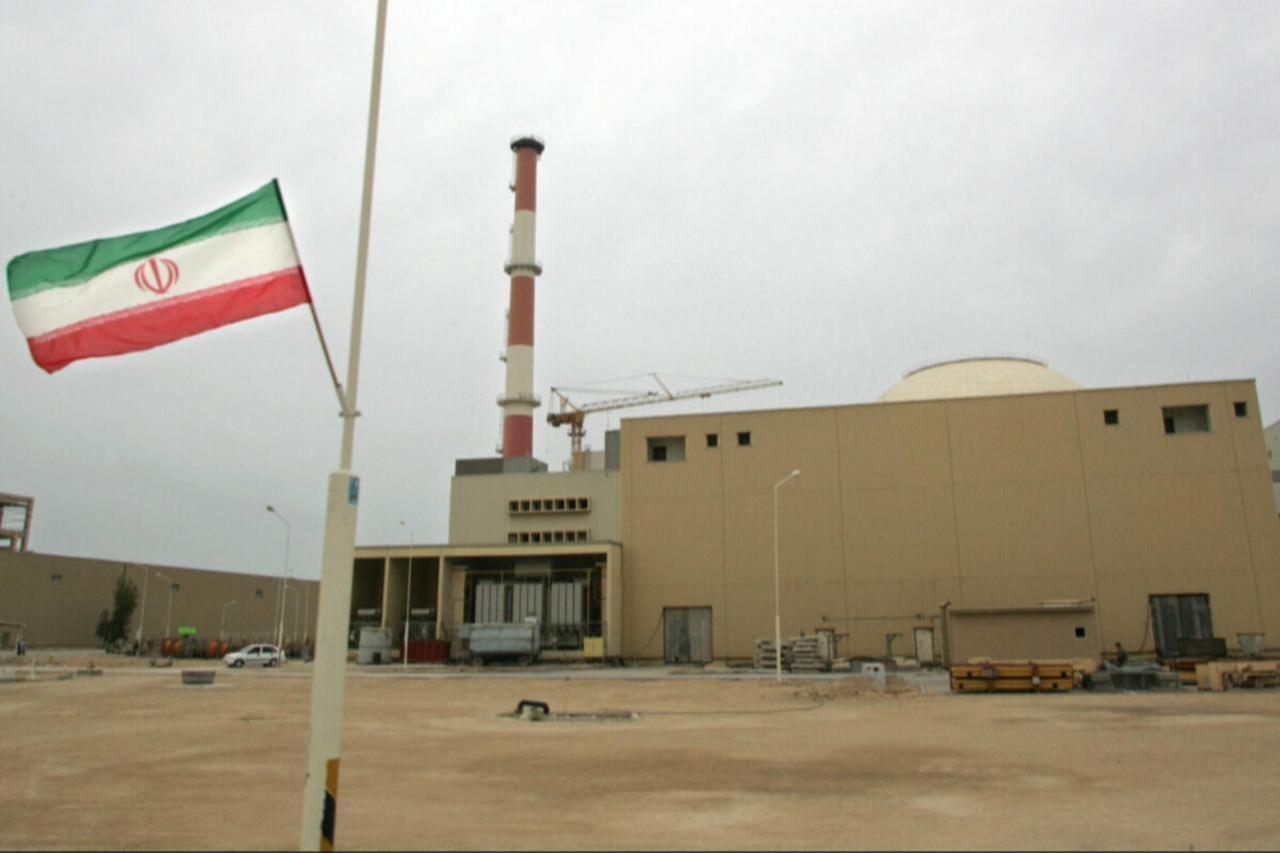


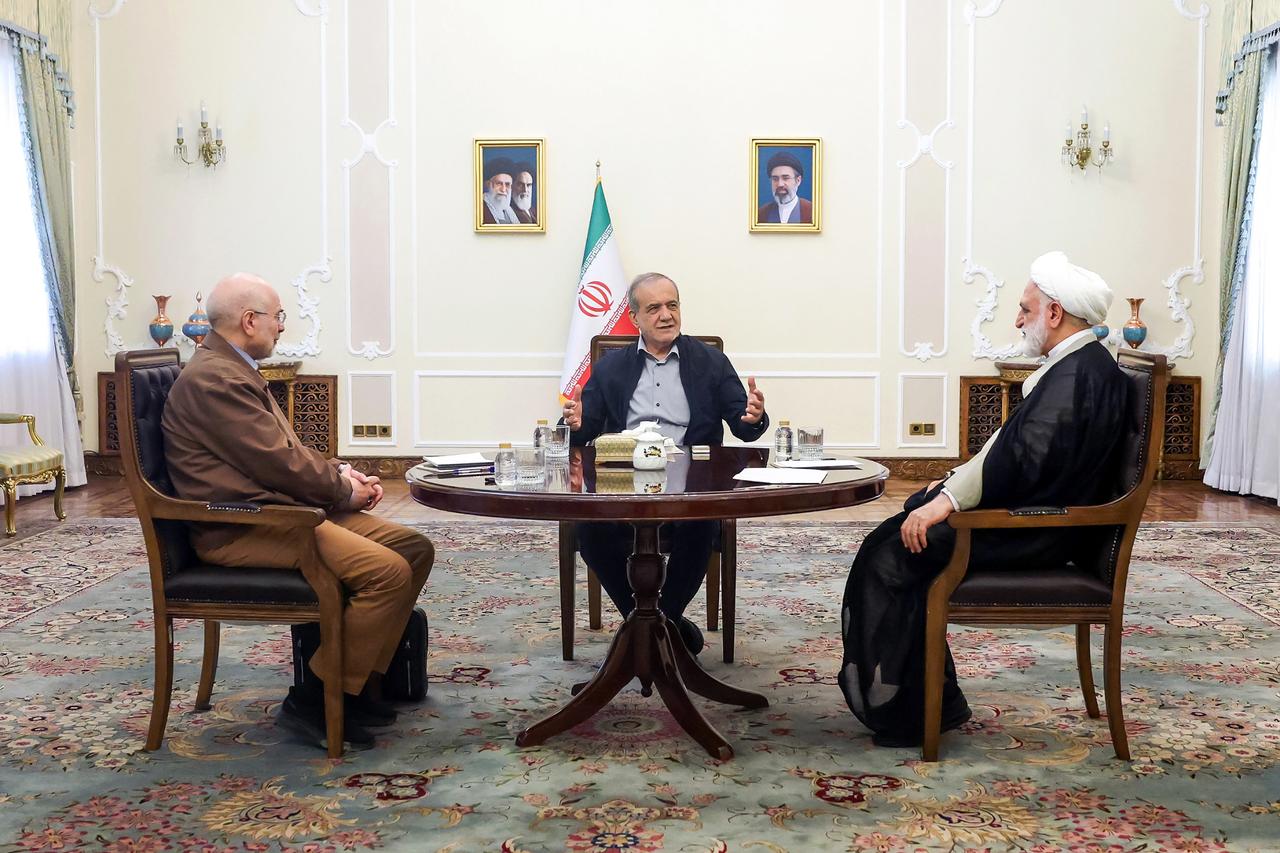
Iran will not return to “square one” in any renewed nuclear negotiations but remains willing to use diplomacy when it serves the country’s interests, Foreign Ministry spokesperson Esmail Baghaei said Monday, while rejecting Western concerns about debate in Iran over possible withdrawal from the Nuclear Non-Proliferation Treaty, or NPT.
Speaking at his weekly press briefing in Tehran, Baghaei said Iran would take into account its experiences over the past two years, including what he described as broken commitments by the other side.
“We will never return to square one,” Baghaei said. “How can you ignore the experiences of the past two years and then say that we have returned to square one?”
He said Iran had enough confidence not to avoid negotiations or diplomacy.
“For us, diplomacy is just as important as the battlefield and war,” he said, adding that Tehran would use diplomacy whenever necessary and whenever an opportunity existed to protect its interests.
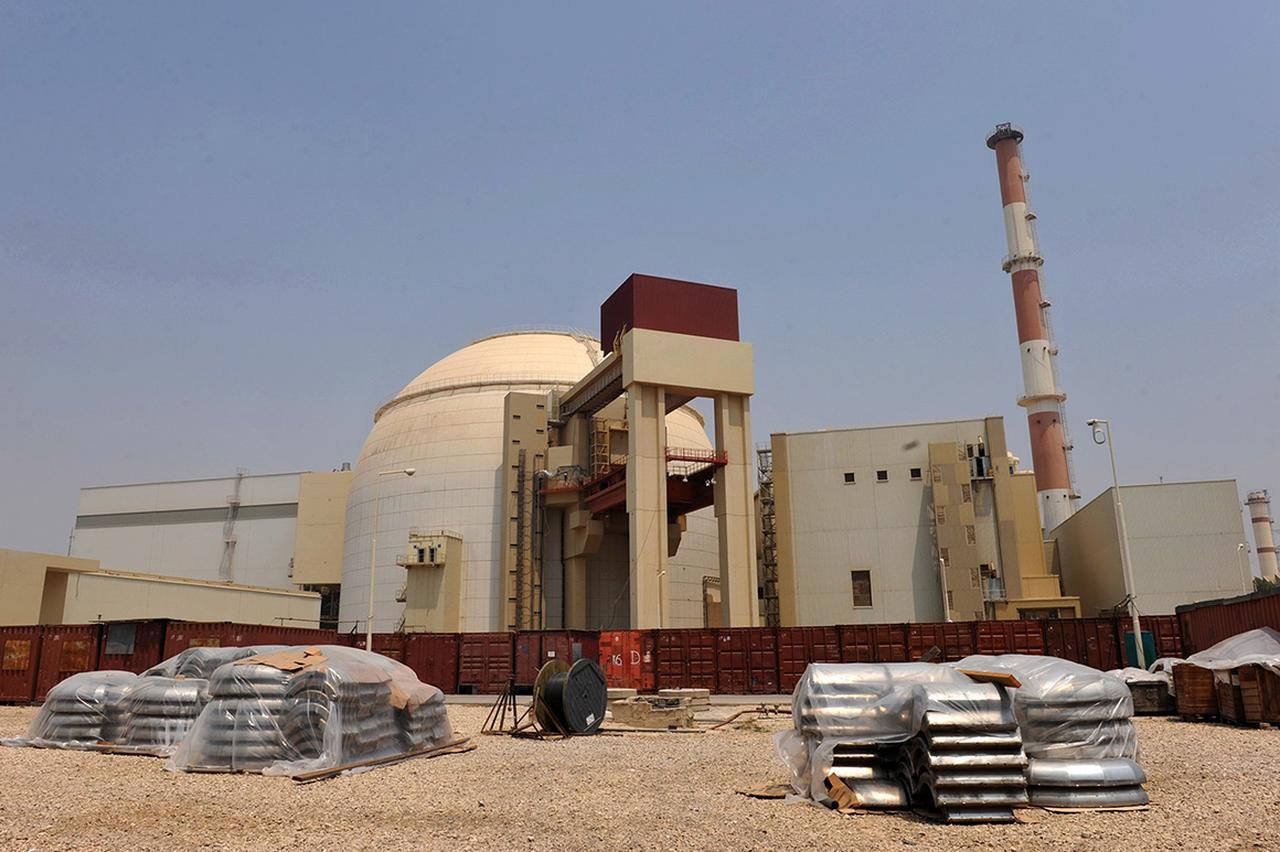

Baghaei also dismissed concerns in Western countries over discussions inside Iran about whether the country should remain in the NPT.
“Why are they worried? There is no reason for them to be worried. They created this concern themselves,” he said.
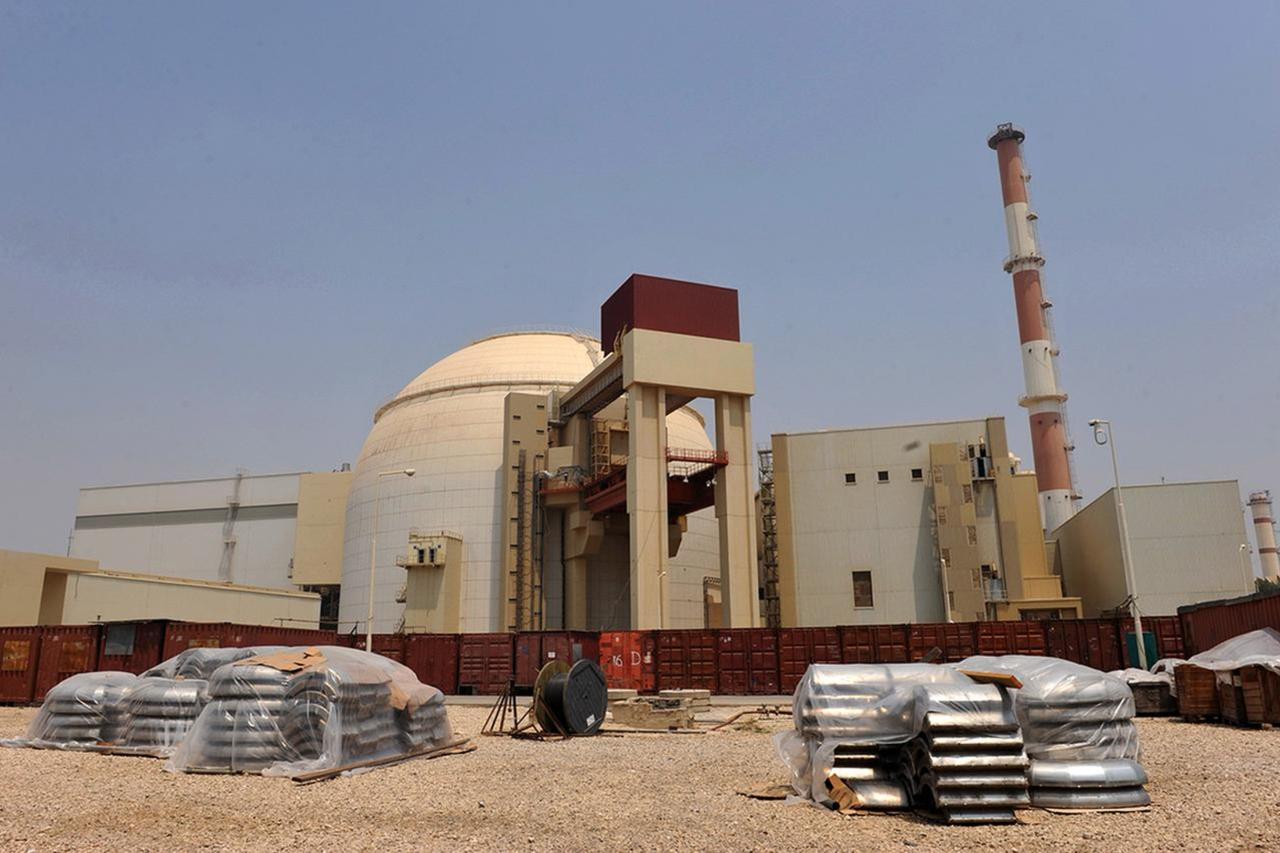
Baghaei said Iran had been an NPT member since 1970 and argued that attacks on what he described as the country’s peaceful nuclear facilities over the past nine months, along with what he called an inadequate response from the International Atomic Energy Agency and no action from the U.N. Security Council, had raised questions inside Iran about the benefits of remaining in the treaty.
He also accused European countries and European members of the IAEA Board of Governors of effectively endorsing those actions.
Baghaei said the debate was taking place among Iranian political figures, lawmakers and the public over whether the nonproliferation system was fulfilling its purpose.
He said the NPT had three main objectives: nuclear disarmament, preventing nuclear proliferation and guaranteeing countries access to nuclear energy for peaceful purposes.
According to Baghaei, problems had emerged in all three areas because of the actions of countries responsible for maintaining the system.
He cited recent remarks by French officials and France’s testing of new nuclear-capable weapons, arguing that countries could not promote nuclear deterrence while criticizing debate in Iran over continued NPT membership.
Baghaei also referred to the killing of Iran’s leader, whom he described as the author of a religious decree prohibiting nuclear weapons, and said those responsible could not then express concern about discussions in Iran over nuclear arms.
Baghaei said Iran had participated in diplomatic processes in good faith and should not be blamed for the current situation.
He accused the other side of destroying the negotiating process while talks were underway and continuing to insist on what he described as excessive demands.
Baghaei questioned how calls for diplomacy could be considered credible while, in his view, economic warfare was being intensified and wartime conditions were effectively being maintained.
He said claims about renewed negotiations should therefore be assessed in light of the conditions on the ground and the actions of the parties involved.


 Set as preferred source
 Set as preferred source


 1 min read
 1 min read