Newsletters


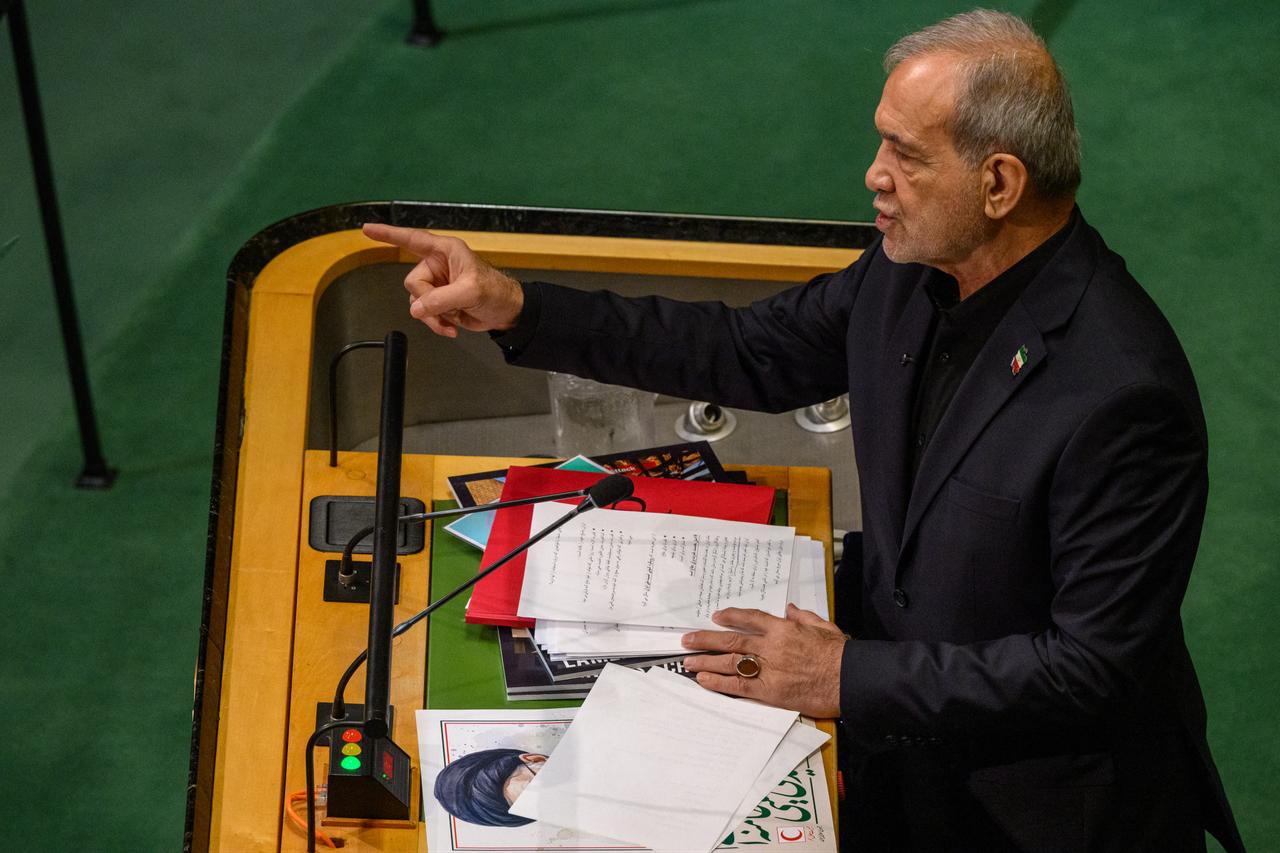


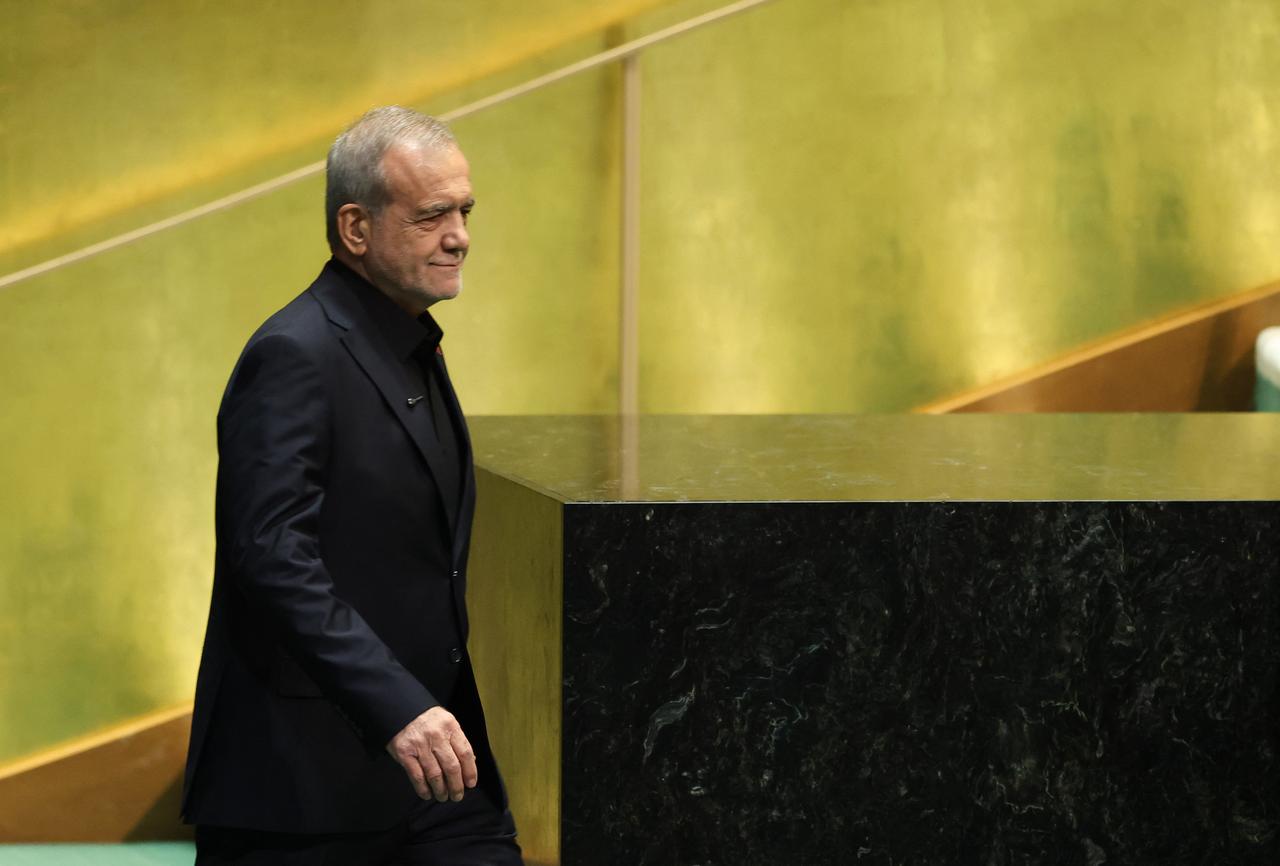
Iranian President Masoud Pezeshkian said Thursday that Tehran wants to reach an agreement with the U.S. to end the war before the U.S. midterm elections in November, while saying Washington must decide whether it wants to end the conflict.
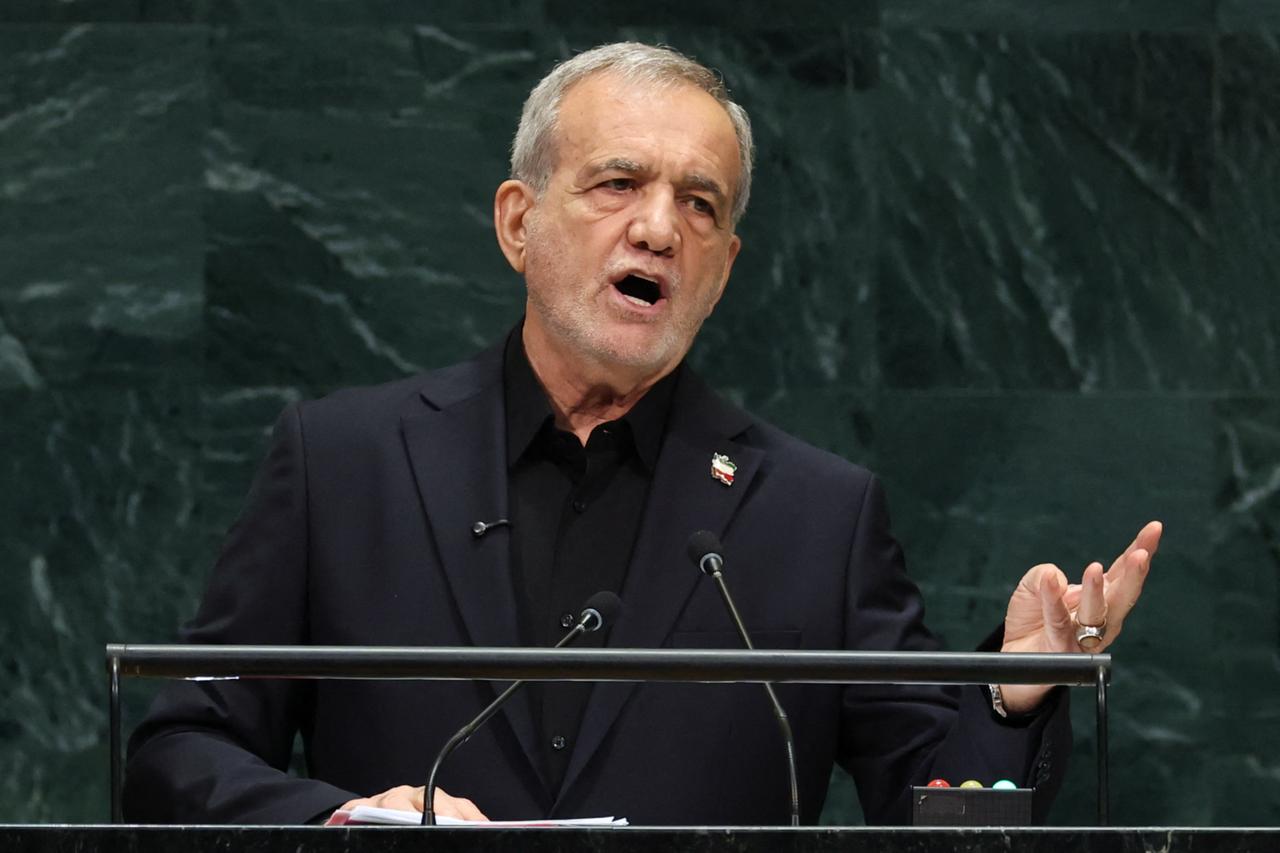
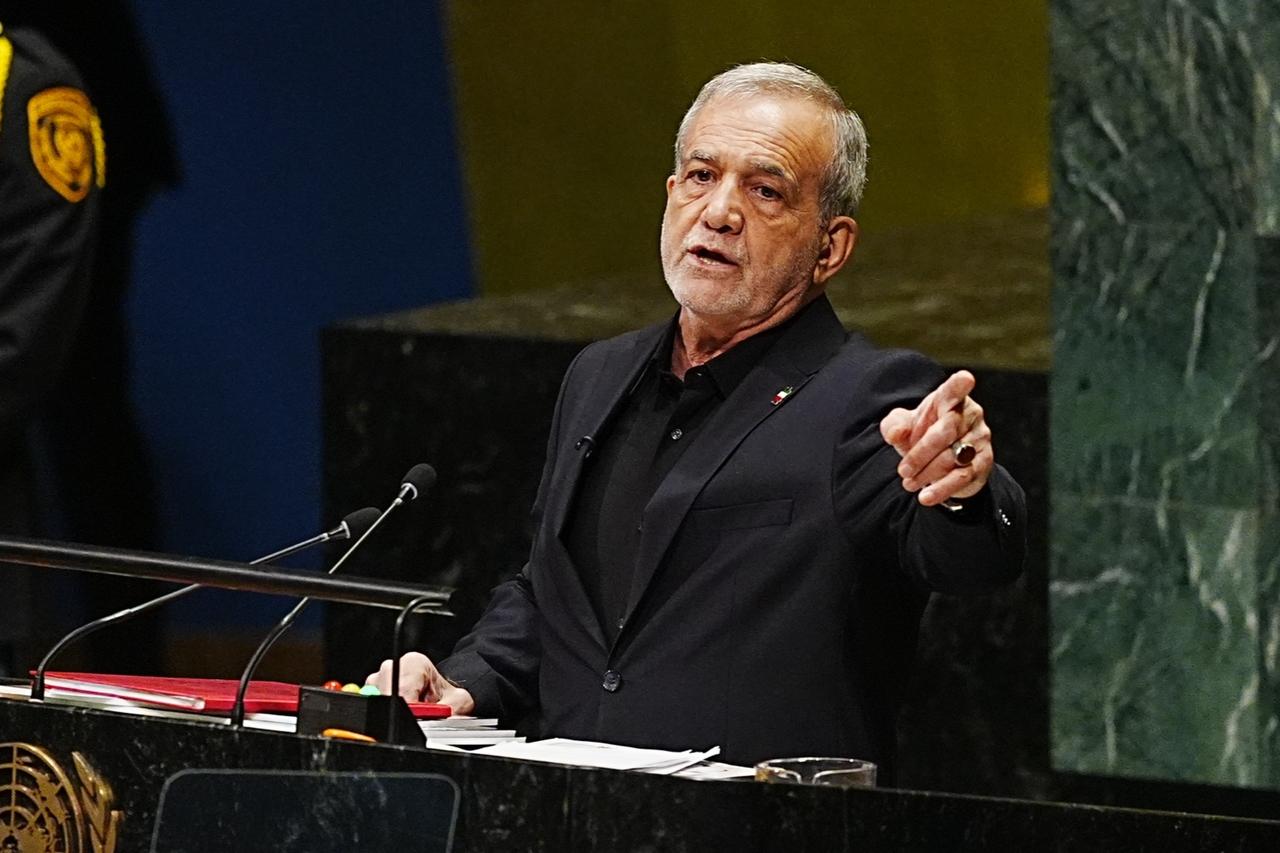
Speaking with NBC News and other news organizations on the sidelines of the U.N. General Assembly in New York, Pezeshkian said Iran wants Washington to return to a memorandum of understanding reached earlier this year.
"We don't want it to get to the midterm elections," Pezeshkian said.
"We wish Americans to return to the MOU before the midterms," he added, referring to an agreement signed in June that outlined plans for a temporary ceasefire before eventually collapsing.
In a separate interview with Fox News, Pezeshkian said Iran did not want the fighting to continue.
"When we can resolve issues through dialog, we shouldn't resort to killing one another," he said. "But with the instigations conducted by Israel, they have imposed this war on us."
"But we do not wish to continue. It's America that must choose whether it wants to end this or not."

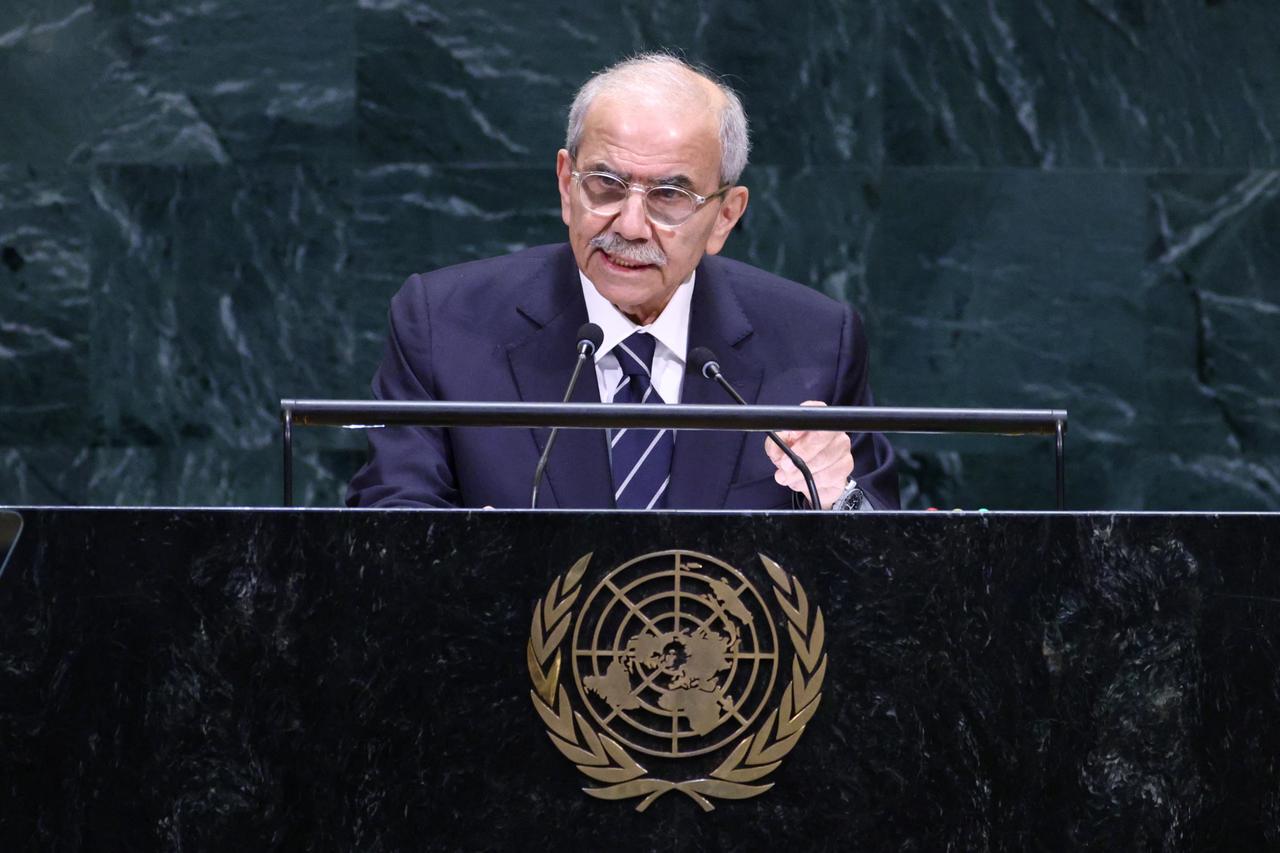
Iranian Foreign Minister Abbas Araghchi said Thursday that Tehran had presented a plan to U.S. officials through mediators that could lead to the reopening of the Strait of Hormuz and the resumption of negotiations after seven days.
"We have introduced a plan to the United States through the intermediators that, if certain conditions are met, the Strait of Hormuz will be open at the end of seven days and talks will be restarted," Araghchi said.
He said the conditions did not go beyond those contained in the June memorandum of understanding signed by Trump.
One of the conditions, Araghchi said, is for the U.S. to accept a maritime transit route through the Strait of Hormuz agreed upon by Iran and Oman.
Araghchi also met with Trump's envoy Steve Witkoff and son-in-law Jared Kushner on the sidelines of the U.N. General Assembly, but the talks did not immediately produce a breakthrough.
Trump said Tuesday that he believed Iran would not reach an agreement until after the midterm elections.
"I believe we'll make a deal right after the election because it doesn't make sense for them not to," Trump said. "They're waiting to see how I do in the midterm election."
Pezeshkian rejected the importance of the timing in his Fox News interview.
"If the current American government, within international legal frameworks, wishes to reach an agreement, fine," he said. "If not, before the elections or after the elections, what difference does it make for us?"
Trump has repeatedly said the goal of U.S. attacks on Iran was to prevent Tehran from developing a nuclear weapon. Soon after the war began, Iran blocked the Strait of Hormuz, through which about 20% of the world's oil flowed before the conflict.
The White House, responding to Pezeshkian's remarks, accused Iran of killing Americans overseas, carrying out acts in the Strait of Hormuz and launching attacks against neighboring countries.
White House spokesperson Anna Kelly said Trump was seeking to ensure Iran never obtains a nuclear weapon.
Pezeshkian also said his government was "open" to inspections of Iranian nuclear facilities, which Tehran maintains are used for civilian purposes.
He denied that the Iranian government was seeking to assassinate Trump or members of his family.
"This has not been the position of the Iranian government that we seek to assassinate President Trump or his family members," Pezeshkian said.
The U.S. Justice Department charged an Iranian man in November over an alleged murder-for-hire plot targeting Trump when he was the Republican presidential candidate in 2024.
Two other people were charged with planning to kill an Iranian American journalist and activist critical of the Iranian government's treatment of women.
U.S. authorities said the alleged plot was linked to Iranian efforts to avenge the death of Iranian Gen. Qassem Soleimani, who was killed in Baghdad in a U.S. drone strike ordered by Trump during his first term.
Pezeshkian had previously denied that Iran plotted to kill Trump.
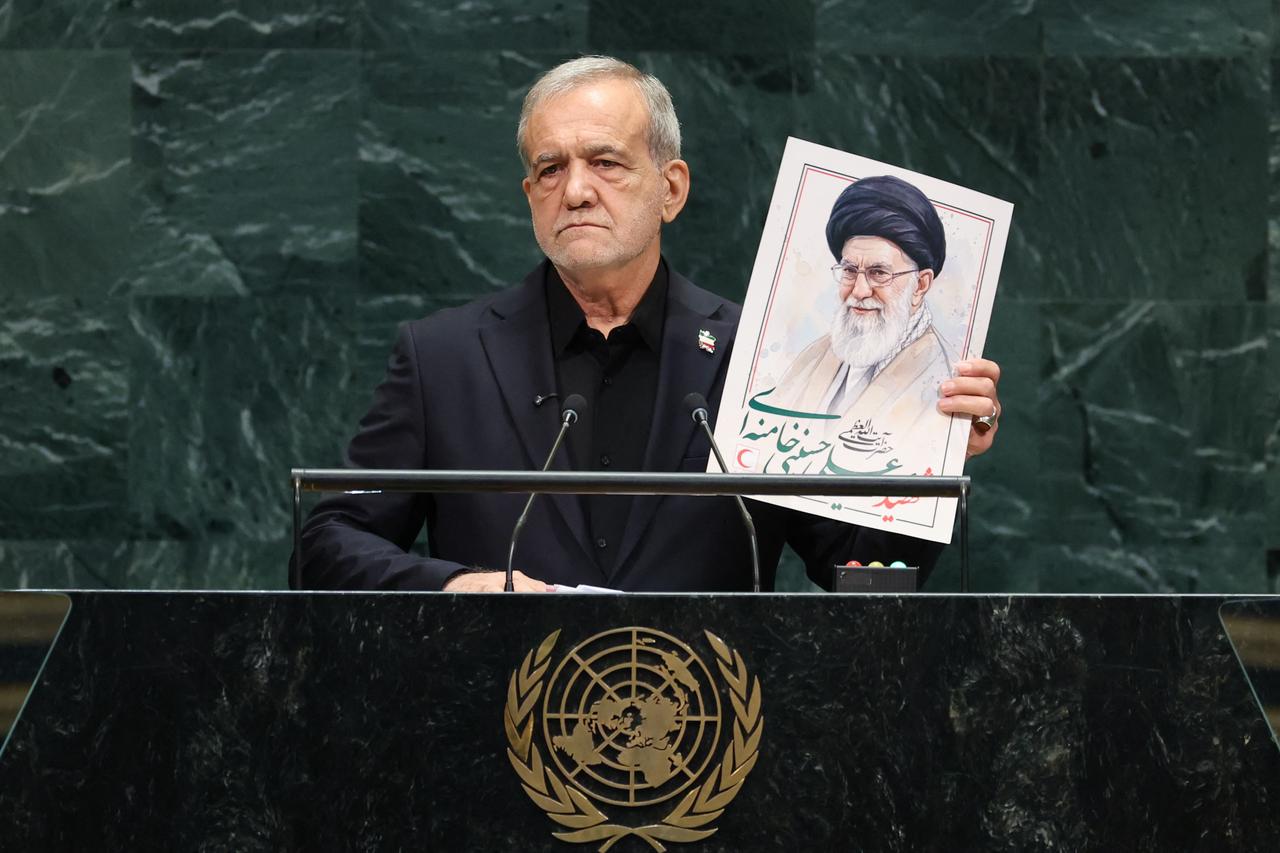
Pezeshkian also said he had met Iran's new supreme leader, Mojtaba Khamenei, twice, including during a seven-hour meeting about a month ago.
Mojtaba Khamenei assumed the position in early March after his father, Ayatollah Ali Khamenei, was killed in an Israeli attack that also killed family members and other senior Iranian officials.
Pezeshkian said he saw no problems with the supreme leader's health or physical appearance during their meetings and said they sat on the floor on traditional pillows.
Three people with knowledge of the matter previously told NBC News that Mojtaba Khamenei had been seriously injured in the attack that killed his father, suffering burns to his face and body and injuries that required several operations on one of his legs.


 Set as preferred source
 Set as preferred source


 1 min read
 1 min read