Newsletters




Joey Hood was working at the U.S. Embassy in Riyadh on Sept. 11, 2001, when Osama bin Laden tried to drive a wedge between Saudi Arabia and its strongest ally. Hood, who later served as ambassador to Tunisia and as deputy chief of mission in Iraq and Kuwait, told Türkiye Today that Riyadh and Washington responded to the attacks by deepening their ties. "More than 250,000 Saudi students and family members went to study in the United States over the next decade."
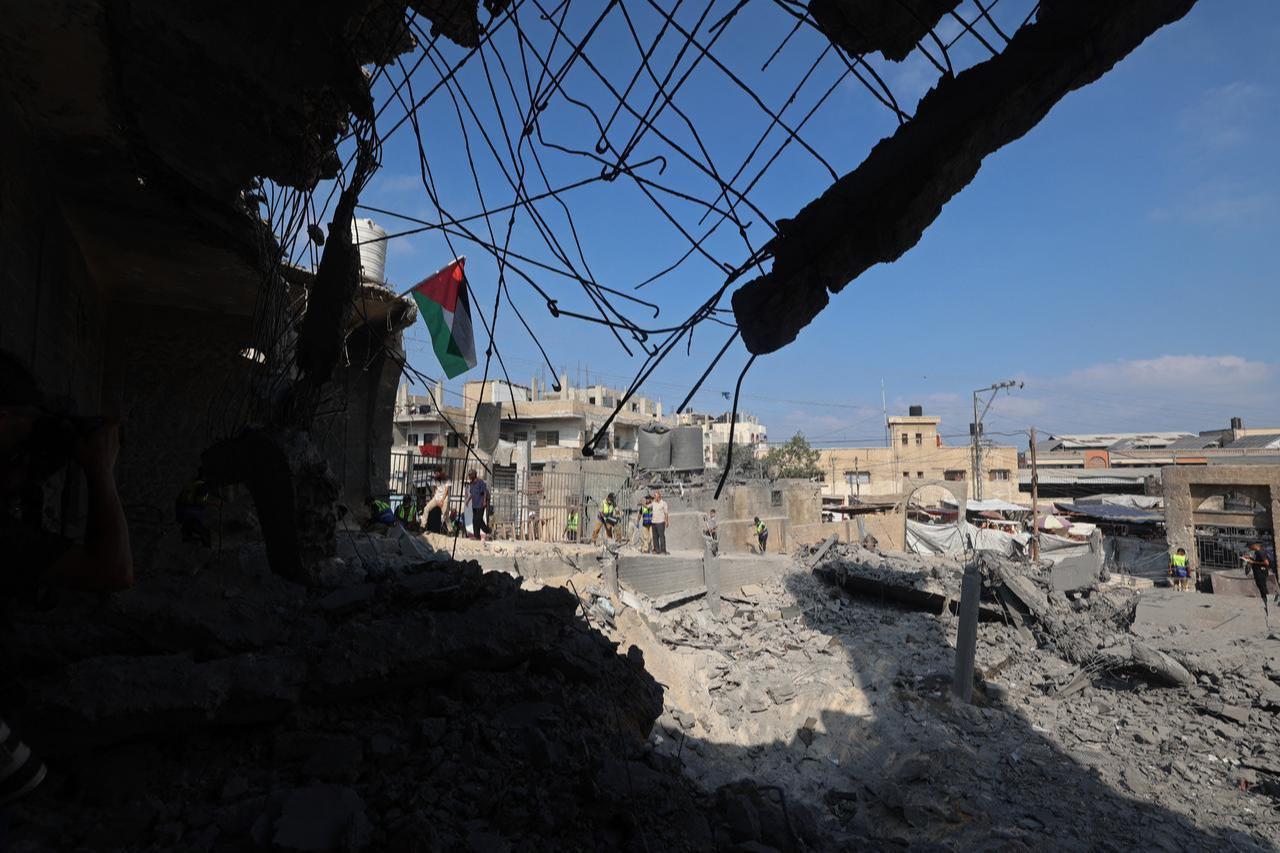
Hala Rharrit, a former U.S. diplomat and Middle East and North Africa expert, looks at the same two decades and sees a rebuilding project wasted by Washington's response to the post-Oct. 7 war in Gaza. "All of that [diplomatic work] has been devastated," she said. "We have lost all credibility. We are seen as a country of double standards. We only care about human rights when it's the human rights of a certain people."
Any audit of U.S. standing in the Middle East divides along two lines: popular legitimacy and government-to-government relations. The real test is mapping where Washington stands on each front and asking whether the damage to its credibility has passed the point of no return.
Kristian Alexander, a Gulf security analyst who has held fellowships at the Rabdan Security and Defense Institute and Trends Research & Advisory, occupies the middle ground. U.S. standing, he told Türkiye Today, is "seriously damaged, but it has not been irretrievably lost." He draws the line here: "Regional leaders distinguish between American power and American reliability."

The numbers are lopsided. In Arab Barometer surveys fielded from August to November 2025, respondents were asked which country upholds international law. In Egypt, a major non-NATO ally, 25% said the United States and 58% said China. On regional security, 6% of Egyptians picked American policy and 36% picked Beijing's approach.
Even Tehran gained ground. Amaney Jamal and Michael Robbins, experts with Arab Barometer, wrote in Foreign Affairs that Iran's favorability now tops America's in most surveyed countries. Iran, they wrote, "is redeemed, in large part, by its opposition to Israel."
The slide began quickly. A Washington Institute for Near East Policy poll taken at the end of October 2023 found that only 7% across six Arab publics saw America's role in the Gaza war as positive; in Jordan, only 2% did. In Egypt, 9% said they trusted America, compared with 51% who said they trusted Russia and Iran.
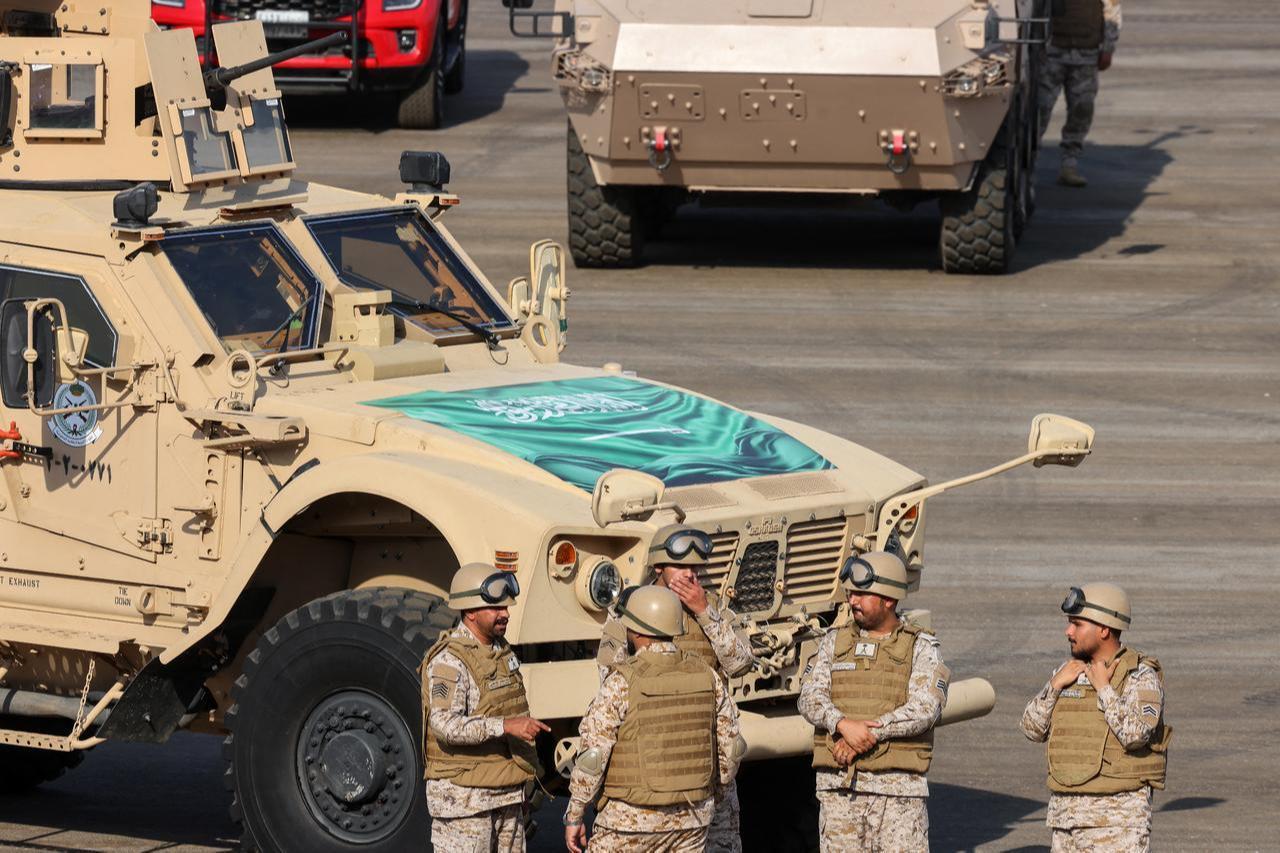
Gulf governments tell their story in dollars, according to Ambassador Hood. The seasoned diplomat cites $142 billion in defense agreements approved last year, pushed through the famously slow U.S. system at four times the previous pace, as well as a civilian nuclear energy deal announced in July with Riyadh and a $1.4 trillion investment framework from Abu Dhabi.
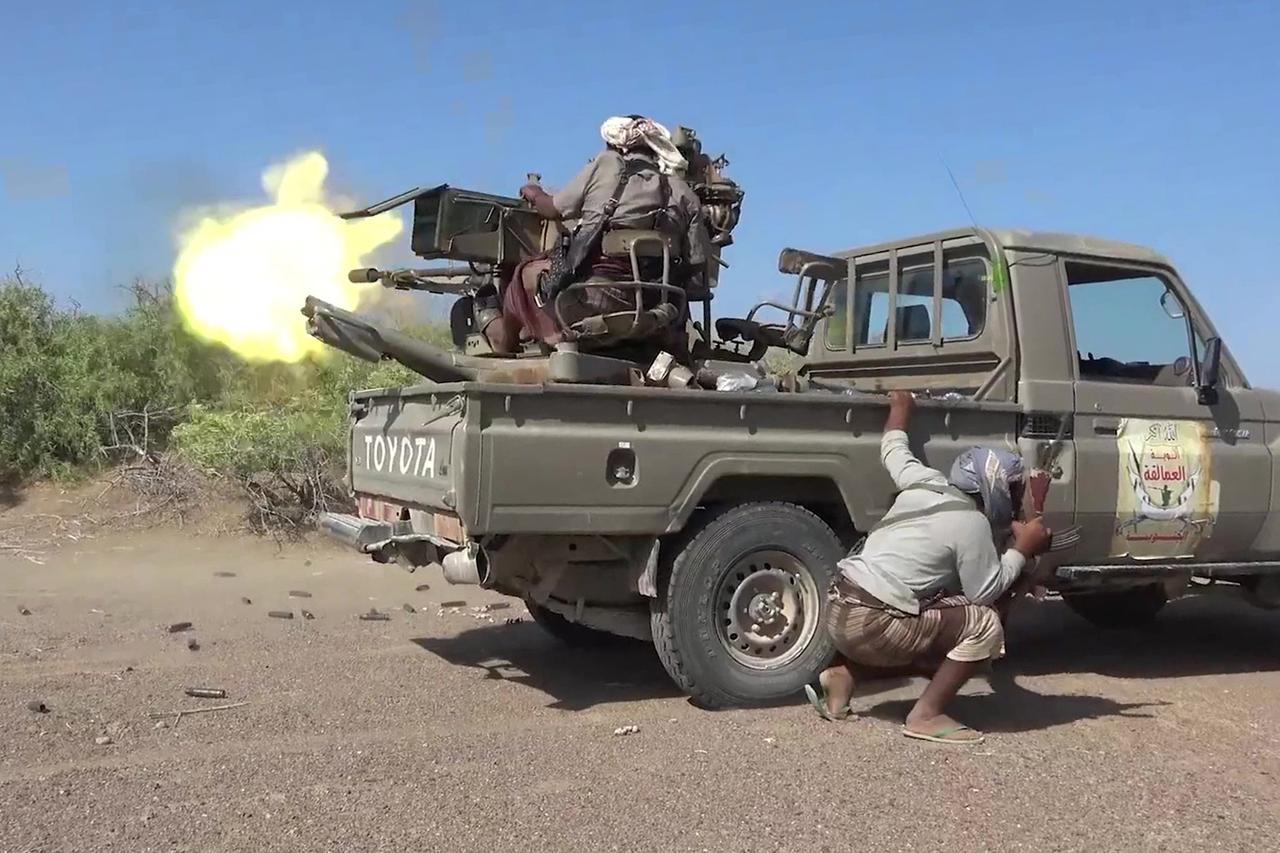
The United Arab Emirates also left OPEC and cut financial and trade ties with Iran, he said, while Kuwait announced its largest foreign direct investment ever. "This time it is not al-Qaida, but the IRGC that is punishing the Kingdom," Hood said, citing hundreds of drone attacks.
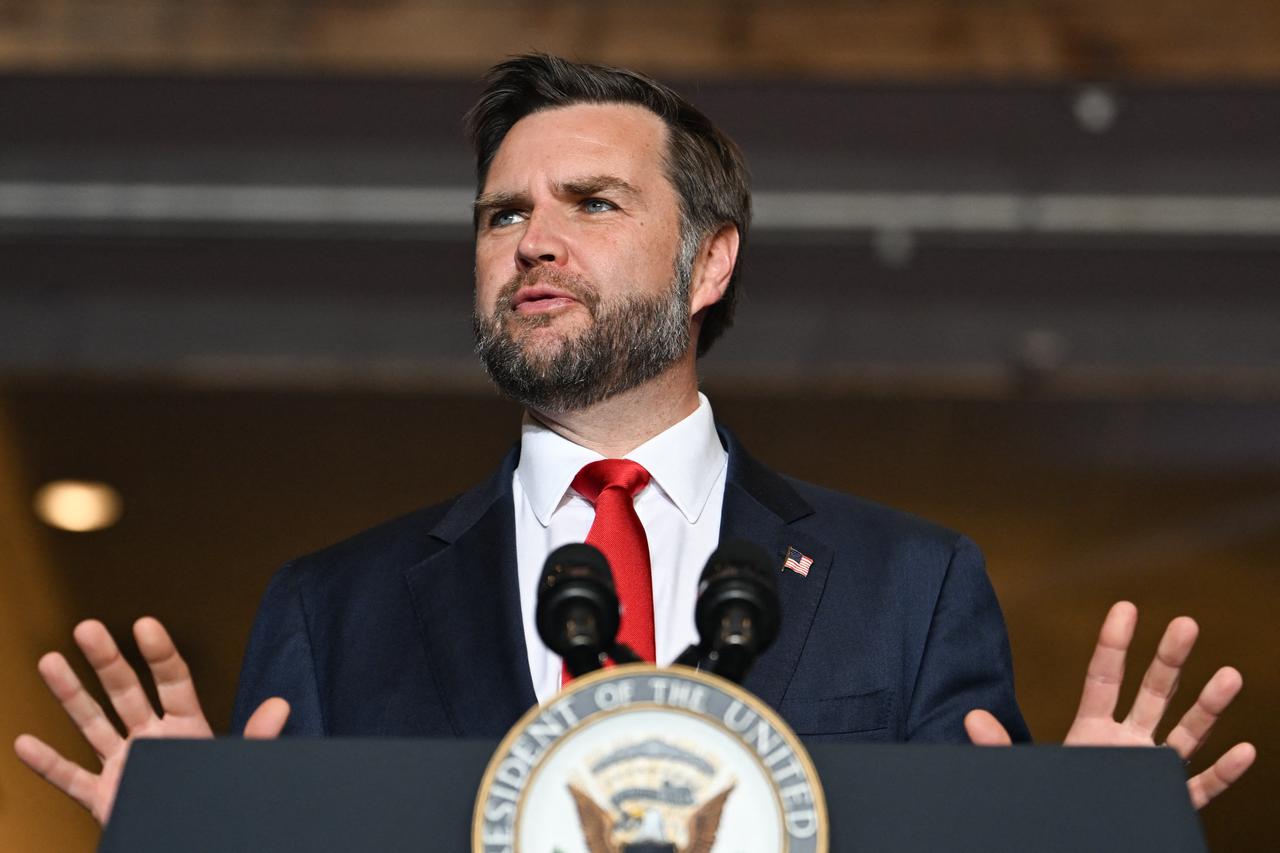
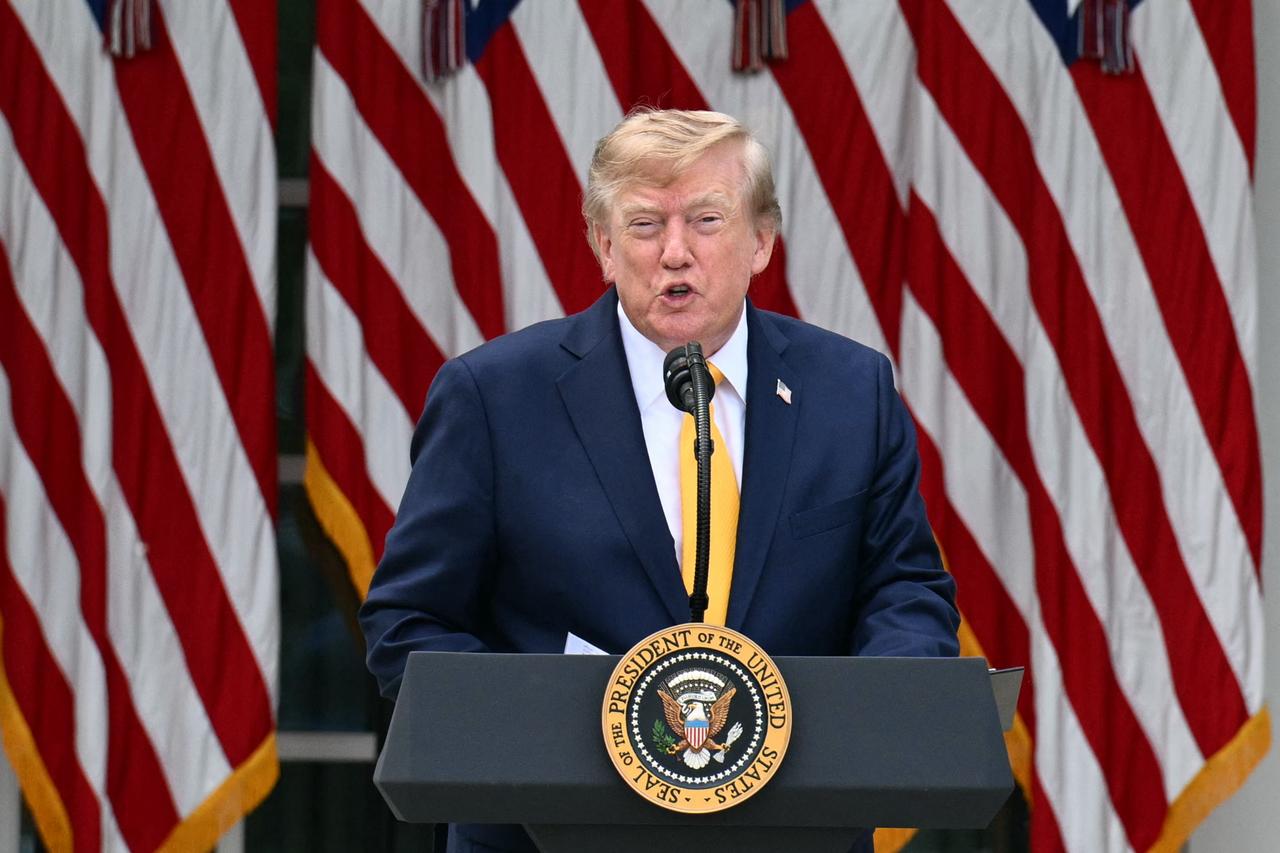
While conceding that Gulf leaders have valid grievances over Washington's lack of coordination ahead of the war, Hood argues that in the face of this crisis, "President Trump and Crown Prince Mohammed bin Salman are building on their predecessors' legacies by making even greater investments in the U.S.-Saudi relationship."
Alexander reads the same record differently. Israel's September 2025 strike on Hamas leaders in Doha, during negotiations, raised the question of whether close ties to Washington protect a partner when another American ally uses force against it.
When it comes to Washington's footprint in the Middle East, there is no unified Arab consensus. Instead, national interests and priorities drive how each capital responds. Abu Dhabi-based expert Alexander notes that Oman prizes dialogue and mediation with Tehran, while the United Arab Emirates leans toward stronger defenses and security partnerships.
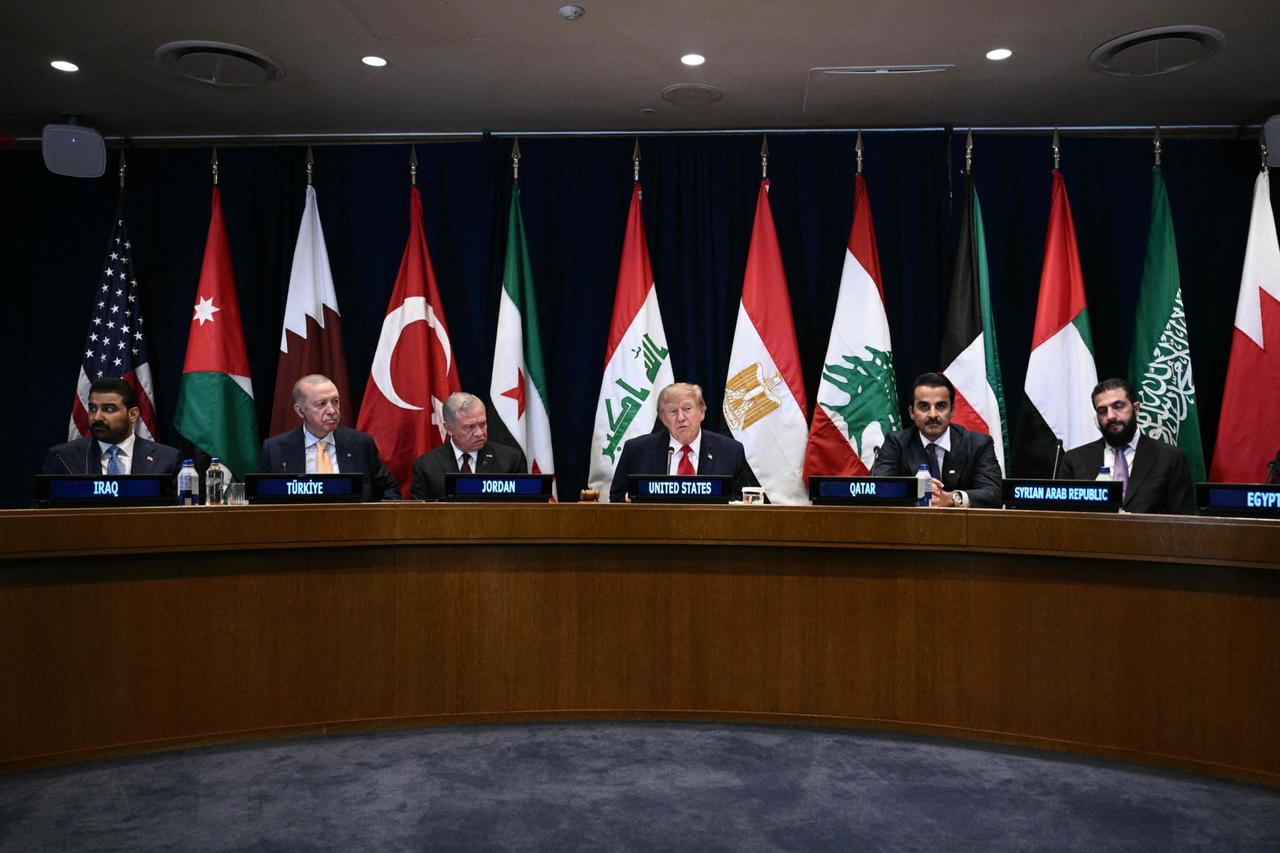
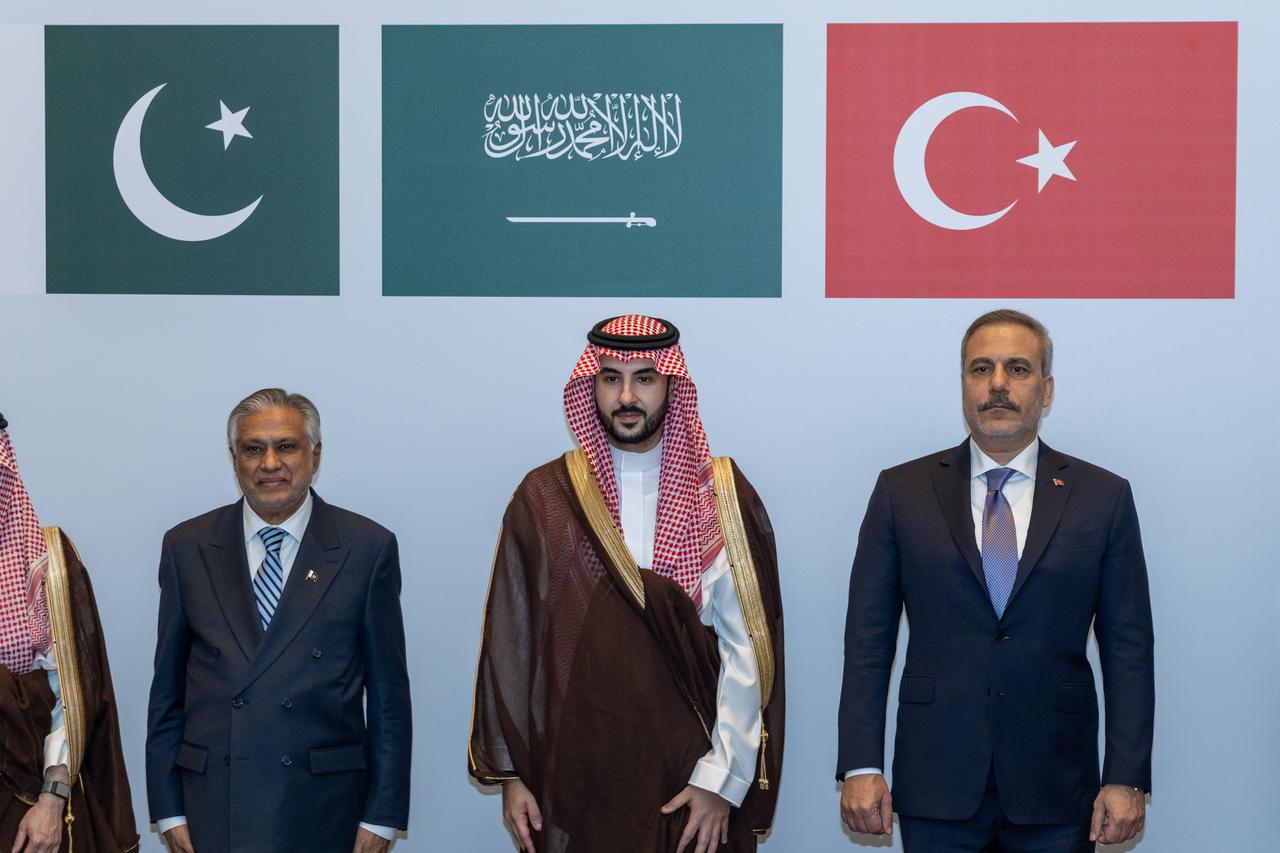
Yet if there is a defining feature of this new era, it is that almost every regional actor is hedging its bets. Saudi Arabia reinforced its non-American security pillars, signing a mutual defense pact with Pakistan in September 2025 before bringing Türkiye into the fold through the Mecca Pact, and the UAE and India reaffirmed their defense partnership in January 2026.
Others buy arms from France and Britain, or drones from Türkiye. China offers trade and diplomacy, though Alexander cautions that its "economic importance should not be confused with an equivalent willingness to provide military protection."
Trump's deal-making style draws the same mixed assessment. Gulf rulers may find him "accessible yet difficult to rely upon," Alexander said, because rapport and large investment pledges buy a hearing, not a guarantee. Regional policymakers, he said, are asking: "Does the relationship with Washington make us safer, and can we influence decisions that affect our survival?"
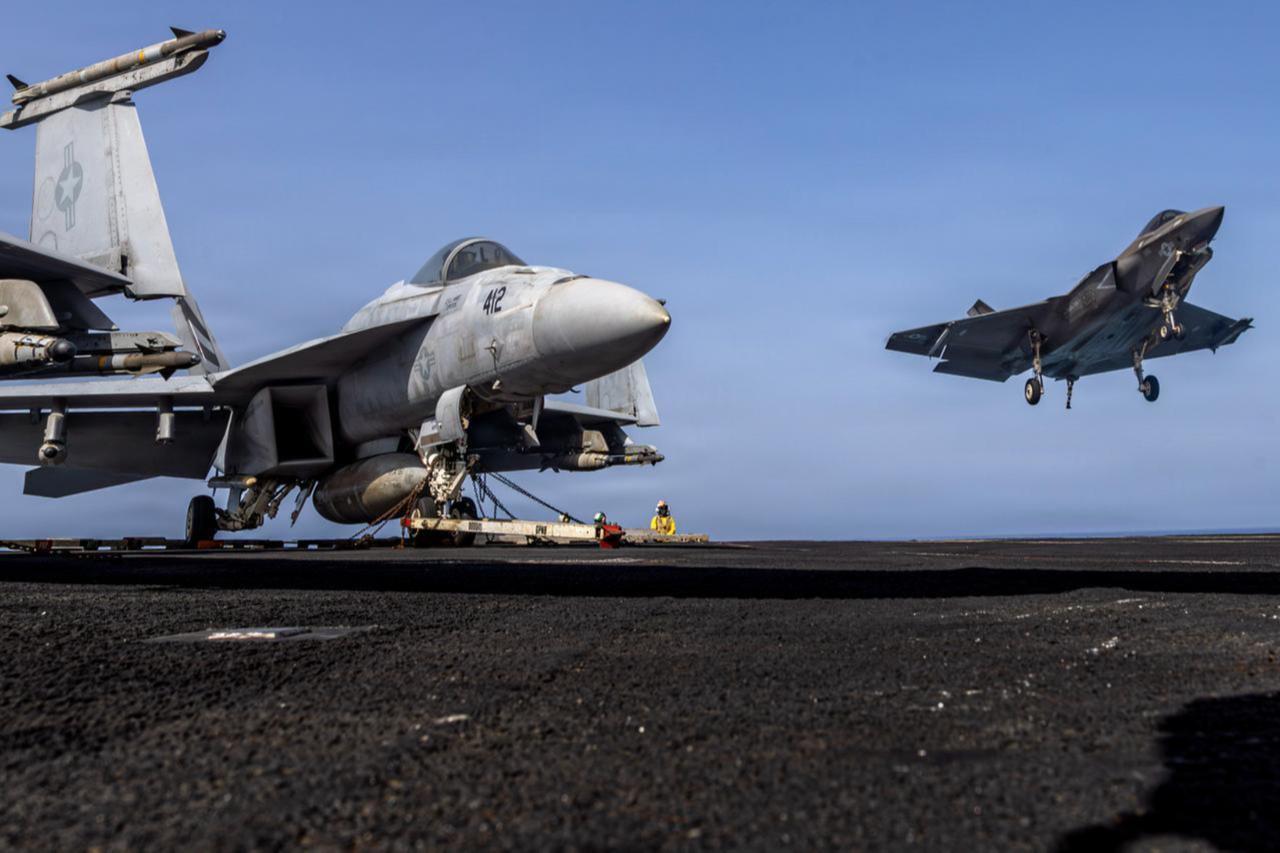
Soft power is the cheaper way for a state to get what it wants. When allies cooperate because they want to, Washington doesn't have to buy compliance through sanctions or military force, and coercion used alone costs more and invites more blowback. Soft power also makes hard power go further. The question is whether Arab publics still give Washington that discount.
Munqith Dagher and Karl Kaltenthaler, writing for the Washington Institute's Fikra Forum, predicted that Arab governments would find public engagement with U.S. officials "increasingly uncomfortable." To fight terrorism, the two analysts wrote, the United States has to "win the battle of hearts and minds."
Alexander says the repair job starts with who sits at the table. The prominent roles of Jared Kushner and Steve Witkoff "merit scrutiny," he said, since both come from real estate rather than career diplomacy. Their business approach and presidential access may appeal to some governments but could also raise concerns that questions of sovereignty, legitimacy and security "are being treated primarily as commercial negotiations."
Rebuilding trust, in his words, "requires experienced diplomatic support and agreements anchored in institutions, so that commitments remain dependable beyond personal relationships and changes in leadership."
Ambassador Joey Hood frames the stakes through history. After Sept. 11, Riyadh and Washington met an attempted wedge with cooperation. Today, he said, "it is weapons and business, but the goal is the same": keeping a common adversary from driving a wedge between the two capitals.


 Set as preferred source
 Set as preferred source


 1 min read
 1 min read