Newsletters


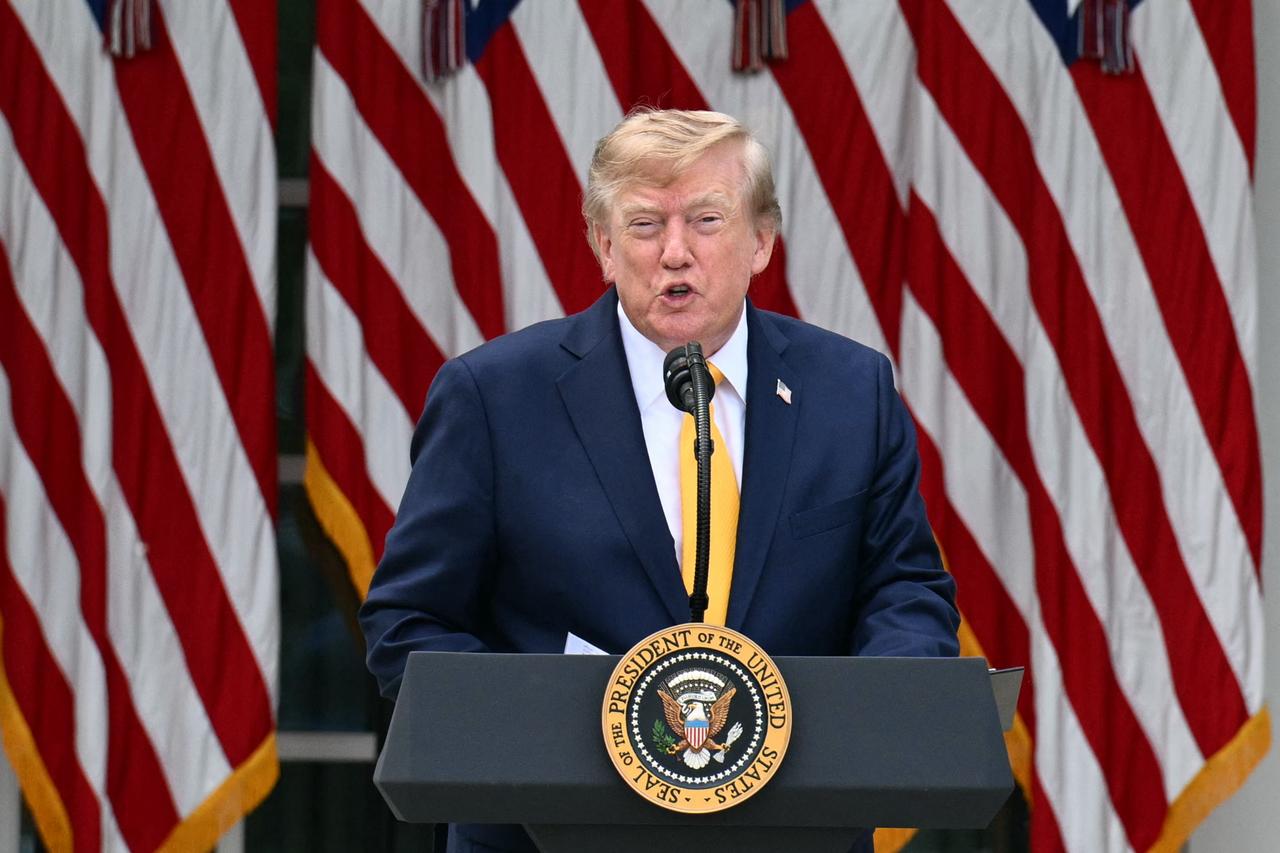


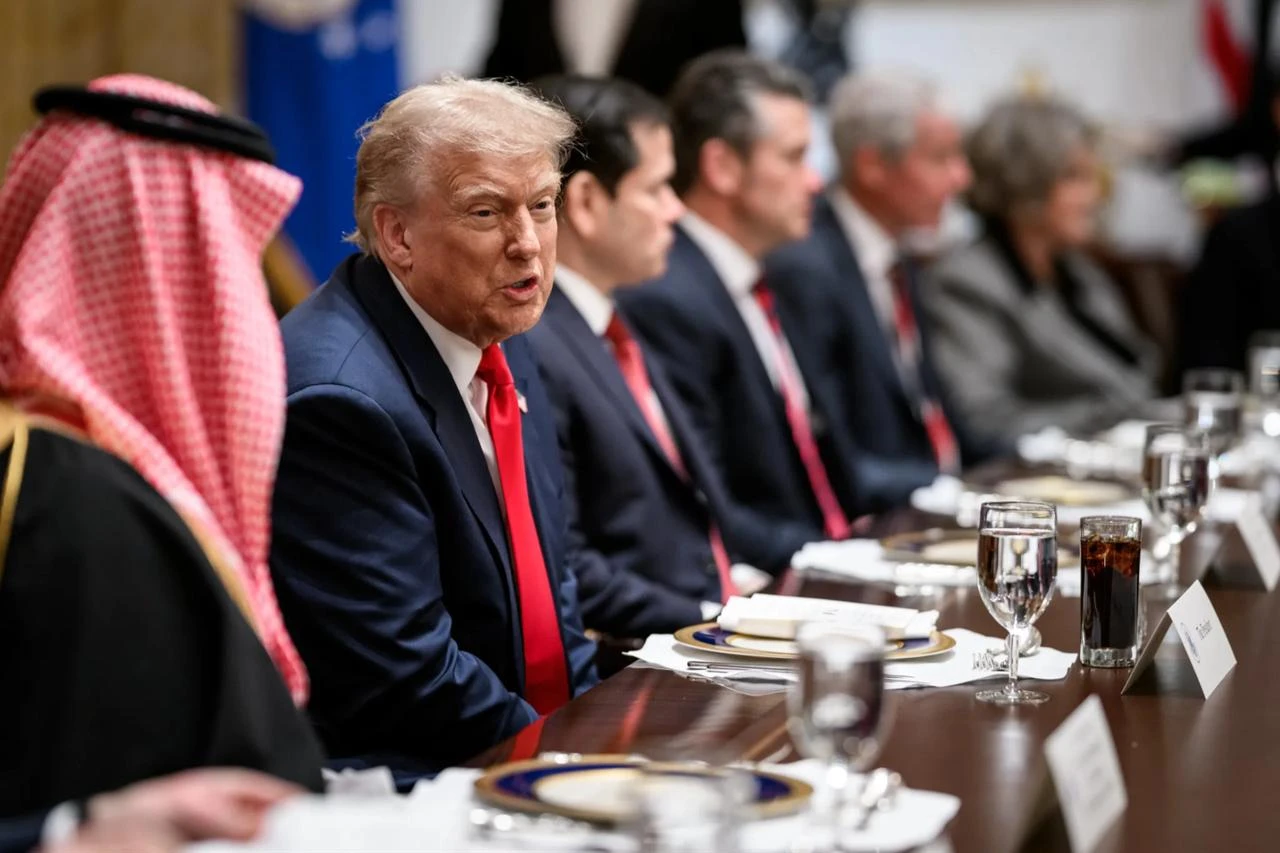
U.S. President Donald Trump has submitted a 30-year nuclear cooperation agreement with Saudi Arabia to Congress for review while maintaining that the deal will only move forward if Riyadh normalizes relations with Israel, The Wall Street Journal reported.
The agreement, transmitted to lawmakers Monday as required under U.S. law, would give American companies a central role in developing Saudi Arabia’s civilian nuclear infrastructure while largely excluding foreign competitors.
“The president's position has not changed: the agreement will only move forward if Saudi Arabia joins the Abraham Accords,” an administration official told the Journal.
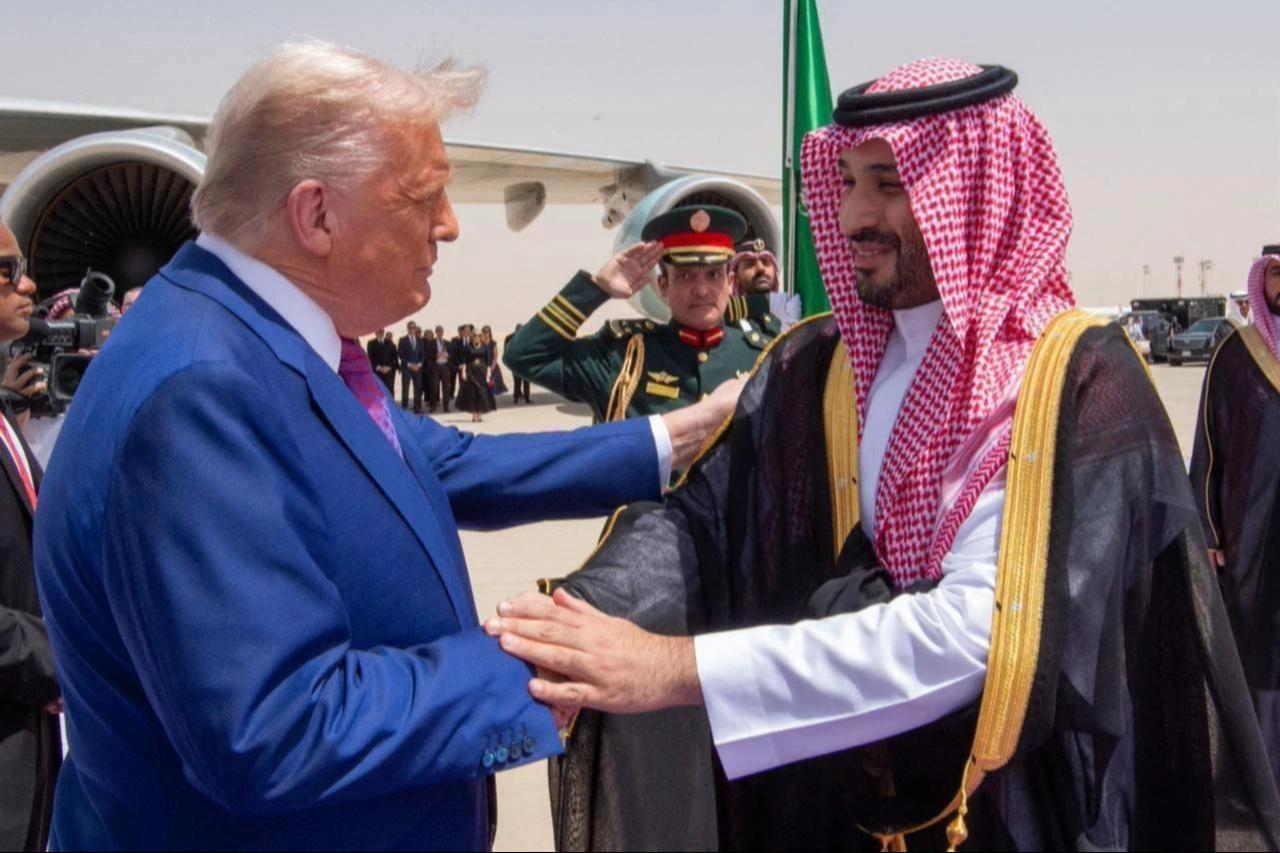

The agreement has drawn scrutiny because it could eventually allow uranium enrichment on Saudi territory.
Under the deal, U.S. and Saudi officials would conduct a two-year study to determine whether it would be commercially viable for American companies to build a uranium enrichment facility in the kingdom.
If the study concludes that domestic enrichment is justified, U.S. companies would construct the facility under arrangements designed to prevent sensitive nuclear technology from being transferred to Saudi Arabia.
Trump administration officials argue that U.S. involvement would help ensure the program remains peaceful, while critics warn that allowing enrichment in Saudi Arabia could encourage the spread of sensitive nuclear technology in the Middle East.
Andrea Stricker of the Foundation for the Defense of Democracies said Congress should oppose an agreement that allows uranium enrichment on Saudi soil, even at a U.S.-operated facility.
Saudi officials have said the kingdom wants a civilian nuclear industry that can use its domestic uranium deposits to meet energy needs, allowing more Saudi oil to be exported and increasing revenue.
Congress will now review the agreement, with lawmakers expected to debate its implications for the U.S. nuclear industry and nuclear nonproliferation.
Blocking the accord would be difficult. Congress would need to approve a joint resolution opposing the agreement and secure a two-thirds majority in both chambers to override a possible presidential veto.
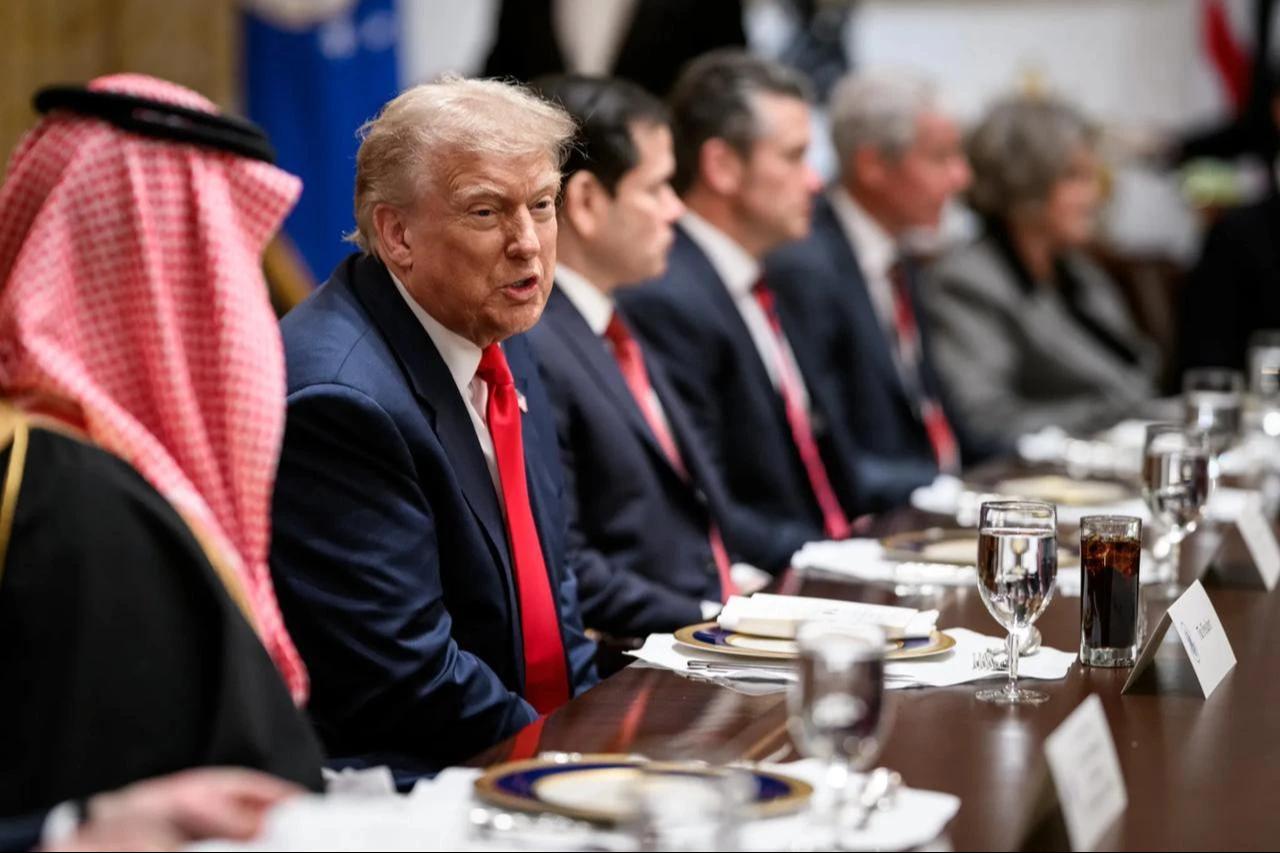
Trump added the requirement that Saudi Arabia normalize relations with Israel after the nuclear deal had already been negotiated and signed, according to the report.
The Abraham Accords were brokered by the U.S. in 2020 and signed by the U.S., Israel, the United Arab Emirates, and Bahrain.
Saudi Arabia had moved closer to normalizing relations with Israel during the Biden administration as part of a broader arrangement that was expected to include a U.S. defense pact and civilian nuclear cooperation.
Riyadh pulled back following Hamas’ October 2023 attack on Israel and Israel’s subsequent military campaign in Gaza.


 Set as preferred source
 Set as preferred source


 2 min read
 1 min read