Newsletters


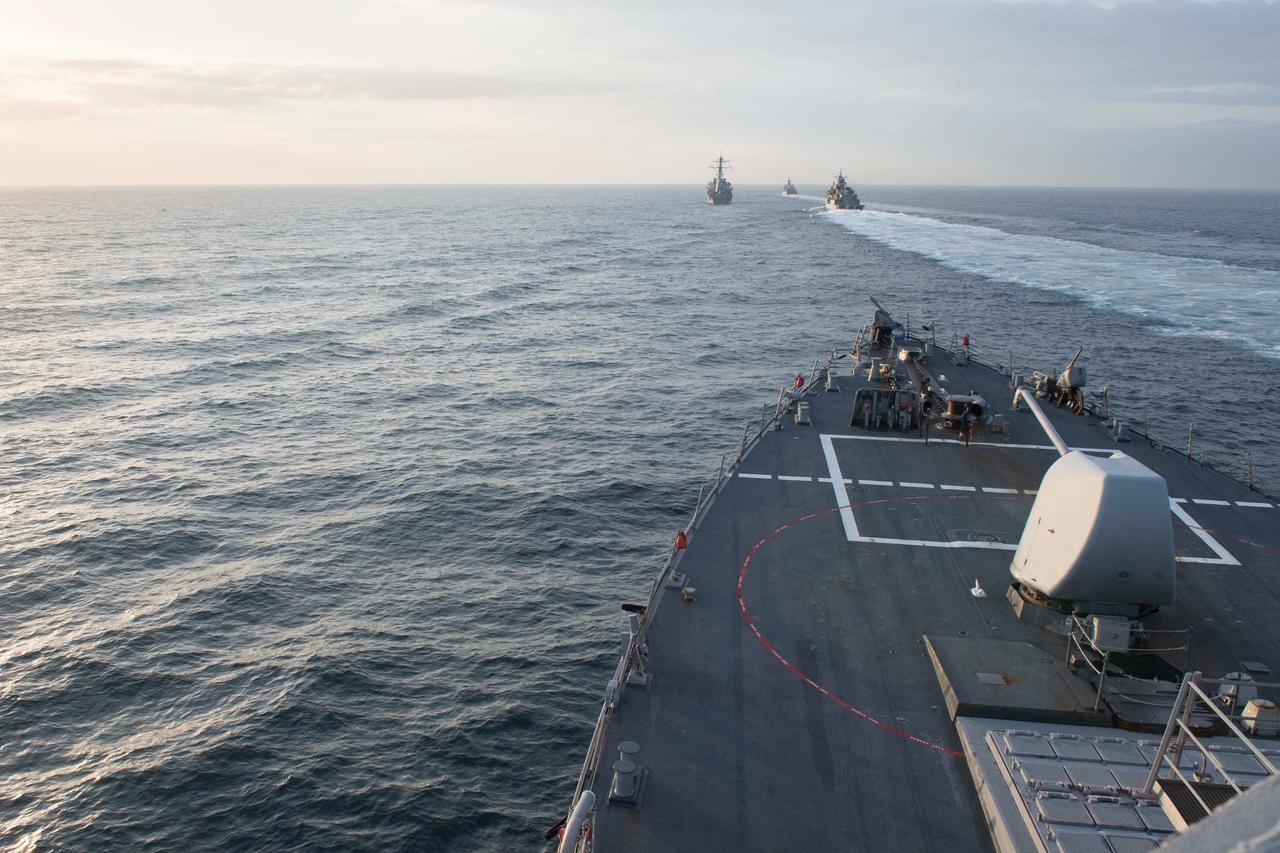


The first tranche of Russian diesel that Washington cleared for sale is 2.25 million barrels, less than a single day of American demand. It loads at Black Sea ports such as Novorossiysk, in waters where commercial ships are now being set on fire.
That is the arithmetic of the moment. Safe passage in the Black Sea has broken down just as the Strait of Hormuz and the Red Sea are already under strain.
The Council on Foreign Relations counts 12% to 15% of global maritime trade, worth more than $1 trillion a year, as passing through the Red Sea alone, where the Houthis have declared a blockade on Saudi shipping.
Hormuz normally carries about a fifth of the world's oil and gas. The Black Sea is the third strand, and it is fraying fastest.
Washington, meanwhile, has been easing toward Moscow on energy: the diesel waiver and an "energy ceasefire" that collapsed this week. All while President Trump has put new congressionally passed Russia sanctions on hold.
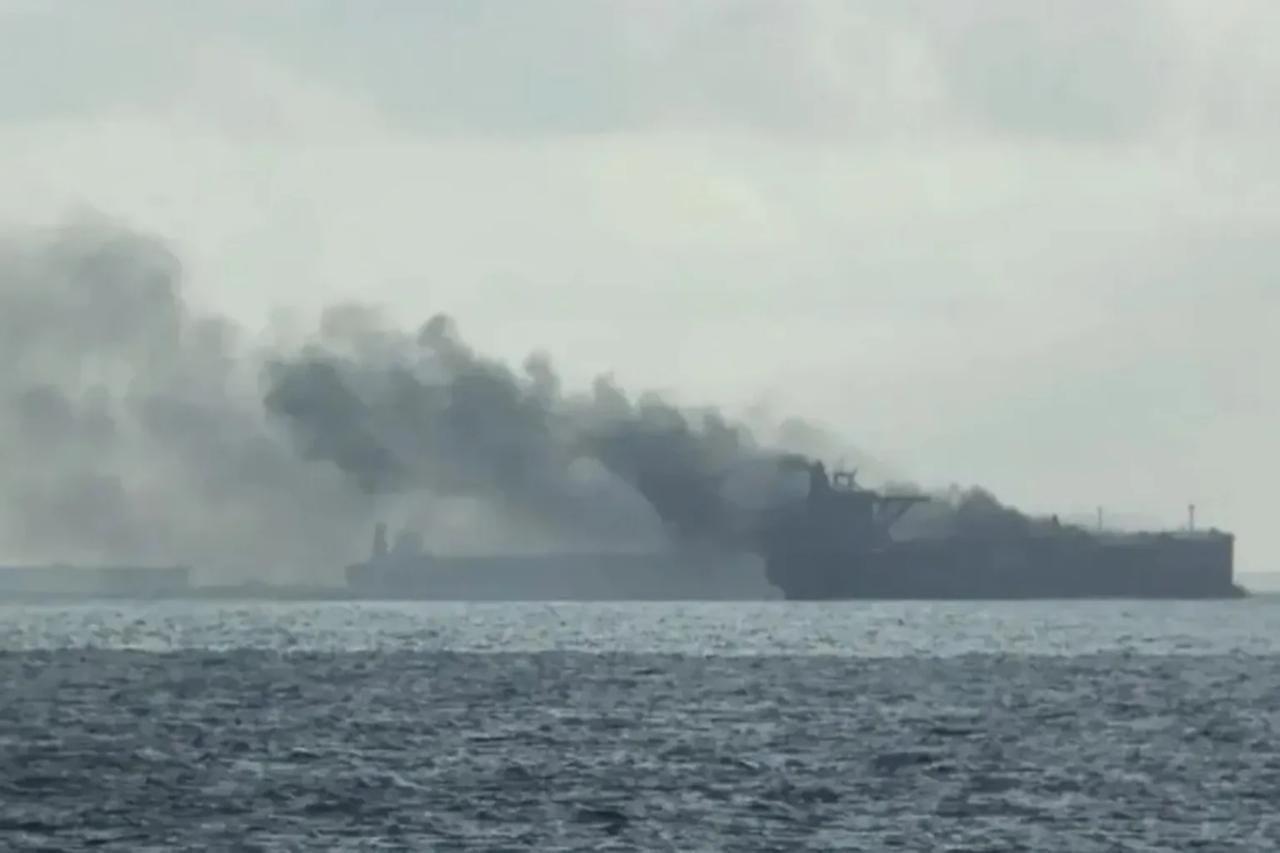

The Wine Trader, a San Marino-flagged chemical tanker, was hit by a drone off Romania on Thursday morning. A day earlier, another one had been struck just inside Romanian territorial waters. A NATO military source told Reuters the drones that hit both tankers were of Russian origin.
The AP counts at least seven cargo vessels hit this month off Romania and Bulgaria, with two people dead and at least 25 missing. Bulgaria's Defense Minister Dimitar Stoyanov has formally asked NATO to deploy combat aircraft and anti-drone systems. NATO ambassadors take it up next week.
So how does Washington manage a third front while the other two are still burning? And what can the United States do, through NATO or bilaterally, to protect commercial shipping from drones?
The Black Sea carries roughly 25% to 30% of global wheat exports and two-thirds of sunflower oil. Russia and Ukraine together supply about 27% of the world's wheat. From July to September, their combined shipments ran 6.5 million tons below the same period last year.
Insurers have already priced the risk. Lukoil's commercial manager in Bulgaria says war-risk premiums for a Black Sea voyage have jumped from about $200,000 to $2.5 million per vessel. A ship operator in Türkiye estimated at a Sept. 22 industry conference that around 90% of shipowners had suspended calls at affected ports.
The World Food Programme's acting director, Carl Skau, named the Black Sea, Hormuz and Bab el-Mandeb as the chokepoints pushing up food and energy prices. Egypt, Türkiye and the wider Middle East feel it on the spot.
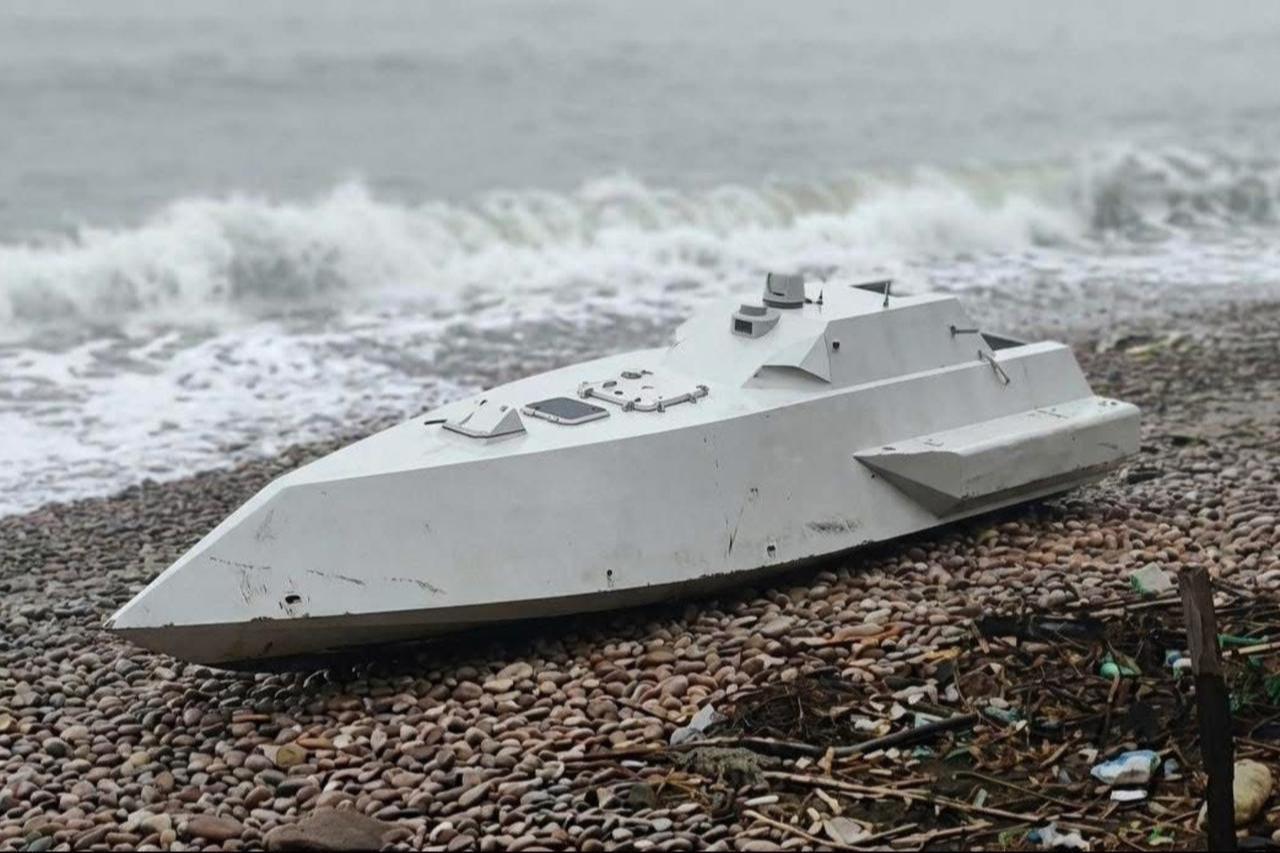
Nobody has claimed these drones. Moscow's ambassador in Sofia has suggested a "provocation by a third party," and Kyiv denies involvement. Bulgarian Prime Minister Rumen Radev says the logic points to Russia, then adds: "The problem is that we cannot prove it."
The law is no clearer. Most strikes occurred within the Exclusive Economic Zones of Romania and Bulgaria rather than their sovereign territorial waters. Whether an attack inside a member state's EEZ triggers NATO’s Article 5 mutual defense clause remains a subject of active debate; so far, it has not.
Yet recent strikes inside Romanian territorial waters narrow that ambiguity. Poland established a precedent in September 2025 by invoking Article 4 following airspace incursions, prompting allies to scramble fighter jets and air defenses to the eastern flank under the "Eastern Sentry" mission.
The diesel waiver was intended to cool a U.S. domestic market where prices have jumped 70% since February. In effect, Washington finds itself relying on a maritime corridor that its own NATO allies are pleading with the alliance to defend.
Bulgaria and Romania want combat aircraft, counter-drone radar and electronic jamming on their coasts. Bulgaria says it will join NATO's Drone Edge initiative by the end of October; the program, launched in July, plans to invest over $40 billion in counter-drone capability over five years, and Romania is already in.
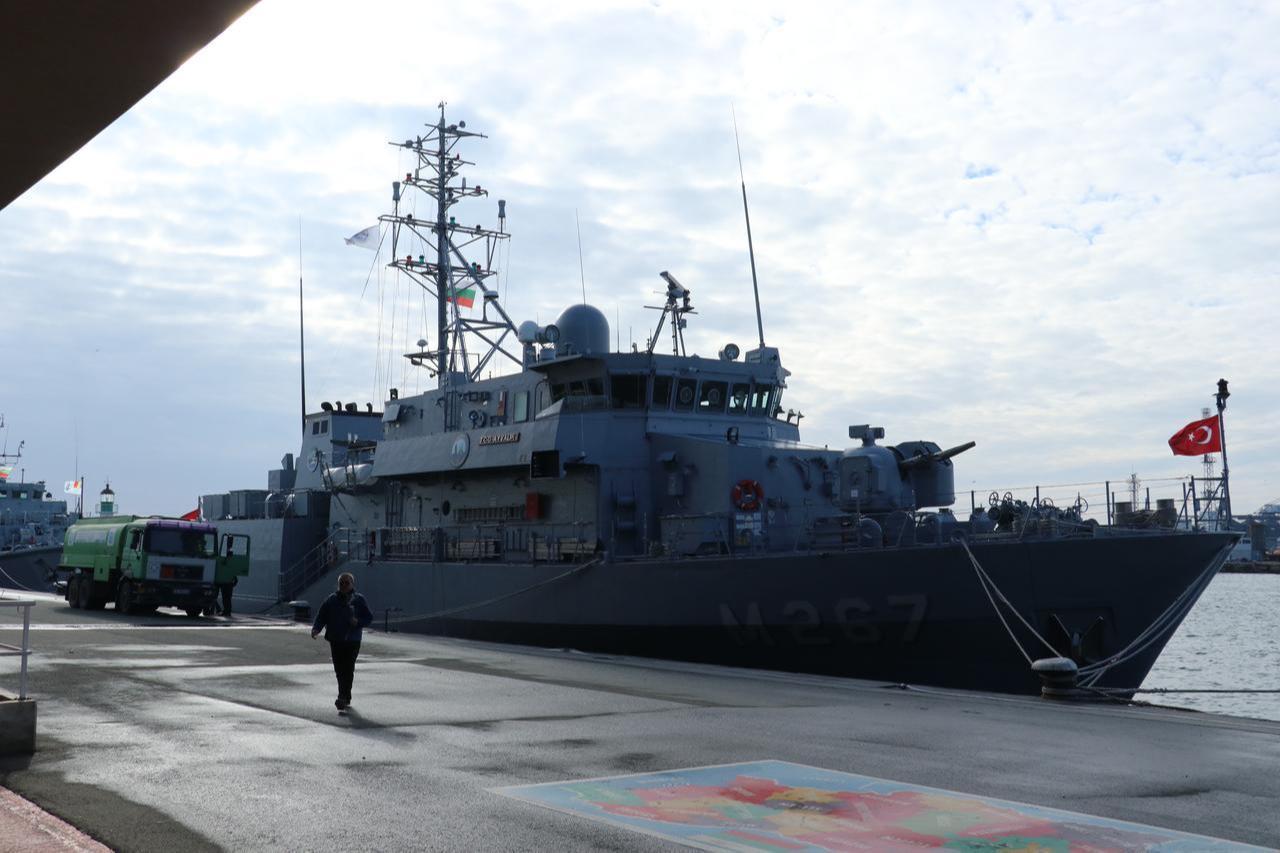
The Black Sea Mine Countermeasures Task Force of Türkiye, Romania and Bulgaria was widened in July to cover undersea infrastructure and a permanent presence in Romania's EEZ. Extending it to drone surveillance is the regional option. Better airborne awareness, through P-8 Poseidon patrols and AWACS flights over the western Black Sea, is another; yet there is no public decision on either.
Convoy escorts face a harder problem. A Romanian defense official noted that Romanian naval vessels lack point-defense anti-air systems against drones, questioning why Bucharest or Ankara should risk military assets escorting Bermuda-flagged ships with multinational owners.
Diplomatic avenues have yielded little as well: Moscow rejected a limited naval ceasefire proposal brokered by Türkiye and the United Nations.
Canan Tercan of Istanbul Aydin University says safe navigation "must be secured through an international non-combat agreement, not through naval forces."
Murat Ersavci of the Economic Policy Research Foundation of Türkiye argues for a comprehensive maritime security arrangement that separates civilian ships from military targets.
Hormuz, Bab el-Mandeb and the Black Sea now share one problem: freedom of navigation has become something to be defended daily, and managed one front at a time, it will keep slipping. Washington's 2.25 million barrels of diesel, less than a day of its own demand, are waiting at the end of a sea lane it has not yet secured.


 Set as preferred source
 Set as preferred source


 2 min read
 1 min read