Newsletters


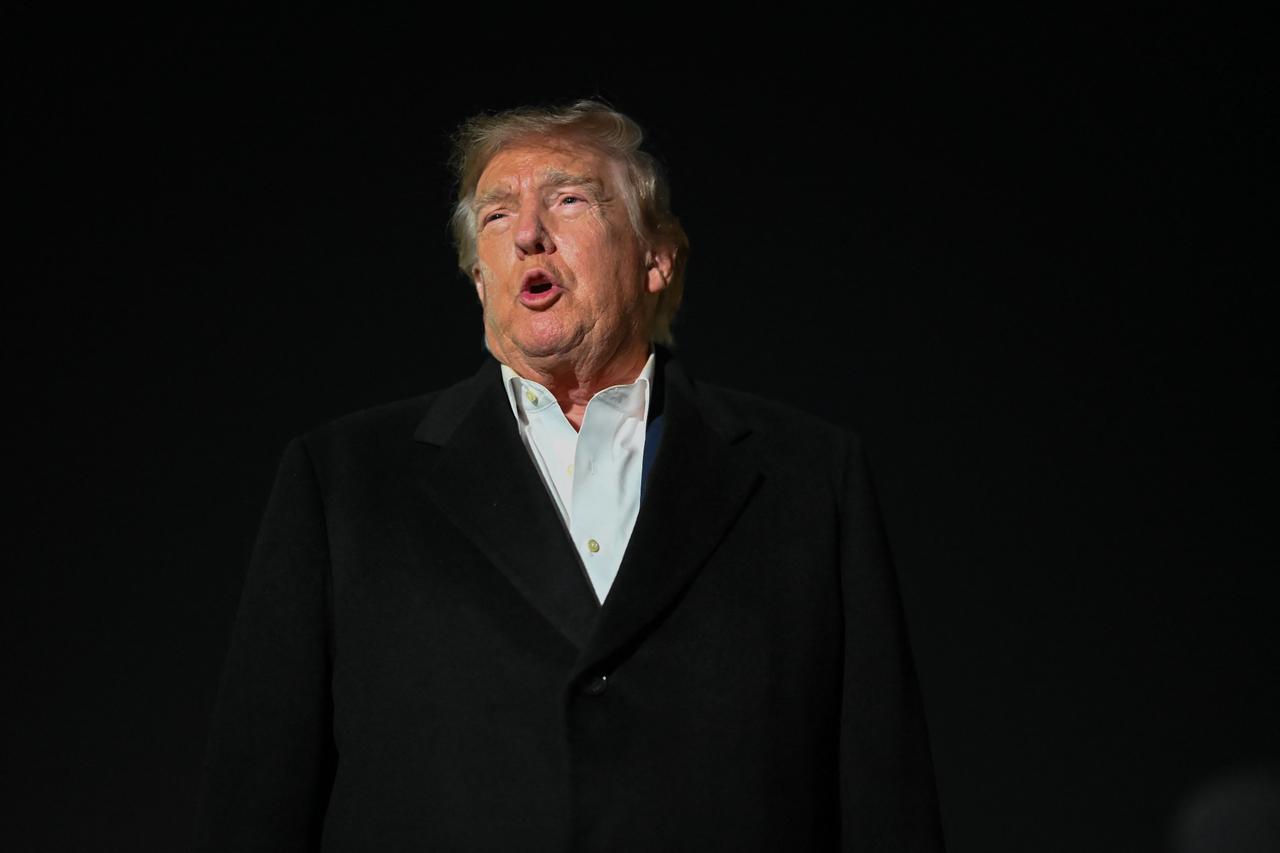


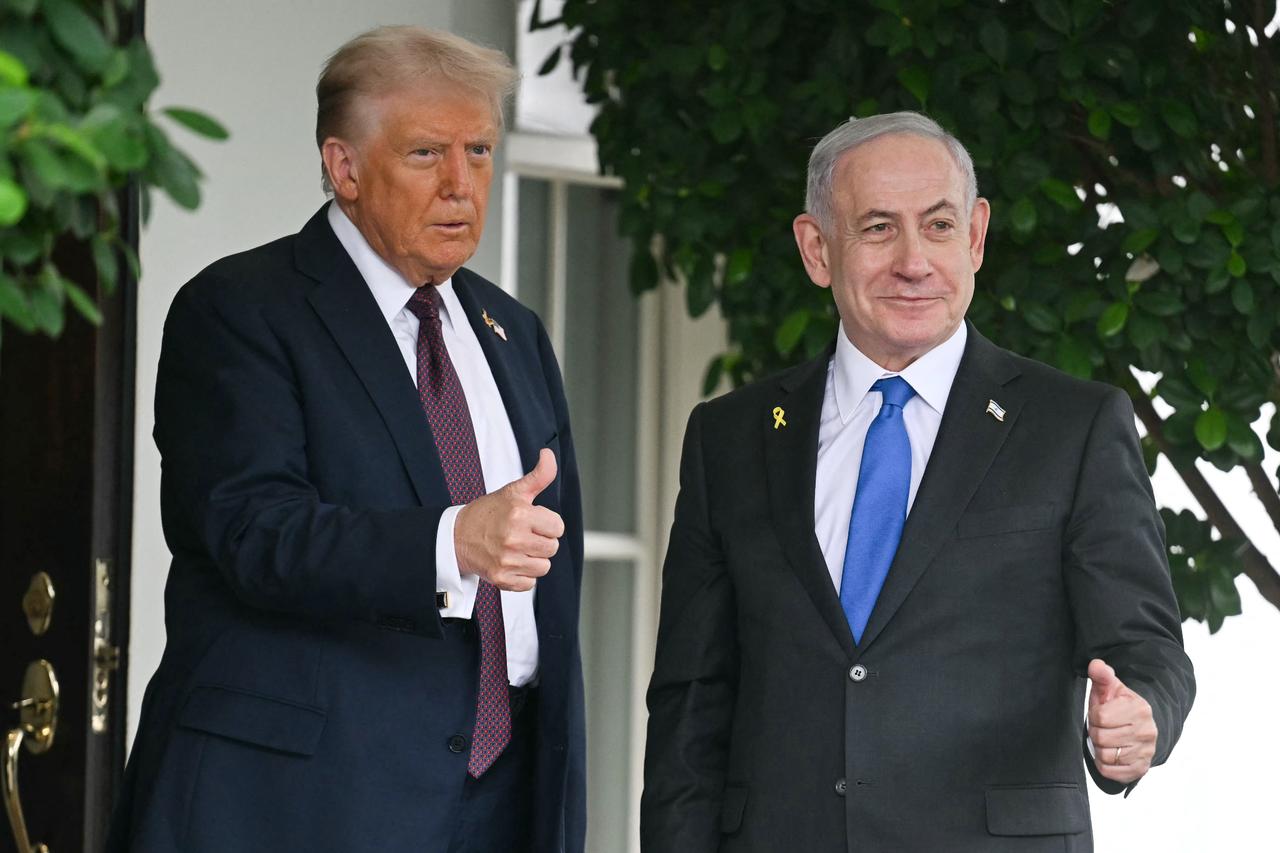
U.S. President Donald Trump claimed his endorsement had helped Israeli Prime Minister Benjamin Netanyahu perform better than expected in Israel’s parliamentary elections, as partial results put opposition parties ahead of the prime minister’s right-wing bloc.
Speaking to reporters Wednesday while returning from a campaign rally in Texas, Trump described the race as much closer than expected and credited his public backing with helping Netanyahu improve his standing.
"When the endorsement came out, it helped him a lot," Trump told reporters, adding that he had heard Netanyahu was either leading or tied. Trump acknowledged that the results remained incomplete but maintained that Netanyahu had performed better than anticipated.
"It's still a little early. But I hear in Israel, I mean, top people are saying, 'Wow, he did much better.' Something like a tie, maybe even a win. We'll see what happens," he added.
In a Truth Social post on Oct. 18, Trump gave Netanyahu his "Complete and Total Endorsement" ahead of Israel’s parliamentary elections, calling him a "Great Warrior Prime Minister" and praising his leadership in the campaign against Iran.
He also warned that the United States could be left to confront Iran alone if Israeli voters chose another leader.
Trump doubled down on his support on Oct. 25, urging Israelis to vote for Netanyahu and declaring, "Vote for Bibi Netanyahu for prime minister, we have to finish the job that we started!" He also highlighted their close relationship and argued that the two leaders needed to continue their joint efforts against Iran.
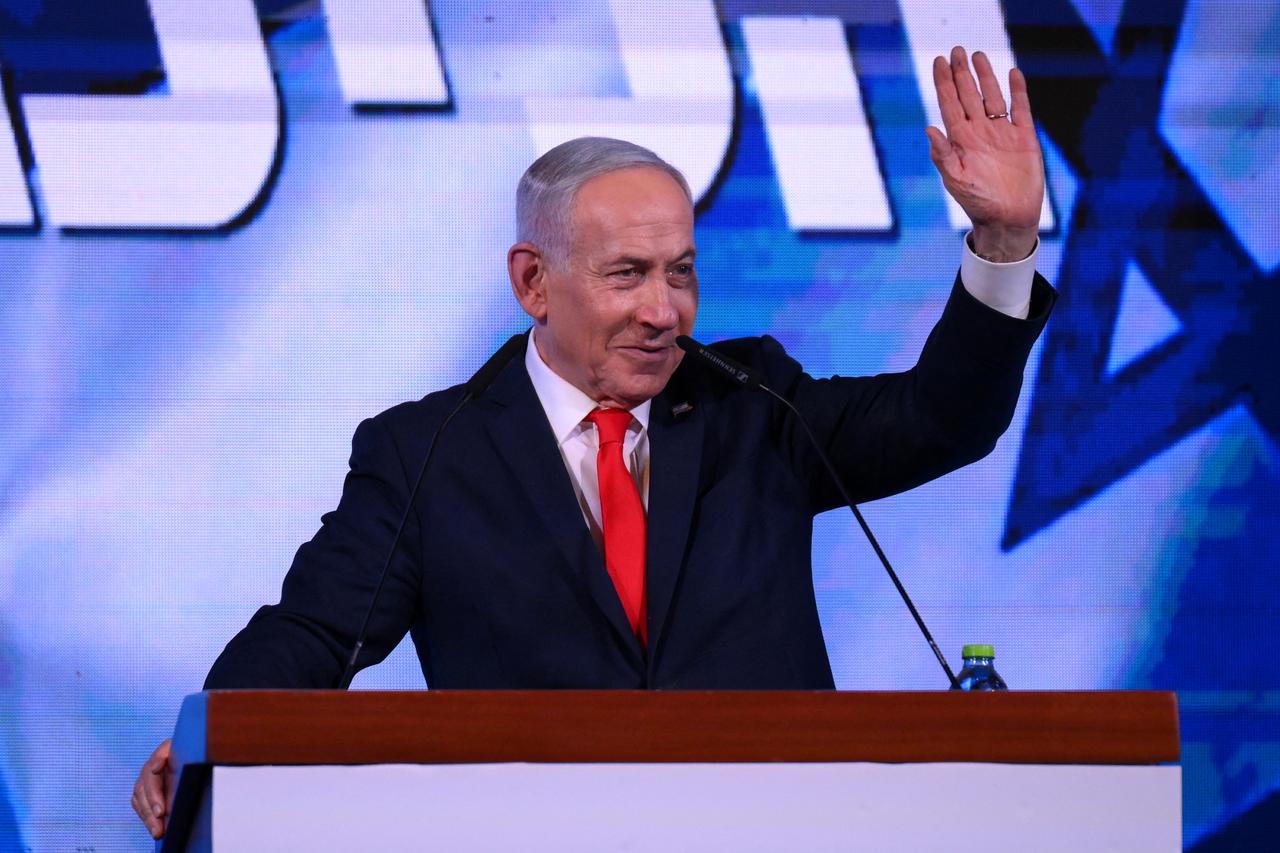
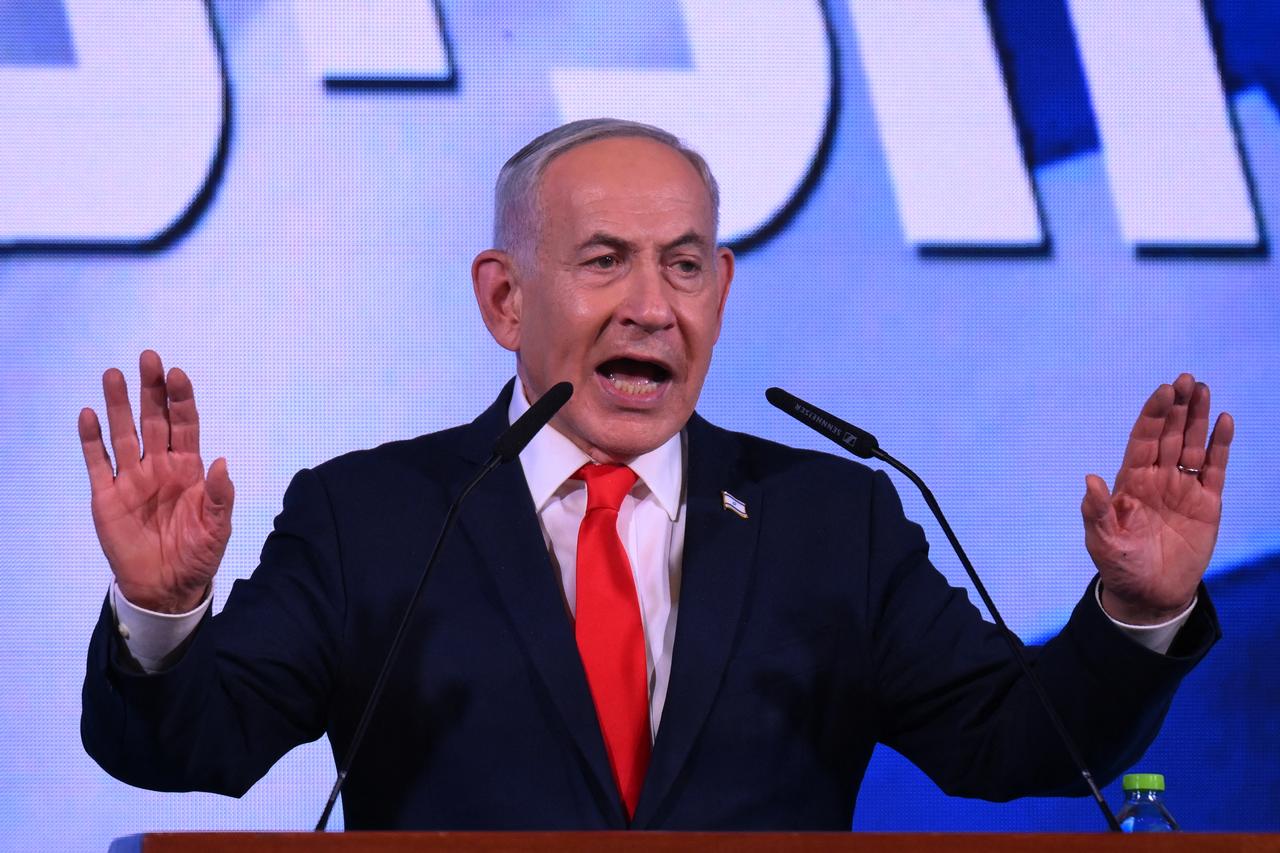
Netanyahu, meanwhile, claimed his right-wing bloc had a mandate to govern early Wednesday, despite partial results showing opposition parties in the lead.
Addressing Likud supporters in Jerusalem early Wednesday, the prime minister acknowledged that the final count was still pending but argued that his party was on course to emerge as the largest in the Knesset, Israel’s parliament.
"We are still waiting for the actual results," Netanyahu said, claiming that the right-wing bloc held a "decisive majority" among the "Zionist public." He called on Jewish and Zionist parties to unite behind a strong right-wing government.
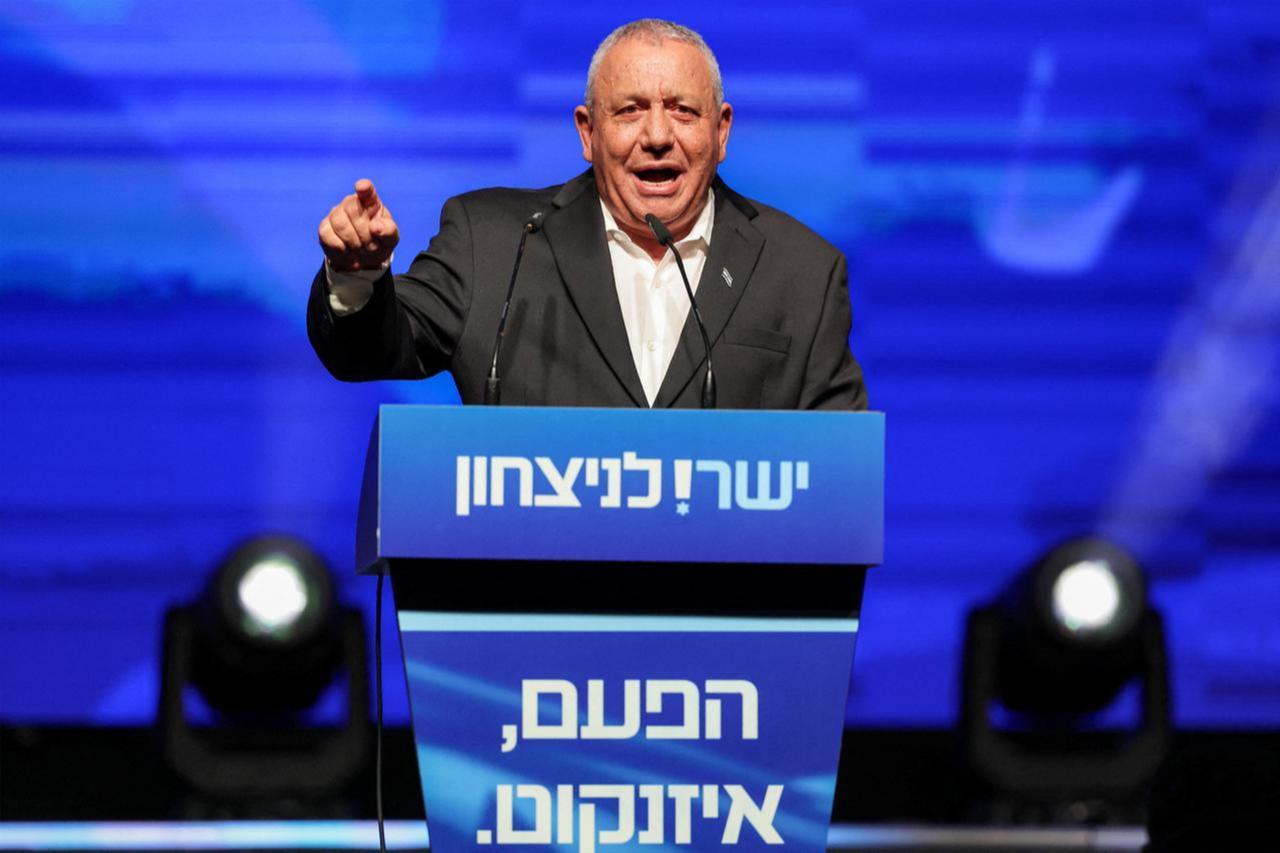
Opposition leader Gadi Eisenkot took a sharply different position, calling on Netanyahu to leave politics as partial results pointed to a lead for his rivals.

With more than 28% of the votes counted, opposition parties, including Arab parties representing Palestinian citizens of Israel, secured 51.3% of the vote, ahead of Netanyahu’s bloc at 48.7%, according to figures reported by Israeli newspaper Yedioth Ahronoth.
The opposition parties received approximately 819,500 votes, compared with 778,400 for Netanyahu’s bloc. At the party level, Likud led with 22.2%, followed by Eisenkot’s Yashar party at 15.4%. The Joint Arab List secured 8.3%, narrowly ahead of former Israeli Prime Minister Naftali Bennett’s Together List at 8.2%.
United Torah Judaism received 6.7%, followed by Israel Beiteinu at 6.4%, Jewish Power at 6% and the Democrats at 5.9%. Shas and the Religious Zionism Party each garnered 5.7%, while Ra’am won 3.7%. The Reserves and Economy Party received 2.7%, and Amha Yisrael secured 1.8%.
Exit polls gave neither major bloc the 61 seats required for a parliamentary majority, leaving the formation of the next government uncertain. Voter turnout reached 77.7%, the highest level since 1999, according to the Central Elections Committee. The figure marked a 7.1-percentage-point increase from the 2022 election.
Polling stations closed at 10 p.m. local time Tuesday, and vote counting began shortly afterward. Official results were expected on Nov. 4.
Meanwhile, Israeli President Isaac Herzog was expected to ask Eisenkot to form the next government, Channel 12 reported. The decision, however, depended on the final election results and recommendations submitted by parliamentary parties.


 Set as preferred source
 Set as preferred source


 1 min read
 1 min read