

 Newsletters


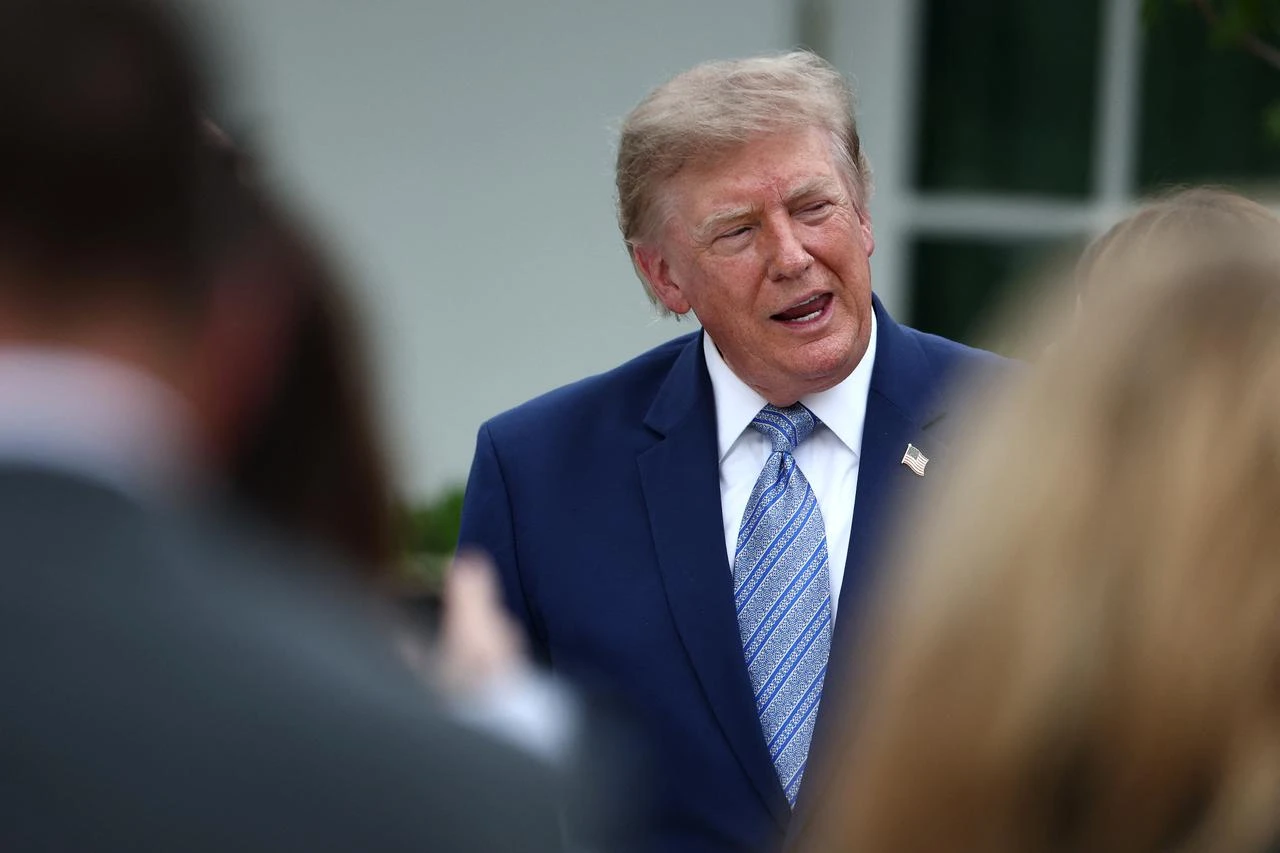


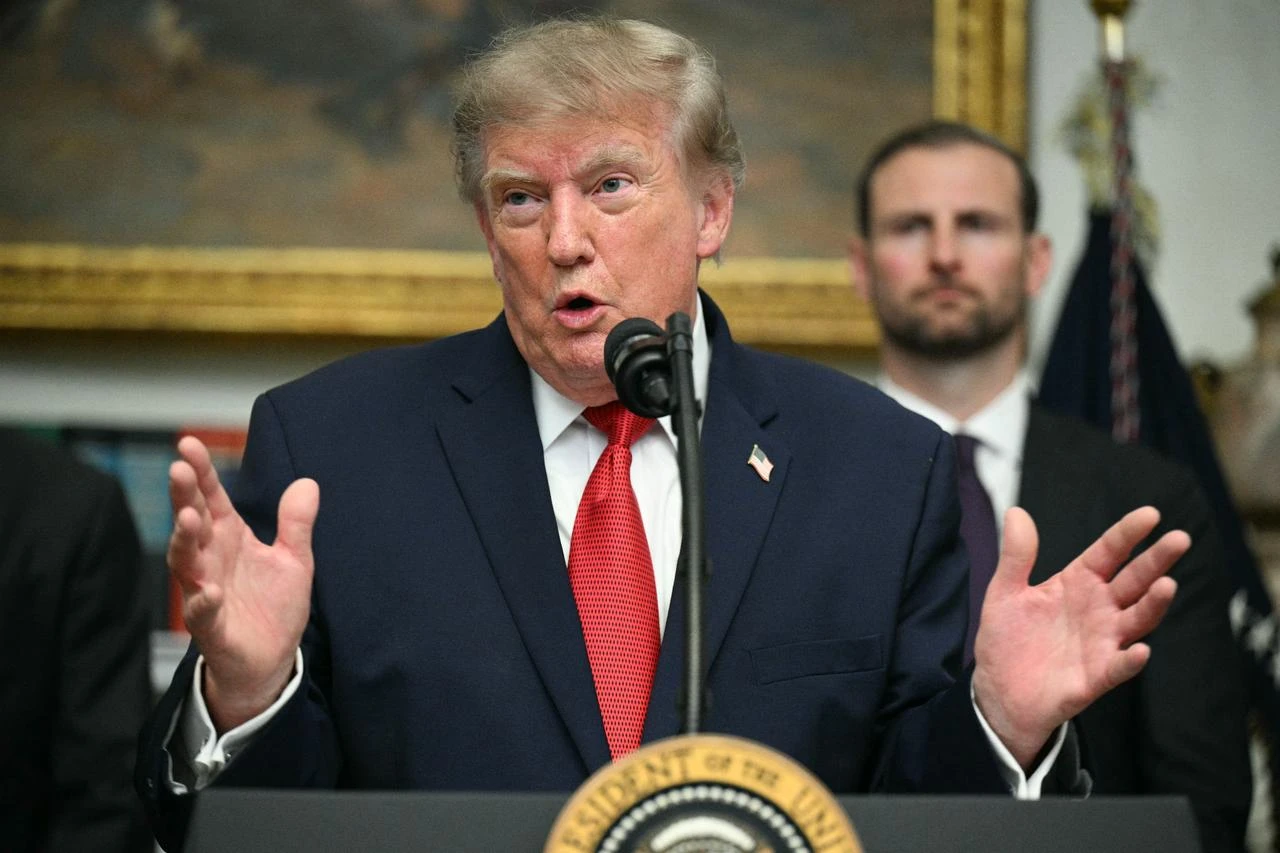
Iran's Foreign Ministry called U.S. President Donald Trump's threat of intensified sanctions "unlawful" Thursday, calling it "the other side of the coin of war and military aggression."
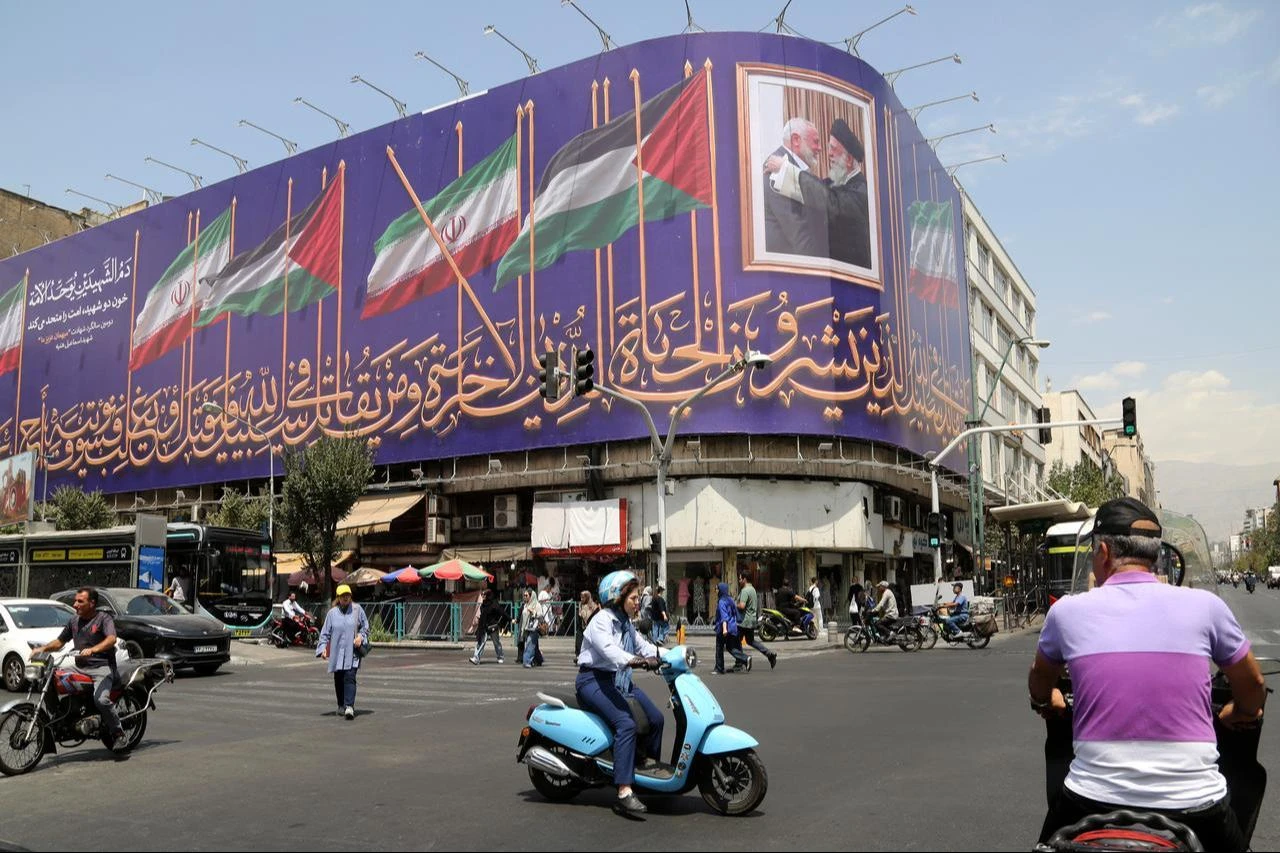
"The Trump administration, coinciding with the anniversary of the shameful coup of Aug. 19, 1953, has claimed to impose broad economic and trade sanctions against the Iranian people," the ministry said in its statement.
"This measure is merely another sign of the continuation of 73 years of hostility and enmity by American policymakers toward the Iranian people, and it demonstrates the anti-human, lawbreaking and arrogant nature of the Trump administration," the statement added.
The ministry said the U.S. economic sanctions against Iran, without doubt, target the fundamental human rights of Iranian citizens individually, constituting "economic terrorism" and a "crime against humanity," and said those responsible for and complicit in these sanctions are subject to prosecution and punishment for committing such heinous crimes.
The ministry said these sanctions follow a year and a half of imposed wars and the recent "illegal, failed American-Israeli aggression," in pursuit of what it called the "criminal aims that forced them to yield to Iran's unlawful demands against human dignity, merely making the record of America's criminal actions against Iran longer, without," it said, any doubt weakening Iran's resolve to preserve its independence, dignity and national sovereignty.
The statement said sanctions and economic pressure are the other side of the coin of war and military aggression, describing them as a "malignant addiction" of America that has placed not only peace and global security at real risk, but has subjected human civilization to an unprecedented moral decline.
The ministry said the new sanctions represent "the continuation of a tried-and-failed policy being tested once more" despite what it called Washington's own acknowledgment of "a crime against humanity." The move, it said, will produce "no result other than a repeat of past failures," with responsibility resting on "the U.S. government and those pursuing this policy."
While strongly condemning what it called "America's escalation of illegal, inhumane sanctions against the Iranian people," the ministry said it affirms that the Islamic Republic of Iran, in defending its own security and national interests, will confront military, economic, political and psychological attacks and pressures with firm resolve.

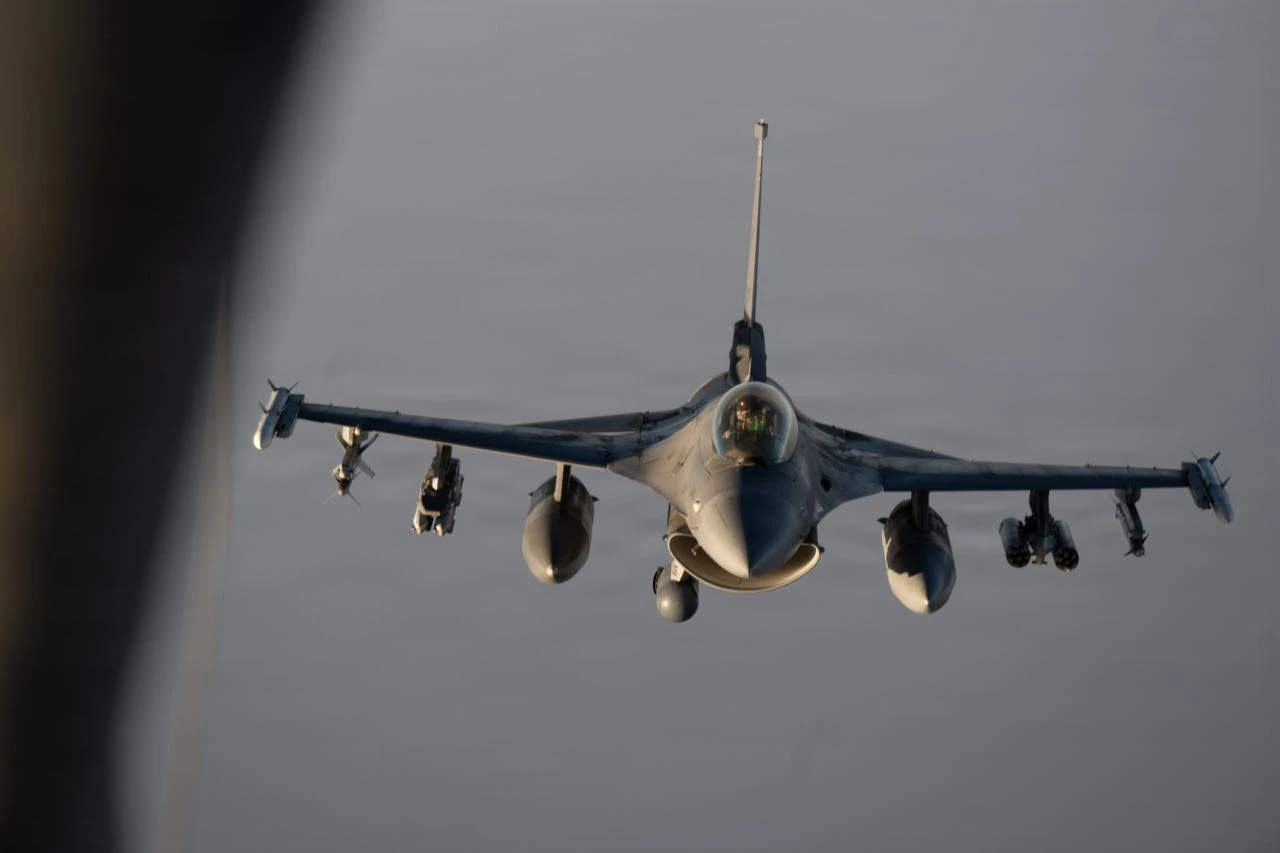
Nearly six months after Trump vowed a swift victory over Iran, the conflict appears to be at a standstill, with prospects of either a military victory or a negotiated settlement growing dimmer.
Iran has long faced sanctions and has so far shown a willingness to endure economic pain and an ability to adapt to sustained pressure.
The exact mechanics of the new U.S. economic pressure campaign remain unclear, with Bessent promising to reveal details at a news conference on Aug. 24.
In an interview with CNBC, Bessent said the U.S. is willing to act against any country, friend or foe, it believes is extending a "lifeline" to Iran.
"You are either with us or against us," he said, adding, "If you insist on doing business with (Iran), either transferring money, buying their oil or doing seaborne sea transfers, then the US treasury and the US government... will put its full might and force toward enforcing against you."
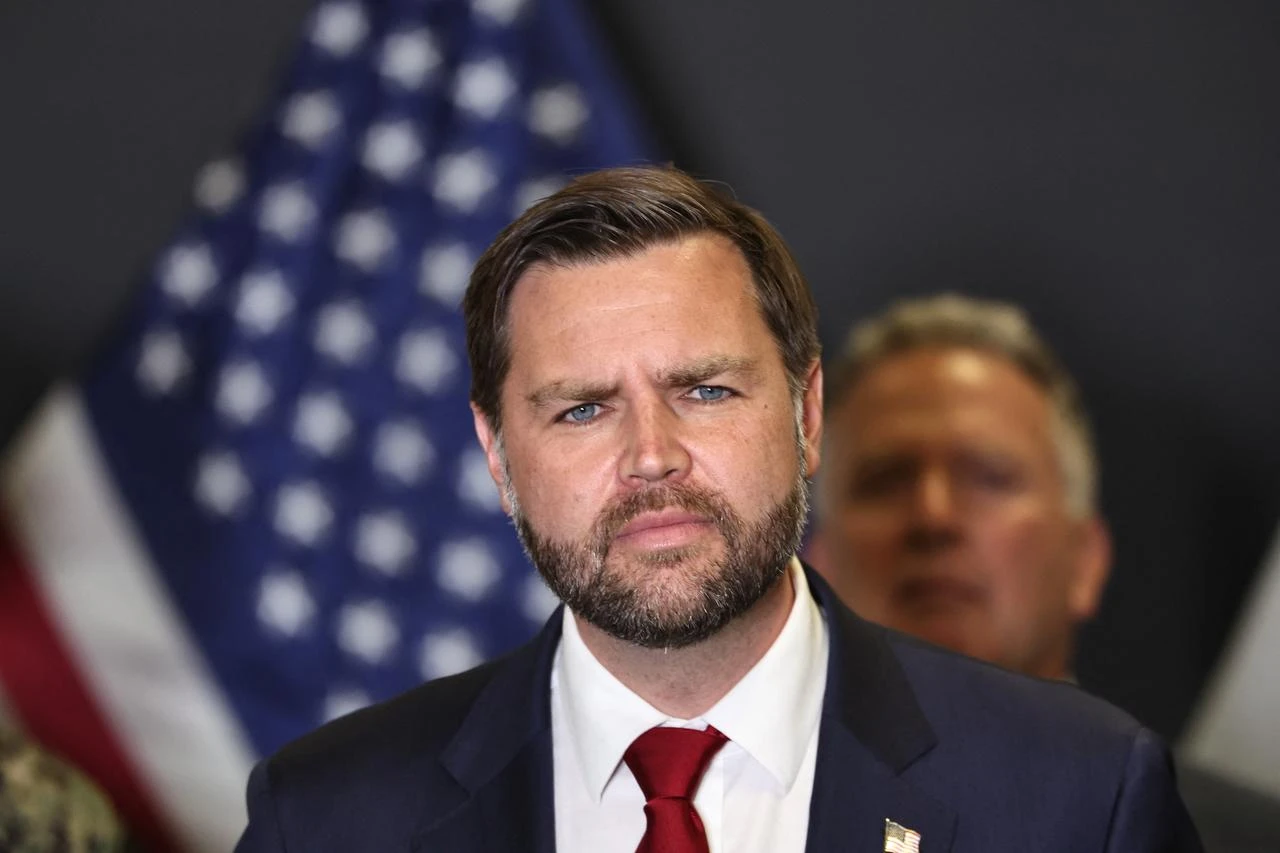
Vance described the sanctions as a "new phase" of the conflict in which economic pressure is the "most effective" tool available to the U.S.
"They're going to try to apply economic pressure to us, but what has been true over the last couple of weeks is that they felt a lot more pressure than we have," Vance said on "The Clay Travis & Buck Sexton Show."
"We're going to keep that going because we think that's the best way to ultimately achieve the final objective," he added.
Iran has faced significant U.S. sanctions since nearly the beginning of the Islamic Republic in 1979. The pressure campaign intensified after the first Trump administration withdrew from the Joint Comprehensive Plan of Action, the 2015 nuclear deal between world powers and Iran.
In the current conflict, the U.S. government has already announced "Operation Economic Fury," a two-pronged campaign combining Treasury-coordinated sanctions against regime financial flows with a naval blockade of Iranian ports.
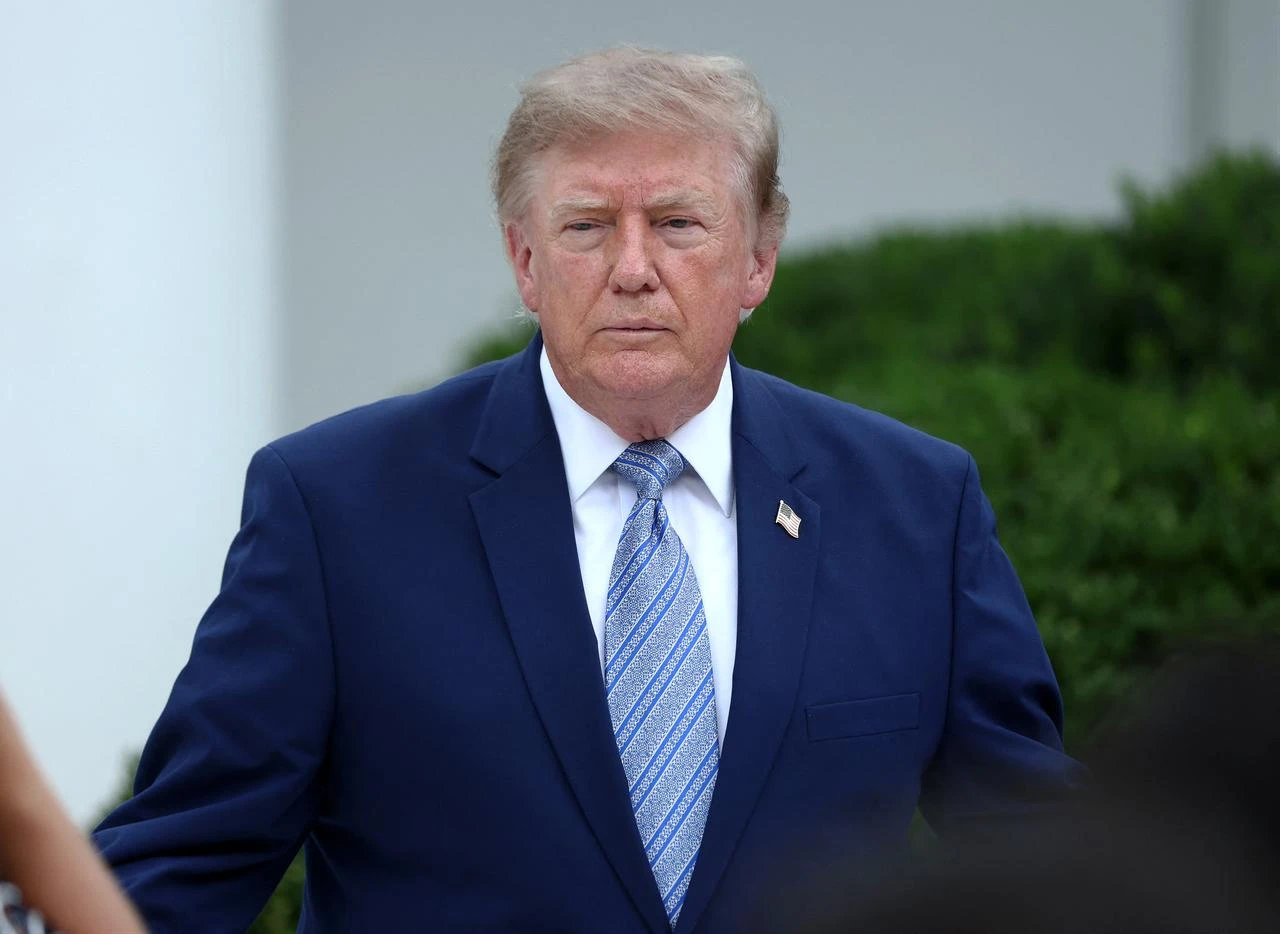
Imran Bayoumi, a geostrategy expert at the Atlantic Council in Washington and a former Defense Department policy adviser, told the BBC that the latest announcement likely reflects mounting frustration that other options have failed to deliver the results Trump wants.
"This is really a recognition that the U.S. is almost stuck in this war," he said. "It's another try at economic pressure."
He added: "This is just another tool that the U.S. is using. We've not seen a clear strategy laid out by the administration with either military or economic tools. The question of what the US is trying to achieve is still unanswered."
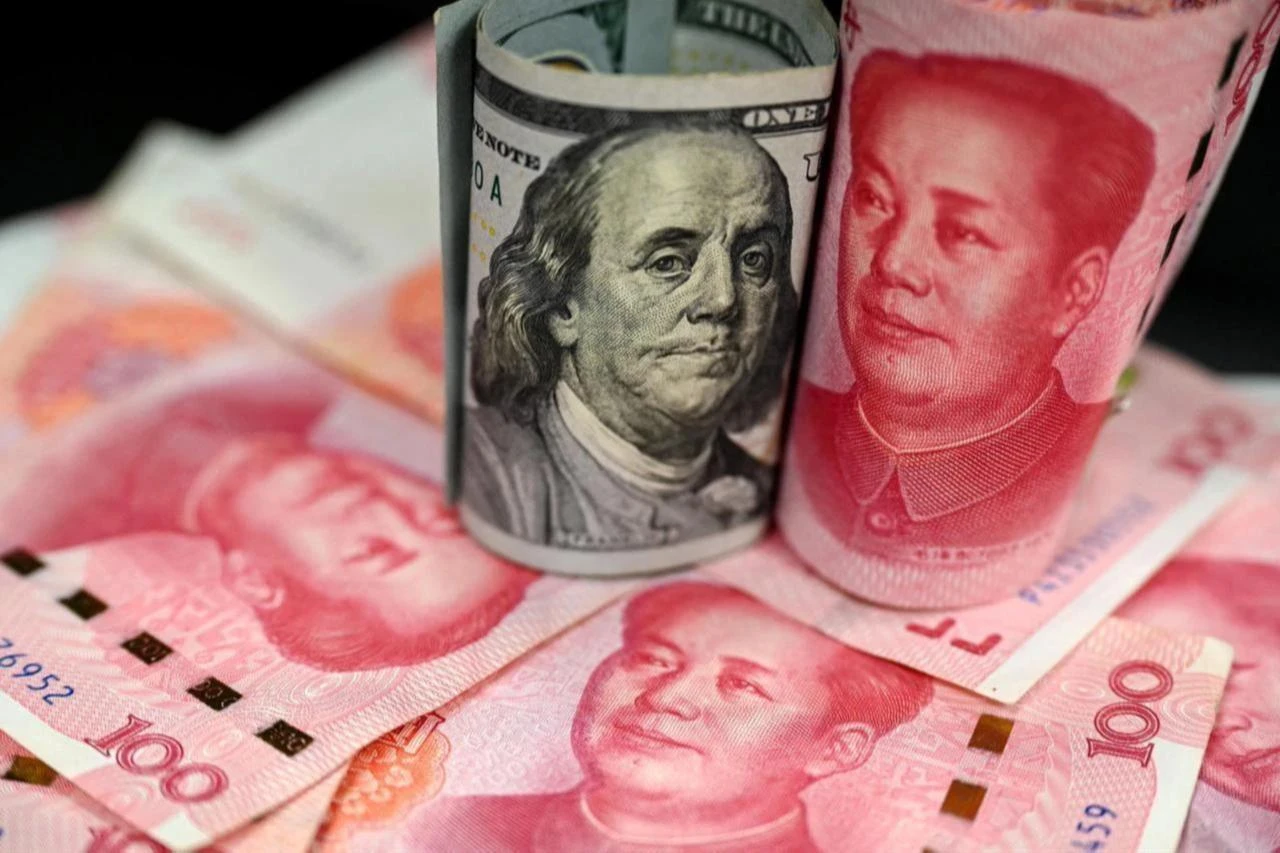
Michael Parker, an eight-year veteran of the Treasury Department's Office of Foreign Assets Control and a sanctions expert, told the BBC the new strategy will likely represent an effort to "expand the economic blast radius" of sanctions by targeting third countries that still deal with Iran but depend on the U.S. dollar.
"Thus far, the U.S. has largely used the threat of these secondary sanctions against foreign financial institutions to encourage compliance with sanctions policy," he said, adding, "But this is a lever that is sort of unexplored insofar as targeting anything touching the U.S. dollar that is also touching Iran."
As an example, Parker pointed to foreign financial institutions that help Iran evade sanctions or direct money toward Iranian accounts.
How Iran would respond to the new measures remains unclear, but sanctions experts told the BBC that Iran has so far proven adept at using irregular channels to circumvent sanctions, such as "shadow" vessels transporting oil and new, unlisted commercial fronts.
"You keep seeing new names popping up, because Iran is adapting really quickly," said Mohammed Hammouda, an export control and sanctions manager at the London Stock Exchange.
"Whatever sanctions one does, they find a new road (around it)," he said, noting these Iranian countermoves often leave those enforcing compliance playing a game of catch-up.
"Sanctions are all on paper, but the hard work is behind the scenes," Hammouda said, adding, "There are teams worldwide trying to impose sanctions and identify those parties involved, which is why Iran has to try to adapt."
How effective the new sanctions prove will largely depend on how targeted countries react, according to the BBC, including potentially U.S. allies such as Türkiye and Iraq, as well as China.
"Some of this is out of Iran's hands," Parker said.
"Iran's ability to evade or avoid sanctions is, in large part, contingent on other countries and financial institution's willingness to give them (Iran) access to the formal banking system."
Parker said the sanctions are "only as powerful" as targeted countries' willingness to comply with U.S. foreign policy objectives or risk sanctions on dollar-related trade.
Some experts questioned whether that willingness currently exists.
"I can't really see China agreeing to that, for example," Bayoumi said, noting, "These states have all been able to navigate their own interests with the Trump administration."
He added, "The underlying point is that this is just another tool. But the broader question of strategy remains. Absent that, I'm not sure this is going to change anything long term."


 Set as preferred source
 Set as preferred source


 2 min read
 1 min read



