Newsletters


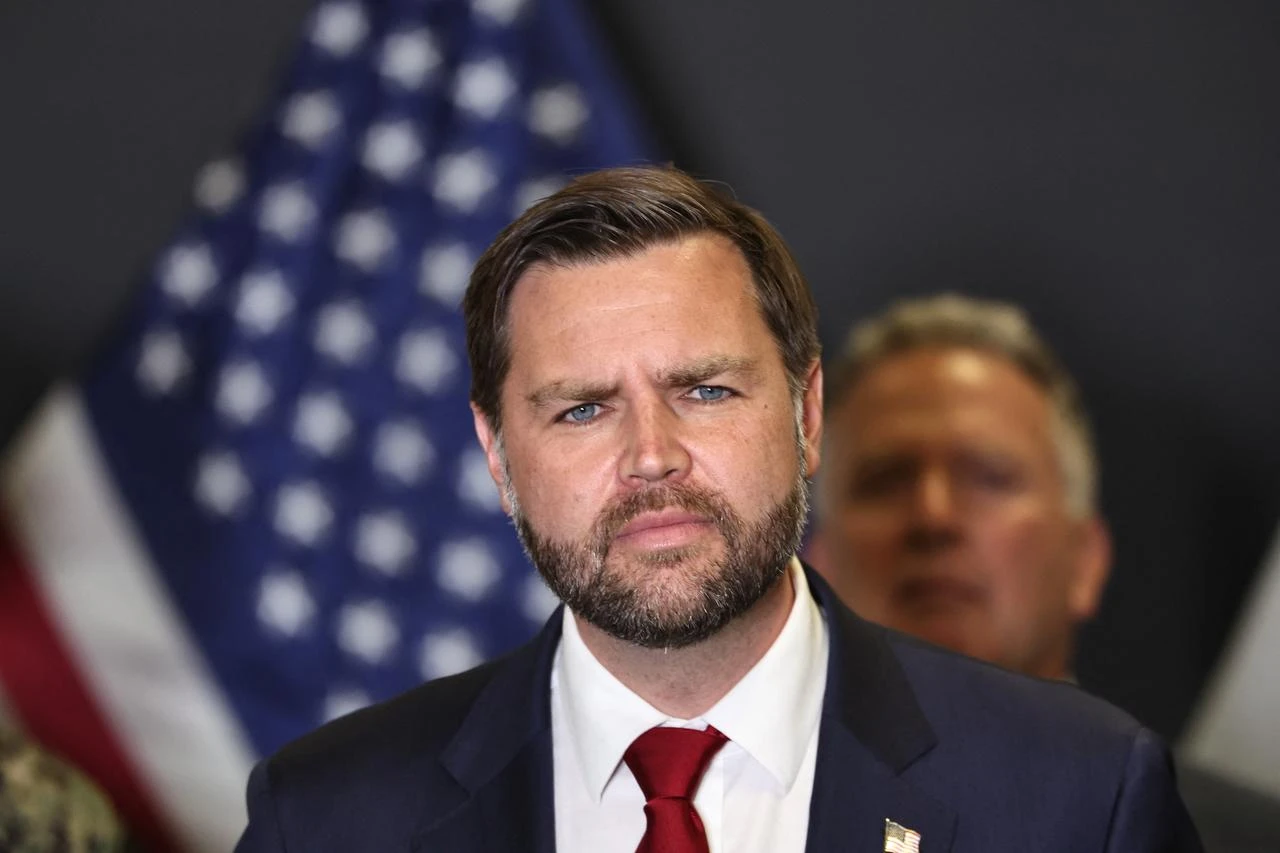


U.S. Vice President JD Vance said Thursday that the United States has entered a "new phase" in its confrontation with Iran, with economic pressure now "the most effective tool" available to achieve American objectives.
Meanwhile, the U.S. Treasury Secretary Scott Bessent said the administration's sanctions push could reduce the likelihood of renewed large-scale military action.
"We're kind of now in a new phase where the most effective tool that we have is the economic pressure that we can apply to them. We're going to keep that going," Vance said in an interview on "The Clay Travis & Buck Sexton Show."
Vance acknowledged the approach involves a "delicate dance," since Iran could try to apply economic pressure back on the U.S. in response.
"We apply economic pressure to them, they're going to try to apply economic pressure to us," Vance said, adding, "But what has been true over the last couple of weeks is they felt a lot more pressure than we have. We're going to keep that going because we think that's the best way to ultimately accomplish the final objective here."
Vance said pump prices for Americans remain elevated but have come down "substantially" because the U.S. has managed to get "a lot of oil and gas out" of the Strait of Hormuz with the assistance of the U.S. military.
He said Iran's main source of leverage is control over access to the strait.
"If we can, not even get it back to where it was before, but if we can get enough oil and gas out to give some Americans some ease at the pumps, some ease on energy prices," it would also apply significant economic pressure on Iran and change its calculus, he said.
Vance said Iran is being punished for firing on commercial ships and that the U.S. will ensure Iranian forces cannot continue doing so.
"I think we've been quite successful," he said. Ship traffic through Hormuz has nonetheless remained sharply reduced, with 10 crossings recorded Monday and two on Sunday, according to trade intelligence firm Kpler. Average daily transits before the war were about 130 ships.
"Do they want to have their economy strangled for the rest of time, or do they want to have a better relationship with the West? That's always been the option that the president has put to these guys," Vance said.
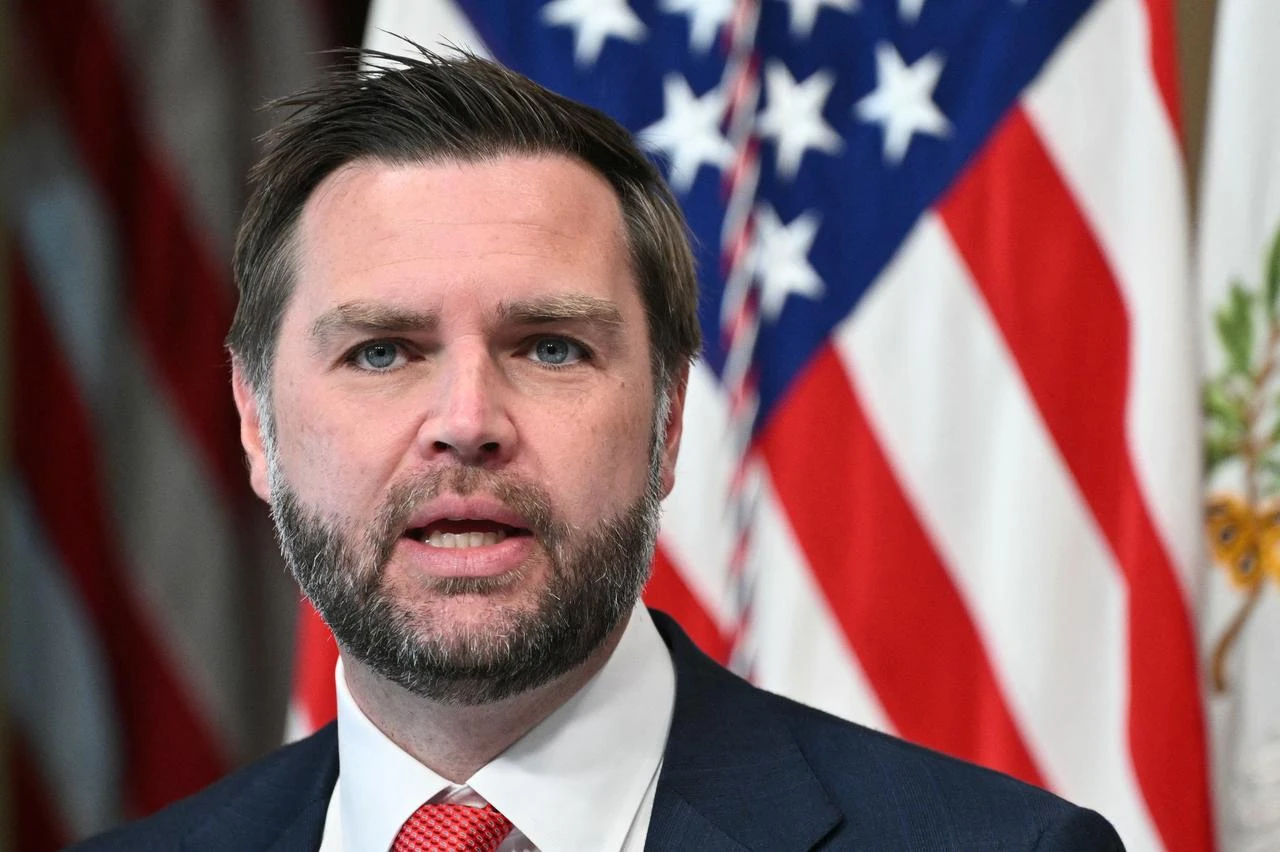

Treasury Secretary Scott Bessent told CNBC's "Squawk on the Street" that the administration's plan to squeeze Iran's economy would likely reduce the need for a major U.S. military operation against Tehran.
"If we are doing the maximum economic pressure, then that means that likely there will not be a large-scale kinetic restart," Bessent said.
Bessent pushed back on oil markets' reaction to the new sanctions threat.
"I think oil markets are misinterpreting what this economic pressure means," he said, adding, "We have asymmetric information, and I'm not sure why oil has popped up on this."
Bessent said Washington will tell its allies, "You are either with us or against us."
"If you insist on doing business with (Iran), either transferring money, buying their oil or doing seaborne ship transfers, then the U.S. Treasury and the U.S. government ... will put its full might and force toward enforcing against you," he said.
"It is time for our allies and the rest of the world to make a decision. We are going to squash the economy of this murderous regime," Bessent noted.
Bessent said the sanctions push would work alongside the ongoing U.S. naval blockade of Iranian ports.
"It is a one-two punch. We have the blockade, and we are going to have the toughest sanctions in history," he said, adding, "We are going to collapse this regime."
He said he would hold a news conference on Monday, Aug. 24, to detail the specific measures.
Asked whether the U.S. would pressure China over its purchases of Iranian oil, Bessent said, "Many conversations are best to have in private," but called on Beijing to "get with the program."
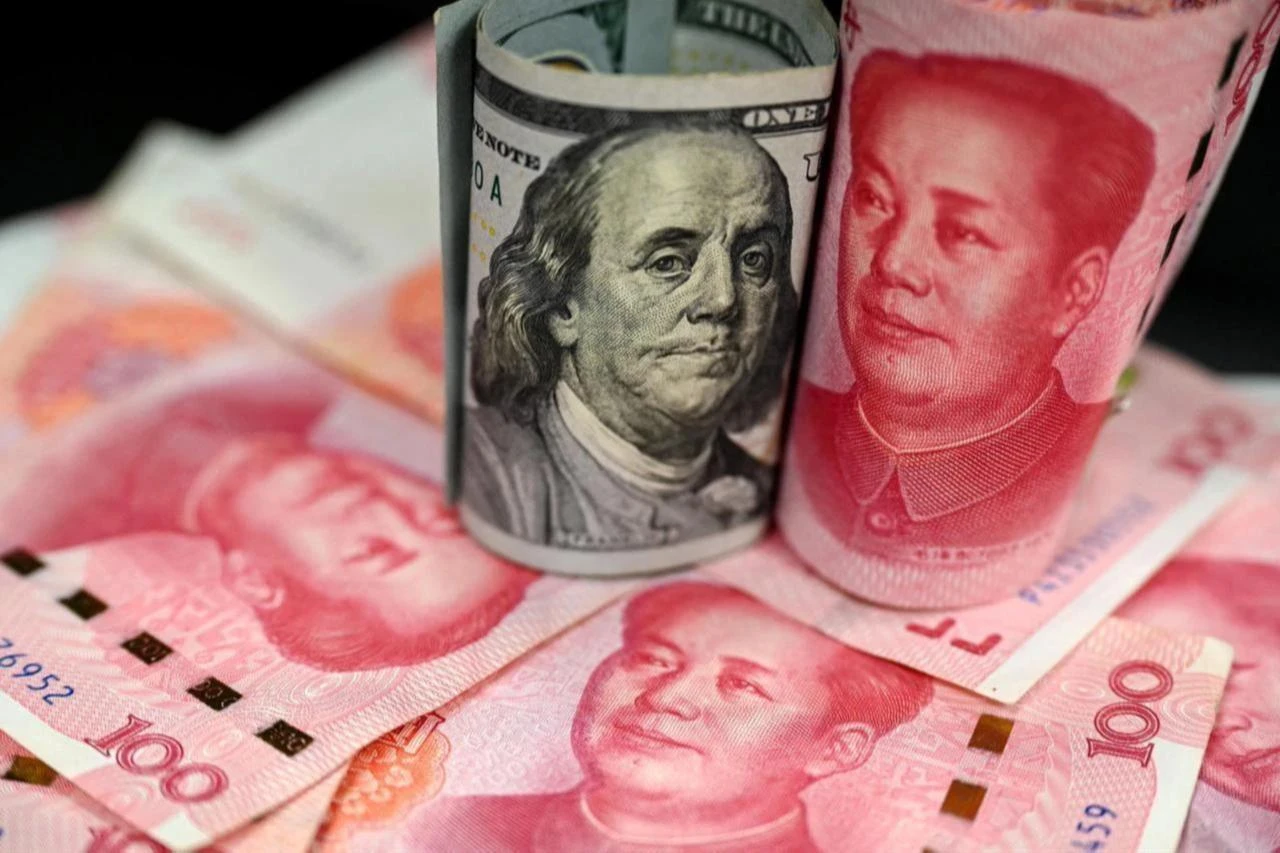
China buys more than 80% of Iran's shipped oil, according to 2025 data from Kpler.
Bessent noted that China gets about half its energy from the Gulf region, saying, "So it would do them a big service to get with the program."
China's embassy in Washington responded that sanctions and pressure "do not help resolve the problem."
"China calls on the relevant parties to take responsible actions and resolve the issue through political and diplomatic means," an embassy spokesperson said, according to Reuters. Chinese President Xi Jinping is due to visit the White House on Sept. 24, when the topic of Iran is expected to come up.
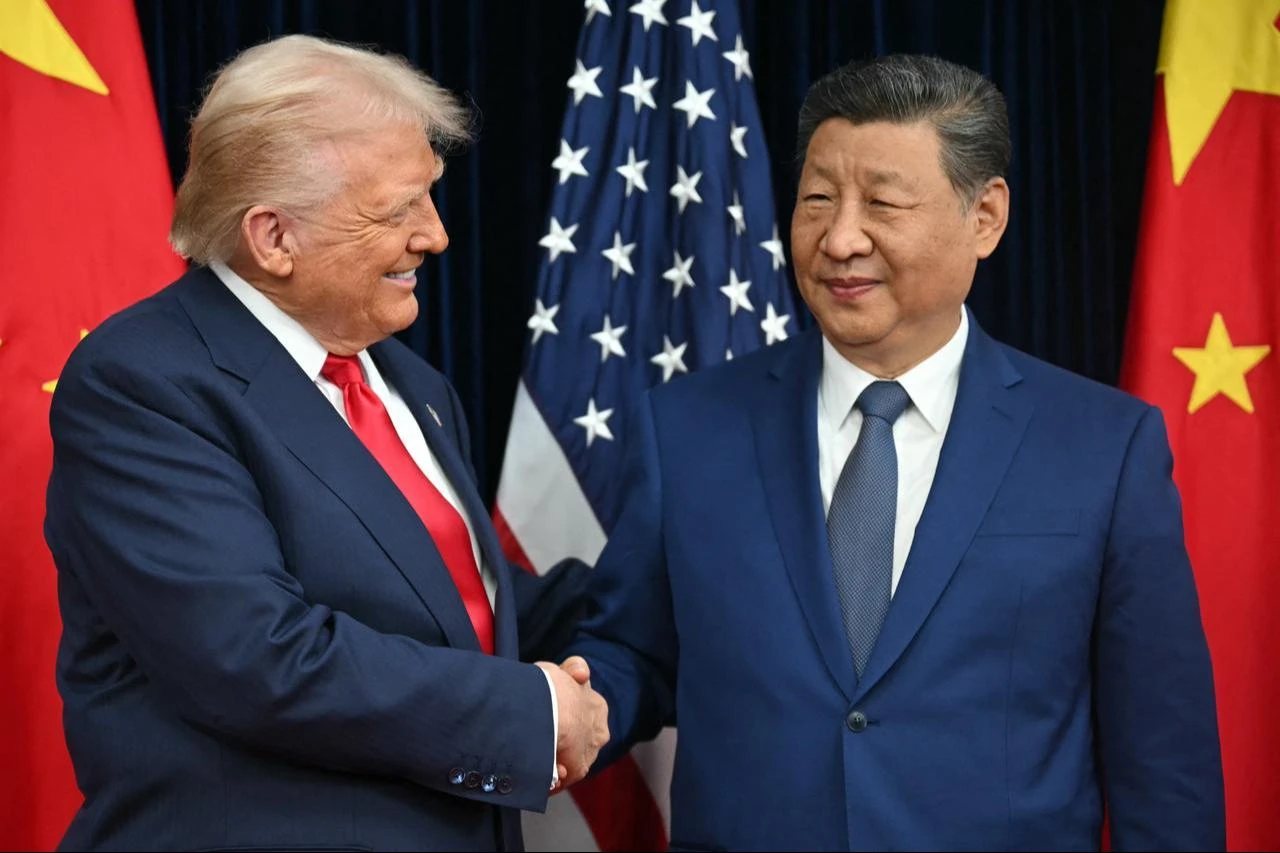
The remarks from Vance and Bessent followed U.S. President Donald Trump's Wednesday evening announcement on Truth Social of what he called an "Economic D-Day" against Iran, promising "Economic Warfare and Isolation on an unprecedented scale."
Trump wrote that "any country that allows its financial institutions, businesses, airports, or government entities to provide any type of lifeline to Iran will itself face tremendous economic consequences."
Trump did not specify what concrete steps the U.S. would take or name any particular country, though the warning appeared to extend even to U.S. allies that have helped mediate peace talks.
Trump has repeatedly claimed the U.S. has already effectively destroyed Iran's military and economy, describing Tehran in his Wednesday post as "on the ropes" and "hanging by a thread."
The war is nearing the six-month mark without clear indication the U.S. is close to a diplomatic or military resolution.
The Strait of Hormuz, which carried about a fifth of the world's traded oil before February, remains a central point of leverage for Iran, with tanker crossings still sharply diminished despite intensified U.S. and regional pressure.
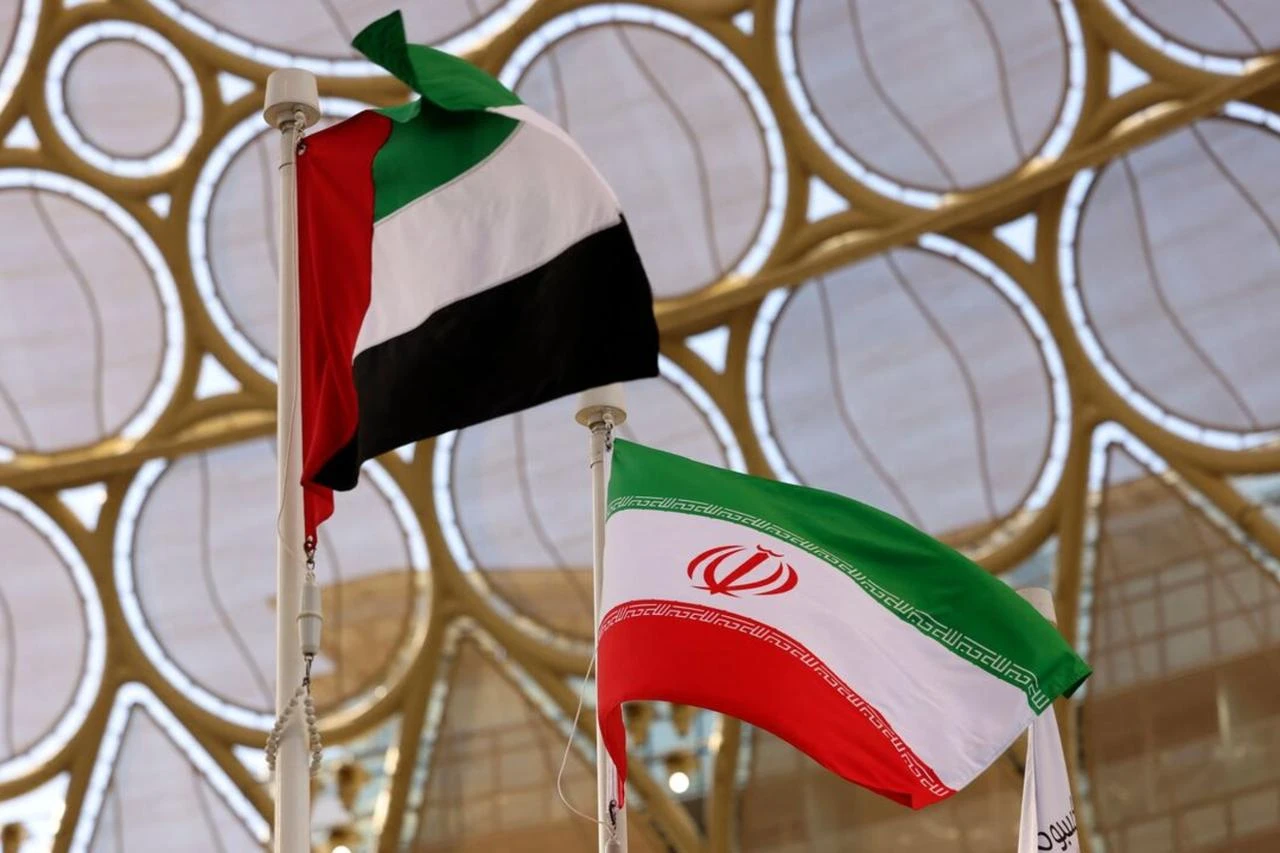
The United Arab Emirates said Wednesday it would halt all trade with Iran after facing new ballistic missile strikes.
The U.S. and Iran have twice announced ceasefire deals, in April and June, aiming to restore free shipping through Hormuz, but both quickly collapsed.


 Set as preferred source
 Set as preferred source


 1 min read
 1 min read