Newsletters




The Trump administration's decision to temporarily ease sanctions on Russian diesel exports may provide some relief to international fuel markets. However, it raises a fundamental question: can energy markets achieve lasting stability while attacks on Black Sea ports, energy installations, and civilian shipping continue?
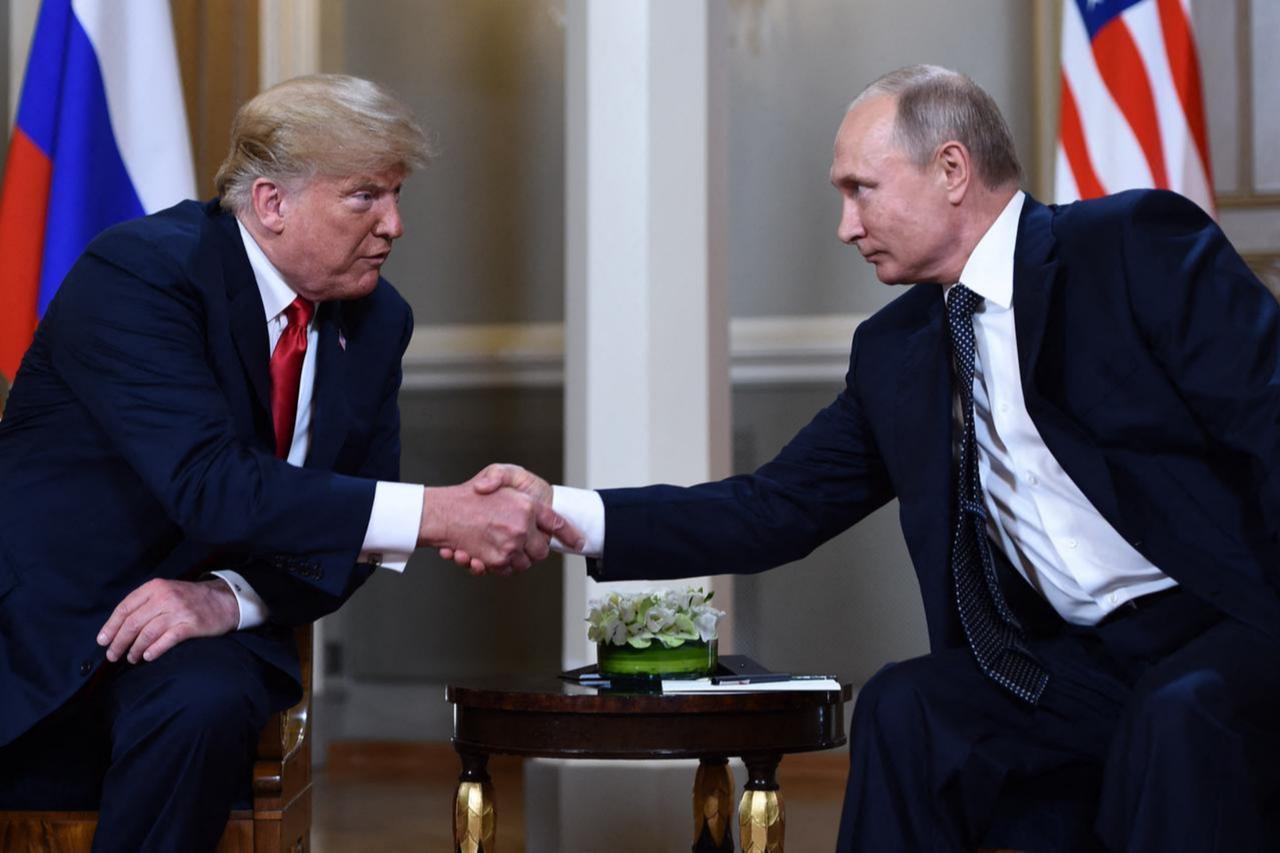
On Oct. 9, U.S. President Donald Trump announced an agreement with Russian President Vladimir Putin under which Russia would release up to 4.8 million tons of diesel fuel to American and international markets. The U.S. Treasury subsequently issued a general license authorizing certain transactions involving Russian diesel until April 7, 2027.
In the current stage of the Russia-Ukraine war, neither side respects any rules of engagement. Yet the U.S. has lowered its ambitions, shifting from brokering a comprehensive ceasefire to pursuing a short-term diesel deal. It is merely designed to relieve inflationary pressures on the U.S. economy around the midterms—an arrangement Trump can easily leverage for electoral gain.
From the U.S. perspective, the decision appears economically pragmatic.
Global fuel markets are experiencing significant supply pressures, while high diesel prices are affecting transport, agriculture and industrial production.
Yet, like any other deal Trump signs, there is a tendency to overstate the benefits of the deal. The announced volume of Russian diesel represents approximately twelve days of U.S. transport-sector diesel consumption.
Moreover, these supplies are expected to enter the market gradually, and their actual availability remains dependent on the condition of Russian refineries. A Russian official said last week that shipping Russian diesel to the U.S. market will take 15 to 20 days once contracts are signed.

The timing of Washington's announcement is equally significant.
With the U.S. congressional elections scheduled for Nov. 3, rising fuel prices have become a politically sensitive issue for the Trump administration.
The promise of cheaper diesel offers an attractive headline for American voters. Whether it can produce meaningful reductions in fuel prices is another matter.
The most troubling aspect of the American decision is the absence of a corresponding commitment from Moscow to reduce hostilities.
On Sept. 2, Russian Deputy Foreign Minister Alexander Grushko declared that Moscow saw no grounds for restoring the Black Sea Grain Initiative, linking the issue to Western sanctions. Russia has therefore continued to withhold support for a mechanism intended to facilitate maritime trade and protect agricultural exports.
More recently, the Kremlin has also demonstrated its reluctance to accept a temporary cessation of attacks on energy infrastructure.
This creates a potential imbalance: Moscow receives economic benefits before demonstrating any willingness to reduce its military activities. Hence, the deal looks totally one-sided.
 2 min read

An often-overlooked reality is that Ukraine has become an important factor in the operational security of Russia's oil industry.
Over recent months, Ukrainian long-range strikes have demonstrated the vulnerability of Russian refineries, fuel storage facilities, and other energy assets. These operations have disrupted refining capacity and complicated Russia's ability to maintain stable petroleum-product supplies.
The strikes were a big blow to Russia's energy markets, and the economic implications extend beyond Russia itself. Damage to refining facilities can affect diesel availability, regional fuel prices and international trading patterns.
This gives Ukraine an important role in any credible arrangement aimed at reducing attacks on energy infrastructure. A sustainable understanding cannot simply require Kyiv to refrain from striking Russian energy facilities while Moscow retains the ability to attack Ukrainian power plants, ports and industrial infrastructure.
Ukraine cannot unilaterally guarantee the safety of Russian refineries or energy shipments, nor should civilian commercial vessels become targets of military operations. Nevertheless, an enforceable mutual moratorium on attacks against designated energy infrastructure could substantially reduce disruption risks and create more predictable conditions for international trade.
Any such arrangement would need clear obligations, independent monitoring, and credible consequences for violations.
Without these safeguards, pressure on Ukraine to exercise restraint could allow Russia to restore its refining operations and export revenues without reducing its own military pressure on Ukrainian infrastructure.


 Set as preferred source
 Set as preferred source


 1 min read