Newsletters




Prime Minister Unal Ustel of the Turkish Republic of Northern Cyprus (TRNC) sharply criticized the Greek Cypriot Administration (GCA) leader Nikos Christodoulides over recent remarks calling for territory in the TRNC, calling them "unacceptable."
Separately, TRNC President Tufan Erhurman said the Greek Cypriot side had rejected a United Nations proposal to clear Cyprus of landmines.
"I strongly condemn the incendiary, false and hostile statements made one after another in recent times by Greek Cypriot Administration leader Nikos Christodoulides and those close to him," Ustel said in a written statement from the TRNC prime minister's office.
Reacting to Christodoulides' "we will return" rhetoric regarding Maras (Varosha) and his demand to "return Maras," Ustel said such statements amount to "unacceptable empty words and hollow threats that ignore the realities on Cyprus."
Addressing claims that returning Maras could serve as a "catalyst" for a solution, the Turkish Cypriot PM said, "This rhetoric once again shows how far removed they are from the essence of the problem."
Ustel said the failure of past solution processes, the exhaustion of hopes, and today's deadlock rest with past and present Greek Cypriot leaderships.
"For years, they pursued a policy of imposition and denial under the guise of a solution, rejected solution plans that emerged, and led inhumane practices against the Turkish Cypriot people," he said.
"The undeniable reality of Cyprus today is the existence of two separate sovereign states. Christodoulides closing his eyes to this reality and continuing to demand things from the Turkish Cypriot people, their territory and their state only depletes trust and deepens the impasse. The Greek Cypriot administration must now face reality," he added.
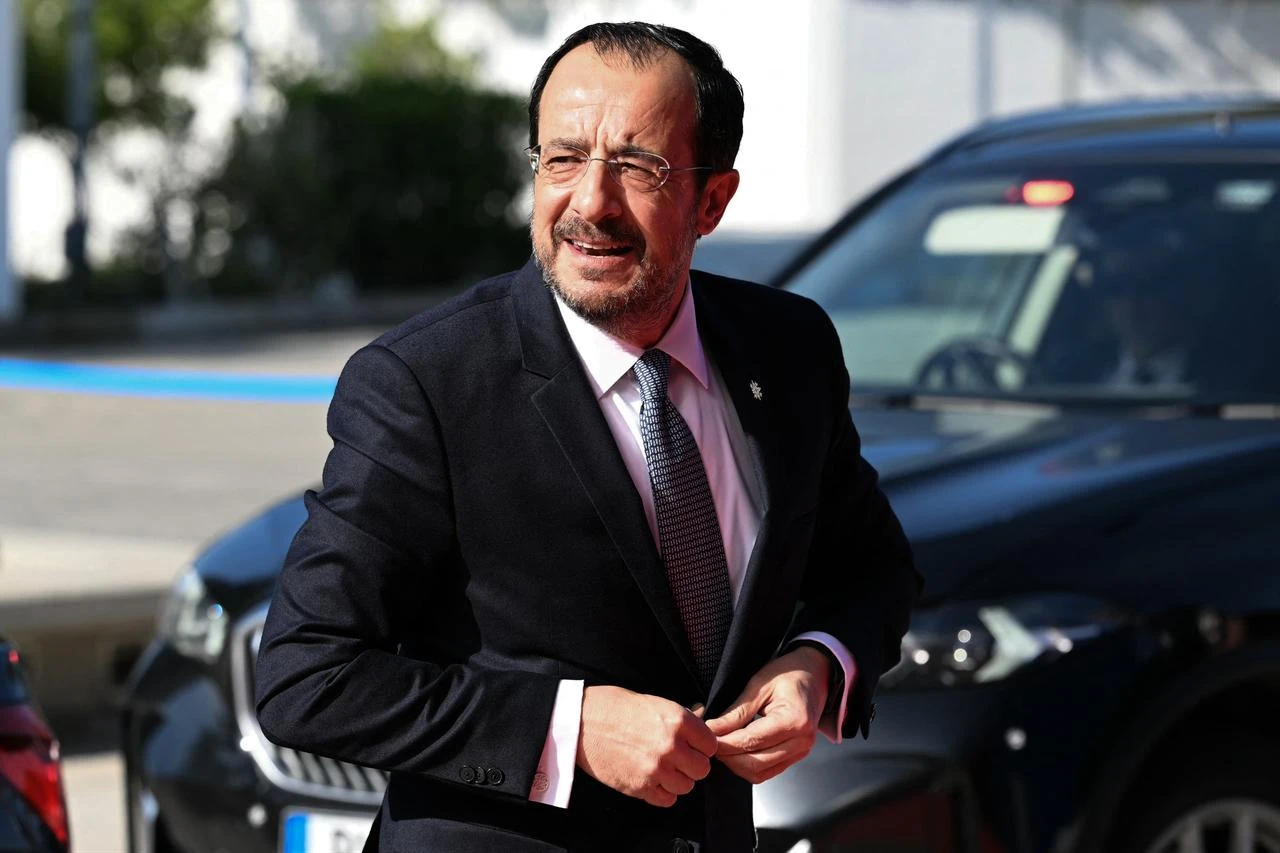

Ustel said the Greek Cypriot administration's practice of sending "solution" messages while simultaneously trying to obstruct Turkish Cypriot cultural and artistic activities clearly reveals the mindset they are dealing with.
He pointed to attempts to block a planned music festival at Kyrenia Castle as the latest example.
"I also strongly reject this oppressive and hostile mindset aimed at denying the Turkish Cypriot people room to breathe," Ustel said, adding, "On one hand there is talk of a solution, and on the other there is a mindset trying to seize even the most basic rights of the Turkish Cypriot people. This is a clear contradiction and hypocrisy."
Ustel sent a message of resolve to the Greek Cypriot side, saying Christodoulides and his team should know well that the Turkish Cypriot people have never allowed, and will never allow, any attack on their dignity, right to a humane life, sovereignty, freedom, or state.
Separately, TRNC President Tufan Erhurman said U.N. Secretary-General António Guterres had proposed clearing Cyprus of landmines, starting with the buffer zone, and that while the Turkish side accepted the proposal, Christodoulides rejected it.
Answering questions on local Kibris'in Sesi television, Erhurman said Guterres had outlined a set of confidence-building measures the U.N. hopes to establish between the two sides, including new crossing points, demining the buffer zone, joint efforts against irregular migration, crisis management during natural disasters, youth sports activities, resolving the issue of European Union citizenship for children of mixed marriages, and a civil society mechanism.
Noting that discussions on Cyprus tend to focus mainly on the new border crossings sought and that disagreements extend to other issues as well, Erhurman said, "We accepted the clearing of mines (in Cyprus); the Greek Cypriot side rejected it. U.N. Secretary-General António Guterres proposed clearing Cyprus of landmines starting from the buffer zone. The Turkish side accepted this proposal, but Greek Cypriot leader Nikos Christodoulides rejected it."
Erhurman noted that the goal of a mine-free Cyprus has featured in U.N. reports for years.
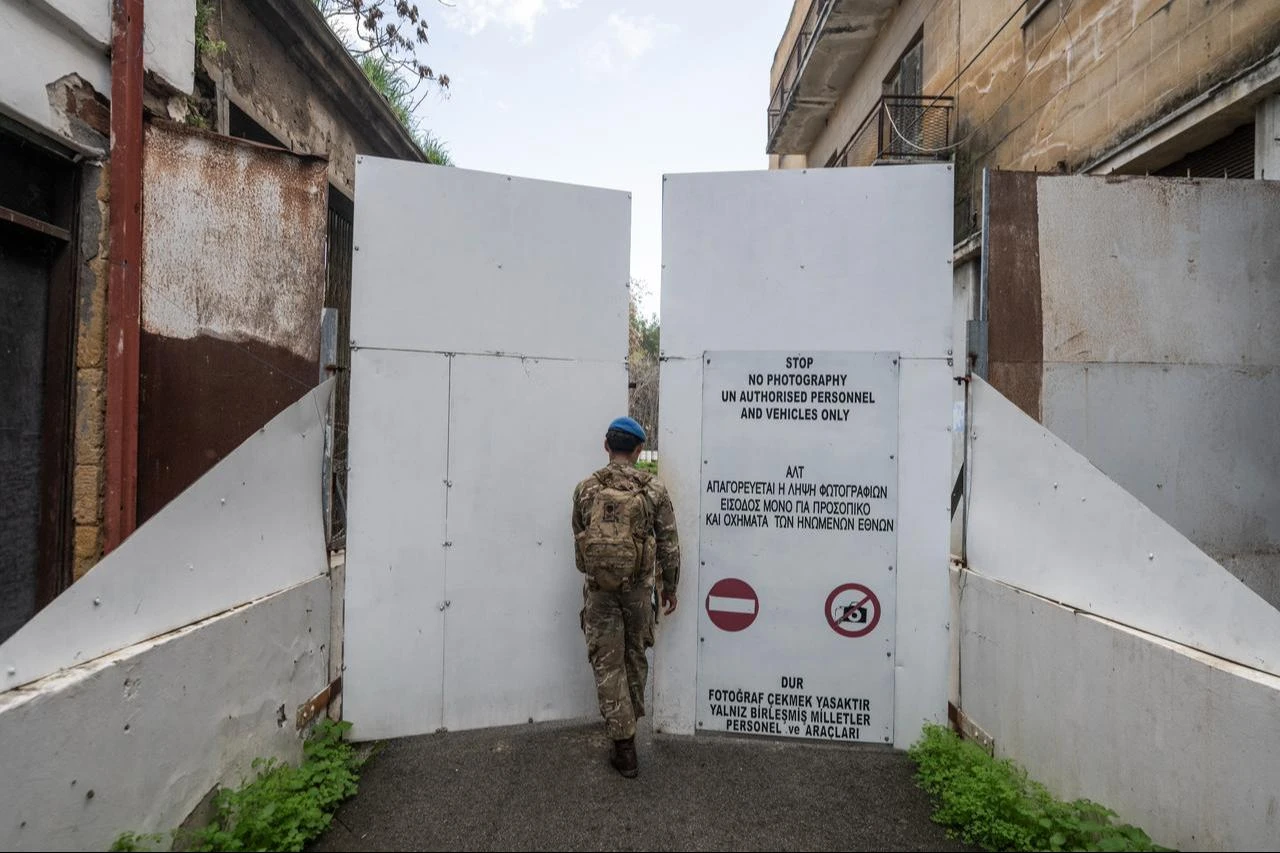
The Turkish Cypriot president said talks continue over new border crossings, including at Haspolat, Akincilar and the Kiracikoy-Eglence connection.
"Negotiations on new crossing points are underway. These negotiations have been ongoing for a long time, based on the U.N. map," Erhurman said.
He said the process involves more proposals than have been publicly reported. "Turkish Foreign Minister Hakan Fidan previously put forward a proposal that 'we will build the road passing through the north' (for the Kiracikoy-Eglence crossing point). The Greek Cypriot side did not accept this proposal," he noted.
"Then it was proposed that an alternative route be created from the south with EU financing, which the Greek Cypriot side also rejected. Subsequently, when the Greek Cypriot side raised questions about how Greek Cypriots' pre-1974 properties along the route would be compensated if the road passed through the north, it was noted that expropriation payments could be covered through the Immovable Property Commission. This proposal was also rejected (by the Greek Cypriot side)," the TRNC president noted.
Erhurman stressed that the confidence-building measures put forward by the U.N. secretary-general need to be addressed as a comprehensive package.
Cyprus has been mired in a decades-long dispute between Greek Cypriots and Turkish Cypriots, despite U.N. diplomatic efforts to reach a comprehensive settlement.
Ethnic attacks starting in the early 1960s forced Turkish Cypriots to withdraw into enclaves for their safety. In 1974, a Greek Cypriot coup aimed at Greece's annexation of the island led to Türkiye's military intervention as a guarantor power to protect Turkish Cypriots from persecution and violence.
The Turkish Republic of Northern Cyprus (TRNC) was founded in 1983 as a result.
The island has seen an on-and-off peace process in recent years, including a failed 2017 initiative in Switzerland under the auspices of guarantor countries Türkiye, Greece and the United Kingdom.
The Greek Cypriot administration (GCA) entered the European Union in 2004, the same year Greek Cypriots single-handedly blocked a U.N. plan to end the dispute.


 Set as preferred source
 Set as preferred source


 1 min read

 1 min read