Newsletters




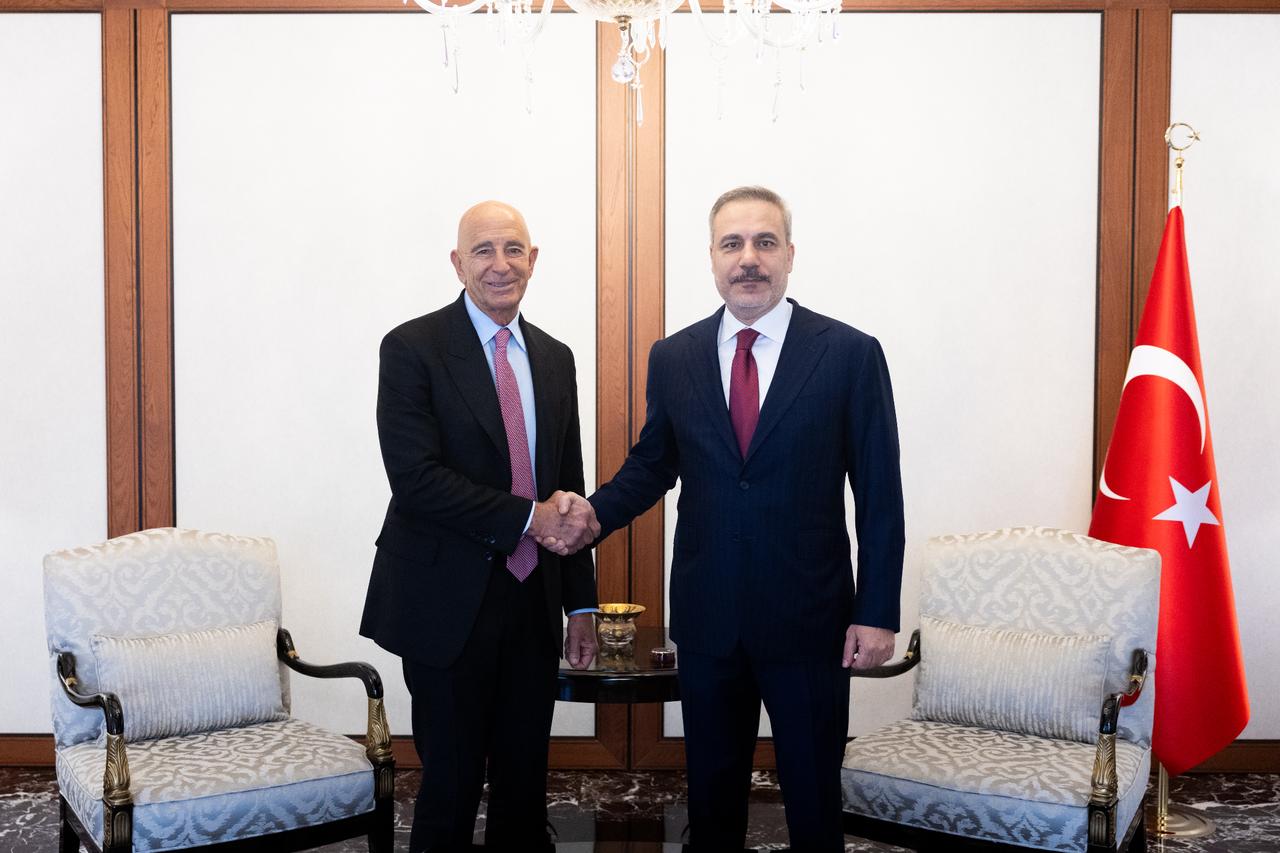
Türkiye will offer to mediate between Washington and Tehran when Iranian Foreign Minister Abbas Araghchi visits Ankara on Jan. 30, Friday, officials told Agence France-Presse (AFP) on Thursday.
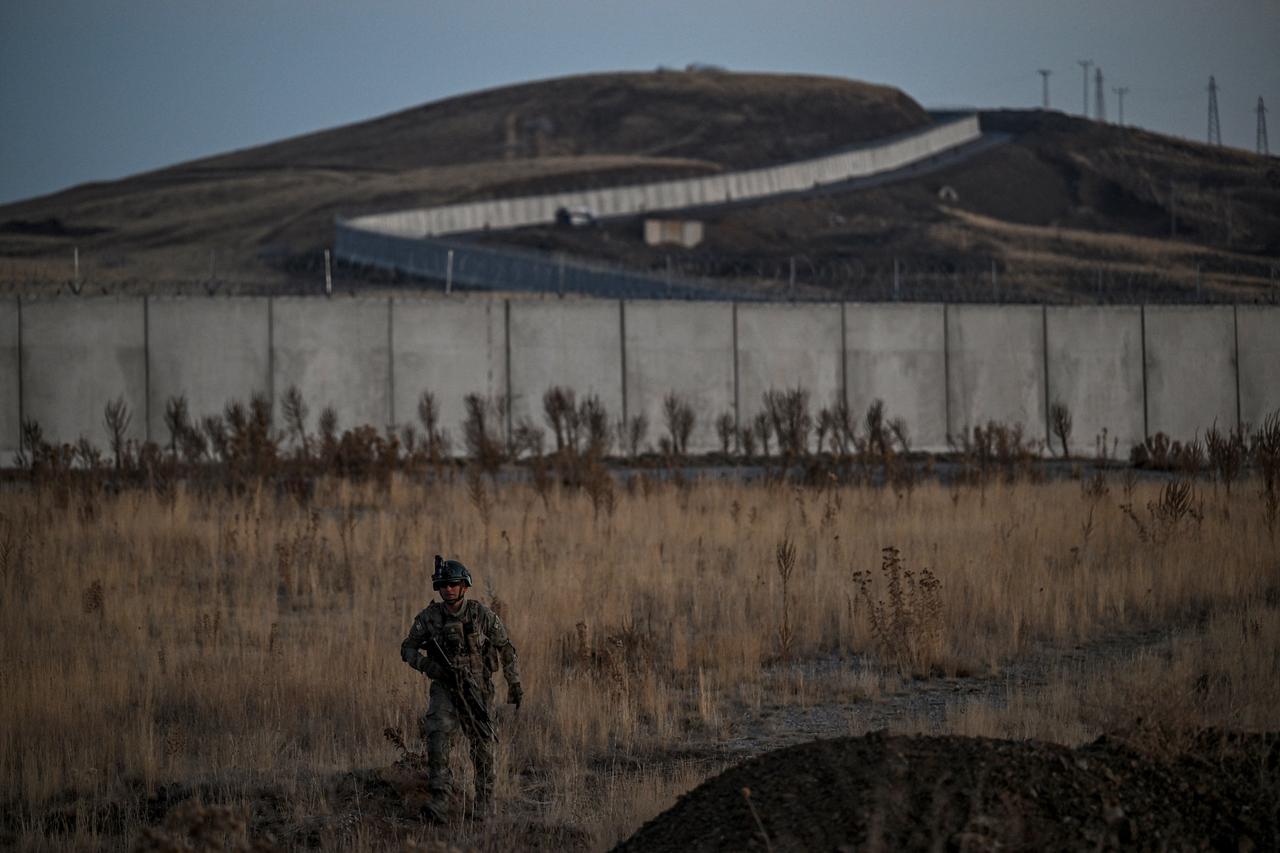
The government considers reinforcing security along its 530-kilometer (329.3 miles) border with Iran if U.S. military action destabilizes the country.
Foreign Minister Hakan Fidan will tell Araghchi that Türkiye "is ready to contribute to resolving the current tensions through dialogue," a Turkish diplomatic source told AFP.
Fidan will reiterate Türkiye's opposition "to military interventions against Iran... (over) the regional and global risks such a step would entail," the source said, requesting anonymity due to the sensitivity of the talks.
"Türkiye supports reaching a peaceful solution to Iran's nuclear program in the near term and is ready to provide assistance if needed in this regard," the foreign ministry source said.
Fidan stressed on Wednesday the need for Washington and Tehran to resume discussions over the Iranian nuclear program, calling it the top priority to be resolved.
"It's wrong to attack Iran. It's wrong to start the war again. Iran is ready to negotiate on the nuclear file again," Fidan told Al Jazeera television.

Iran's foreign ministry spokesman Esmaeil Baqaei confirmed the visit, saying on X that Tehran "is determined to continuously strengthen relations with its neighbors based on the policy of good neighborliness and common interests."
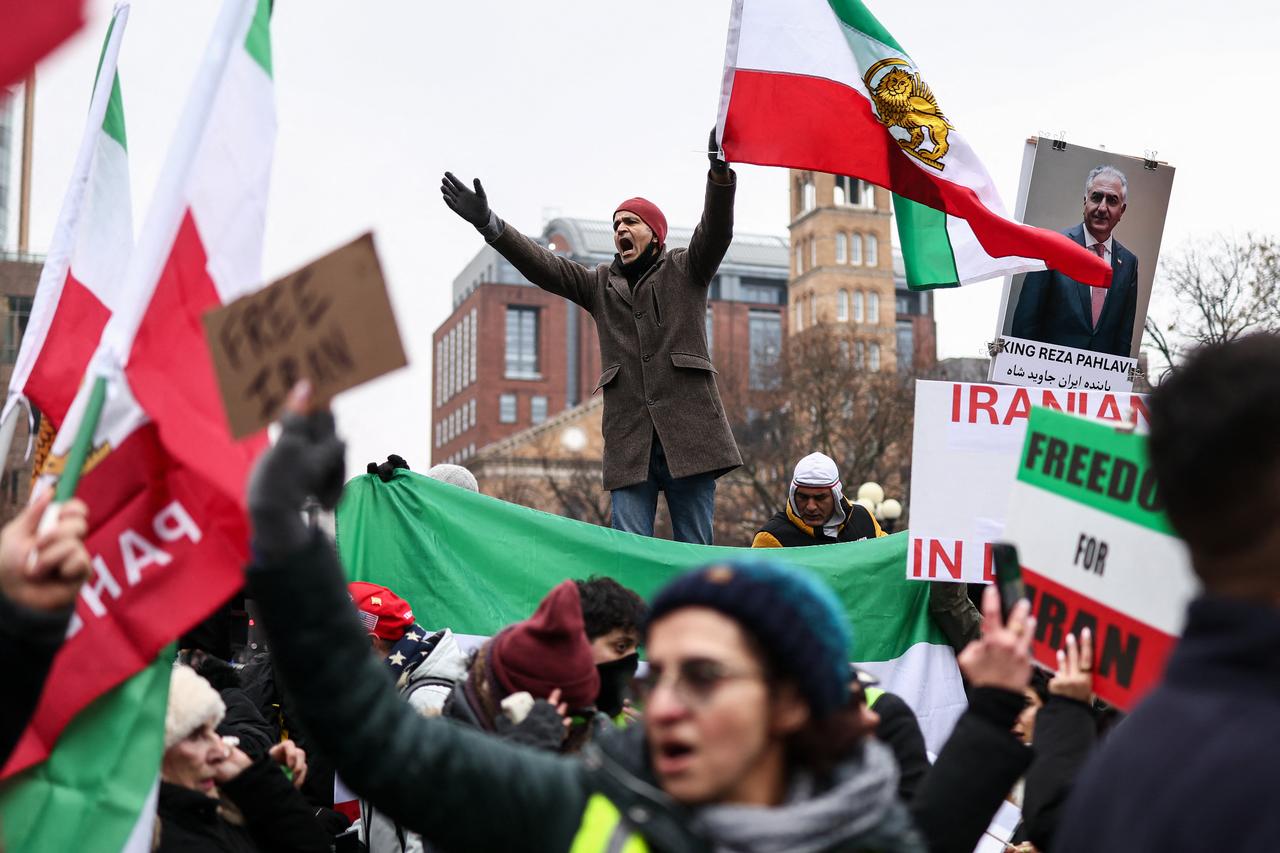
The visit comes after U.S. President Donald Trump threatened a military strike on Iran over its deadly protest crackdown earlier this month.
A U.S. naval strike group arrived in Middle East waters on Monday, with Trump warning it was "ready, willing and able" to hit Iran "if necessary."
Alongside its diplomatic push, Ankara is assessing additional security precautions along its border with Iran if a U.S. strike destabilizes the country, a senior Turkish official told AFP.
"If the United States attacks Iran and the regime falls, Türkiye is planning additional measures to reinforce border security," the official said, requesting anonymity.
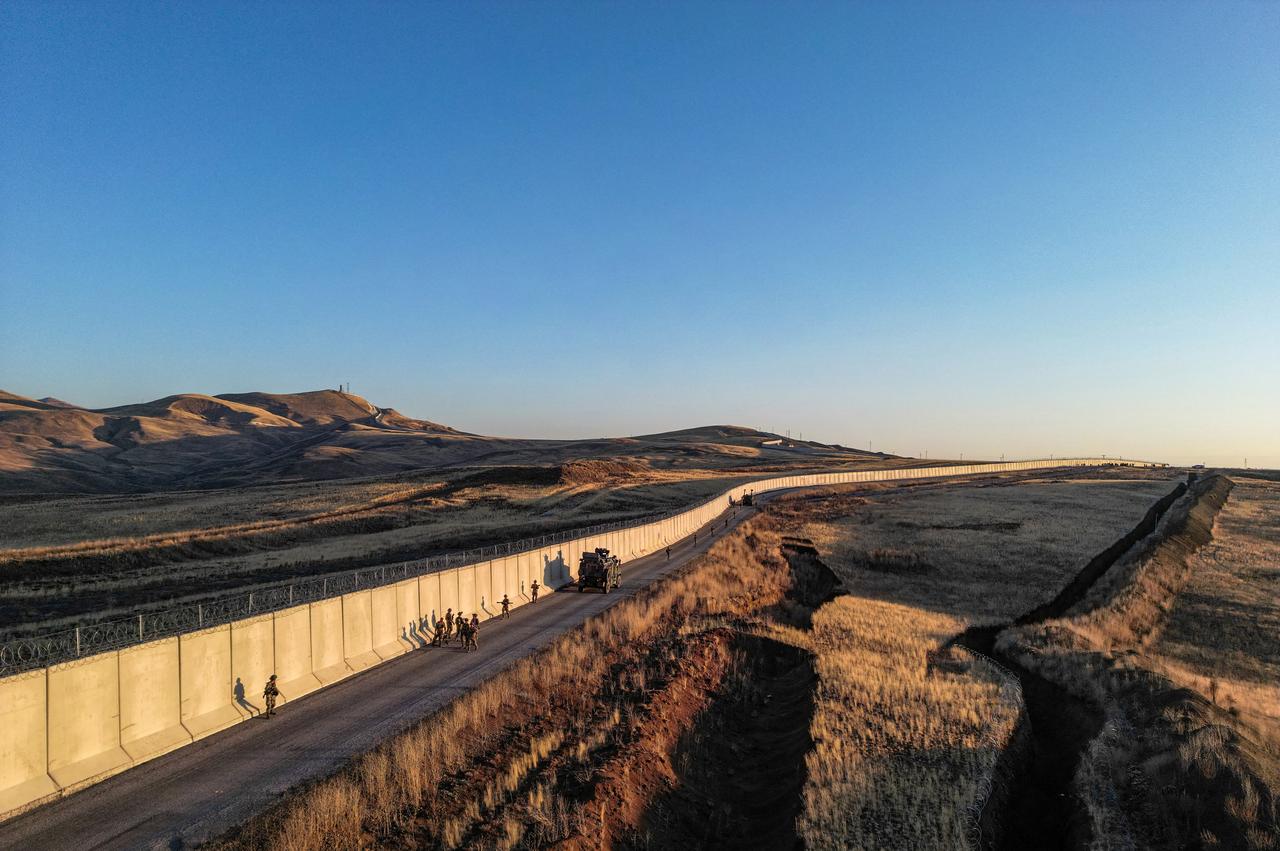
Much of the 530-kilometer (330-mile) frontier is secured by a wall, but "it has proven insufficient," the official said.
Turkish authorities have avoided the term "buffer zone," but options under review include deploying more troops and expanding technological surveillance systems.
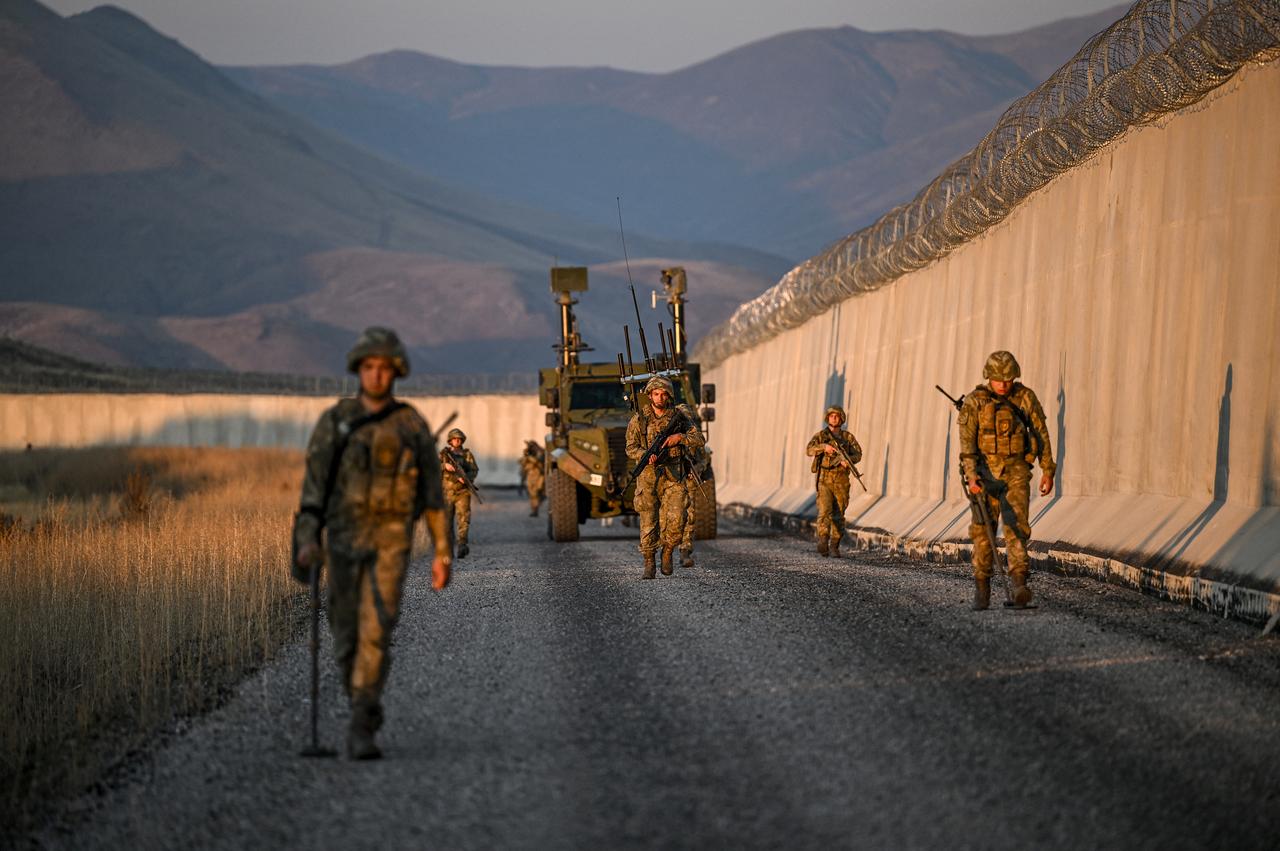
Türkiye began building a concrete wall in 2021 as concerns grew about a potential influx of migrants following the Taliban's takeover of Afghanistan.
According to official figures, authorities have installed:
Unmanned aerial vehicles continue conducting round-the-clock reconnaissance along the frontier.
So far, officials say there is no sign of a mass movement toward Türkiye linked to developments in Iran. Earlier this month, the defense ministry said it had detected "no evidence" of large-scale migration.


 Set as preferred source
 Set as preferred source


 1 min read
 1 min read