Newsletters


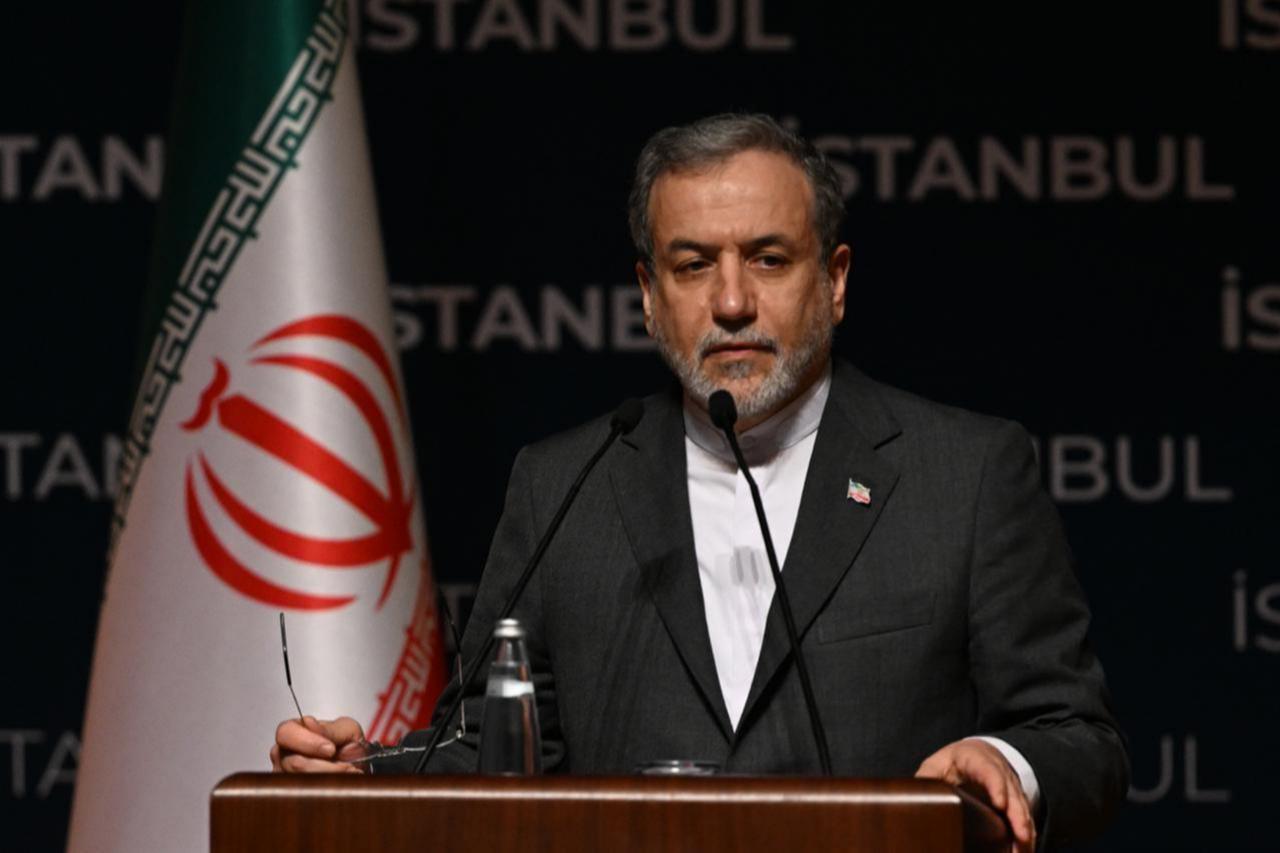


Türkiye and Qatar have come into focus as alternative venues to revive stalled ceasefire talks between the United States and Iran, as regional mediation efforts reach an impasse.
Iran has formally ruled out meeting U.S. officials in Islamabad in the coming days, mediators told the Wall Street Journal, arguing that Washington’s demands remain unacceptable.
Despite the setback, Türkiye and Egypt continue to search for a way to restart dialogue, the U.S. media suggested, with attention shifting to new locations.
Earlier, Turkish Foreign Minister Hakan Fidan said Türkiye is helping sustain indirect talks between the two sides.
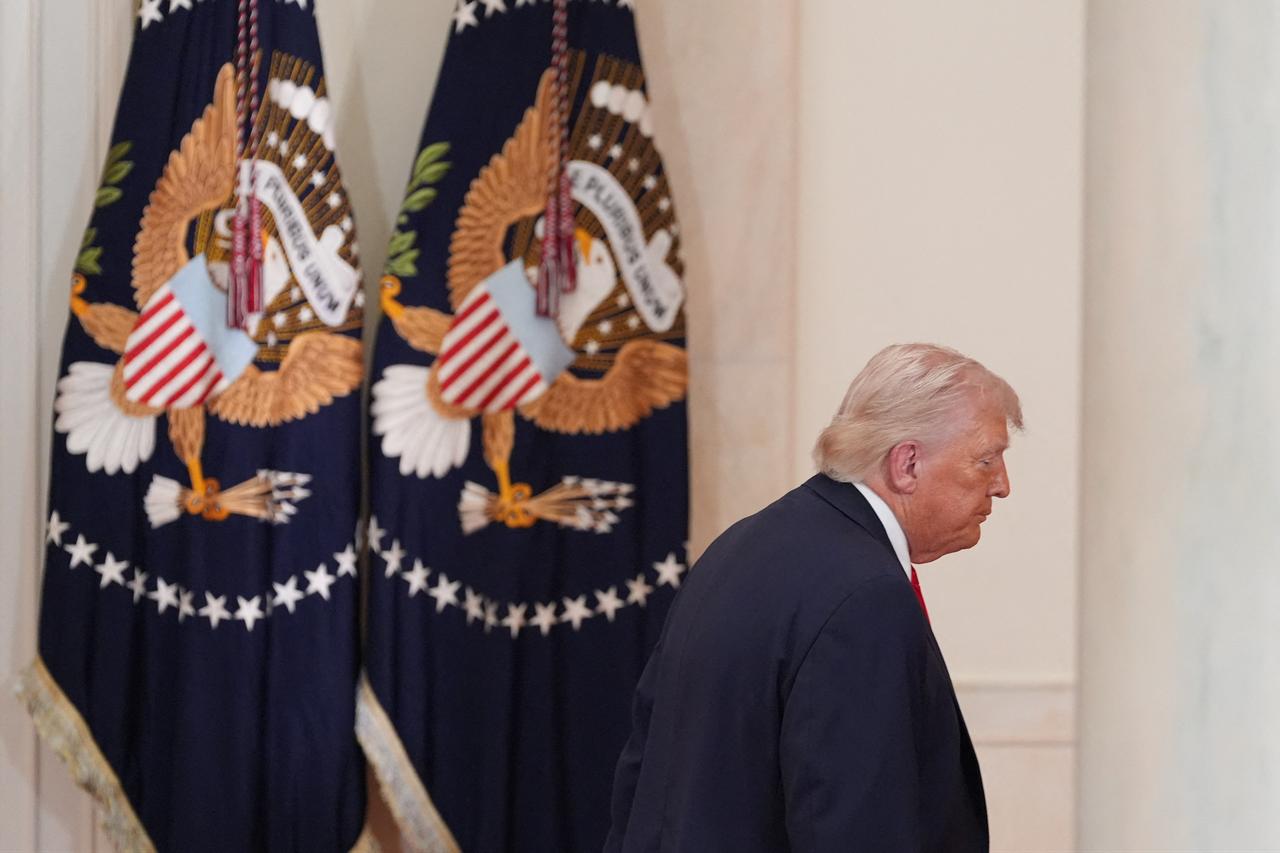
U.S. President Donald Trump earlier claimed Iran had sought a ceasefire, a statement Tehran denied. People familiar with the matter instead point to U.S. openness to a ceasefire conditional on Iran reopening the Strait of Hormuz, the report added.
In a national address this week, U.S. President Donald Trump said Washington no longer relies on the Strait of Hormuz for oil, urged other countries to secure the route themselves or turn to U.S. energy, and predicted it would reopen after the war.
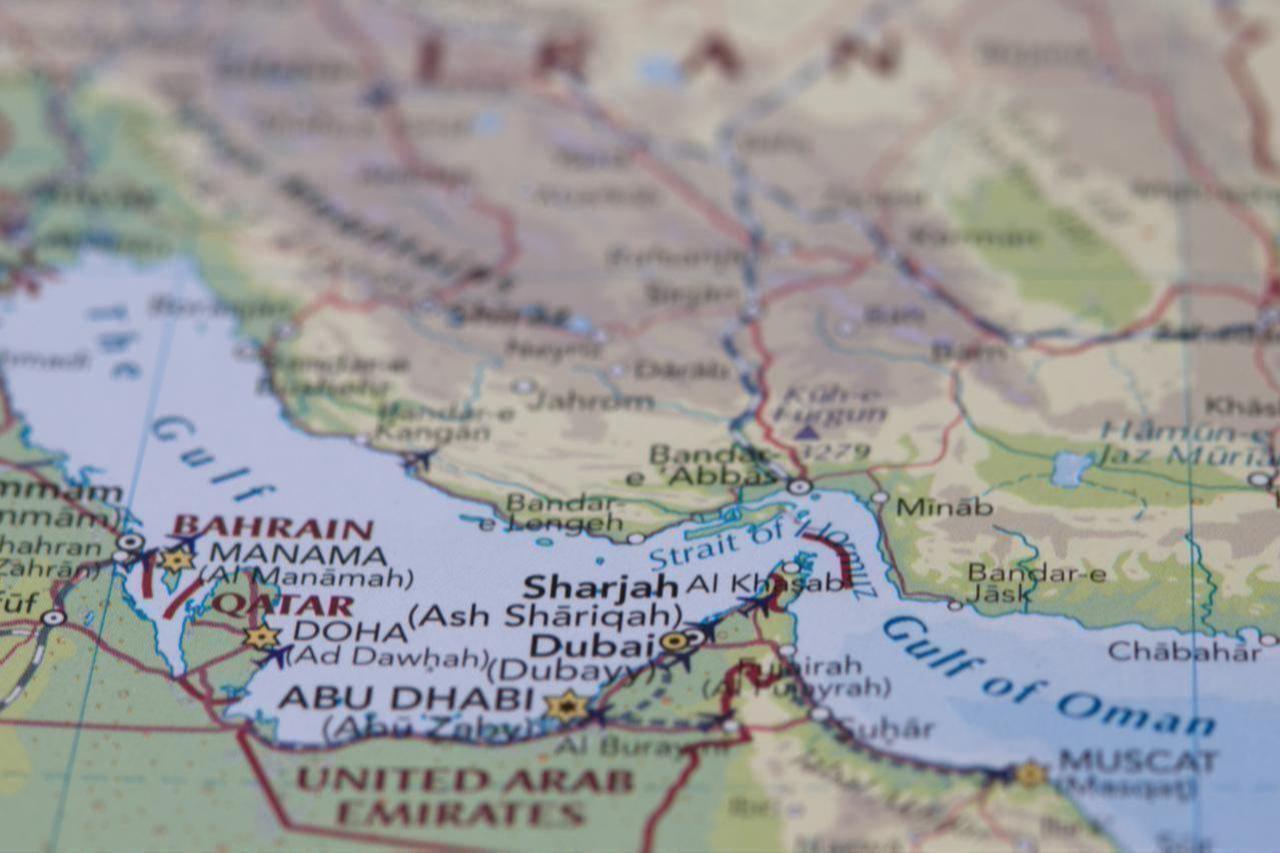
The Strait of Hormuz, which usually handles roughly a fifth of global oil and LNG flows, has been effectively closed since the war began on Feb. 28, even as Iran signals controlled transit under a toll regime.

In line with these efforts, Washington quietly pushed a short-term ceasefire proposal to Tehran on April 2 via a third country, Iran’s semi-official Fars News Agency reported. The plan outlined a 48-hour pause as pressure mounted on U.S. forces across the region.
Tehran rejected the proposal and did not issue a formal reply, instead responding by sustaining heavy attacks, the agency said.
The report added that diplomatic traffic has since picked up, particularly after a reported strike targeting a U.S. military depot on Kuwait’s Bubiyan Island, which appears to have sharpened efforts to contain the war.
 Breaking News, Direct to You.
 Follow Türkiye Today on WhatsApp
for real-time updates and key insights from Türkiye and beyond.
Follow Türkiye Today on WhatsApp
for real-time updates and key insights from Türkiye and beyond.
Earlier, U.S. officials put forward a detailed 15-point framework aimed at ending the war, seeking the dismantling of Tehran’s nuclear program, a permanent renunciation of nuclear weapons, and a full halt to uranium enrichment on Iranian soil. The plan also calls for limits on Iran’s missile range.
Under the proposal, Iran would be required to transfer its stockpile of enriched uranium — estimated at around 450 kilograms at 60% purity — to the International Atomic Energy Agency.
In return, the framework offers full sanctions relief, support for a civilian nuclear program centered on the Bushehr reactor, and the removal of the “snapback” mechanism that allows the rapid reimposition of international sanctions.
From the outset of the latest diplomatic push, Iran has tied any halt in the war to sweeping conditions. These include reparations, a U.S. military withdrawal from Middle East bases, and guarantees against future attacks.


 Set as preferred source
 Set as preferred source


 1 min read
 1 min read