Newsletters


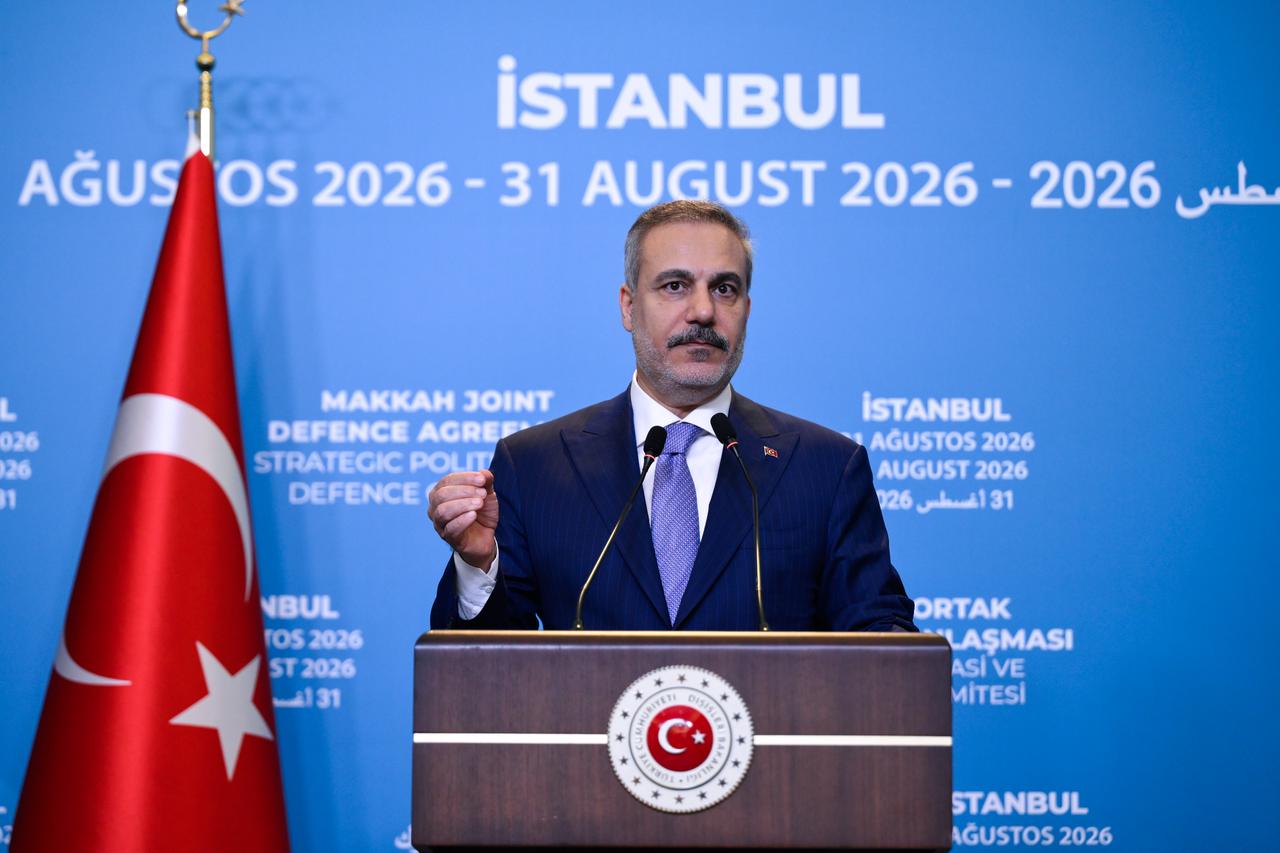


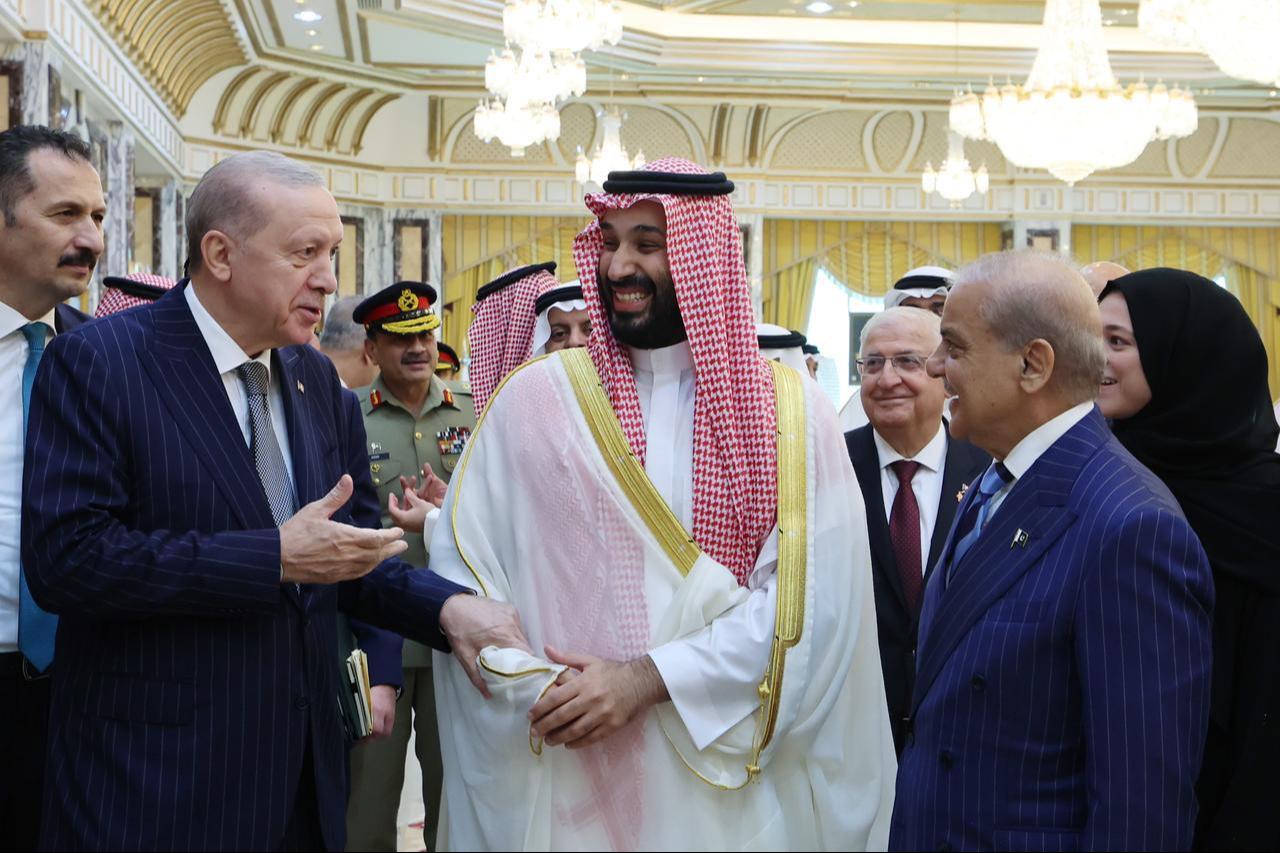
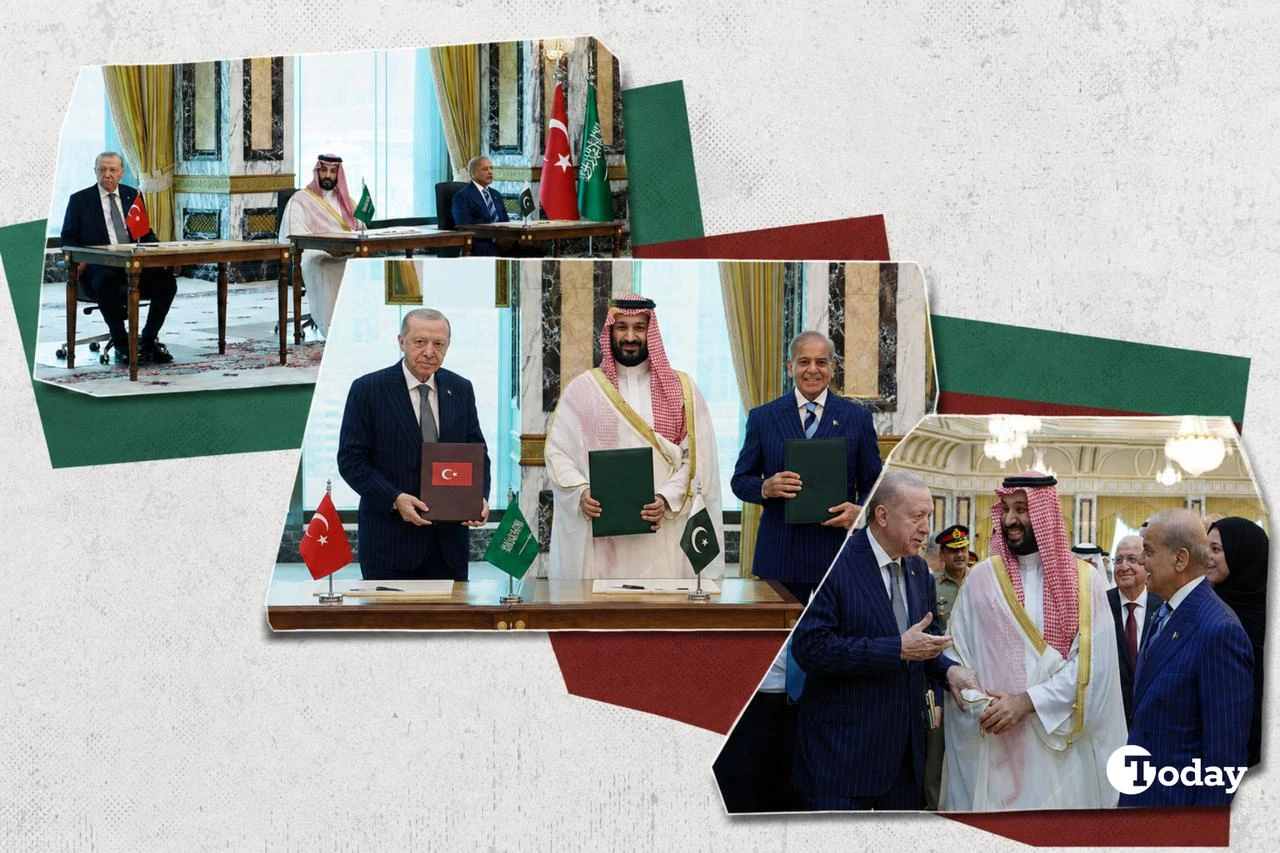
Turkish Foreign Minister Hakan Fidan said Monday that the official name of the defense alliance established by Türkiye, Pakistan and Saudi Arabia is the “Mecca Defense Alliance,” adding that the agreement has launched a process to test a “new security and cooperation architecture” in the region.
Fidan spoke after the first meeting of the Strategic Political and Defense Committee created under the Mecca Joint Defense Agreement, held at Ciragan Palace in Istanbul.
“With this agreement, the process of testing a new security and cooperation architecture in our region has begun,” Fidan said.
He said Türkiye, Pakistan and Saudi Arabia had agreed on the alliance’s institutional structure and begun work on its implementation.
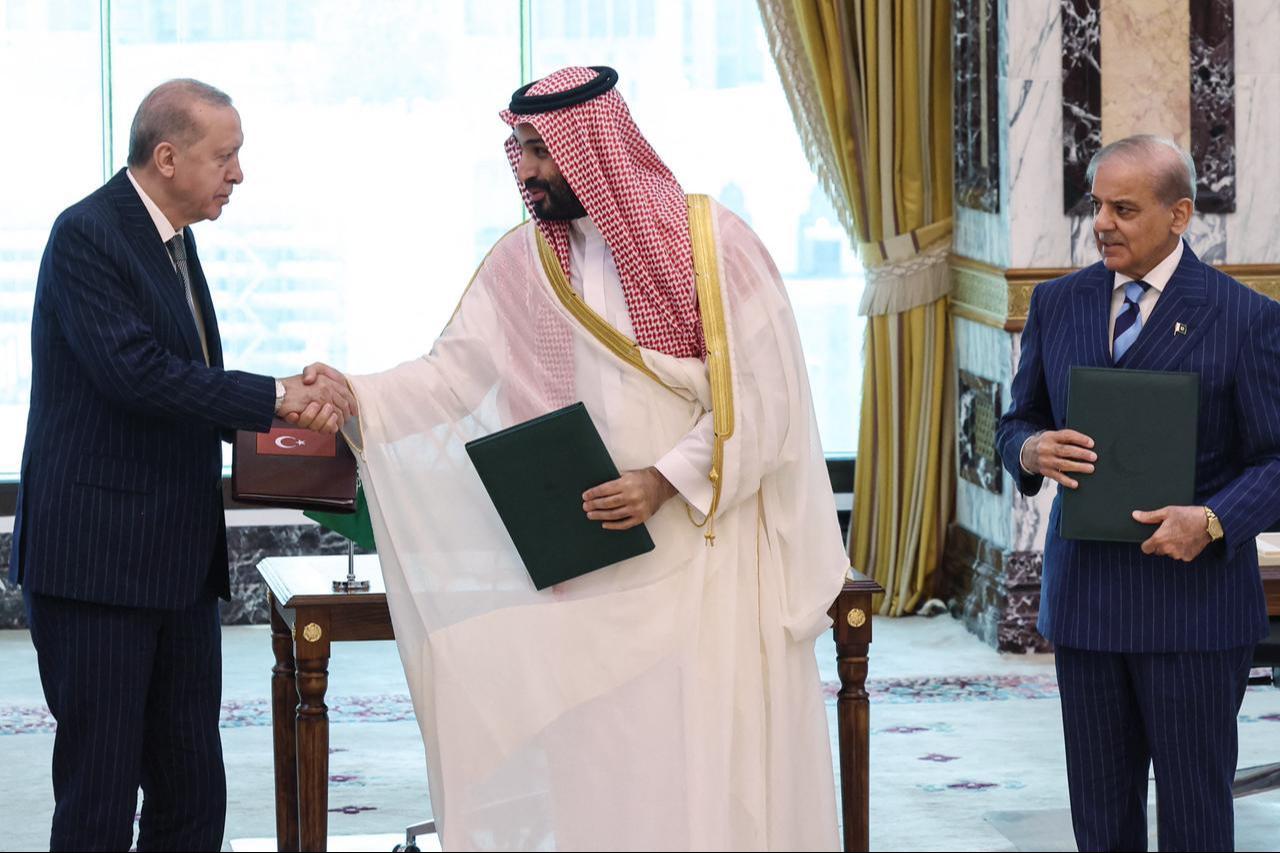

Fidan said the alliance’s secretariat is planned to be established in Riyadh, with a Pakistani official expected to serve as the first secretary-general.
The committee brings together the foreign and defense ministers and chiefs of general staff of the three countries.
Türkiye was represented by Fidan, Defense Minister Yasar Guler and Chief of General Staff Gen. Selcuk Bayraktaroglu.
Pakistan’s delegation included Foreign Minister Muhammad Ishaq Dar, Defense Minister Khawaja Muhammad Asif and Chief of Army Staff Field Marshal Asim Munir, while Saudi Arabia was represented by Foreign Minister Faisal bin Farhan, Defense Minister Khalid bin Salman and Chief of General Staff Gen. Fayyadh Bin Hamed Al Ruwaili.
Fidan said the sides discussed the steps needed to institutionalize the alliance and agreed on preliminary decisions regarding its future structure.
Fidan said the Mecca Defense Alliance was established with the aim of expanding and that work was underway on a roadmap for admitting new members.
He said any country seeking to join would need to discuss the conditions, procedures and standards with existing members.
Fidan stressed that the alliance is defensive, based on respect for sovereignty, territorial integrity and non-interference, and is not directed against any state.
He added that it is open to other regional countries that share those principles.
The alliance does not replace Türkiye’s obligations under NATO or other agreements, Fidan said, describing it instead as complementary to them.
“With this alliance, we will see greater stability gradually emerge in the region and uncertainty diminish,” he said.
Asked about remarks from the Israeli government portraying Türkiye as a strategic threat, Fidan strongly criticized Israeli Prime Minister Benjamin Netanyahu.
“Netanyahu, who has become a common enemy of humanity, the international community and security, is not a person to be taken seriously,” Fidan said.
He argued that Netanyahu and those acting with him pose a threat not only to Türkiye but to broader regional and global security.
“The international system must fight against the Netanyahu threat,” Fidan said.


 Set as preferred source
 Set as preferred source


 1 min read
 1 min read