Sign in
 Newsletters




Foreign Minister Hakan Fidan on Tuesday called on Israel to abandon policies that harm neighboring countries, saying it cannot secure itself at their expense. His Syrian counterpart, Asaad Hassan al-Shaibani, described Türkiye as a key partner in building regional stability.
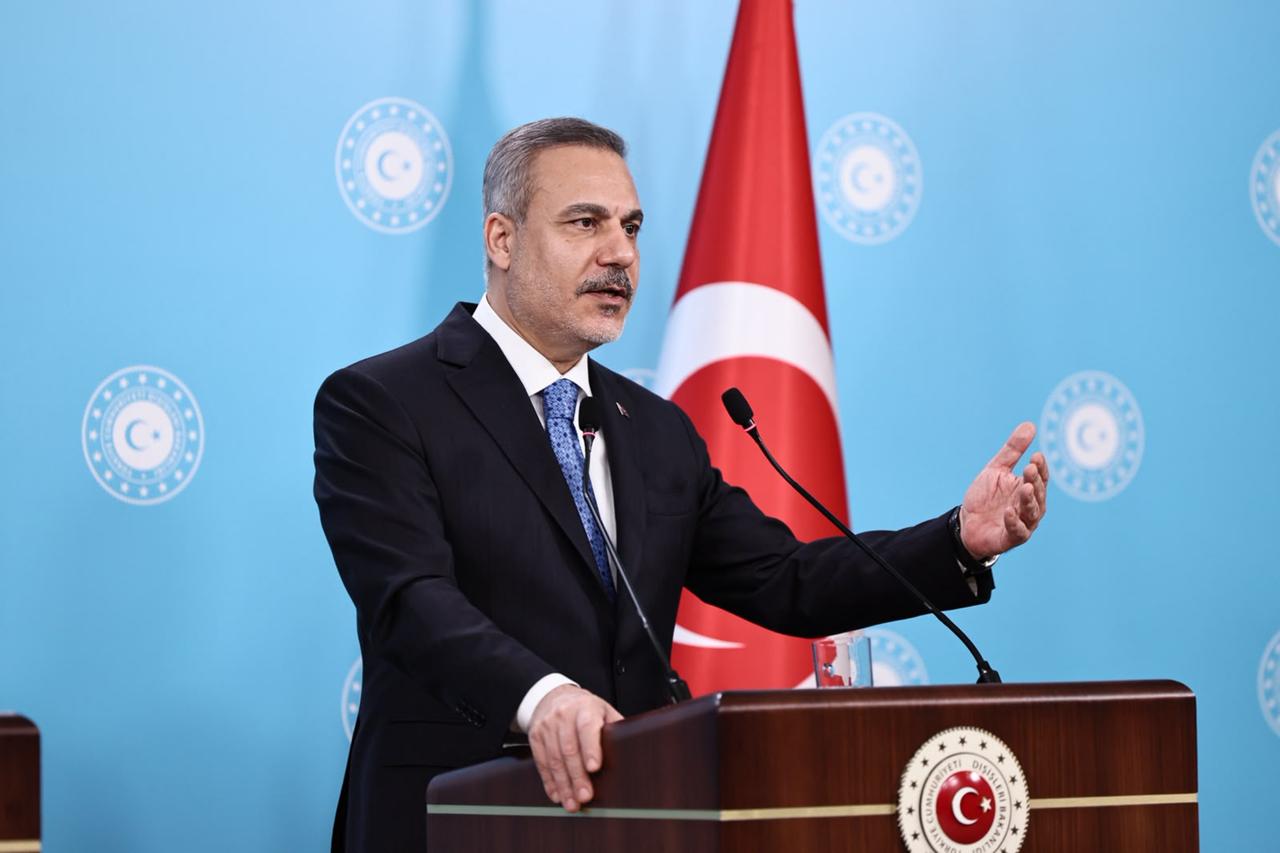
Speaking at a joint news conference in Ankara, Fidan said Israel “must now realize that it cannot ensure its own security by harming its neighbors.”
He said Israeli actions aimed at destabilizing the region and Syria were continuing and threatened the security and connectivity architecture that Türkiye and other regional countries are trying to build.
“A country’s security cannot be built on the instability of its neighbors,” Fidan said.
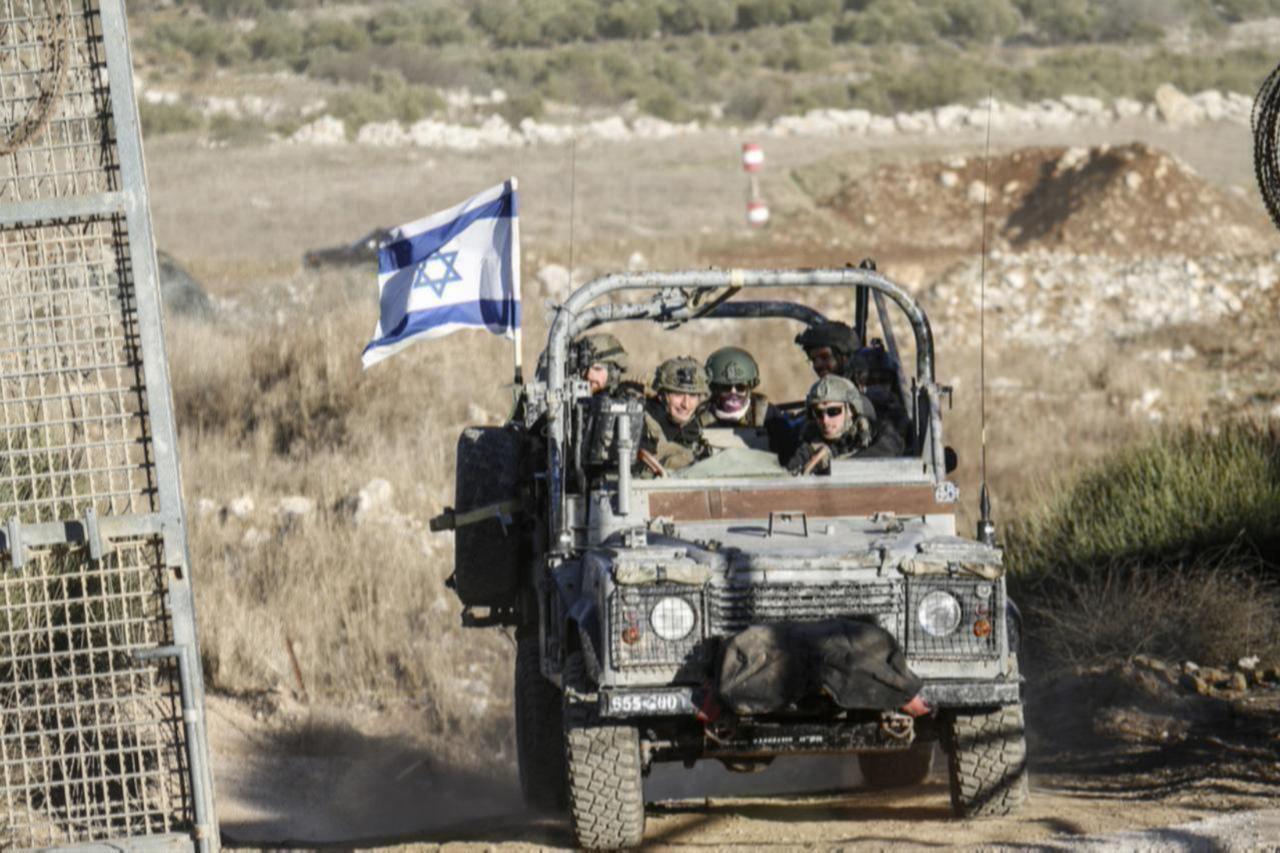
Fidan said Israel must stop its attacks on southern Syria and that a security arrangement should be established on the basis of the 1974 Disengagement Agreement.
The accord, reached after the 1973 Middle East war, created a ceasefire line and a buffer zone between Israeli and Syrian forces on the Golan Heights, monitored by a United Nations force.
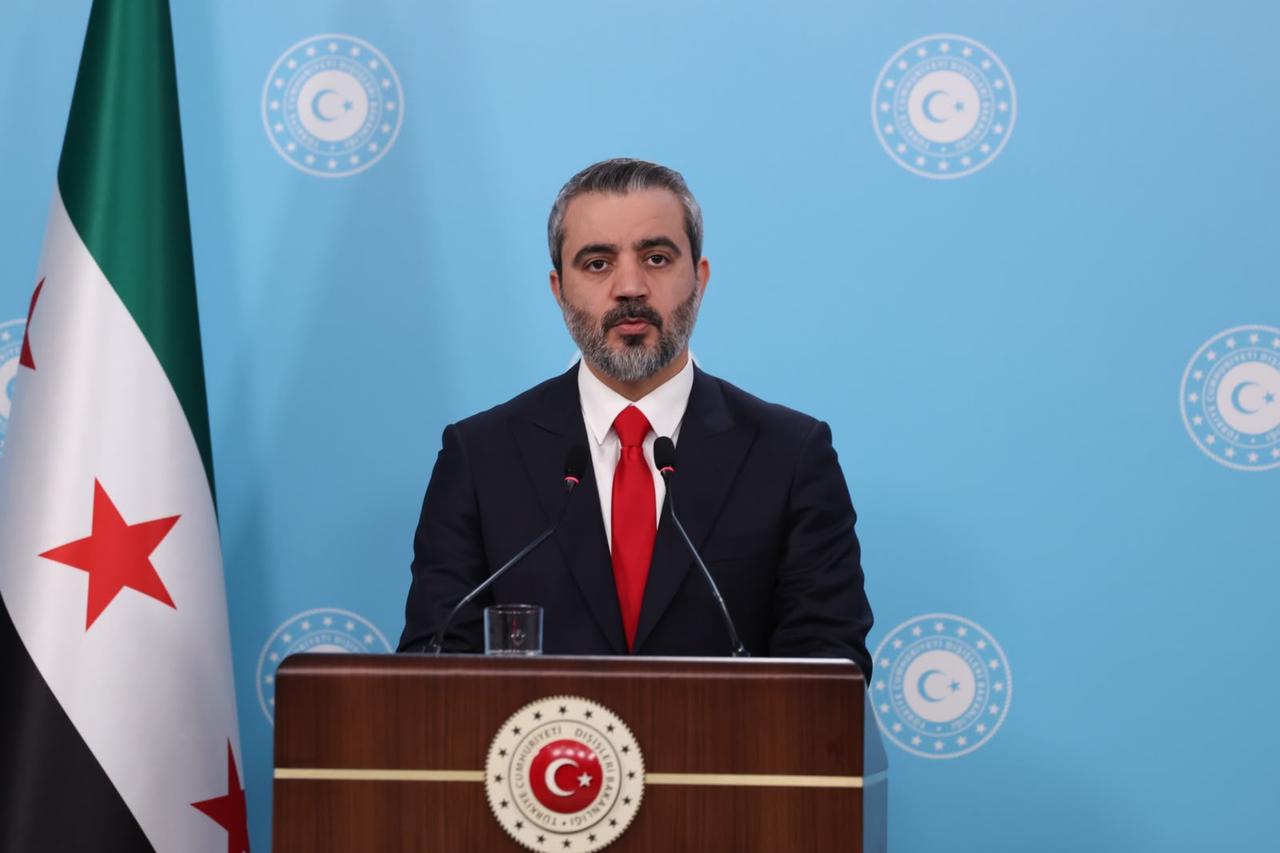
Al-Shaibani firmly rejected Israeli attacks on Syria and violations of its sovereignty, and said Damascus remains committed to the agreement. “Syria’s stability is the cornerstone of the stability of the Middle East,” he said. “Türkiye, meanwhile, is an indispensable partner in building this structure.”
Talks before the news conference were also attended by Turkish National Defense Minister Yasar Guler and Syrian Defense Minister Maj. Gen. Murhef Abu Qasra.
Fidan said he and al-Shaibani meet frequently and that cooperation between the two countries continues to deepen, with several joint projects completed recently. “Of course, we still have a great deal of work ahead of us,” he said.
Al-Shaibani said relations are advancing in trade, energy, transportation, security and reconstruction. Bilateral trade approached $3.78 billion in 2025, an increase of more than 40%, and both sides hope to raise it to $10 billion.
The two countries are working to increase the capacity of their electricity interconnection line to 500 megawatts. Direct flights have been launched between Damascus and the Turkish cities of Antalya and Izmir, and efforts are underway to reopen the Qamishli-Nusaybin border crossing.
Al-Shaibani said the two sides also agreed to accelerate plans for a railway extending from Türkiye through Syria to Jordan and the Gulf, to remove obstacles to road transportation and to improve digital infrastructure.
Fidan announced that Türkiye and Syria had agreed to establish a joint institution, the Türkiye-Syria University, in Damascus.
He said the Damascus Heart Hospital had begun serving Syrians with advanced facilities under a protocol signed by the two countries, and that the International Recep Tayyip Erdogan Turkish School in the Syrian capital began its academic year last month.
Navigation safety systems installed at the Damascus and Aleppo airports, he added, had helped increase Syria’s air transport capacity.
Al-Shaibani said more than 700,000 Syrians have returned to their country. He said housing, essential services and livelihood opportunities are necessary to keep returns sustainable, voluntary and dignified.
He thanked Türkiye for hosting Syrians for years, said Syria is open to Turkish companies taking part in reconstruction, and announced that the Syrian Embassy in Ankara is expected to open at the beginning of next month.
 1 min read
On regional developments, al-Shaibani condemned attacks targeting Gulf countries, calling Gulf security an inseparable part of Syria’s national security. He stressed the importance of protecting freedom of navigation in the Strait of Hormuz and the Bab el-Mandeb Strait, and said Syria supports a negotiated solution to end conflicts in the region.
On relations with the European Union, he said the lifting of EU sanctions on Syria had opened the way for a genuine partnership, one Damascus hopes will become an economic partnership that supports reconstruction.
He said Syria wants to be seen not as a source of crises or merely a recipient of aid, but as a reliable partner.
He cited the launch of high-level dialogue between Syria and the EU in Brussels and a forum held in Damascus as signs of that commitment, and pointed to Syria’s geographical position and its commercial and geopolitical importance to Europe.
Fidan also commented on interest in the Mecca Defense Alliance, which Türkiye, Saudi Arabia and Pakistan established in August. “The strong interest in the Mecca Defense Alliance is a clear indication of the positive impact that our peace-oriented efforts can have in the region,” he said.
He said recent regional developments had shown the need for lasting and comprehensive cooperation among countries in the region, and that the alliance was founded in line with that vision.
He welcomed other countries’ adoption of Türkiye’s regional ownership approach. Once the alliance completes its institutionalization process, he said, Türkiye and its partners would welcome other countries that seek peace in the region and respect international law.


 Set as preferred source
 Set as preferred source


 1 min read