Newsletters




Türkiye’s Foreign Minister Hakan Fidan said Friday that prolonged instability around the Strait of Hormuz could trigger a broader international alignment against Iran, as global powers weigh military and diplomatic responses to escalating regional tensions.
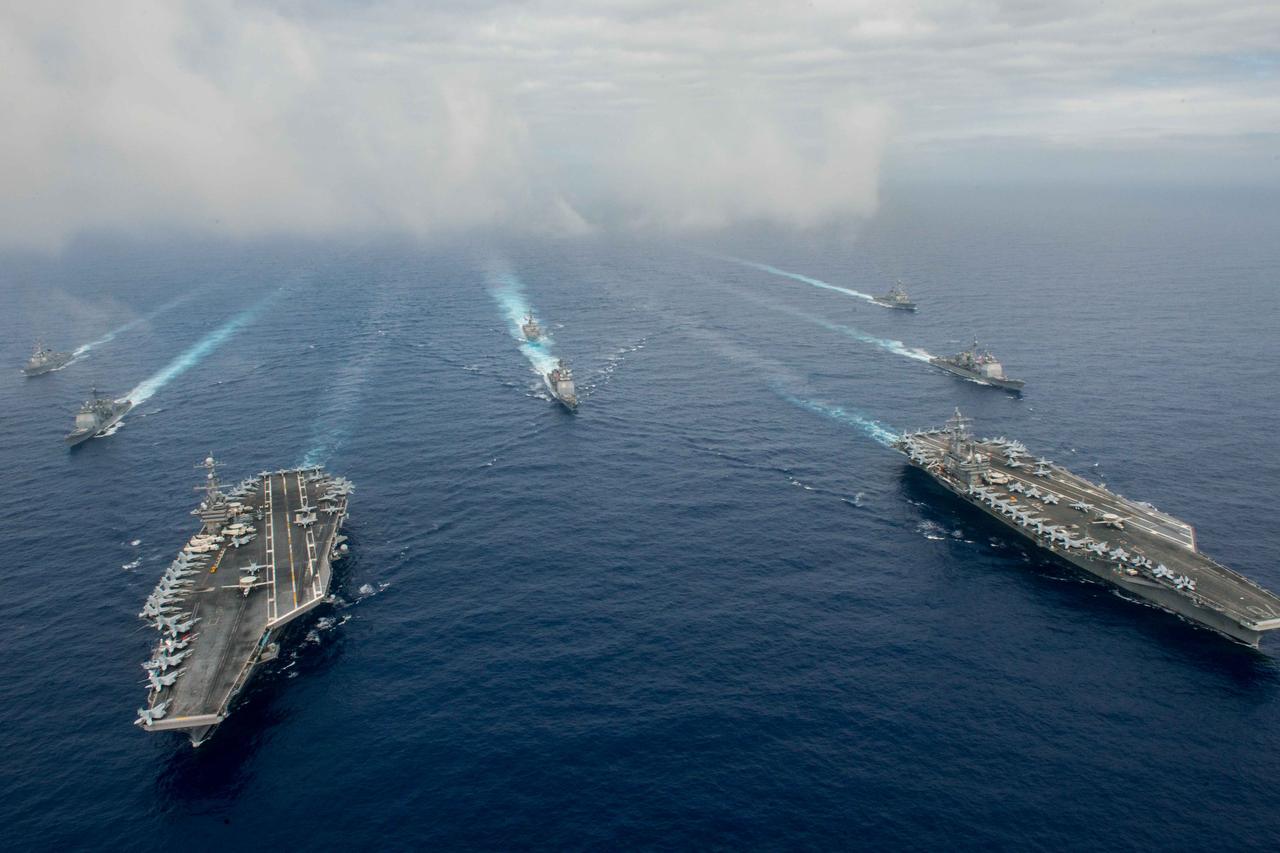
Speaking in a televised interview, Fidan described growing discussions—particularly led by the United States—on forming potential alliances if security in the strategic waterway deteriorates further.
He noted that some European countries are already signaling support for efforts to maintain maritime access, while others seek to separate the Hormuz issue from the wider Iran-Israel-U.S. conflict.
"If the crisis drags on, a much broader coalition involving more countries could emerge in Hormuz," Fidan said.
The minister’s remarks came after a G7 foreign ministers’ meeting in France, where diplomats urged Iran to reopen the Strait of Hormuz, while U.S. Secretary of State Marco Rubio called on countries benefiting from the waterway to act against Tehran’s plan to introduce a toll system.
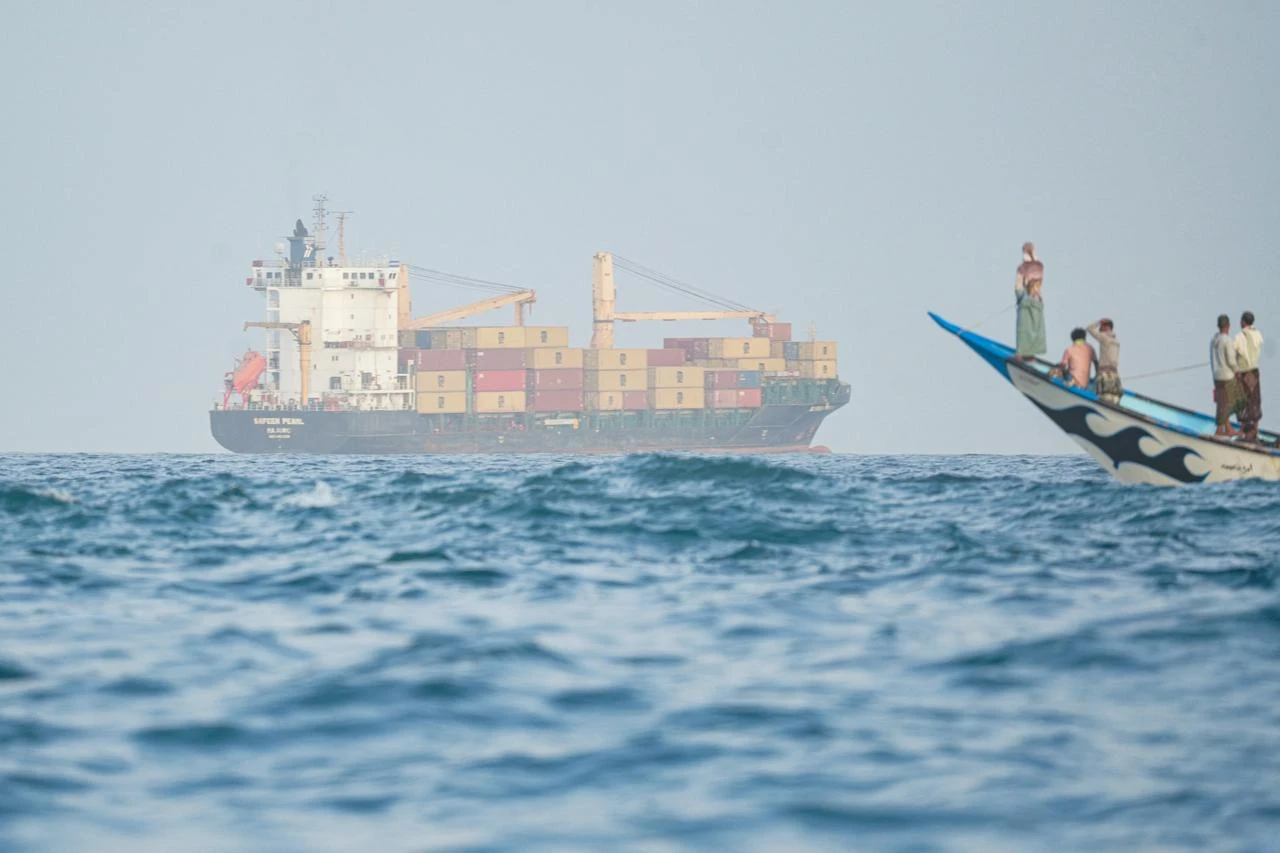
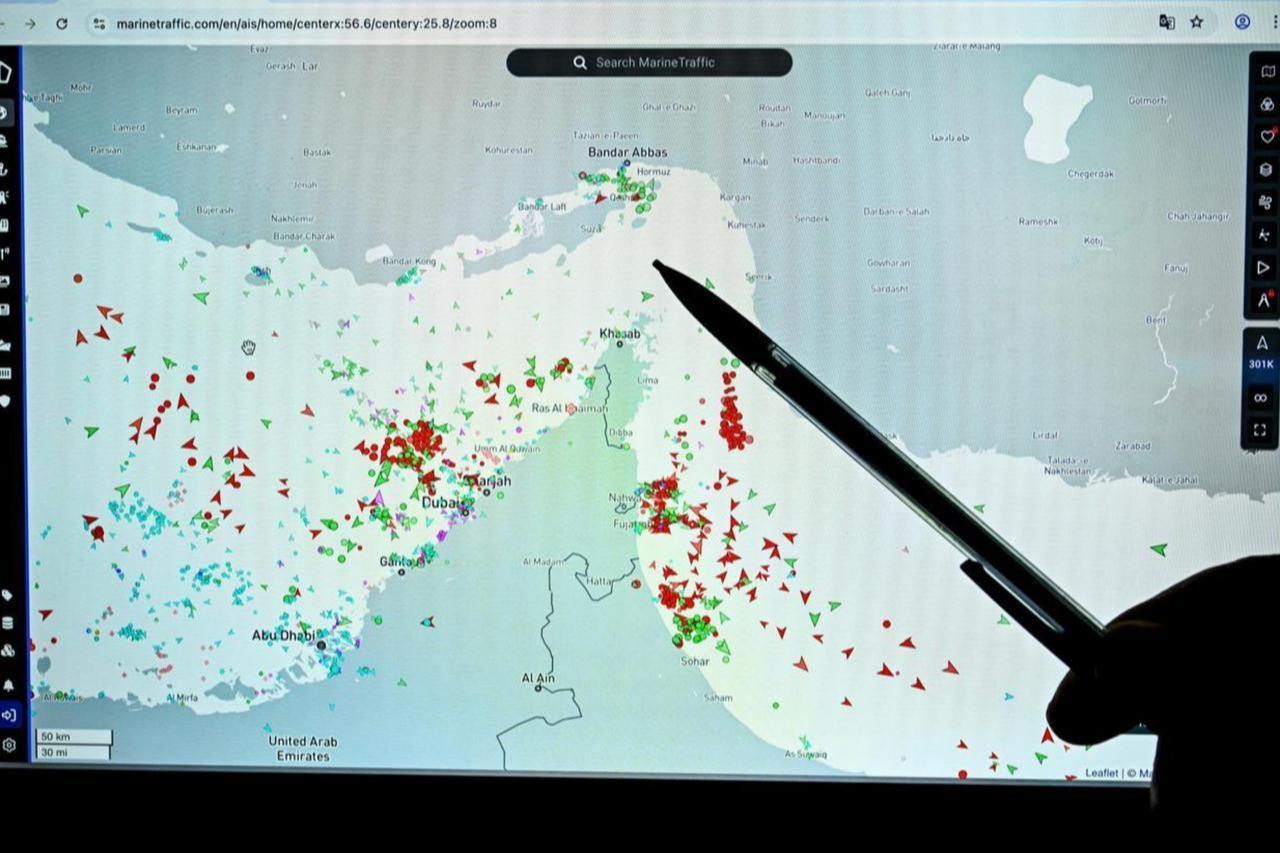
The Strait of Hormuz, through which around 20% of global energy supply passes, remains central to the crisis. Fidan emphasized that disruptions in the corridor are already affecting both energy flows and food supply chains, with rising prices reported across Gulf countries.
He said alternative logistics routes are being activated, including overland shipments through Türkiye, Syria and Iraq to supply Gulf states. These developments, he added, highlight the strategic importance of regional connectivity projects long promoted by Ankara.

Fidan confirmed that indirect negotiations between the United States and Iran have resumed through intermediaries, including Pakistan, with Türkiye actively facilitating communication.
However, both sides have shifted their positions compared to pre-war negotiations, particularly after damage inside Iran.
"There is an opening position in negotiations," he said, adding that initial demands are often set high but can be adjusted if both sides show genuine intent. Despite ongoing talks, Fidan pointed to a deep trust deficit, especially on the Iranian side, due to past breakdowns in diplomacy.
Türkiye is in regular contact with Pakistan, Egypt, Europe, and regional partners, Fidan emphasized, signaling a possible weekend meeting in Pakistan with Türkiye, Pakistan, Egypt, and Saudi Arabia to assess next steps.
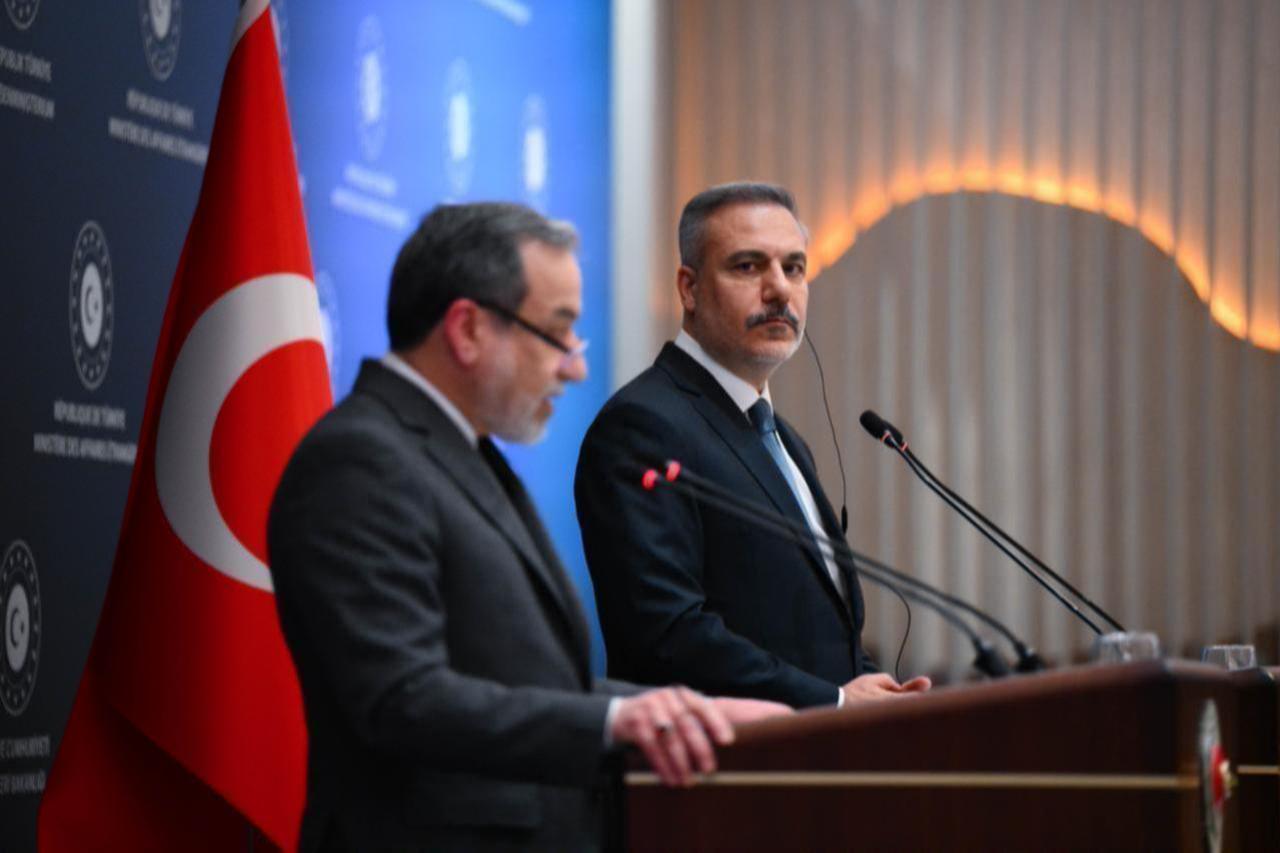
Ankara’s immediate goals remain halting the conflict, preventing its spread and keeping Türkiye outside direct involvement, according to Fidan. He warned that further escalation risks creating long-term regional instability, comparing its impact to lasting environmental damage.
"Our number one objective is to stop the war," he said, adding that Türkiye has maintained intensive diplomatic contacts with regional and global actors, including Gulf states, European countries, and major powers such as China and Russia.
Fidan recalled that Gulf countries including Qatar, Saudi Arabia, Bahrain, Kuwait and the United Arab Emirates have come under sustained attacks, with around 8,000 missiles and drones launched at the region.
He said Ankara has urged restraint among affected countries to avoid triggering a wider confrontation that could deepen divisions across the Middle East. "We advised both Iran and regional countries not to fall into this scenario," he said.
 Breaking News, Direct to You.
 Follow Türkiye Today on WhatsApp
for real-time updates and key insights from Türkiye and beyond.
Follow Türkiye Today on WhatsApp
for real-time updates and key insights from Türkiye and beyond.
Fidan identified Israel’s position as the main barrier to progress in negotiations, arguing that broader diplomatic momentum exists among other actors. He also suggested that internal dynamics in U.S. politics could shape the trajectory of the conflict, particularly regarding Washington’s ability to influence Israel.
"The biggest obstacle to peace is where Israel stands," Fidan asserted, adding that any long-term solution must involve all regional stakeholders, including Iran, Oman and Gulf states, rather than unilateral decisions.
The minister said the crisis underscores Türkiye’s ambition to become a regional energy hub, linking supplies from Russia, Azerbaijan, Iran and Iraq to global markets.
He added that future pipeline projects through Iraq and Syria could reduce reliance on maritime routes like Hormuz. At the same time, Türkiye continues to push for a negotiated settlement, warning that time is critical to prevent irreversible escalation, Fidan noted.


 Set as preferred source
 Set as preferred source


 1 min read
 1 min read