Newsletters


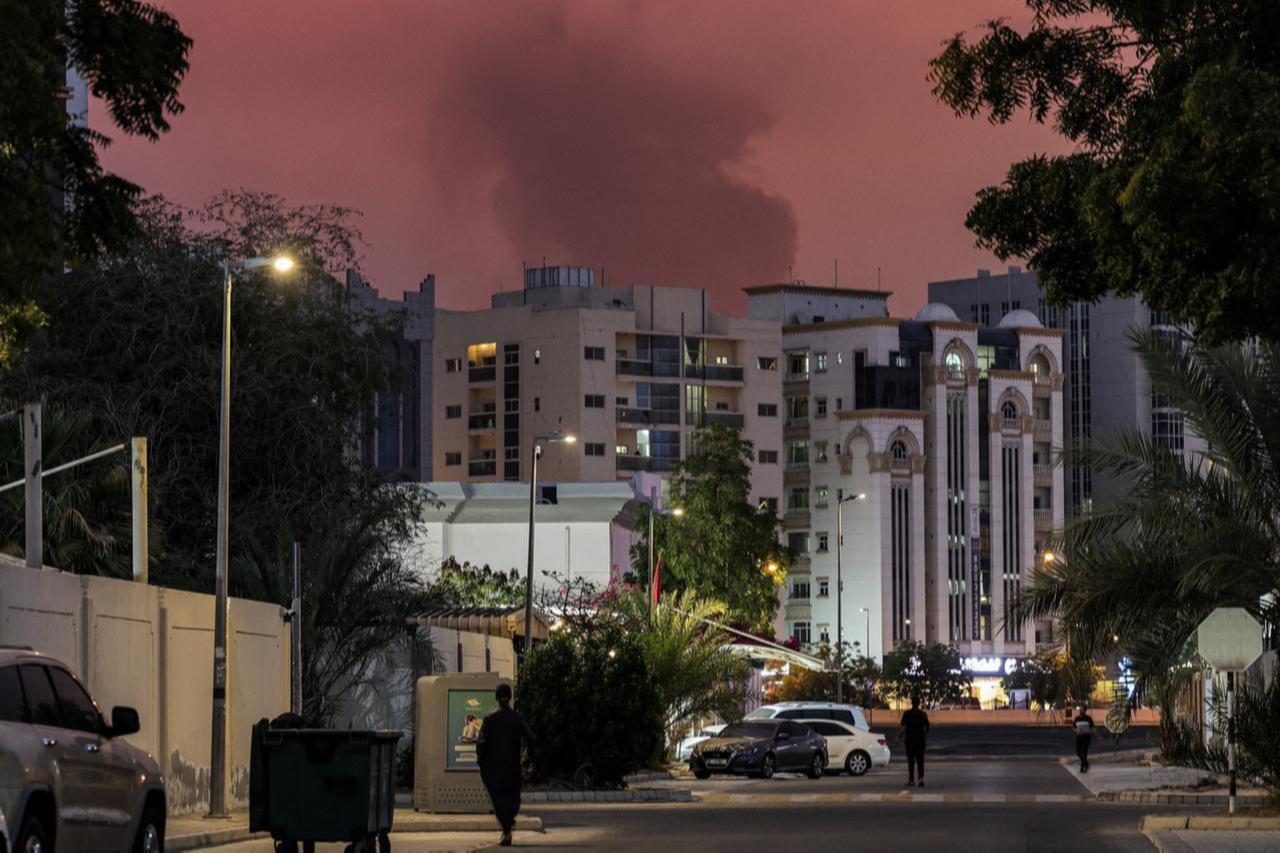


The United Arab Emirates said Friday it does not seek protection from any party and is capable of deterring aggression, while reaffirming its right to defend its sovereignty and territorial integrity amid regional tensions with Iran.
Minister of State Khalifa Shaheen Al Marar made the remarks during a BRICS foreign ministers’ meeting in New Delhi, according to the UAE’s state news agency WAM.
Both the UAE and Iran are BRICS members and attended the meeting in India.
Al Marar rejected Iranian accusations and criticism directed at the UAE, as well as attempts to justify attacks targeting the country and others in the region.
He said such actions violate the U.N. Charter, international law and principles of good neighborliness.
Al Marar also rejected threats to the UAE’s sovereignty, national security and independent decision-making.
He said the country retains its sovereign, legal, diplomatic and military rights to respond to hostile acts.
Pressure campaigns and what he called malicious claims would not change the UAE’s positions or prevent it from protecting its national interests, he said.
Al Marar said the UAE had intercepted nearly 3,000 ballistic missiles, cruise missiles and drones since Feb. 28, when the U.S. and Israeli war on Iran began.
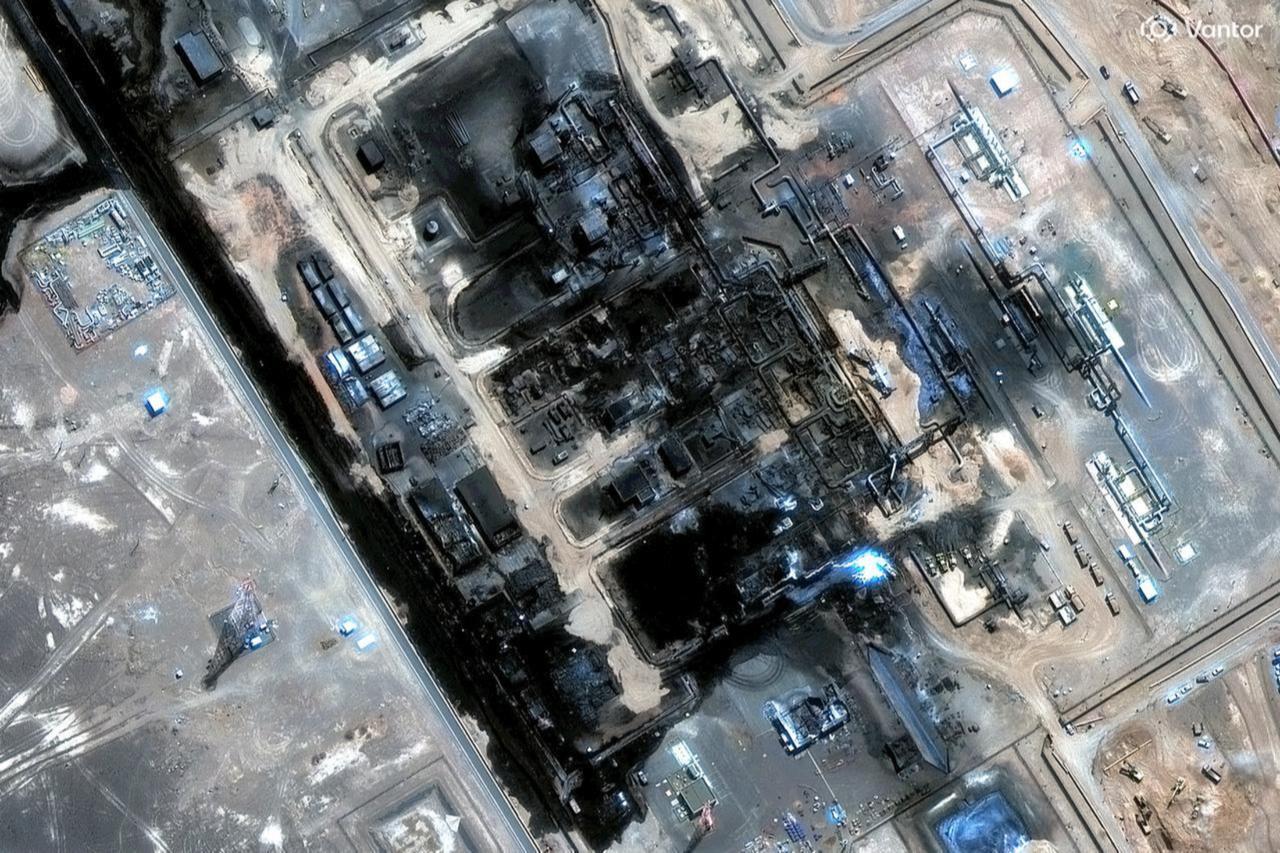
He said the attacks targeted civilian facilities and critical infrastructure, including airports, ports and energy facilities.
Al Marar also accused Iran of disrupting maritime routes, including what he described as the effective closure of the critical Strait of Hormuz.
He called the use of the waterway as pressure “an act of piracy.”
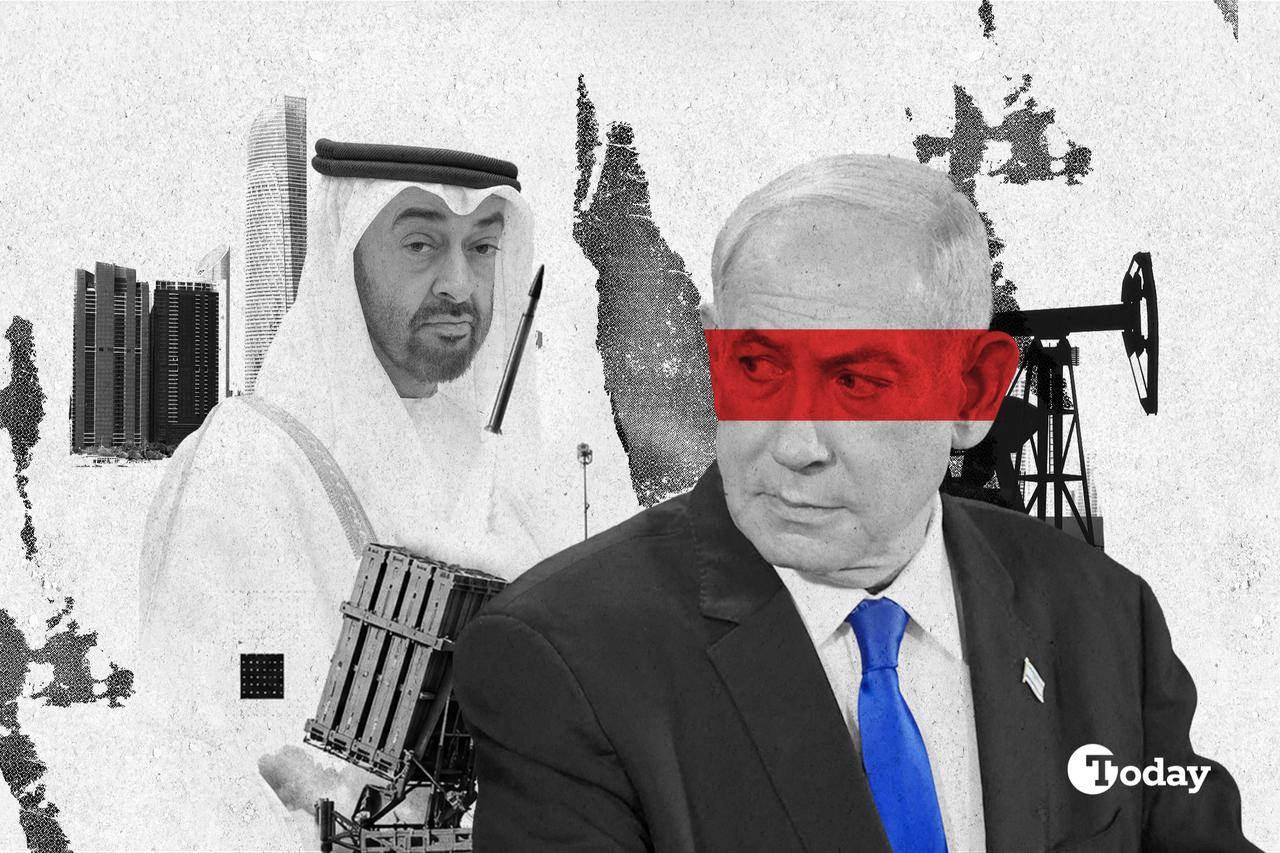
The remarks came a day after Iranian Foreign Minister Abbas Araghchi accused the UAE of maintaining an “alliance” with Israel and claimed Abu Dhabi had been directly involved in attacks on Iran.
Regional tensions have escalated since the U.S. and Israel launched strikes against Iran on Feb. 28, triggering retaliation from Tehran against Israel and U.S. allies in the Gulf, along with the closure of the Strait of Hormuz.
A ceasefire took effect on April 8 through Pakistani mediation, but talks in Islamabad failed to produce a lasting agreement.
U.S. President Donald Trump later extended the truce indefinitely.


 Set as preferred source
 Set as preferred source


 1 min read
 1 min read