Newsletters





U.S. Energy Secretary Chris Wright said Sunday that the Trump administration is not ending diplomatic outreach to Iran, despite earlier comments that same day suggesting a nuclear agreement with Tehran "may not" materialize.
"We are always open for a deal," Wright said on CBS's "Face the Nation with Margaret Brennan."
"That's President Trump's goal is to always have a negotiated settlement and not use a military solution unless absolutely necessary," he added.
Earlier Sunday on ABC's "This Week," Wright had said "there may not be a nuclear agreement. It may be simply destroying their capabilities to do it," adding that a nuclear agreement "may await a next administration" in Iran.
Asked whether continued military pressure was the strategy to prevent Iran from obtaining nuclear weapons, Wright said, "You have to destroy their capabilities to do it," pointing to Iran's missile manufacturing infrastructure.
"They built a massive missile infrastructure to manufacture missiles, which you see them firing today, but they don't have the capability to build more missiles," he said.
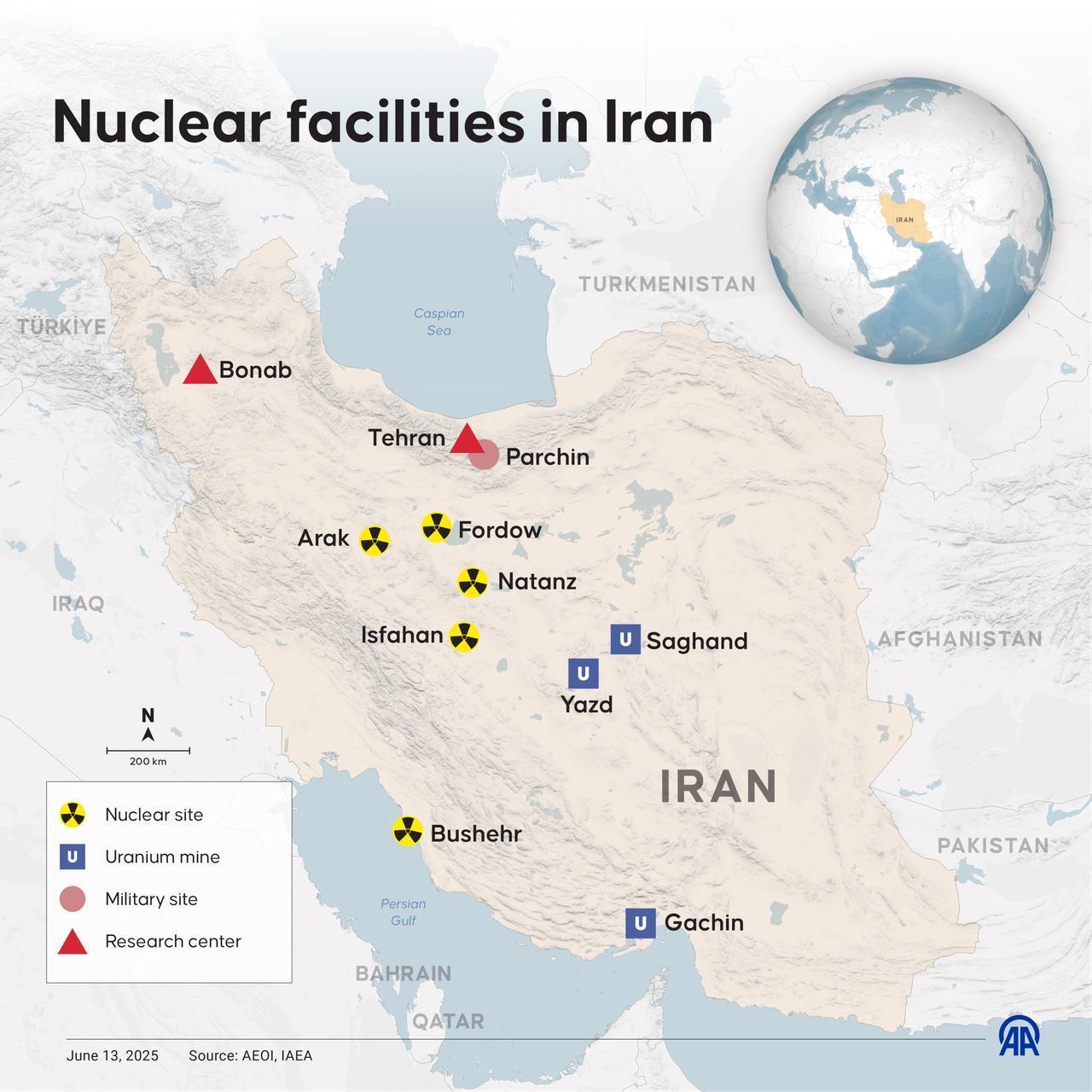

On "Face the Nation," Wright said the U.S. military's primary function in the region is economic rather than aimed at negotiations.
"The biggest role of our military in the region right now is to stop the export of any Iranian crude or crude-related products, natural gas, whatever. We are strangling their economy to try to bring either a change in policy from the existing regime or a new regime, their current strategy is slowly failing for them," Wright said.
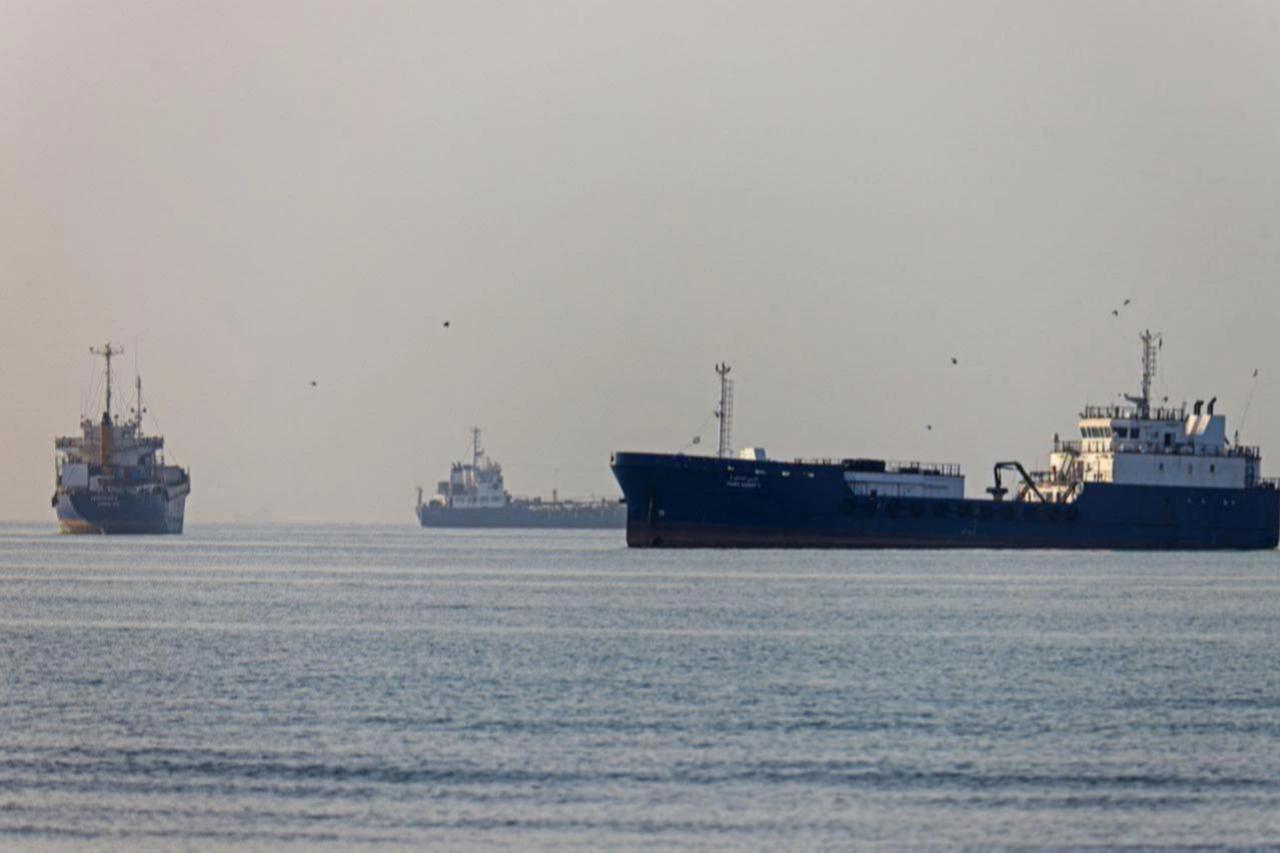
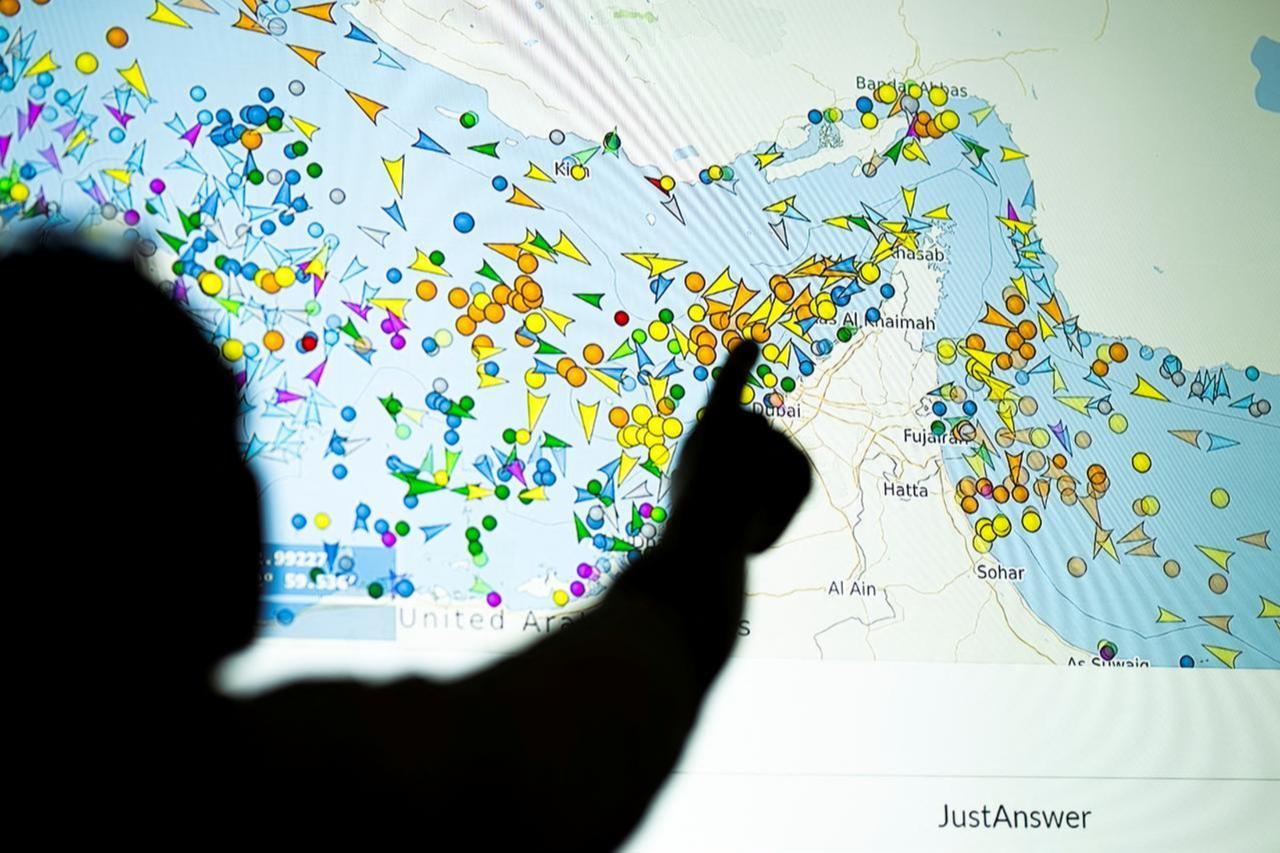
Wright said U.S. oil exports through the Strait of Hormuz are at their highest level since the conflict began, while acknowledging Iran was "still causing trouble."
He said the U.S. is working to increase supply from Alaska, the Gulf and Venezuela to offset global market pressure.
Wright said that the seven-day average for oil passing through the Strait of Hormuz currently stands at more than 9 million barrels per day, which he described as the highest seven-day average on record, adding that total regional flow, including pipelines through Saudi Arabia and the United Arab Emirates (UAE), is between 13 million and 14 million barrels per day.
The Strait of Hormuz remains a flashpoint where the U.S. and Iran offer directly opposing accounts of the waterway's status.
U.S. officials say internationally recognized shipping lanes have been cleared of Iranian mines and that dozens of vessels transit daily, while Tehran insists the strait remains under Iranian control and is not safe from mines.
Asked whether consumers could expect $3 gasoline by Sept. 20, as Treasury Secretary Scott Bessent had predicted, Wright said falling seasonal demand combined with looser refining regulations could push prices downward.
"We've passed peak demand time with Labor Day tomorrow, the end of the summer driving season, and the Trump administration a couple weeks ago rolled out a change in regulations that'll allow American refiners to produce more gasoline and diesel with their existing equipment," Wright said.
"So, seeing demand likely go down in the next few weeks and supply going up, I think prices headed downward is not an unreasonable expectation," he added.
On diesel prices, which hit a record $5.89 a gallon this week, Wright attributed high costs partly to reduced Russian refining capacity following damage to Russian refineries, saying Russia has gone from being a diesel exporter to a gasoline importer.
He said the administration is considering "all options," including a possible export ban, but is currently focused on "maximum production" to grow supply.
Iran and the U.S. signed a Memorandum of Understanding (MoU) in June, mediated by Pakistan and Qatar, outlining steps toward ending hostilities, reopening the Strait of Hormuz and addressing economic restrictions.
The two sides have since accused each other of failing to implement commitments under the agreement.
U.S. President Donald Trump has repeatedly claimed that Iran's leadership has fundamentally changed since U.S.-Israeli strikes began in late February, though Iran's governing system remains intact under a new supreme leader.


 Set as preferred source
 Set as preferred source


 2 min read
 1 min read