Newsletters


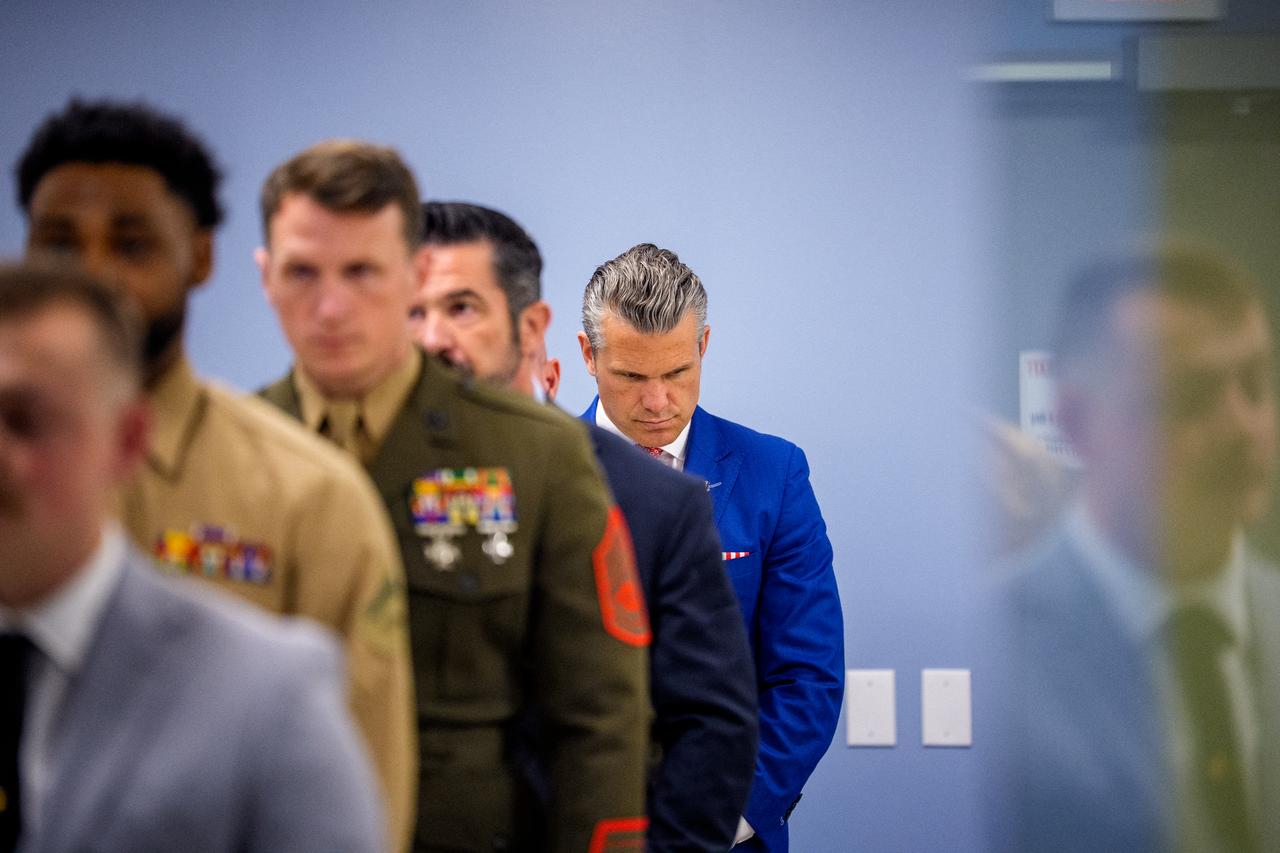


Senior U.S. military commanders have warned Defense Secretary Pete Hegseth that the continuing war against Iran is “unsustainable” and risks weakening the country’s ability to respond to global threats and defend the American homeland, The Washington Post reported Sunday.
The warnings appeared in the Aug. 14 edition of the Secretary of Defense Orders Book (SDOB), a classified internal document used to direct military movements, according to the report.
People familiar with the assessment said the latest edition requires certain personnel currently stationed in the Middle East to remain there through September, while other units are directed to continue their deployments into 2027.
The heads of the Army, Navy and Air Force, along with four-star commanders from Europe, Asia and Latin America, characterized the six-month war as “too much for too long.”

Leaders from U.S. European Command, U.S. Pacific Command and U.S. Southern Command, along with the Navy’s top admiral, formally registered a “non-concur” over orders extending their forces in the Middle East.
The designation indicates formal disagreement with the defense secretary’s directive, though the commanders said they would still carry out the mission.
The report said shifting ships and surveillance aircraft to U.S. Central Command (CENTCOM), which oversees Middle East operations, has limited the military’s capacity for training and homeland defense.
The Navy has reportedly stretched its resources to meet wartime demands, raising concerns that inadequate ship maintenance could lead to a fleet shortage if other conflicts emerge.
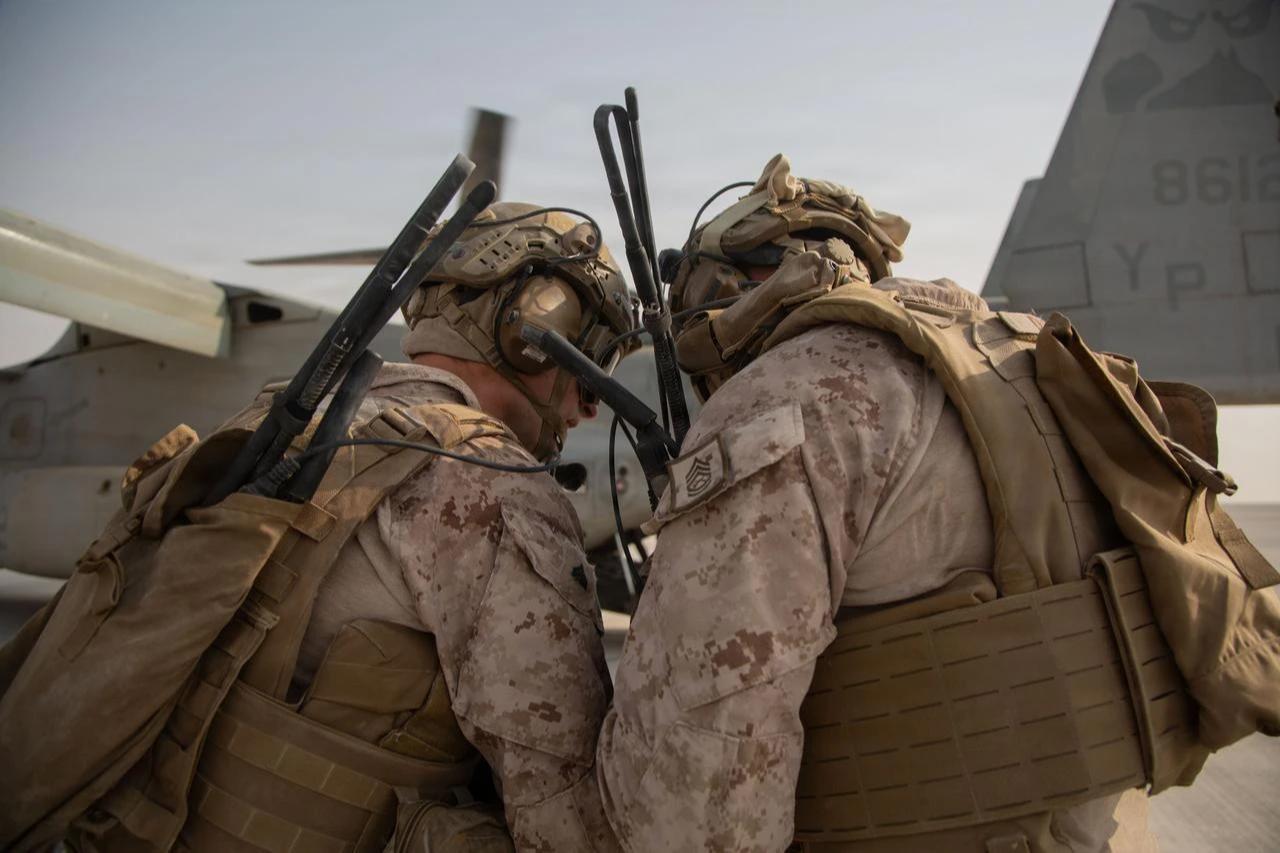
Although Army and Air Force leaders technically concurred with the deployment extensions, they warned that doing so carries “significant risk.”
More than 50,000 U.S. troops are currently deployed in the region.
Pentagon spokesperson Sean Parnell declined to discuss the SDOB or specific internal disagreements.
He said force allocation decisions are based on “strategic priorities established by the President and the advice of the Chairman of the Joint Chiefs of Staff and Combatant Commanders.”
It remains unclear when the overstretched units will be allowed to return to their original theaters of operation.


 Set as preferred source
 Set as preferred source


 1 min read
 1 min read