Newsletters


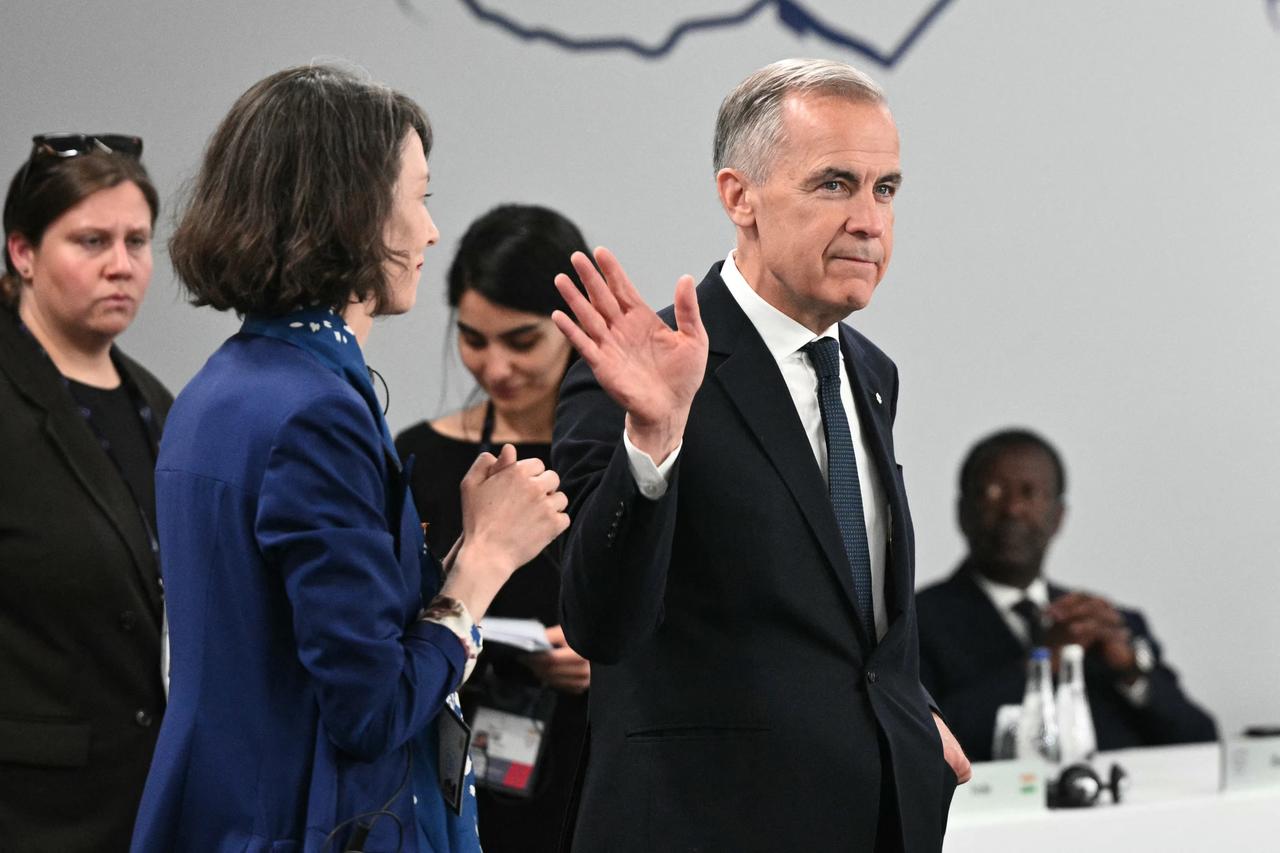


Canadian Prime Minister Mark Carney said Wednesday that the U.S.-Iran agreement to end the Middle East war could become a “game changer” for the region and beyond, while warning that the accord must be fully implemented.
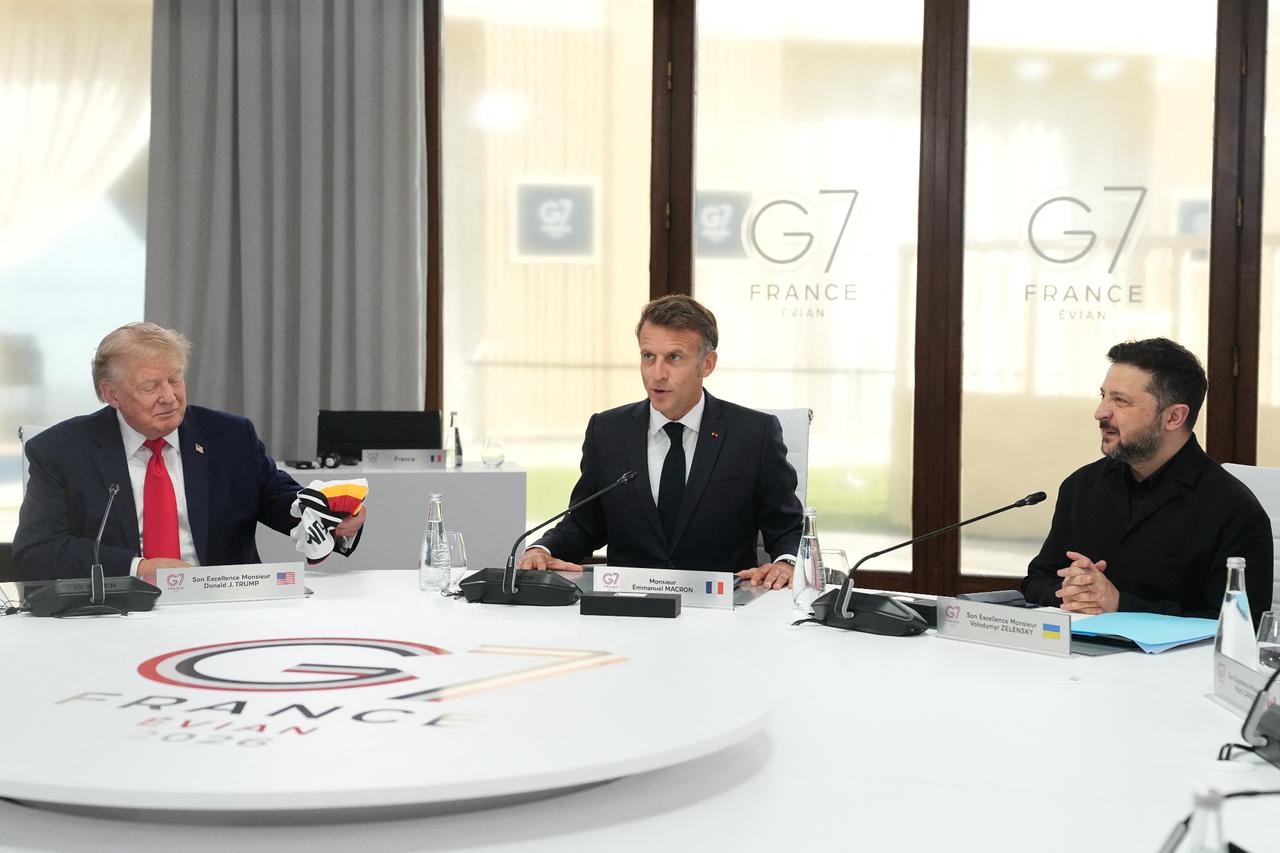
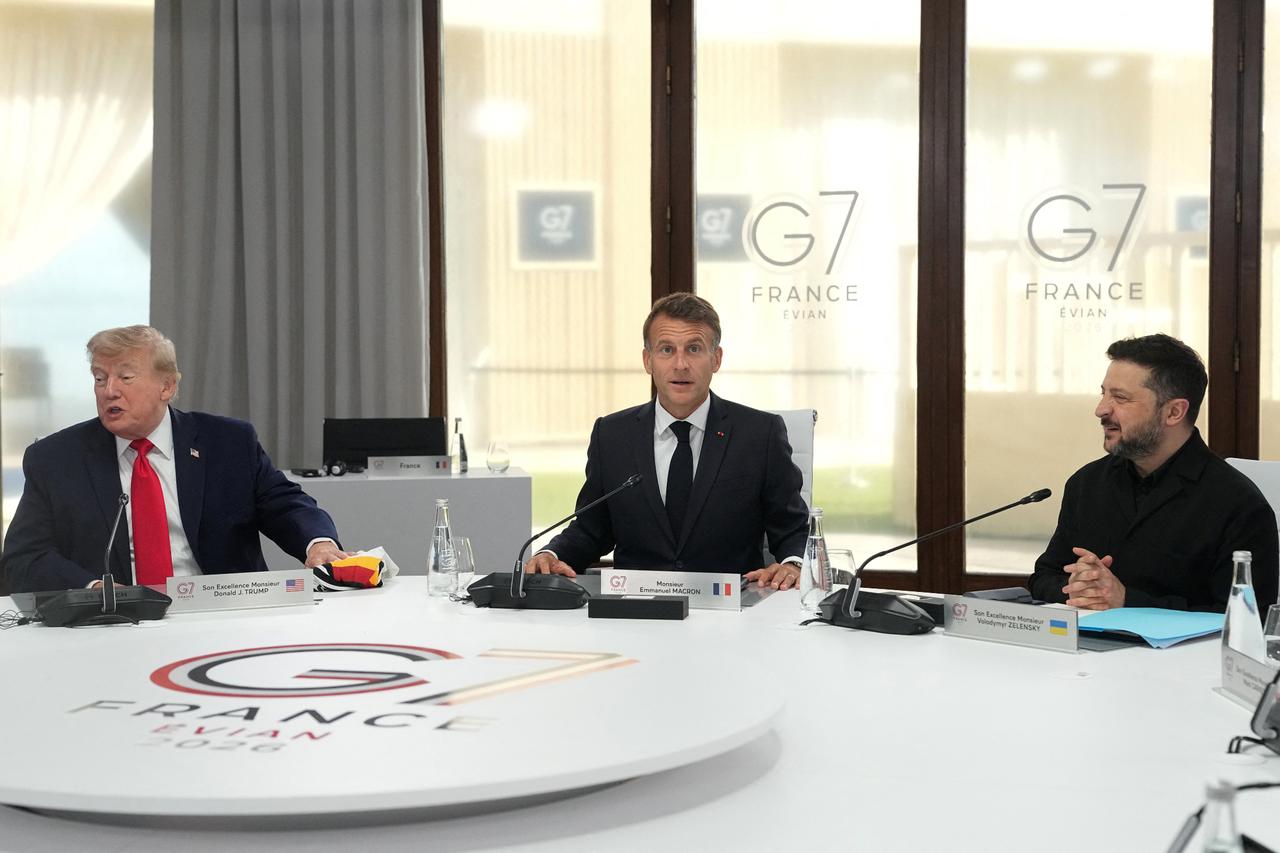
Speaking to reporters on the third day of the G7 summit in Evian-les-Bains, France, Carney said discussions involving U.S. President Donald Trump had also produced encouraging signals on Ukraine and Lebanon.
“There is a likelihood that this memorandum of understanding agreement could be a game changer,” Carney said.
He said the agreement could generate broader positive effects because several countries had helped develop it and had a stake in its success.
“Yes, there are risks. Yes, the accord has to be put into place,” Carney said.
“But the very fact of it, and the fact that so many countries were involved in its development and are vested in its development, does create knock-on effects, positive knock-on effects.”
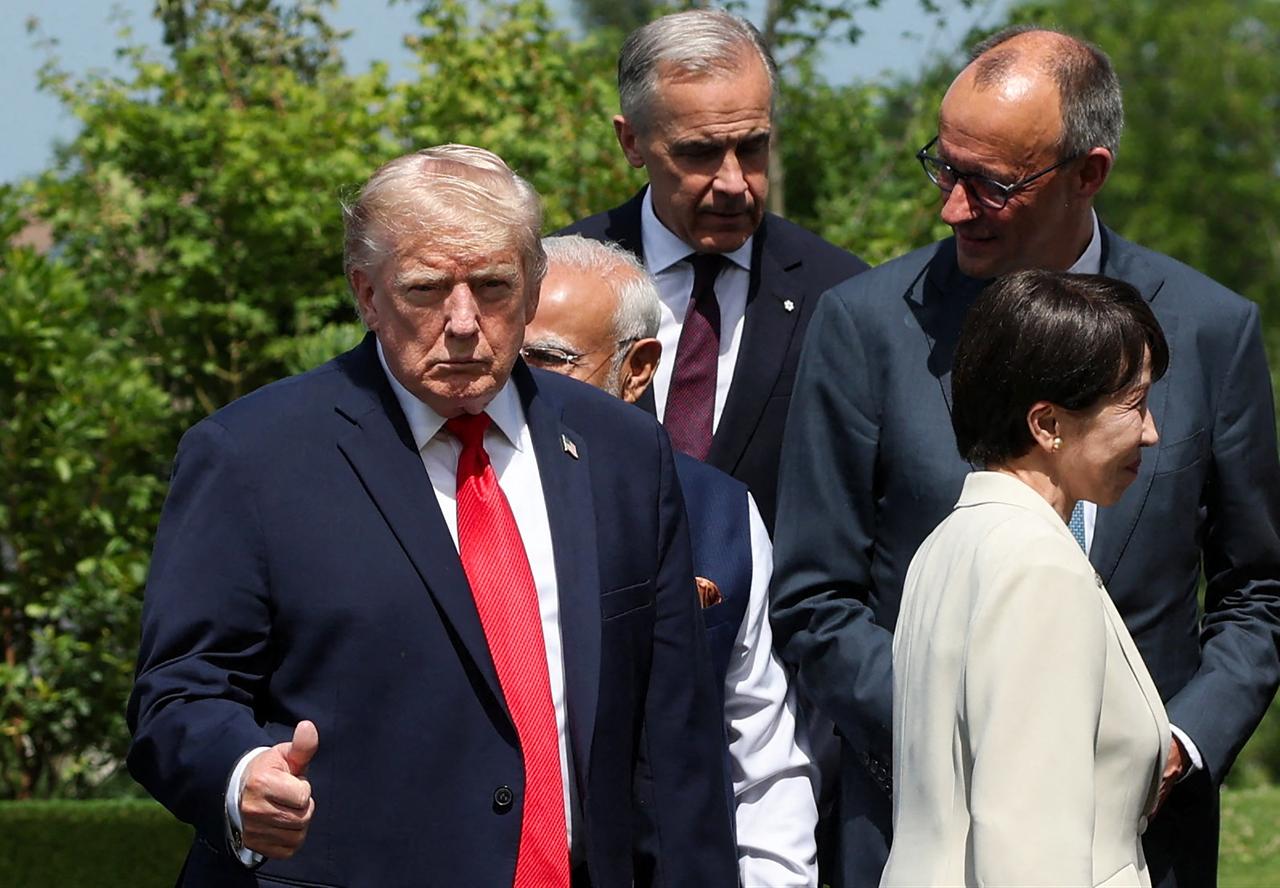

Carney said he observed a change in Washington’s tone toward Ukraine during the summit.
He described the U.S. position as reflecting a more realistic assessment of the war, which has continued for more than four years since Russia’s invasion.
Carney said the discussions included stronger pressure on Moscow, tighter sanctions against Russia and additional defensive support for Ukraine.
He referred to “a more realistic expectation of where this war was going to go.”
The talks also covered “the position against Russia, the tightening of sanctions against Russia and the ability to provide additional defensive support for Ukraine,” he said.
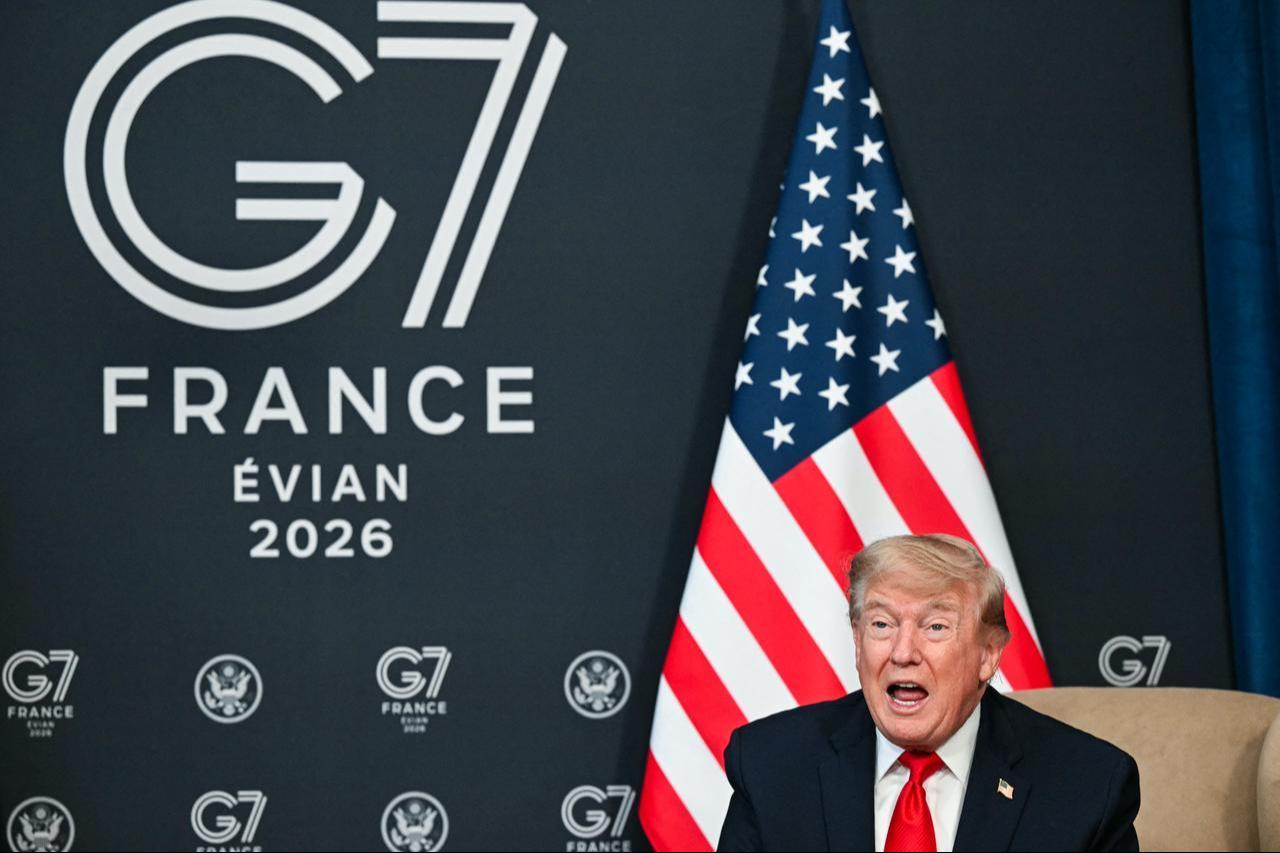
Leaders from Canada, France, Germany, Italy, Japan, Britain and the U.S. attended the summit.
Carney said G7 leaders also held a very detailed discussion about Lebanon.
Fresh Israeli strikes on alleged Hezbollah sites in southern Lebanon have weakened some of the optimism surrounding the U.S.-Iran agreement.
The wider conflict began after U.S.-Israeli strikes on Iran on Feb. 28.
The framework agreement is intended to end the war and create a basis for broader negotiations.
Carney said the accord’s wider impact would depend on implementation and the continued involvement of countries that helped shape the deal.
The U.S. and Iran are expected to sign the memorandum of understanding on Friday in Switzerland.
Negotiations on a final settlement are scheduled to begin immediately afterward and continue during a 60-day period.
The talks are expected to define the details of the agreement and address the issues needed to end the conflict.
In a joint statement issued late Tuesday, G7 leaders welcomed what they described as “the breakthrough and the opportunity that currently exist in the Middle East.”
They said the memorandum represented “an historic opportunity to prevent Iran from acquiring any nuclear weapon and tackling the threats related to its regional and ballistic activities.”
Carney said the agreement could produce positive effects across the Middle East and beyond, though he emphasized that the risks remained and the commitments would need to be carried out.


 Set as preferred source
 Set as preferred source


 2 min read
 1 min read