Newsletters




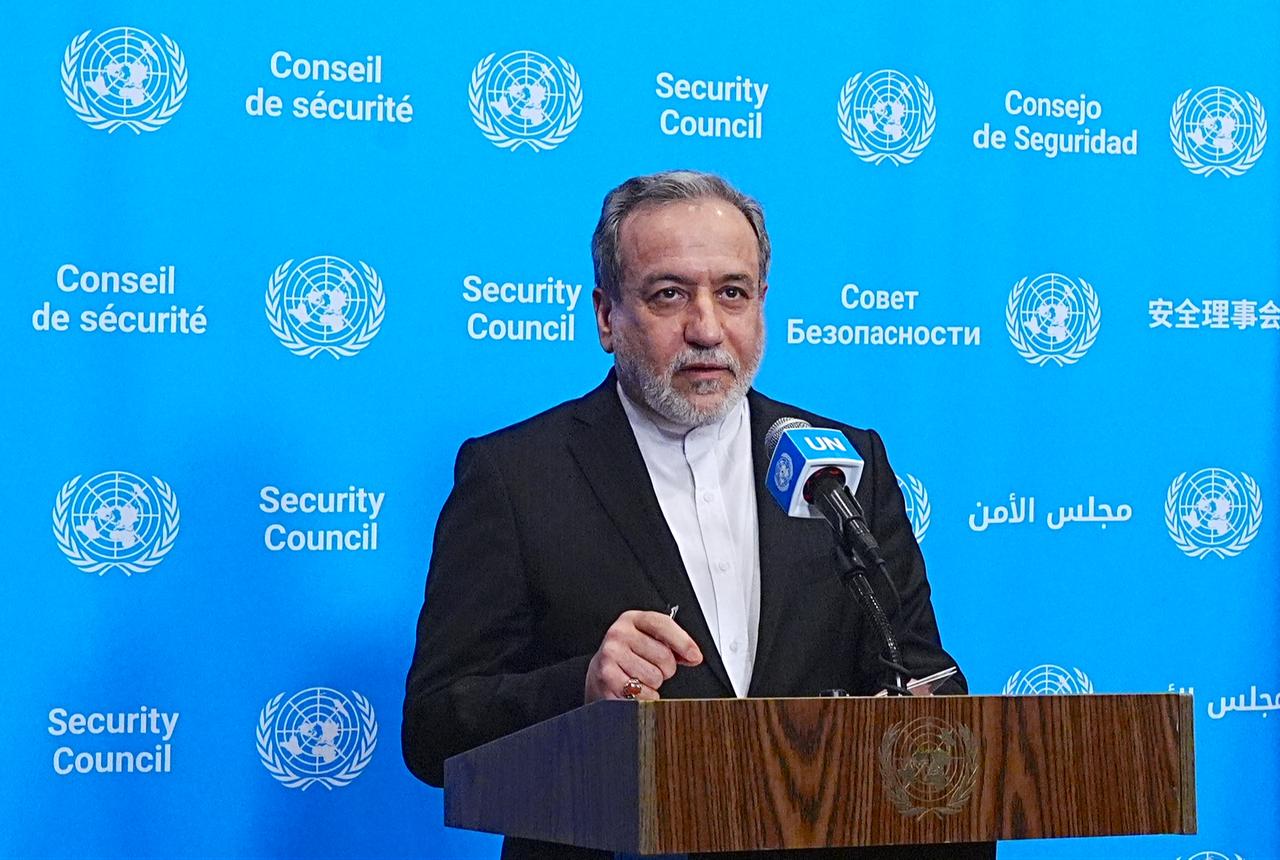
Qatari mediators are expected to hold separate talks with Iranian Foreign Minister Abbas Araghchi in New York and with the U.S. side on Monday or Tuesday, an official briefed on the negotiations reportedly told Reuters.
The discussions are expected to focus on an amended version of Iran's seven-day proposal presented last week on the sidelines of the U.N. General Assembly, according to the official, who spoke on condition of anonymity.
Araghchi remains in New York after attending the General Assembly, although it was not immediately clear who would represent the U.S. side in discussions with the mediators.

Iran's seven-day plan calls for an end to hostilities in Iran and Lebanon, the unfreezing of billions of dollars in Iranian assets, an end to sanctions on Iranian oil and the lifting of the U.S. blockade on Iranian ports.
Tehran would then reopen the Strait of Hormuz, while Iran and the U.S. would resume negotiations over Iran's nuclear program.
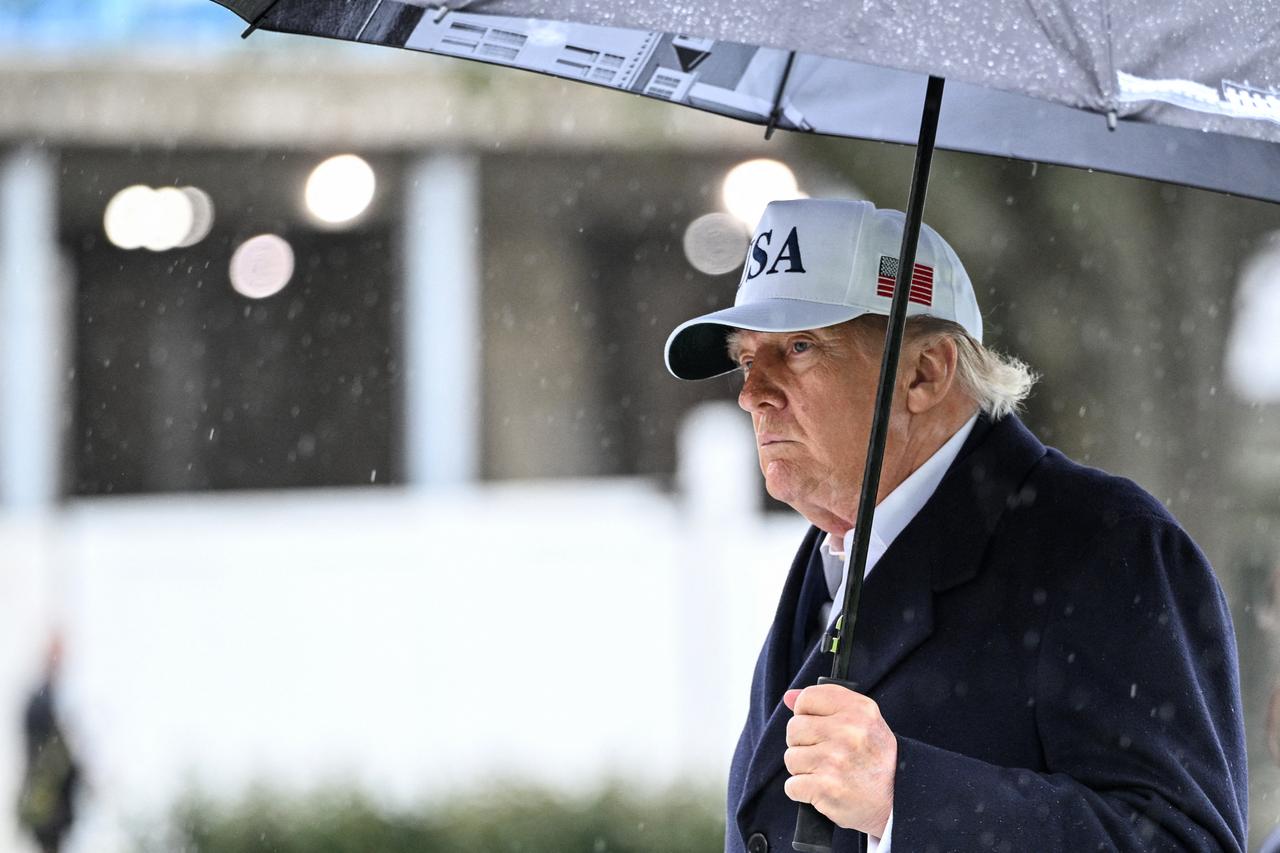
U.S. President Donald Trump said Saturday that he had rejected Iran's proposal, saying Tehran wanted a quick agreement because of severe economic pressure.
Trump, however, told Axios on Sunday that he expected U.S. negotiators to hold further talks this week.
Araghchi said Sunday that mediators had not formally informed Tehran of a U.S. rejection and that Iran was waiting for Washington's definitive position before deciding its next steps.
"Our conditions are clear, and any move toward reopening the Strait of Hormuz is contingent on these conditions being met," he said, adding that only a negotiated solution could resolve the dispute.
A source close to Iran's delegation reportedly told state news agency IRNA on Monday that Tehran had no plans for new direct Iran-U.S. talks in New York.
The source said Iran had conveyed its positions to Washington through a Qatari mediator last Tuesday and was still awaiting a response. Araghchi is expected to return home Tuesday.
The two sides remain divided over the scope of negotiations. Iran wants talks centered on the Strait of Hormuz and the U.S. naval blockade, while Washington is seeking nuclear concessions.


 Set as preferred source
 Set as preferred source


 1 min read
 1 min read