Newsletters


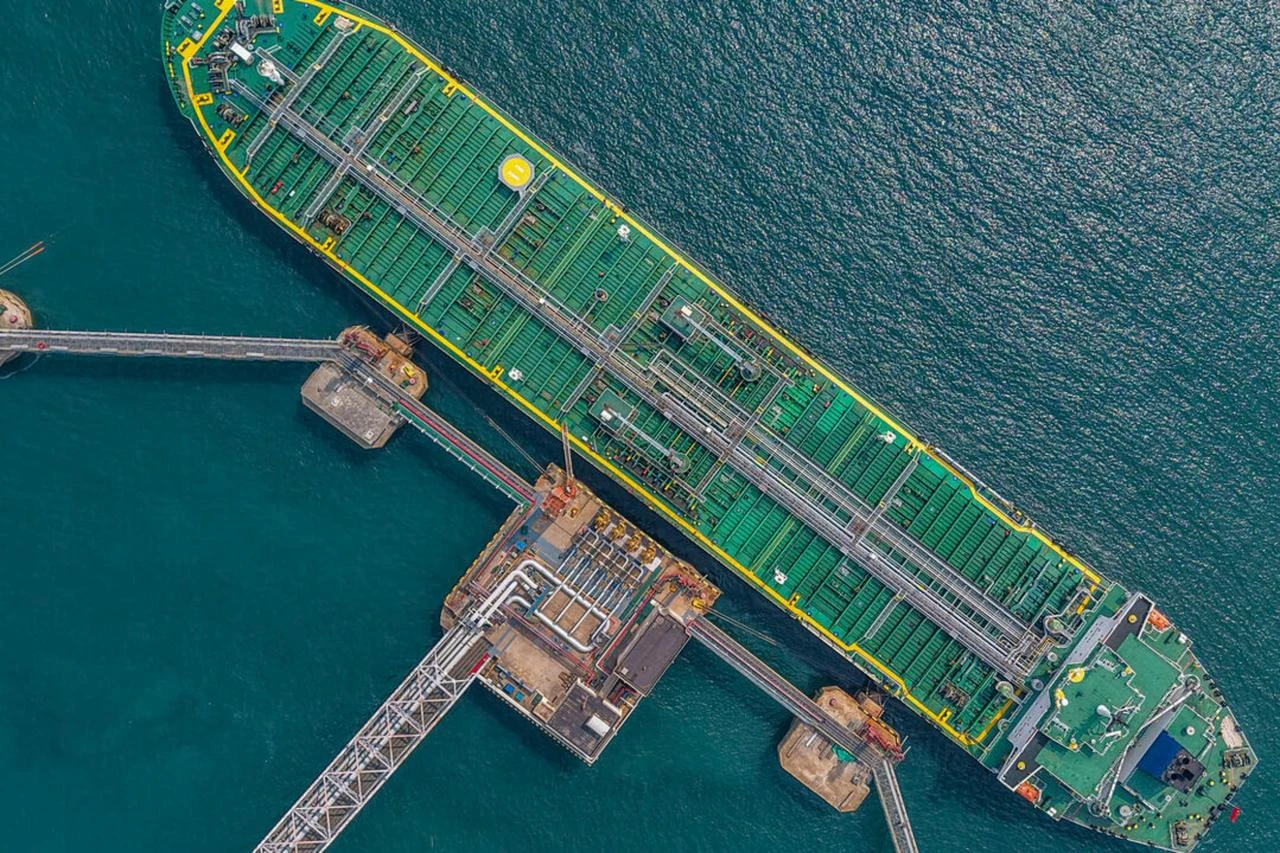


The United States is likely to enforce its existing Iran sanctions more strictly rather than expand them, targeting Tehran's oil ecosystem as part of its "economic D-Day" measures, former Treasury official Miad Maleki told CNN on Monday.
The assessment came as Treasury Secretary Scott Bessent prepared to unveil new details of the economic pressure campaign and as Iran threatened to halt all Gulf oil exports if the pressure continues.
Maleki said Iran's economy has already been subject to unusually extensive sanctions.
"Iran's economy has been subject to very comprehensive, I would say the most comprehensive, sanctions in the history of sanctions," Maleki said.
"I would say we're at maximum designation capacity, but this is not maximum pressure," he added.
Maleki said the U.S. could also target Iran's oil trade to cut off an economic lifeline.
Beijing buys roughly 90% of Iranian crude exports, according to a fact sheet by a U.S. Congress commission. China does not acknowledge importing Iranian crude in its customs data.
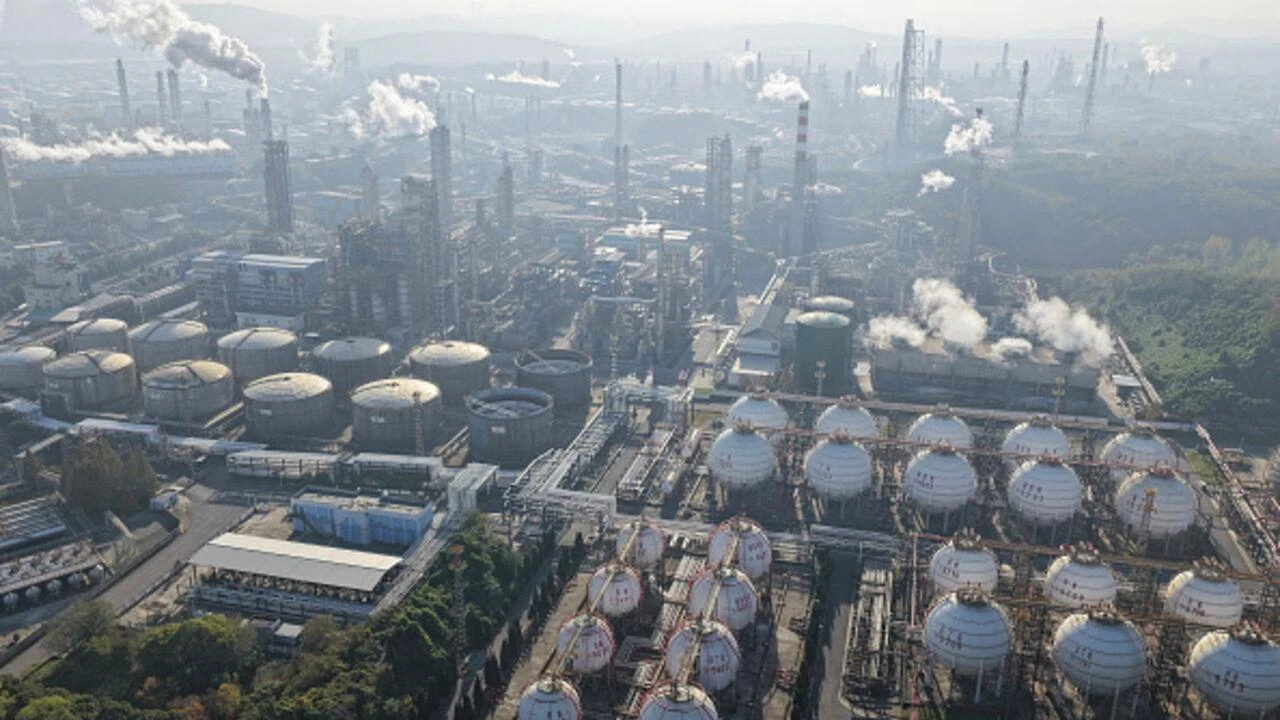
"There will be some pressure on small, medium-sized teapot refineries in China that are purchasing Iranian oil. That will put more pressure on Iran's revenue generation and also the banks and exchange houses that allow the Iranian regime to repatriate some of that revenue and get access to foreign currency," Maleki said.
The Treasury Department has sanctioned such independent Chinese refineries, but Beijing ordered its companies in May to ignore the restrictions.
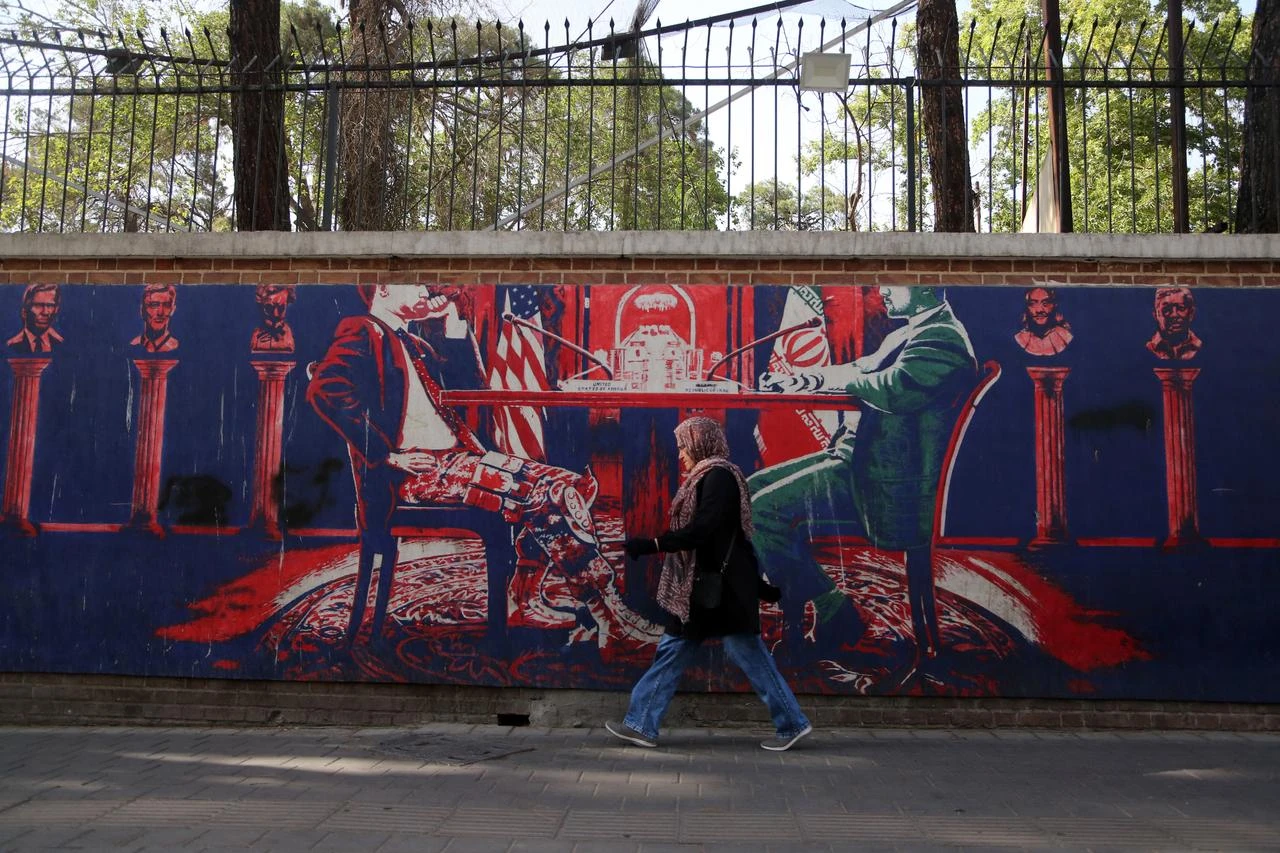
Trita Parsi, executive vice president of the Quincy Institute for Responsible Statecraft, said Iran is not likely to give in even with the latest economic measures. The US has sanctioned Iran since 1979.
"All the previous times undoubtedly had put pressure on Iran," Parsi told CNN, noting, "It has a devastating impact on the Iranian economy. It has not, however, translated into the Iranians giving up, capitulating or surrendering."

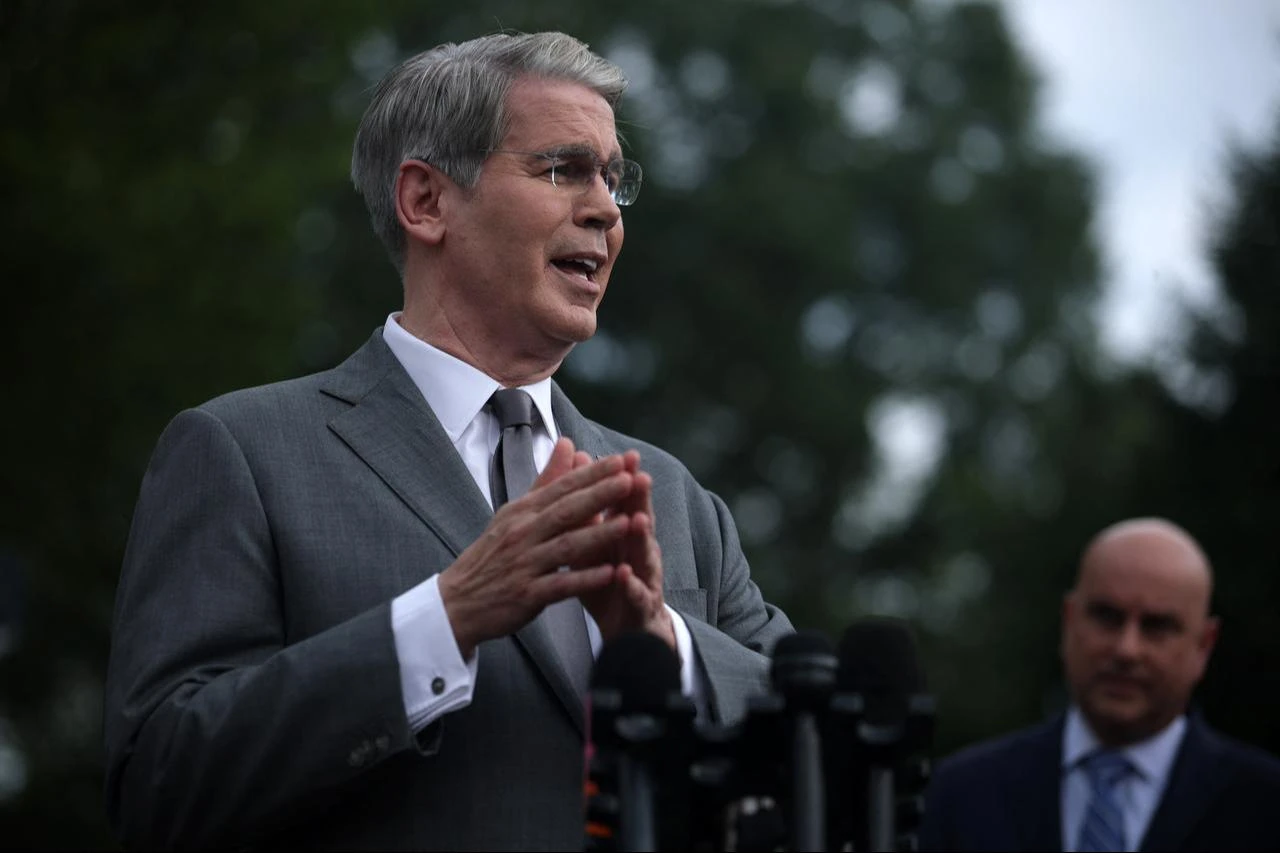
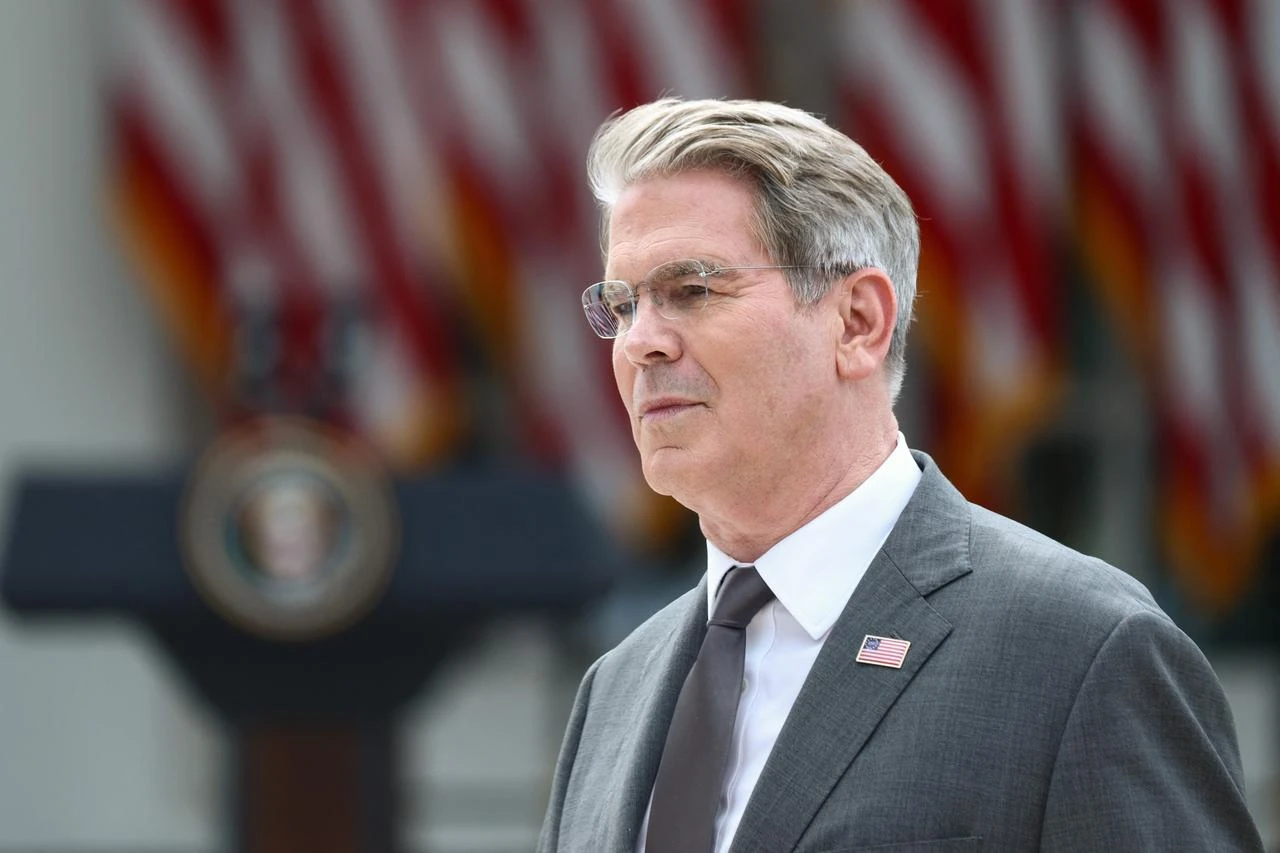
Bessent is set to unveil details of the pressure campaign at a news conference on Monday.
In a Financial Times op-ed published Sunday, he wrote that the U.S. is "entering the endgame."
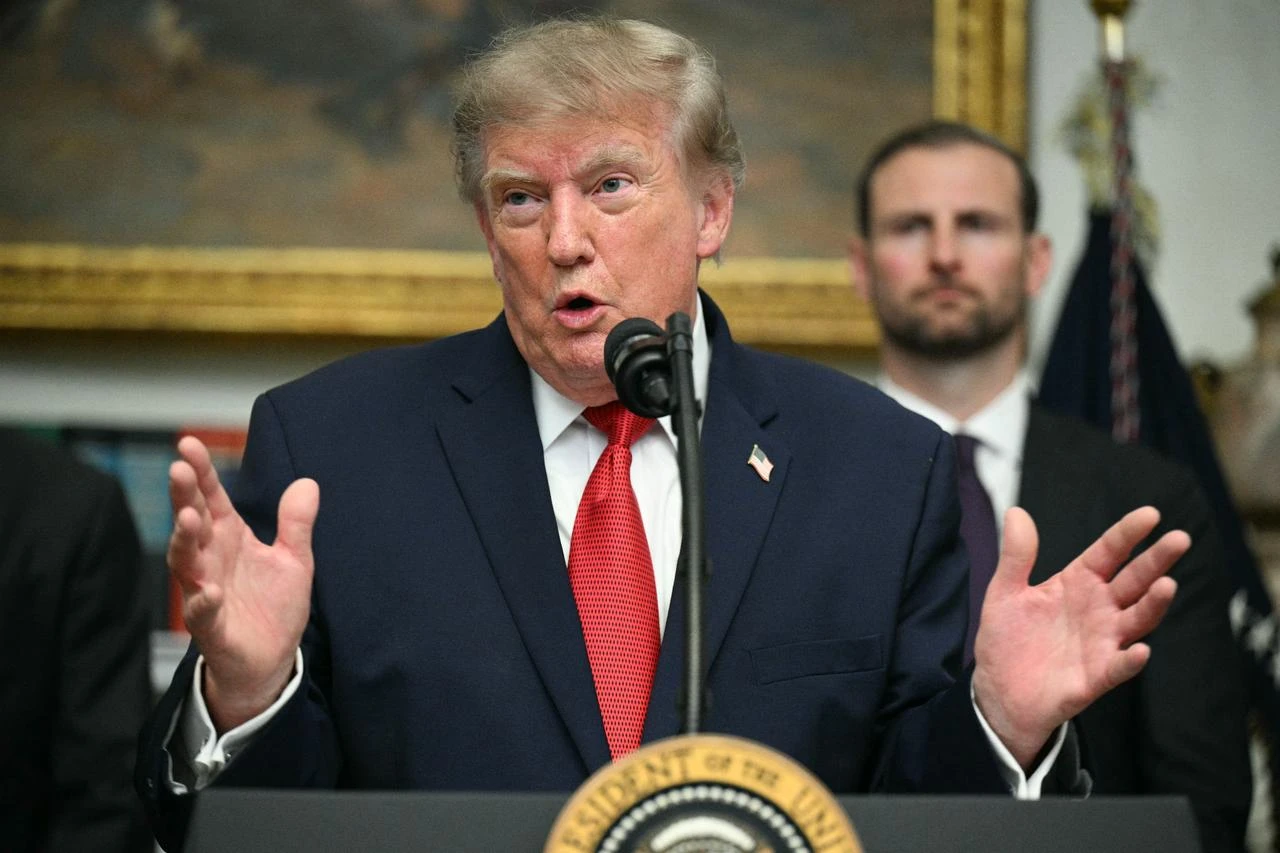
"President (Donald) Trump has dismantled Iran's military capabilities, destroyed nearly 100 percent of its military factories, and buried its nuclear program," Bessent said in a post on the social media platform X.
"We are now entering the endgame. At dawn begins an economic D-Day, the single greatest financial offensive ever marshaled against an adversary," he added.
Bessent said the administration intends to use every available resource to further isolate Iran economically.
"The President has created the conditions to leverage every agency, every authority, and action many assumed we would never summon. Our objective is to sever every economic lifeline that sustains the tyrannical regime until Tehran stands alone," he said.
He also warned other governments against assuming Washington would be unwilling to impose costs on those defying its Iran policy.
"The Islamic Republic has subsisted by dressing extortion as security guarantees. It has drawn strength from a calculus that regards Iranian retaliation as certain and American enforcement as negotiable. Under President Trump, that era is over. And those who fear the danger of defying Tehran ought not to discount the cost of testing Washington," he said.
Bessent did not detail the specific economic measures or agencies that would be involved in the campaign.
Mohsen Rezaei, secretary of Iran's Supreme National Security Council, suggested economic retaliation on Sunday.
"If the economic war continues, not a single drop of oil will be exported, neither through the Strait of Hormuz nor from anywhere in the Persian Gulf," Rezaei wrote in a social media post.
"Iran will regard any country's participation in or support for America's economic war against the Iranian people as an act of war," he added.
Bessent had previously urged China to cooperate with the U.S., noting that China has historically received half of its oil imports from the Gulf region.
A spokesperson for China's embassy in Washington responded to Reuters that "sanctions and pressure do not help resolve the problem," calling for diplomacy instead.
Joe Kent, the top U.S. security official who headed the National Counterterrorism Center, became the first senior official in the Trump administration to resign over the conflict and laid out his objections in a post on X.
"The Iranians will likely respond to the sanctions by attacking our bases and/or ships in the region. The Iranian hardliners prefer a military conflict because they believe striking us is their only true deterrent & a kinetic war keeps their people rallied around the regime," he said.
"We should deprive them of this option by pulling our troops from the region. Pulling our troops out limits our risk & provides the sanctions the time to have their desired effect. This will also allow President Trump to say he won the military fight; now it's all economic/diplomatic, and the war can slowly fade from the daily news cycle. Once that happens a quiet arrangement can be made to get the oil flowing from the SOH ahead of the elections in November. But the sanctions won't work if we get sucked back into an escalation cycle; break the escalation trap by pulling our troops out," Kent wrote.
Iran's economy was already under pressure from international sanctions before U.S. and Israeli attacks destroyed parts of its infrastructure.
Iranian officials have warned that further economic punishment could deepen hardship, reignite unrest, and further erode the Islamic Republic's legitimacy.
Iran entered the war with high inflation, a weakening currency, energy shortages, and deep structural weaknesses and must now contend with damaged infrastructure, disrupted trade, lost production, and the cost of rebuilding.
U.S.-Israeli strikes on Iran and Israeli attacks on Lebanon during the war have killed thousands and displaced millions.
The U.S. has reported 18 military personnel killed and more than 750 wounded.
In the absence of official face-to-face talks between the U.S. and Iran, last held in June in Switzerland, other nations, including Qatar, Pakistan, and Türkiye, have attempted to promote diplomacy.
Iran said Pakistan's army chief, Asim Munir, was set to visit Tehran on Monday as part of efforts to restore regional peace and security, though few details were given.
A Pakistani government source who spoke to Reuters said Munir would also address the U.S. sanctions threat.


 Set as preferred source
 Set as preferred source


 1 min read
 1 min read