

 Newsletters


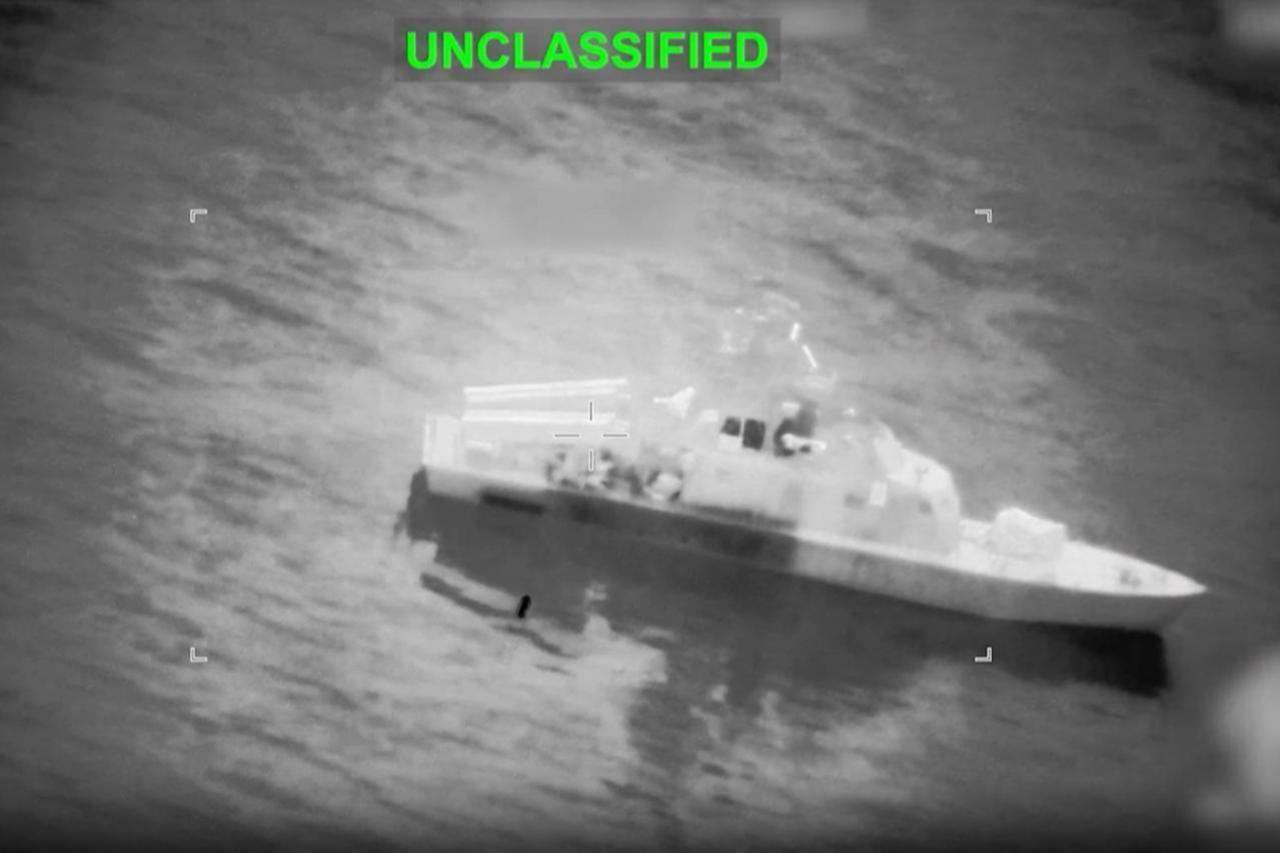


The White House signaled Wednesday that the United States is prepared to escalate its military posture against Iran, with press secretary Karoline Leavitt declaring that American forces still have undisclosed capabilities to counter Tehran's threats to the Strait of Hormuz, one of the world's most strategically vital waterways.
Leavitt told reporters that US forces have sunk "more than 120 naval vessels" belonging to Iran over the course of the ongoing military campaign, describing the toll as beneficial for both Americans and regional allies.
"They are at the bottom of the sea because of our United States Armed Forces," Leavitt said, calling the destruction "a great thing for the American people" and "a great thing for our allies in the region."
The remarks came as the administration sought to project strength while acknowledging it has yet to fully neutralize Iran's capacity to disrupt shipping through the Strait of Hormuz, a narrow passage between Iran and Oman through which roughly one-fifth of the world's daily oil consumption flows. Any sustained closure or military confrontation in the strait could send global energy prices soaring and disrupt supply chains across Asia and Europe.
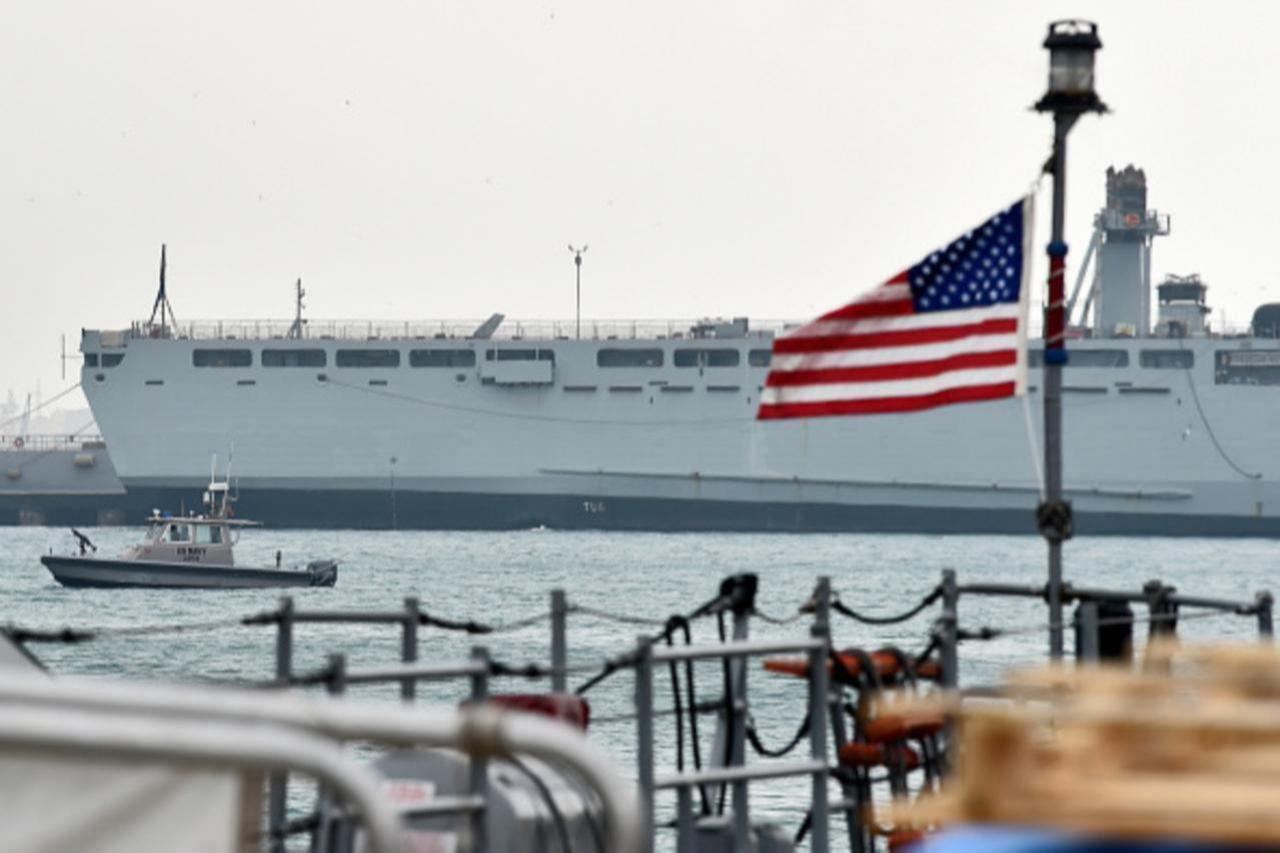

Asked about the administration's plan to secure the waterway, Leavitt said President Donald Trump would continue engaging allies in Europe and the Gulf but made clear the military retains significant unused capability.
"The United States military has a lot of capabilities, as you have seen play out over the last 18 days, and they still do have tricks up their sleeves," Leavitt said. She declined to elaborate publicly but added, "rest assured, there is a plan."
Leavitt also restated Trump's firm stance that Iran "cannot permanently possess a nuclear weapon" and refused to rule out any future course of action, saying she would not "forecast or remove any future options off the table."
The comments reflect what appears to be an open-ended military commitment, with the administration simultaneously pressing NATO allies to contribute more. Trump wrote on Truth Social on Tuesday that most NATO countries have indicated they do not want to involve themselves in the US effort against Iran, a complaint consistent with his longstanding criticism of allied defense spending.
Separately, Leavitt confirmed that China has agreed to postpone a planned meeting between Trump and Chinese President Xi Jinping. She characterized the delay as mutual and logistical rather than a sign of friction between the two powers.
"We're working with them. They have agreed to postpone the trip. I think they understand the president's rationale for doing so," Leavitt said, noting that Trump has domestic commitments in May and that a new date is being coordinated.
The postponement comes as the administration navigates simultaneous pressure points, from its military campaign against Iran to managing the complex US-China relationship, which has been defined in recent years by trade tensions, technology competition, and disputes over Taiwan and the South China Sea.


 Set as preferred source
 Set as preferred source


 1 min read
 1 min read



