Newsletters


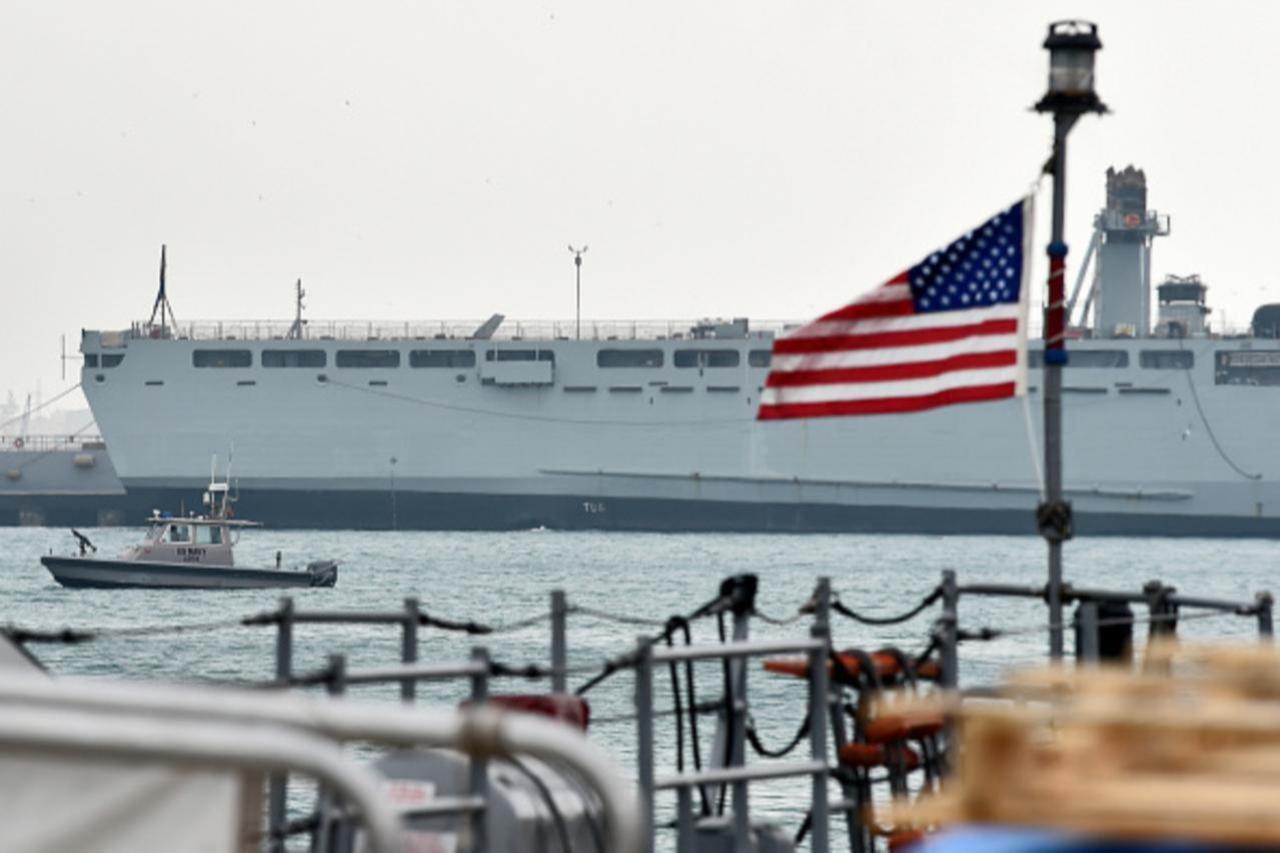


US Energy Secretary Chris Wright claimed on Tuesday that the US Navy had successfully escorted a commercial oil tanker through the Strait of Hormuz, in what would be the first such operation since the launch of the US-Israeli war on Iran nearly two weeks ago.
The claim, made in a now-deleted social media post, triggered a sharp sell-off in crude markets.
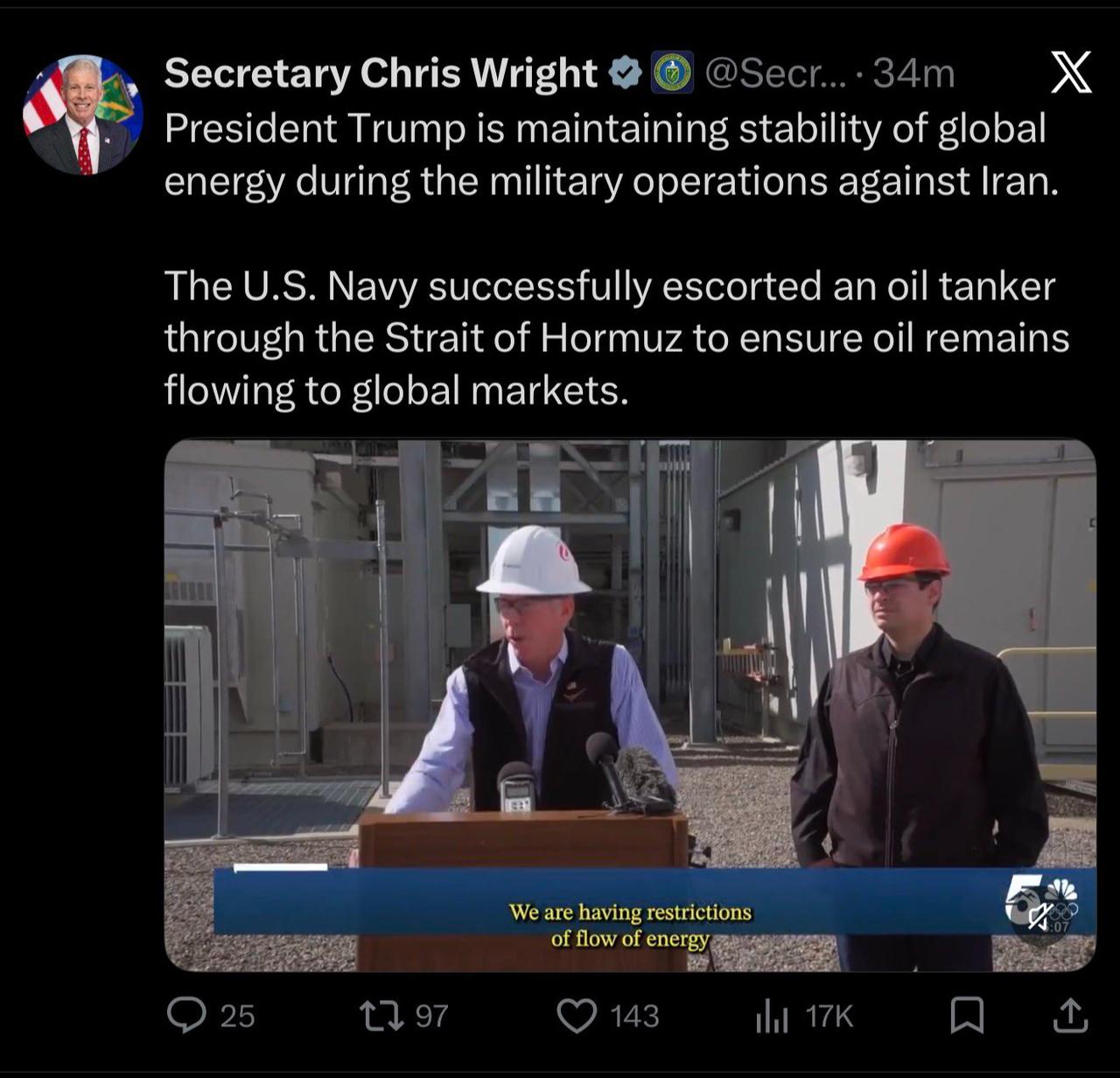
"The US Navy successfully escorted an oil tanker through the Strait of Hormuz to ensure oil remains flowing to global markets," Wright wrote in the post, adding that President Donald Trump "is maintaining stability of global energy during the military operations against Iran." The post was later removed without public explanation.
Oil prices plunged roughly 15% on the news, with Brent crude falling to around $84 a barrel after briefly surging past $120 the day before. US crude dropped in tandem, erasing much of Monday's gains. The S&P 500 jumped 0.5% in afternoon trading while the Dow Jones Industrial Average rose 325 points, as investors cautiously welcomed what markets interpreted as the beginning of a broader effort to restore shipping through the paralyzed waterway.
The escort was to be the first such naval convoy operation since the launch of Operation Epic Fury on Feb. 28, the joint US-Israeli air campaign that killed Iran's Supreme Leader Ali Khamenei and triggered a cascading energy crisis across the Persian Gulf.
The White House itself drove the final nail into Wright's claim later on Tuesday.
Press Secretary Karoline Leavitt confirmed that no US Navy escort of any vessel through the Strait of Hormuz had taken place, directly contradicting what the Energy Secretary had announced to the world just hours earlier.
Leavitt sought to keep the door open, noting that such an operation remains "an option the President has said he will absolutely utilize if and when necessary at the appropriate time," but the admission marked a rare instance of the administration publicly undercutting one of its own senior officials on a matter of global consequence during an active military conflict.

The announcement comes after nearly two weeks in which the strait, normally one of the busiest maritime corridors on earth, was reduced to a ghost waterway. Shipping through the passage dropped by 95% in the first week of March, according to S&P Global Market Intelligence.
By March 8, the strait recorded its lowest traffic of the entire conflict, with only two outbound Iranian-flagged vessels and zero inbound crossings, according to maritime intelligence firm Windward.
The Revolutionary Guard Corps declared the strait closed on March 2, threatening to set fire to any vessel that attempted to pass.
Several commercial ships were struck by missiles and drones in the days that followed, and major shipping lines, including Maersk, Hapag-Lloyd, MSC, and CMA CGM, all suspended transits and began rerouting vessels around the Cape of Good Hope, adding weeks to delivery times, as CNBC reported.
The consequences for global energy markets were immediate and severe. Iraq cut oil production by 1.5 million barrels per day as it ran out of storage capacity, according to Iraqi officials cited by Reuters. Saudi Arabia reduced output by an estimated 2 million to 2.5 million barrels per day. Roughly 16 million barrels per day of oil was stranded behind the strait and cut off from international buyers, according to data from Vortexa cited by Yahoo Finance.
Average US gasoline prices jumped to $3.45 per gallon from $2.98 just a week earlier, according to AAA, intensifying political pressure on the White House ahead of November's midterm elections, as the Washington Times reported.
Tuesday's escort followed more than a week of increasingly forceful rhetoric from both Trump and his energy secretary.
On March 3, the president posted on Truth Social that he had ordered the US Development Finance Corporation to provide political risk insurance for maritime trade in the Gulf and signaled that naval escorts would soon follow:
"If necessary, the United States Navy will begin escorting tankers through the Strait of Hormuz, as soon as possible. No matter what, the United States will ensure the free flow of energy to the world."
But translating those words into action proved difficult. As recently as last Friday, a US official told Fox News bluntly: "We are not escorting ships through the Strait of Hormuz, and we will not speculate on future operations."
That same day, Wright told Fox & Friends the Navy would begin escorts "as soon as it's reasonable to do it," while acknowledging that American forces needed to first degrade Iran's ability to strike commercial vessels.
Analysts had warned that the US faced a fundamental tension between waging war against Iran and simultaneously providing safe passage for hundreds of stranded tankers. "A key question will be whether there are enough Navy assets to both escort ships as well as continue operations against Iran," Helima Croft, head of global commodity strategy at RBC Capital Markets and a former CIA analyst, told clients in a note cited by CNBC.
On Sunday, Wright appeared to preview Tuesday's milestone when he told Fox News Sunday that "one large tanker has already gone through the straits with no issues at all," suggesting that conditions were improving. He predicted the disruption would last "weeks, certainly not months."
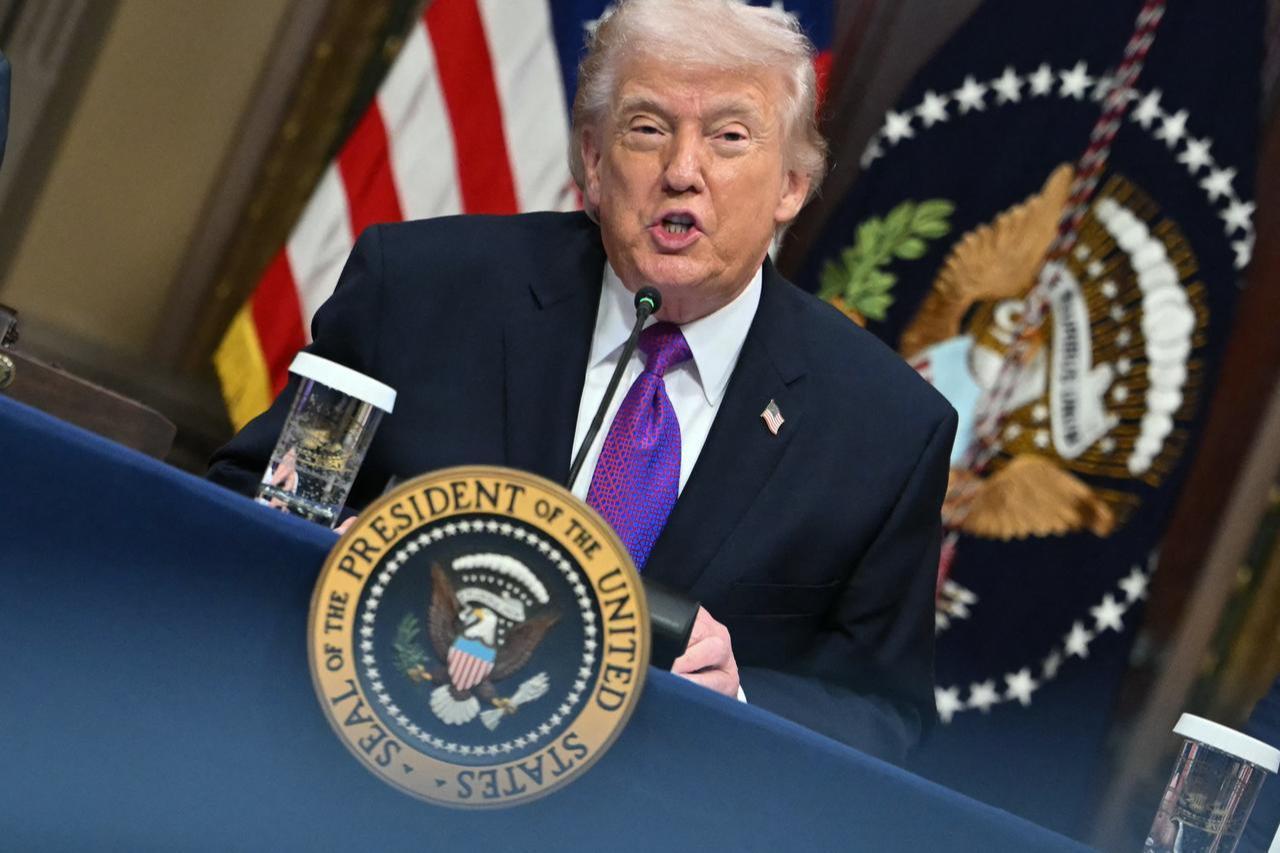
The escort also came hours after Trump dramatically escalated his rhetoric against Tehran. Speaking at a news conference in Florida on Monday evening, the president warned that Iran would face devastating consequences if it continued to impede oil shipments. He later posted on Truth Social: "If Iran does anything that stops the flow of oil within the Strait of Hormuz, they will be hit by the United States of America TWENTY TIMES HARDER than they have been hit thus far."
He went further, threatening to destroy targets "that will make it virtually impossible for Iran to ever be built back as a nation again," adding: "Death, fire, and fury will reign upon them. But I hope, and pray, that it does not happen."
Trump framed the effort to reopen the strait partly as a service to other oil-dependent nations, telling reporters it was "a gift from the United States of America to China, and all of those nations that heavily use the Hormuz," as Time magazine reported.
In a phone interview with CBS News on Monday, Trump said the war was "very complete, pretty much" and that he was even "thinking about taking over" the strait entirely.
Iran dismissed the warnings. Ali Larijani, secretary of Iran's Supreme National Security Council, reposted Trump's threat on X and responded: "The Iranian people do not fear your hollow threats."
A spokesperson for the Revolutionary Guard said Iran "will determine when the war ends," according to state media, and vowed that not "a single drop of oil" would leave the region if US and Israeli attacks continue.
While Tuesday's oil price drop offered some relief, analysts cautioned that a single escorted transit is far from a restoration of normal shipping. JPMorgan Chase commodities analysts warned Tuesday morning that "policy measures may have limited impact on oil prices unless safe passage through the Strait of Hormuz is assured," calling the full reopening of the waterway "the only truly durable and comprehensive solution," as NBC News reported.
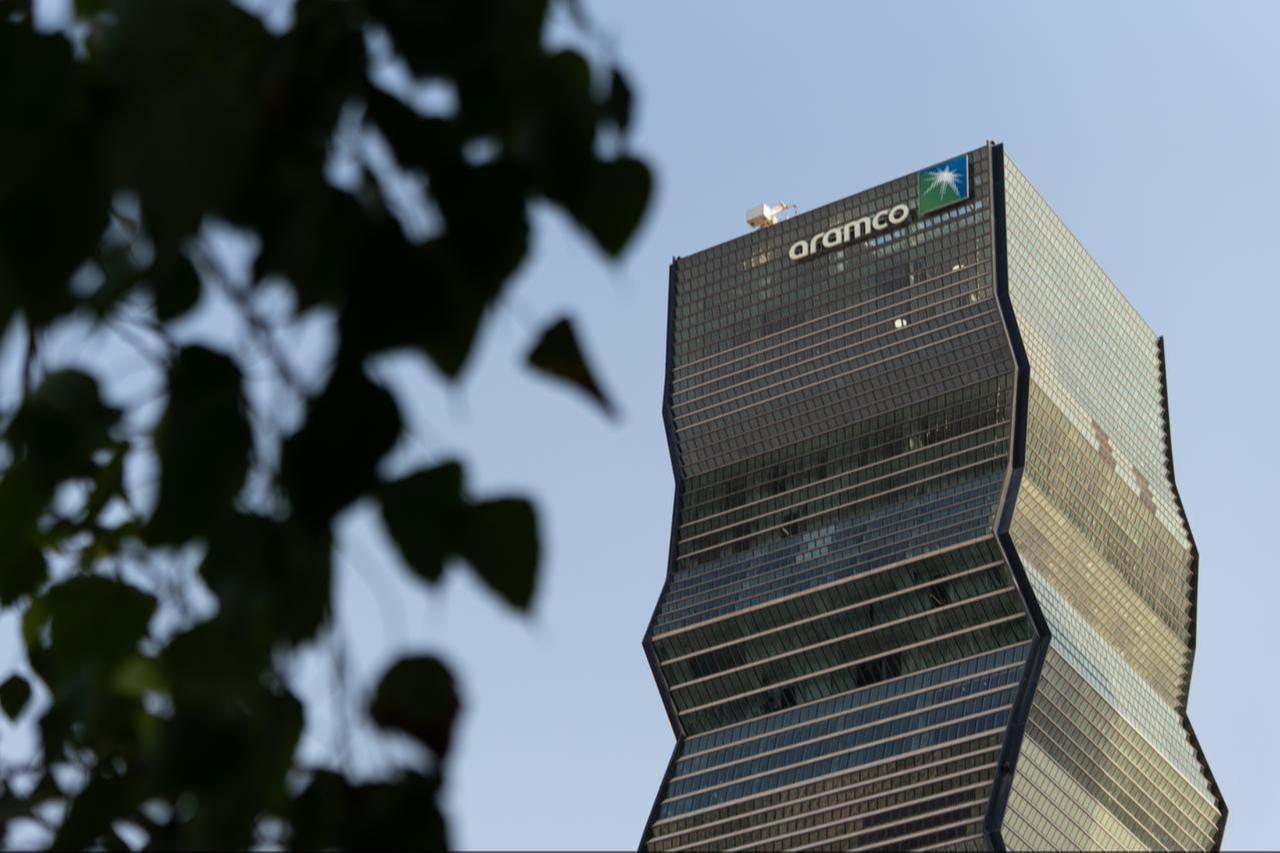
Saudi Aramco's CEO Amin Nasser offered a stark assessment the same day, stating that the current crisis is "the most serious the region's oil and gas industry has faced," and warning of "catastrophic consequences for the world's oil markets the longer the disruption goes on," according to CNN.
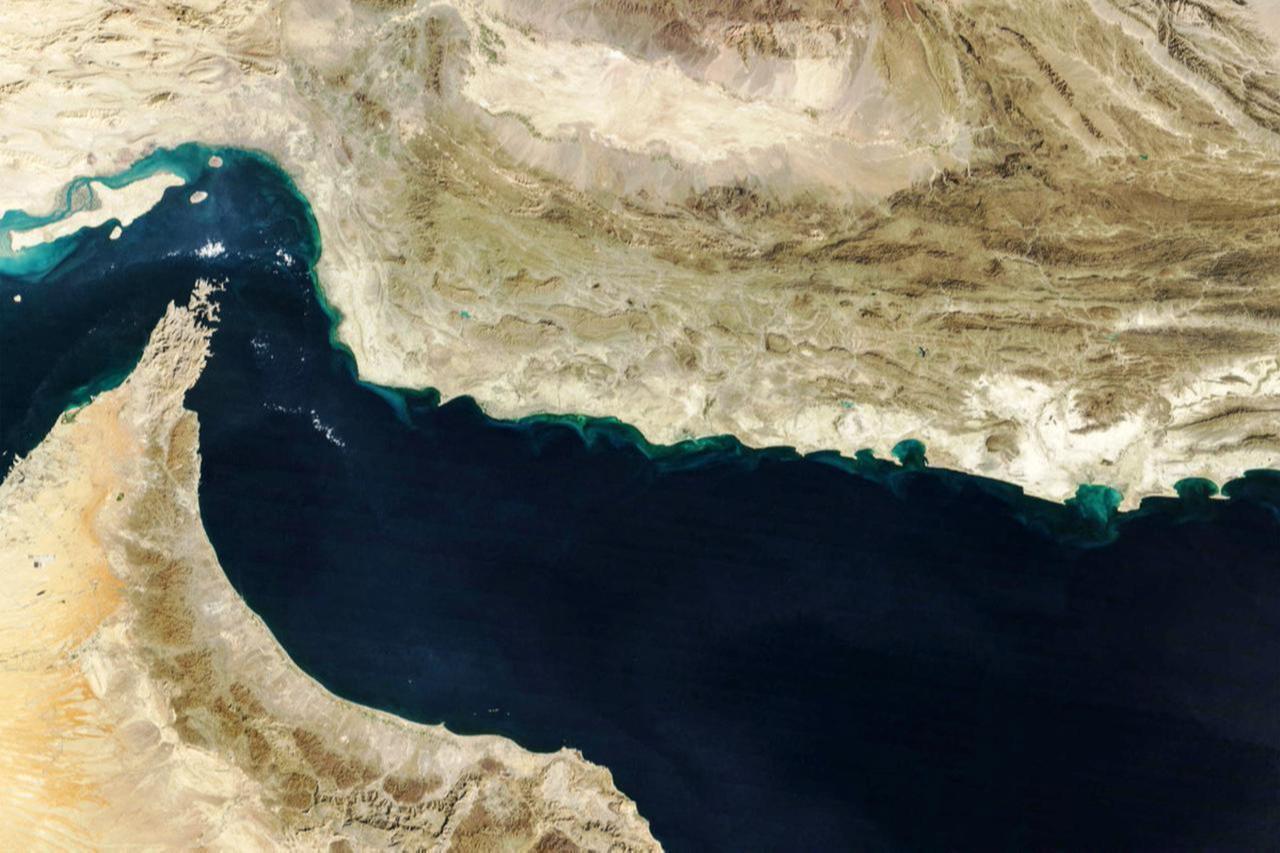
The Strait of Hormuz, a narrow waterway barely 21 miles wide at its narrowest point between Iran and Oman, normally carries roughly 20% of the world's crude oil, approximately 20 million barrels per day, along with about a fifth of global liquefied natural gas exports, according to the US Energy Information Administration.
The waterway connects the major Gulf producers, including Saudi Arabia, Iraq, Kuwait, Qatar, and the United Arab Emirates, to markets in Asia, Europe, and beyond.
The last time the US Navy conducted escort operations of this kind in the same waters was during Operation Earnest Will in 1987-1988, when Kuwaiti tankers were reflagged under the US banner and given military protection during the Iran-Iraq War.
However, analysts note that the current situation is far more complex, as the US military is simultaneously waging an active bombing campaign against the very country that controls the strait's northern coastline.
The International Energy Agency convened an extraordinary meeting on Tuesday to discuss a possible emergency release of oil stockpiles from member nations, which collectively hold around 1.2 billion barrels in reserve, according to CNBC.
Energy ministers from the G7 met earlier in the day but did not announce a coordinated release.
Despite the day's price drop, US crude remains more than 15% above its level before the war began on February 28. Retail gas prices have risen roughly 50 cents per gallon in less than two weeks, a visible reminder to American consumers of the conflict's economic toll.


 Set as preferred source
 Set as preferred source


 1 min read

 1 min read